
Why Wood Rots from the Inside Out
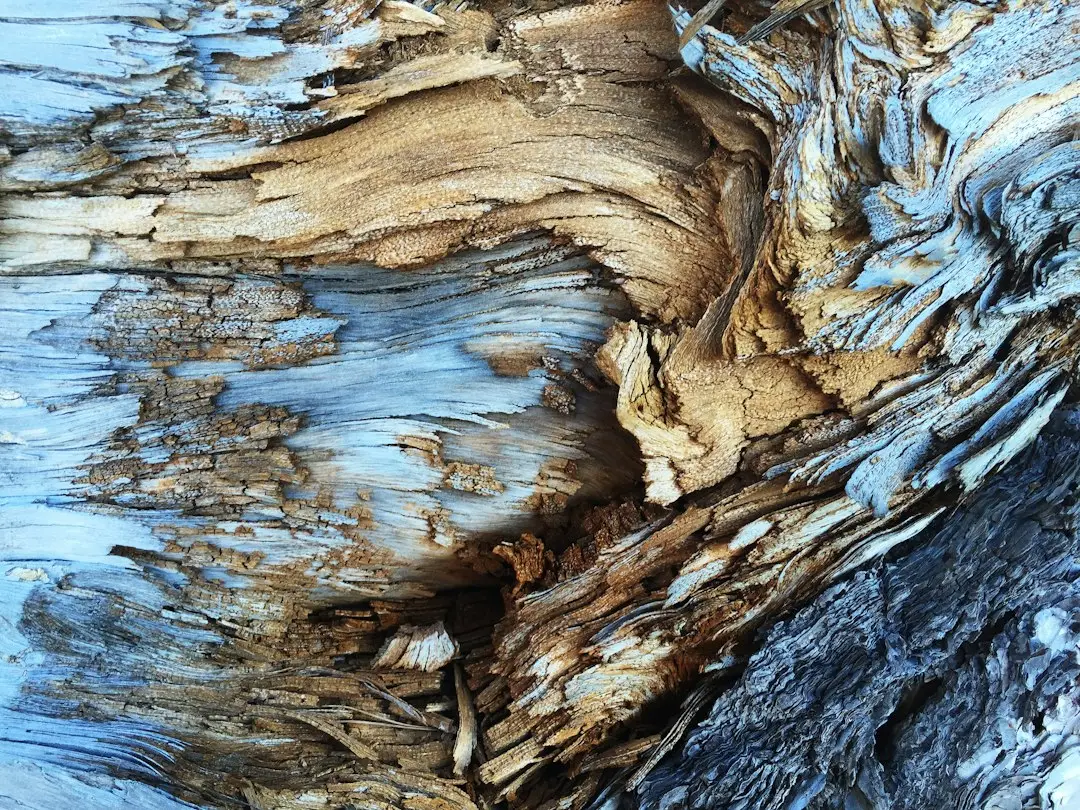
Decay begins with a wound to the branches, trunk, or roots, and is caused by decay fungi acting in a succession of microorganisms, a disease that progresses for many years inside the tree and unseen. This is what makes internal decay so deceptive: the outer bark often remains intact and green even as the heartwood hollows out beneath it.
Wood-destroying fungi degrade the polymers of the wood cell wall – hemicellulose, cellulose, and lignin – leading to substantial changes in mechanical and physical characteristics and structural failures of wood. The tree has no reliable way to regrow that lost interior once it is gone.
The Science Behind the Sound
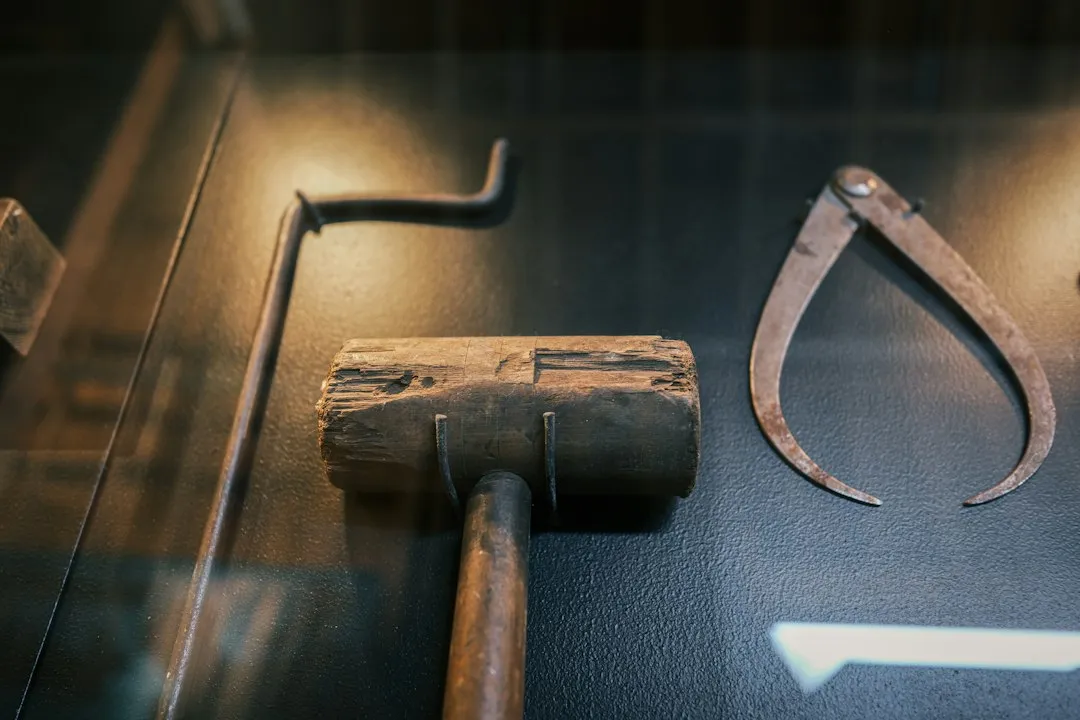
Striking the trunk with a mallet produces stress waves that propagate through the wood and, in turn, generate characteristic audible sounds. When wood is solid and dense, those waves travel quickly and produce a sharp, compact tone. When decay or a void is present, the tone changes noticeably.
In general terms, stress waves travel slower in decayed or deteriorated wood than in sound wood. They also travel around hollows, increasing the transmission time between two testing points. This basic physical principle is the foundation of everything from a simple mallet tap to modern acoustic tomography machines.
How Arborists Use Sounding in the Field
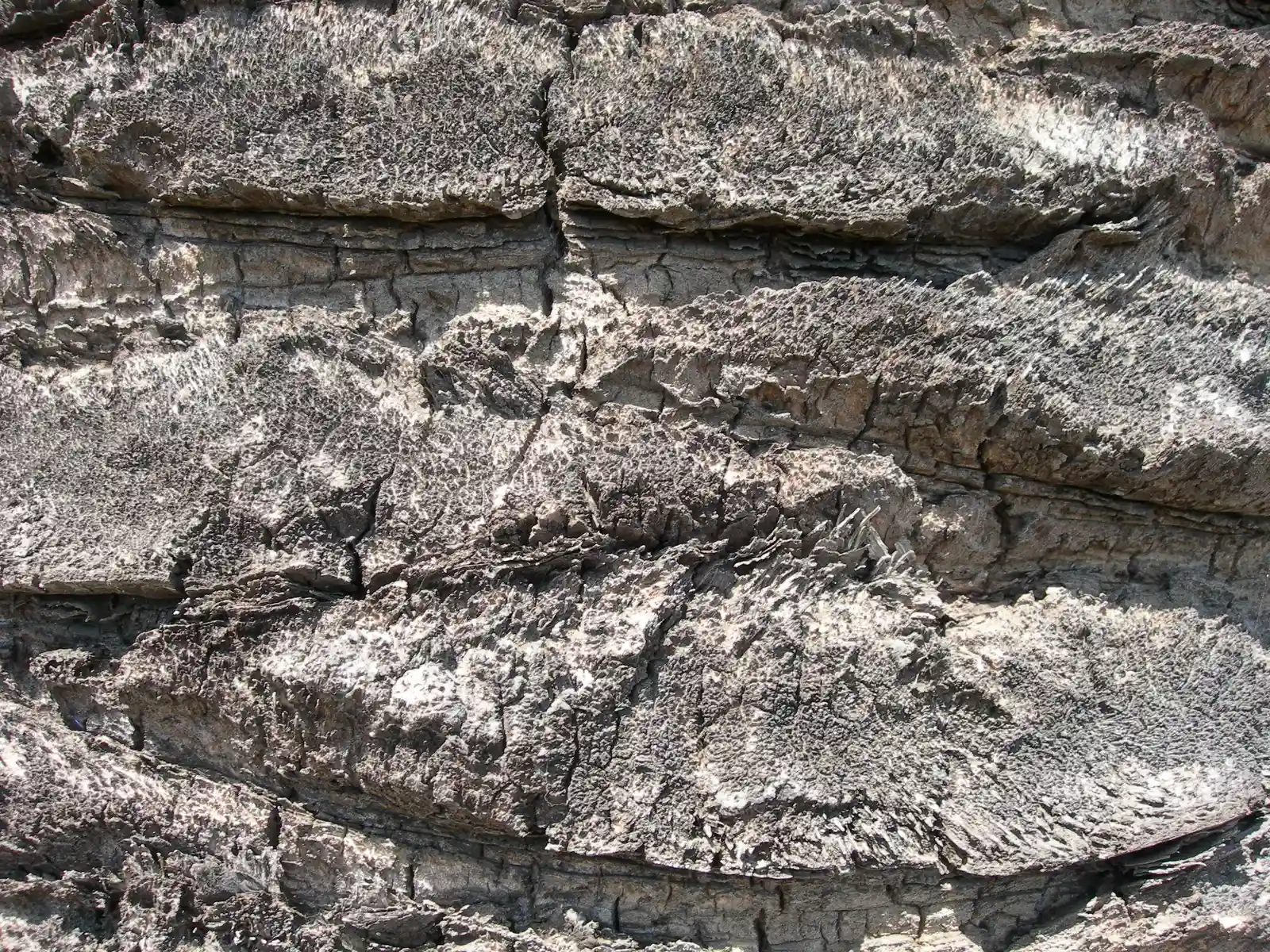
Sounding is a practical and widely accepted field technique for initially establishing the presence or absence of internal decay in trees, including those in urban settings. An arborist evaluates the soundness of a tree by striking the trunk with a mallet, hammer, or other solid object and analyzing the resulting sounds for abnormal characteristics associated with decay.
A very hollow tree will be easy to detect by the bass drum sound, though trees with decay but no large void may be much more difficult to assess. Sound also varies among species independent of decay. This is the practical limitation that field professionals deal with every day: there is no single universal hollow sound, only a spectrum of tones that require experience to read correctly.
The Limits of the Human Ear

Successful application of sounding requires subjective evaluation of the sonic variations that result from different wood species and densities, and various ambient noise conditions. Street noise, wind, and even nearby machinery can mask the very tonal shifts that signal serious structural compromise.
Visual inspection and single-path stress wave tests can correctly identify a general problem but without specificity. In other words, a skilled ear can tell you something is wrong, but it often cannot tell you where the decay is concentrated, how large it is, or how far it has spread toward the structural shell of the tree.
What Decay Does to Structural Strength
A mere 10% loss in wood weight from decay can correspond to a 70 to 90% reduction in structural strength. That number deserves to sit with you for a moment. A tree that looks only slightly softened internally may have already lost most of its ability to resist wind or the weight of an extended limb.
The strength of brown rotted wood is significantly reduced or lost entirely shortly after decay begins, and these rots can cause extensive damage resulting in structural failure. Meanwhile, white rots cause all major structural components of the cell wall to degrade, though the strength of white rotted wood decreases only in advanced stages of decay. The type of fungus involved shapes how quickly the tree becomes dangerous.
Acoustic Tomography: Turning Sound into a Map
Sonic tomography is a technique for generating an image of the internal structure of a solid object by recording differences in the speed of sound wave transmission. It measures the velocity of sound waves through the wood, which depends on the modulus of elasticity and the wood density.
The system works by placing a series of sensors around the circumference of the tree stem. Sonic waves are transmitted between the sensors, and sophisticated software measures the speed at which they travel through the wood. Healthy timber conducts sound differently to decayed or hollow sections, allowing the software to generate a color-coded image showing the tree’s internal condition.
Acoustic tomography can detect internal decay, locate the defects, and estimate their size, shape, and characteristics. This is a substantial leap beyond what a simple tap test can tell you, and it has become a standard tool in professional tree risk assessment.
What Research Has Found in Real Trees
In one study using Picus Sonic Tomography Technology, 77% of assessed water oak trees exhibited internal decay, with percentages varying from 1 to 70% of cross-sectional area. That figure is striking because many of those trees would have appeared structurally sound to a casual observer walking by them in a park.
In a separate study, sonic tomographies detected internal wood decay in roughly 28% of examined individuals, while electrical resistance tomography detected approximately 30%, due to sensitivity to different types of anomaly explained by different operating principles. No single tool catches everything, which is why combining methods gives more reliable results.
How Trees Try to Defend Themselves
If a wood decay fungus gains entry, trees have mechanisms in place to limit the spread of decay, which is the premise of Alex Shigo’s CODIT (compartmentalization of decay in trees) model. In this model, four major walls may be formed consisting of active and passive obstructions to the spread of decay.
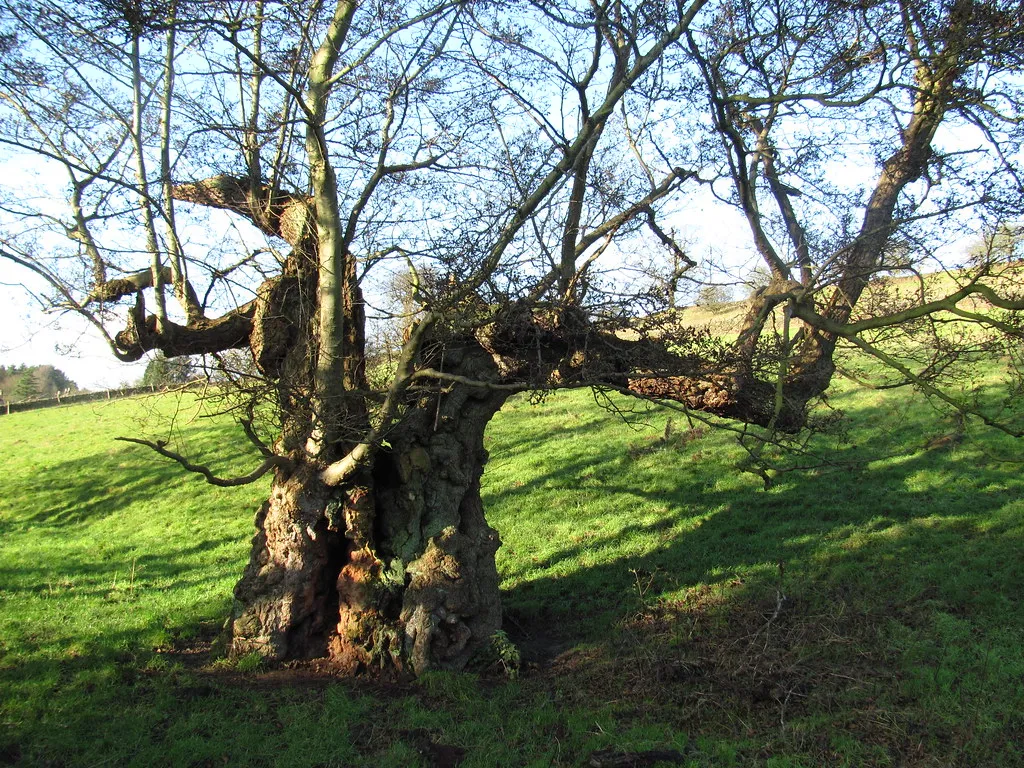
Live trees are able to limit wood decay by walling off and compartmentalizing decay fungi, but this can vary between different species and individuals. Older trees and those already stressed by drought, root damage, or previous wounding tend to compartmentalize less effectively, which is why ancient urban trees often carry more internal decay than their outward vigor suggests.
Hollow Doesn’t Always Mean Dangerous

This is the finding that surprises most people. Research indicates that it is not possible to conclude unequivocally that the presence of hollows in aged trees significantly increases the risk of falling. According to safety factor results from sonic tomography and pulling tests, no correlation was demonstrated between the presence of hollow trees and an increase in risk class.
The highest proportion of hollow trees, roughly 89%, was in the low risk group for trunk fracture and uprooting. What matters is not simply whether a hollow exists, but how much sound wood remains as a structural shell around it. A large hollow surrounded by thick, solid wood is a very different situation from a thin-shelled cavity near the base of the tree.
In general, trees affected by wood-decaying fungi cannot be considered risky prior to determining the impact of the fungi on their structural integrity. This is precisely why professional evaluation, rather than a visual guess, is essential before any removal decision is made.
Reading the Warning Signs Before You Tap
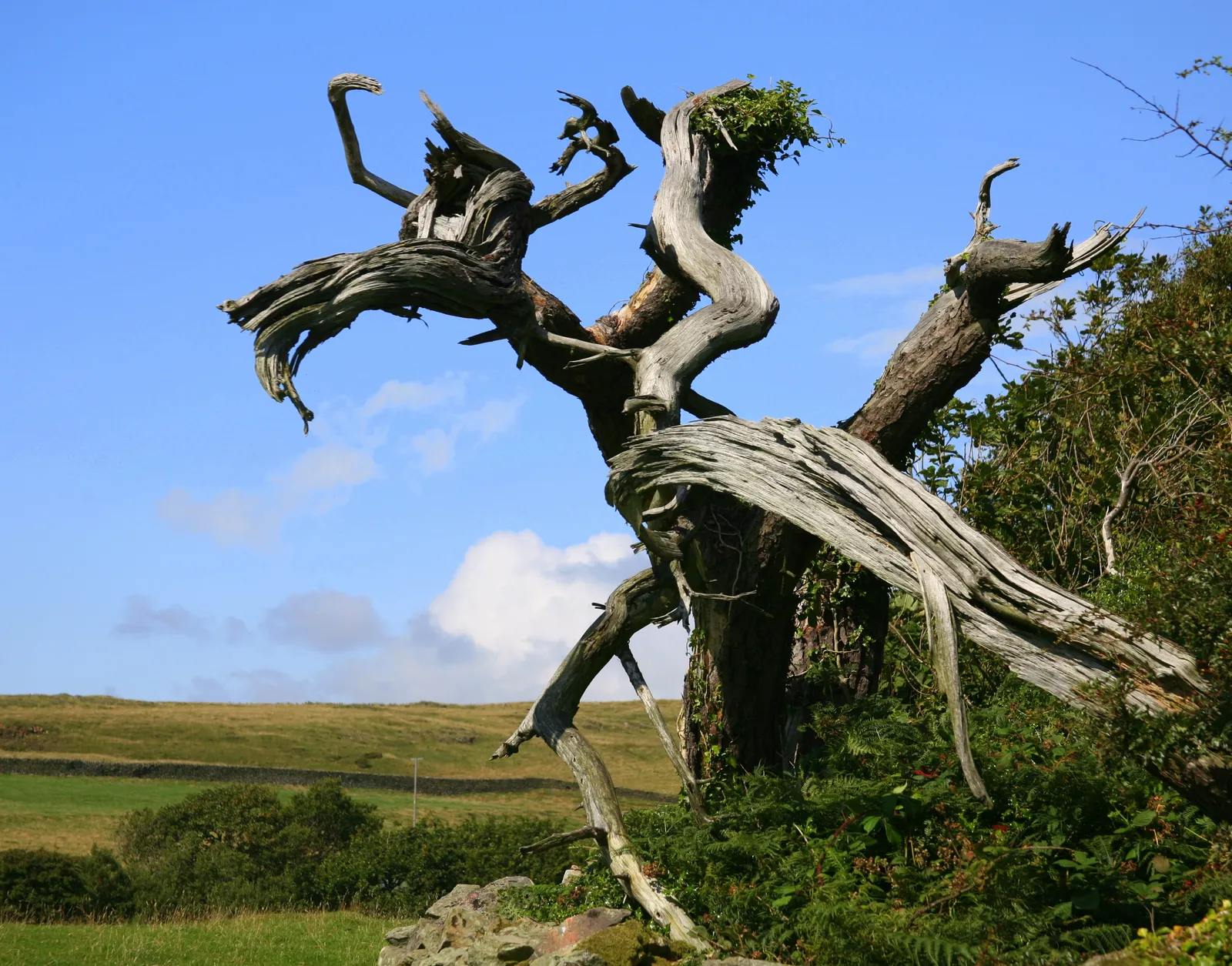
The mallet test doesn’t exist in isolation. Arborists look for surface clues that point them to exactly where on the trunk to listen. Fungal fruiting bodies on the trunk or buttress roots, and cavities or hollow sections that have already developed, are key indicators that a closer assessment is warranted.
Root and butt rots are of particular importance in hazard tree assessment since they frequently result in total tree failure when the damaged root system or tree base can no longer support the weight of the tree. Failure can occur during windy conditions, after extensive rains, or unexpectedly on a calm day. A hollow resonance near the base of a tree, combined with any of these visual signs, is a combination that should never be dismissed lightly.
The Takeaway
That hollow knock when you tap a tree trunk is not merely an interesting curiosity. It is one of the few moments when a hidden biological process makes itself heard, literally. The science behind it, from the physics of stress wave propagation to full acoustic tomography imaging, has grown considerably over the past few decades.
The critical insight that research consistently reinforces is that decay severity cannot be judged by what a tree looks like on the outside, and it cannot always be judged by ear alone. A hollow sound is a question, not an answer. The answer requires trained evaluation, the right instruments, and an understanding that a quiet, resonant thud from an old oak is the tree’s own way of asking to be looked at more carefully.
AI Disclaimer: This article was created with the assistance of AI tools and reviewed by a human editor.