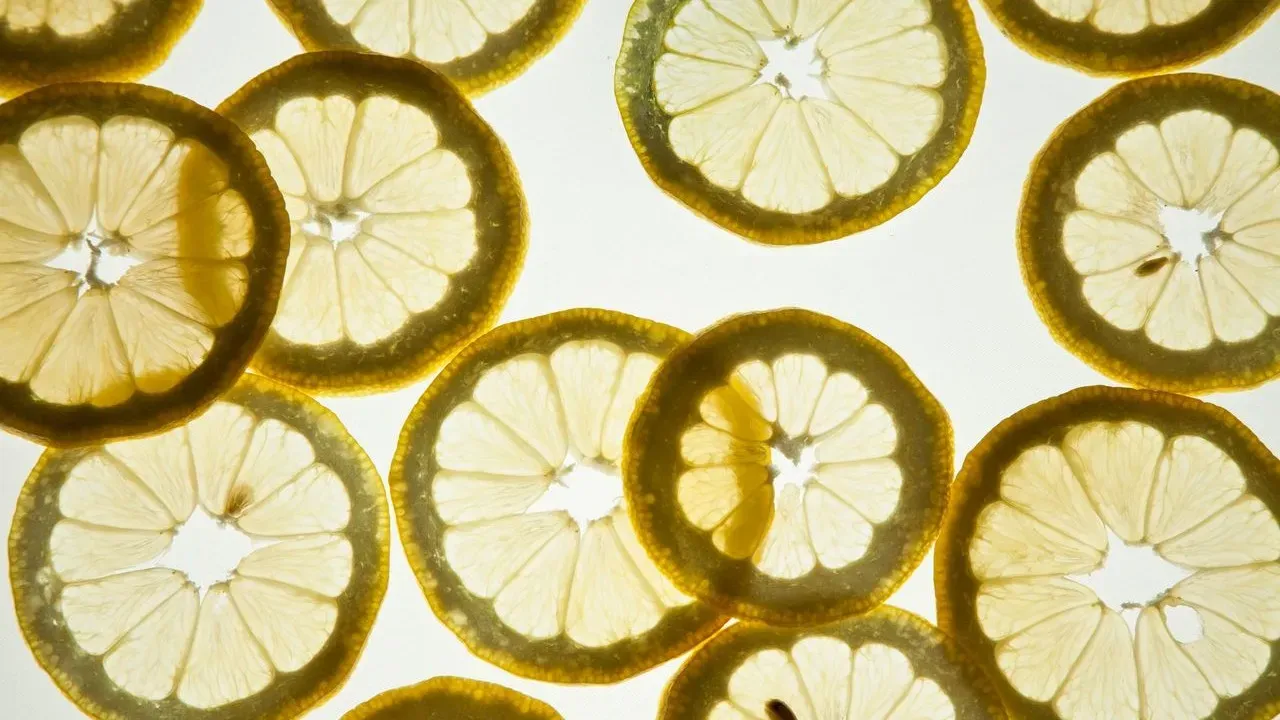

Many households discard lemon peels without a second thought once the fruit is juiced. Yet these scraps hold practical value for everyday tasks in the kitchen and beyond. A few simple steps turn them into a light scent booster or a gentle wipe for compatible surfaces. The original guidance comes from detailed household testing shared at ([1]).
A Quick Simmer for Fresh Scent
Placing peels from one or two lemons in a small pot of water and keeping the mixture at a low simmer releases a clean citrus aroma that fills the room. Adding a bay leaf or cinnamon stick can enhance the effect without extra cost. The method works best when someone remains nearby to monitor the pot and top up the water as needed. Safety reminders from fire prevention sources stress the importance of staying in the home and using a timer during any stovetop simmering.
Drying Peels for Later Use
Properly dried peels store well and provide a mild fragrance in drawers or future simmer mixes. Scrub the fruit first, remove only the thin outer layer, and dry at around 140 degrees until crisp. Store the pieces in airtight containers in a cool, dark spot where they last several months. Soft or damp peels should be skipped to prevent mold.
Loosening Microwave Messes and Other Tasks
Heating lemon peels with water in the microwave can help loosen baked-on splatters, though the approach works best as a supplement to standard cleaning. Small amounts of peel also break down in compost bins when cut into pieces and added sparingly. A final light wipe on washed fridge shelves can leave a subtle scent once the main cleaning and sanitizing steps are complete.
One Surface That Needs Caution
Lemon peel water remains too acidic for natural stone surfaces such as granite, marble, quartz, or soapstone. Manufacturers and extension services advise against acidic cleaners on these materials because they can etch or dull the finish over time. Always test any homemade solution on a hidden spot and follow the surface maker’s care instructions. Compatible counters receive only a light wipe followed by a clean damp cloth and thorough drying.
Simple Preparation Steps
Wash the lemon thoroughly under running water before peeling. Simmer or steep the peels in water, then strain and use the liquid the same day for best results. No preservatives are present, so fresh batches avoid any risk of spoilage. The approach pairs well with soap and water for actual cleaning rather than replacing it. Lemon peels represent a small, no-cost resource that fits naturally into regular home routines. With the right precautions, they add a touch of freshness while reducing waste.
AI Disclaimer: This article was created with the assistance of AI tools and reviewed by a human editor.