

Winter storms have a way of arriving faster than forecasts suggest. One hour you’re watching flurries, the next the power is out, the roads are glazed, and your phone is down to twenty percent. The season between October and March consistently produces some of the most disruptive weather events in North America, and the past two years have underscored just how serious that disruption can become.
Consider what happened in January 2026. Winter Storm Fern was a record-breaking event producing widespread ice and heavy snow across much of the central and eastern United States, leaving more than two million people without power across ten states. Tragically, 174 fatalities were attributed to the storm, making it one of the deadliest winter storms in modern U.S. history. These numbers aren’t meant to alarm, but they do make a clear case for preparation. Here are the six items every home genuinely needs before the first storm hits.
1. An Emergency Water Supply
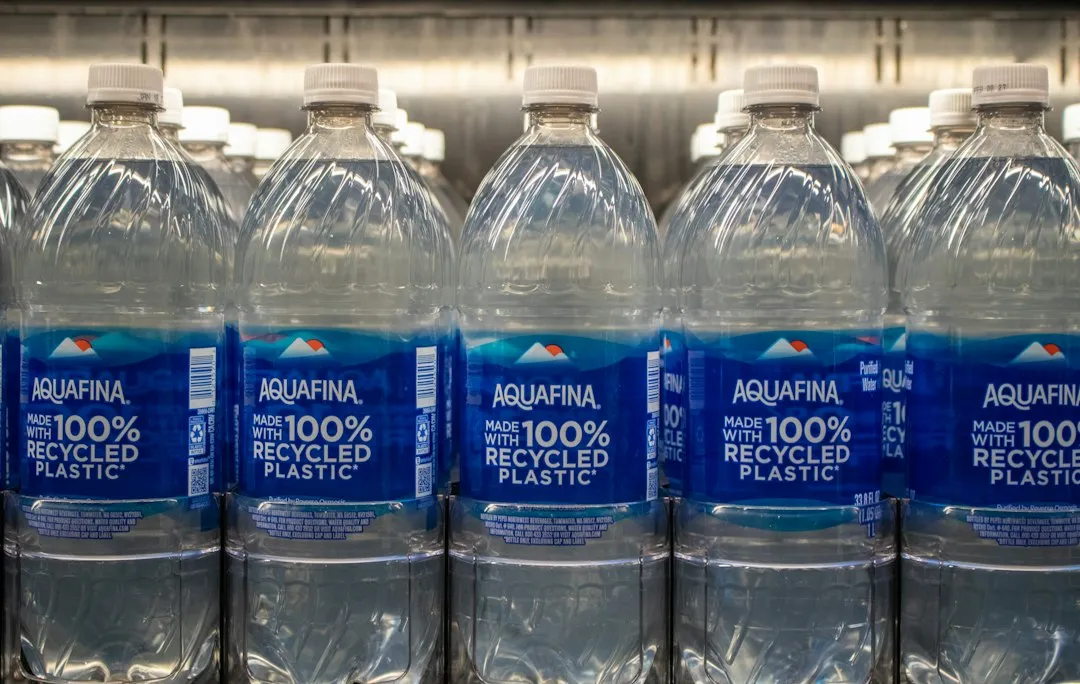
Water is the one resource most people take for granted until they suddenly don’t have it. When a winter storm knocks out power, it can also disrupt municipal water and sewer systems, creating a significant sanitation challenge. Pipes that freeze and burst are another common culprit, cutting off supply without warning.
Experts recommend at least one gallon of bottled water per person per day for at least three days. That calculation should include pets. Fill a bathtub as a backup reserve once a storm warning is issued, since that water can be used for flushing toilets or basic washing even if it isn’t safe to drink.
2. Non-Perishable Food That Requires No Cooking

A power outage turns a working kitchen into a cold, dark cabinet. Planning your food supply around that reality is the smartest move. When preparing for winter weather, stock up on shelf-stable foods that require little or no refrigeration. Canned vegetables, soups, and pastas can last one to five years. Jerky, energy bars, and shelf-stable juices typically stay fresh for up to a year unopened. Nut butters like peanut butter can last around six months at room temperature and offer a reliable source of protein.
A manual can opener is an absolute necessity, as electric models will be useless without power. Stock enough for at least three full days per person in the household. People with specific dietary needs, medications that require food, or young children should plan for those requirements separately.
3. Flashlights, Batteries, and a Battery-Powered Weather Radio
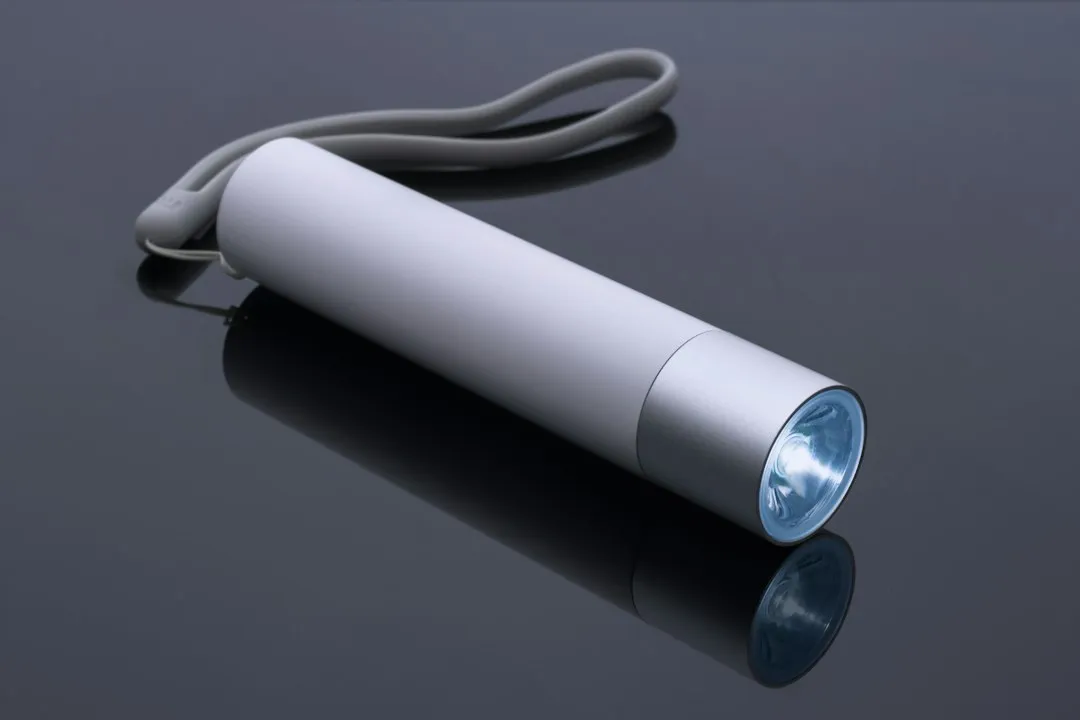
When the lights go out, a phone flashlight is fine for the first ten minutes. For anything longer, you need dedicated lighting that won’t drain the device you’re also using to check weather updates. Vital items include flashlights with extra batteries and a battery-powered radio. These are two separate tools doing two very different jobs, and both matter.
To stay informed in the event of a power and telephone service outage, a battery-powered NOAA weather radio and a portable radio are essential. NOAA broadcasts continuous updates about storm progression, road closures, and emergency shelter locations, none of which require internet access. Keeping a spare set of batteries in a sealed bag alongside these devices keeps everything organized when you’re searching in the dark.
4. Thermal Blankets and Warm Layering Supplies

Home heating systems depend on electricity or fuel delivery, both of which winter storms can interrupt for days at a time. The January 2026 storm brought over two feet of snow to some locations in New Mexico and New England, and the ice storm impacts led to widespread power outages lasting for up to a week in some locations. Staying warm without a working furnace requires preparation, not improvisation.
Having materials like thermal blankets and weatherstripping on hand isn’t just for comfort; it’s a fundamental safety measure. High-quality emergency blankets can reflect up to ninety percent of radiated body heat, making them an essential tool for personal warmth. Ensure you have at least one high-quality sleeping bag or several thermal blankets for every person in the household. Warm socks, wool layers, and hats should be easily accessible, not buried at the back of a closet.
5. A Well-Stocked First Aid Kit
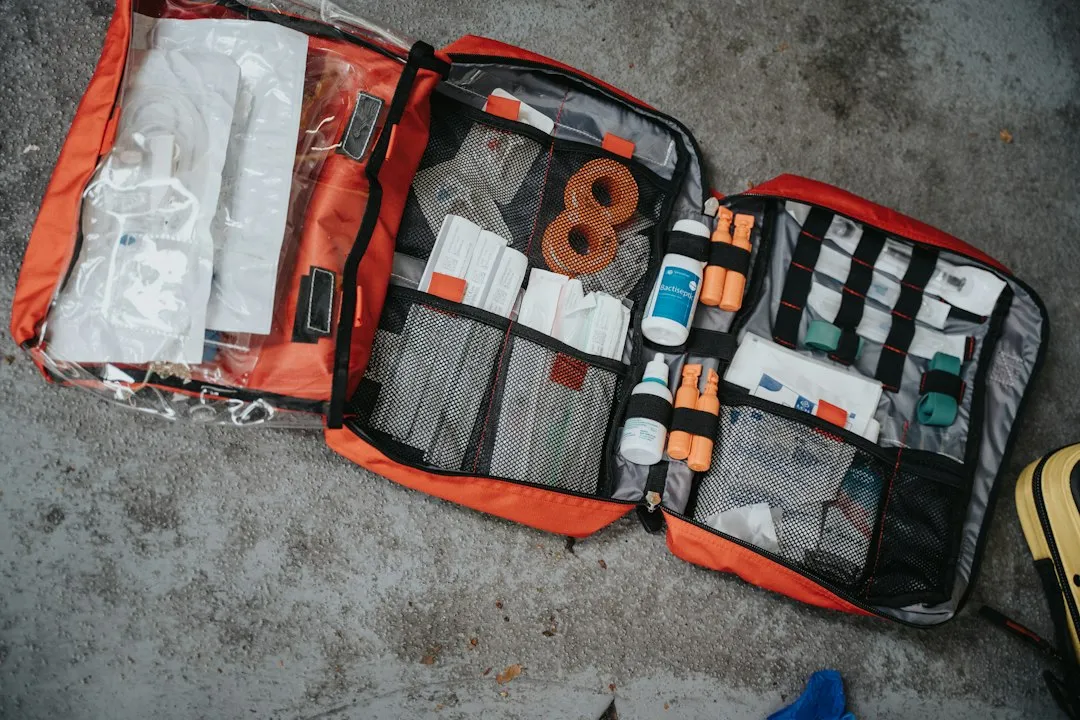
Storm conditions make reaching emergency services slow, difficult, or sometimes impossible. Access to medical care can be severely limited during a widespread power outage or severe weather event, so a comprehensive first-aid kit is a non-negotiable component of emergency preparedness. Slippery driveways, icy stairs, and frozen pipes all create injury risk right at home.
A stocked first-aid kit should include bandages, over-the-counter medications like acetaminophen and ibuprofen, a thermometer, antibiotic ointment, gauze, tweezers, cotton swabs, hand sanitizer, alcohol swabs, and adhesive tape. Regularly check the expiration dates on all medications and replenish supplies as needed. Anyone in the household who takes prescription medication should keep at least a week’s worth on hand before storm season begins in earnest.
6. Carbon Monoxide Detectors and Generator Safety Knowledge
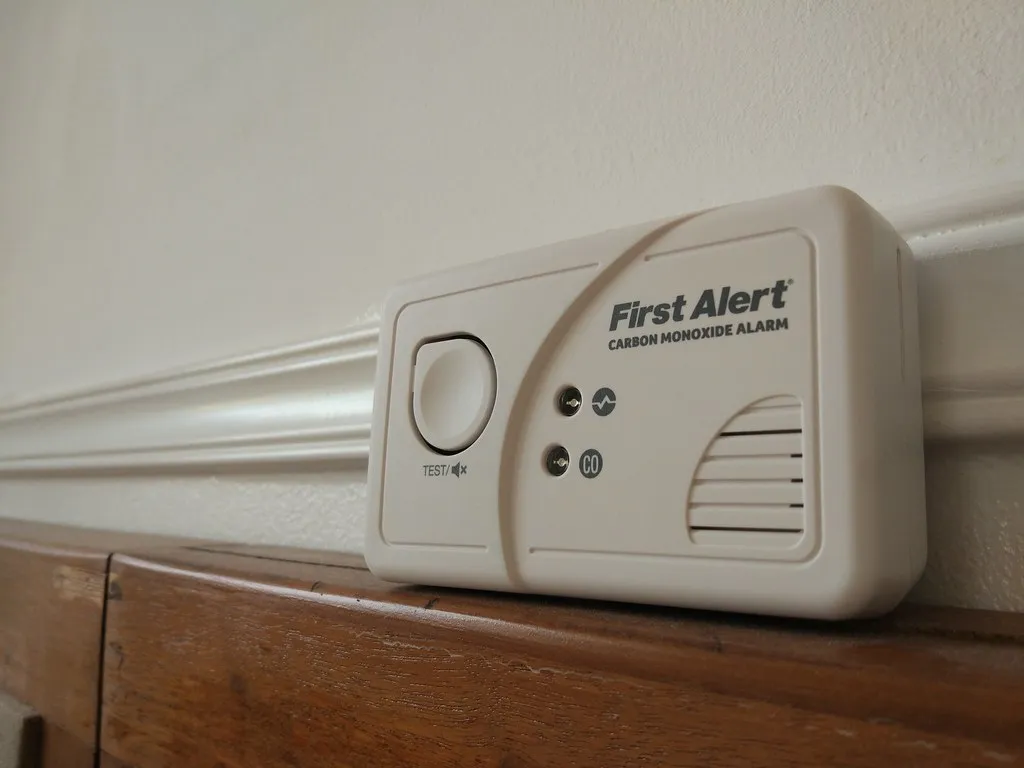
This one saves lives and is consistently underestimated. When power goes out during a severe storm, people reach for portable generators, gas stoves, and space heaters in ways they normally wouldn’t. That combination, indoors and in cold weather, creates serious risk. An average of nearly 100 people die in the U.S. each year from CO poisoning caused by portable generators, according to the CPSC.
Carbon monoxide is called the invisible killer because it is colorless and odorless. Exposed persons may become unconscious before experiencing CO poisoning symptoms of nausea, dizziness, or weakness, and it can lead to death. Generators should be placed outside, more than twenty feet away from the home, doors, windows, and vents that could allow carbon monoxide to come indoors.
Models certified to the latest PGMA G300-2018 and UL 2201 safety standards are estimated to reduce deaths from CO poisoning by 87 percent and 100 percent respectively. A working carbon monoxide detector, installed on every level of the home and near sleeping areas, is the most reliable safety net you can have. Test it before the season starts, not after the storm arrives.
Bonus: Weatherproofing Supplies for the Home Itself
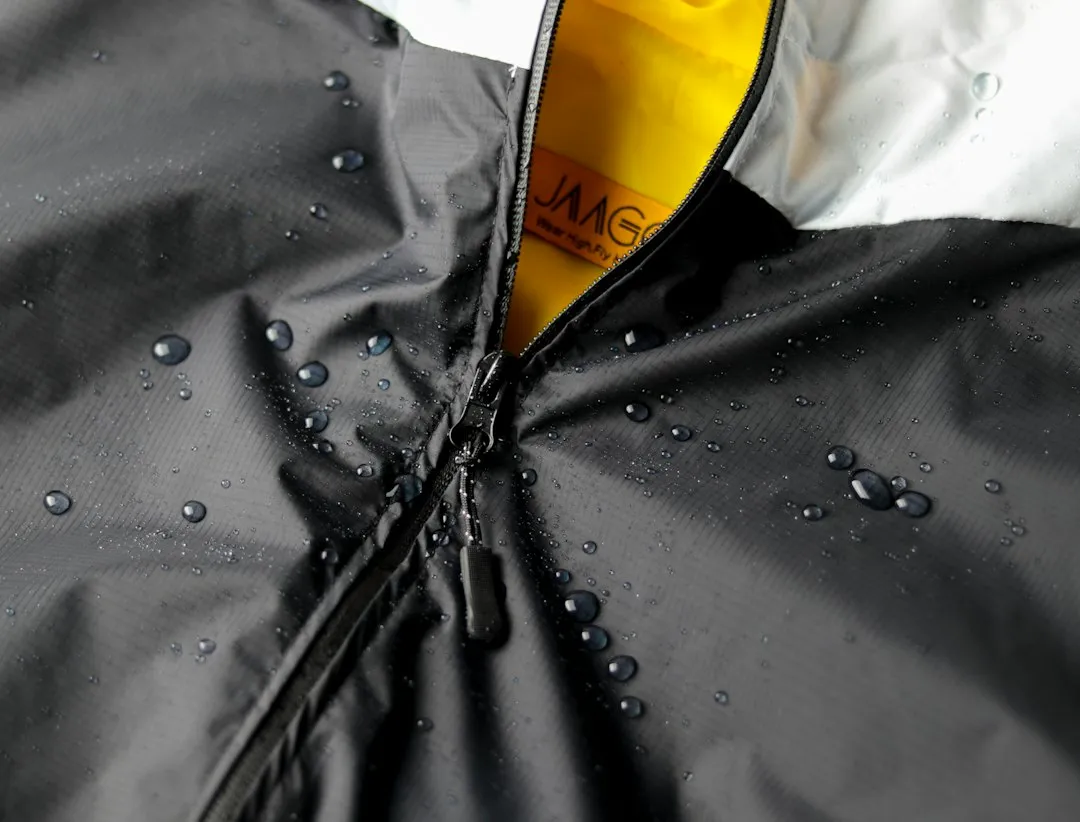
This isn’t one item exactly, but it’s worth treating as its own category. Sealing gaps around windows and doors using weatherstripping or caulking, and installing thermal curtains, adds an extra layer of insulation during cold snaps. Insulating exposed pipes and installing pipe insulation sleeves can prevent freezing and rupture.
A burst pipe during a winter storm causes a different kind of crisis entirely, since water damage compounds quickly when repair crews can’t reach you. Simple foam insulation sleeves from a hardware store cost very little and take about twenty minutes to install. That’s a reasonable investment for something that could spare thousands of dollars in damage.
Power and Backup Energy Sources
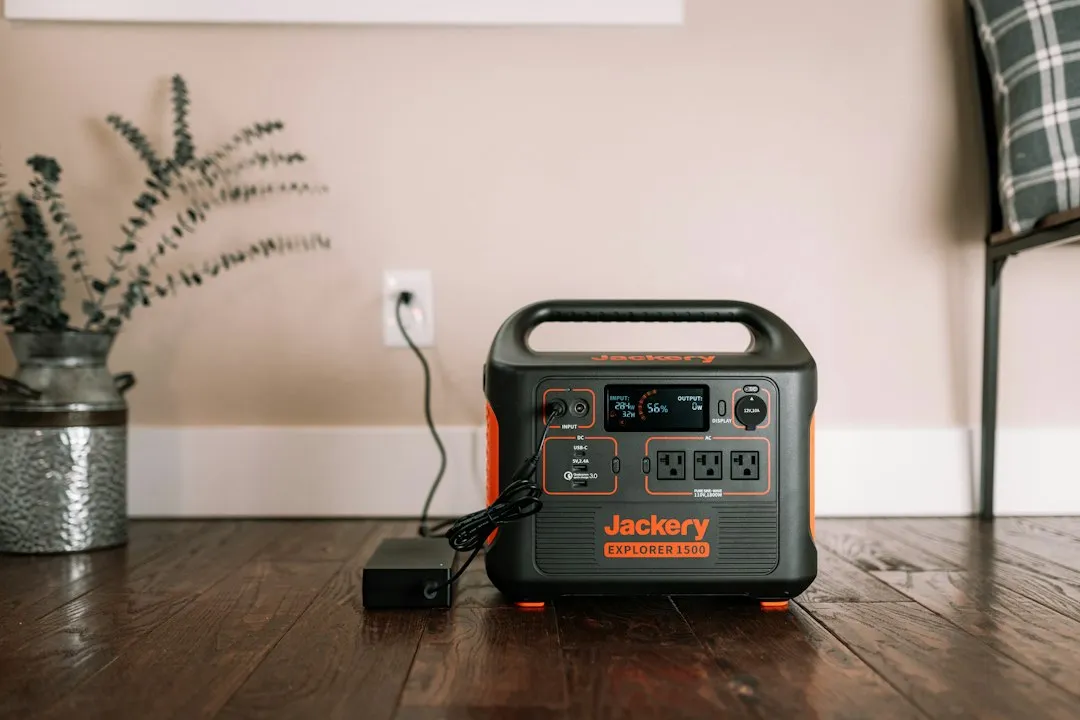
True resilience during an extended winter outage comes from having a layered system of power. Redundant sources like battery banks, generators, and alternative storage are essential components. When the grid is down for an unknown duration, these systems ensure you can power everything from critical medical devices and refrigerators to lights and communication tools.
Portable power stations that charge via solar or wall outlet have become genuinely practical options in recent years. They’re quieter than gas generators, carry no CO risk, and can run LED lights, phone chargers, and small fans without any fuel. They won’t power a furnace, but for lighting and communication during a two to three day outage, they’re more than enough.
Sanitation and Hygiene Supplies
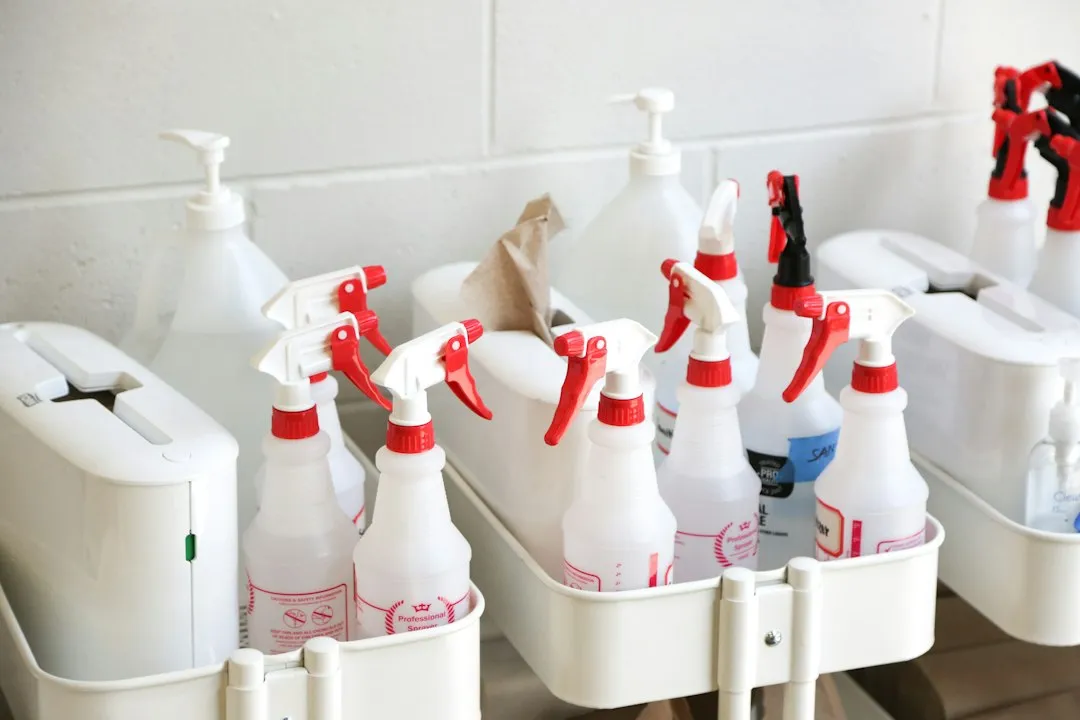
Most preparedness lists undervalue this category, and most families realize the gap only when it’s too late. When a winter storm knocks out power, it can also disrupt municipal water and sewer systems. Without running water or flushing toilets, homes can quickly become unhygienic, increasing the risk of illness.
Stock antibacterial wipes, hand sanitizer, garbage bags, and if needed, a portable camping toilet or bucket system with sanitation chemicals. These items are inexpensive and take minimal storage space. A few dollars spent now avoids a significant problem later.
Pet and Family Specific Needs
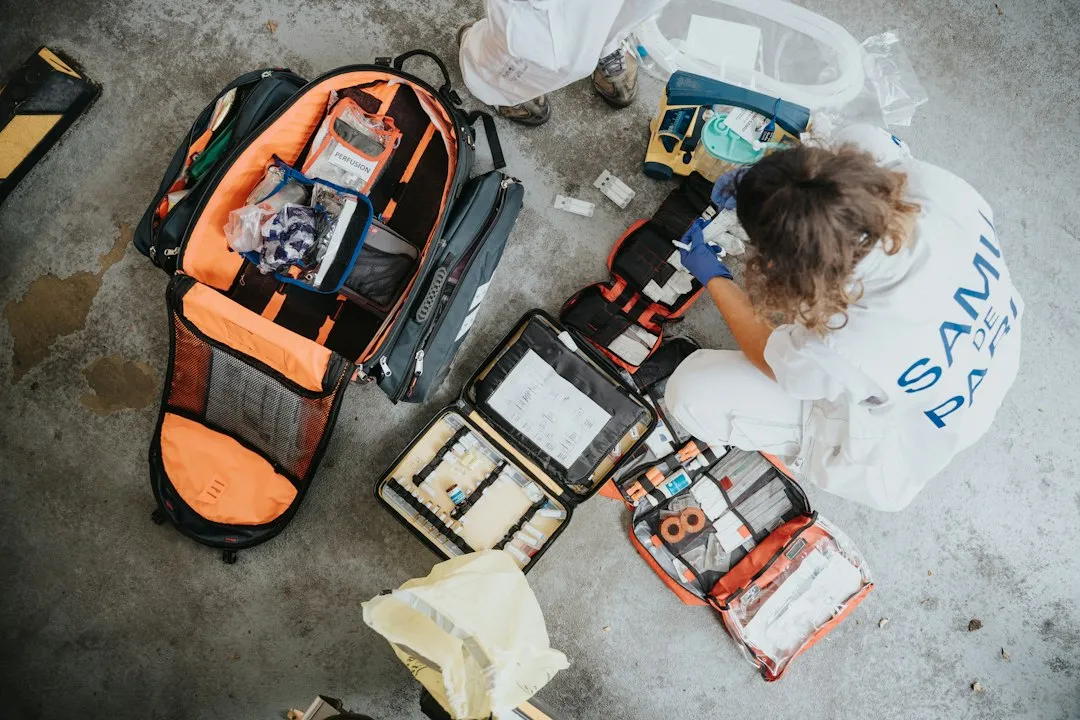
A preparedness plan that doesn’t account for everyone in the household isn’t really a complete plan. If you have a baby, stock diapers and formula, and if you have pets, make sure to keep pet food and warm shelter to keep them safe. Animals lose body heat faster in unheated homes, and their needs during a multi-day outage are real.
Make sure to tailor your kit to your family’s specific needs, such as medications or supplies for pets. Think through any scenario where a family member might need special food, mobility assistance, or medical equipment during a prolonged outage. Those specific items belong in the emergency kit just as much as the generic ones.
The Real Takeaway
The storms of 2024, 2025, and early 2026 collectively reminded millions of Americans that preparation is not optional. The early March 2025 North American blizzard alone caused more than 423,000 power outages and an estimated 2.5 billion dollars in damage. The gap between households that weathered those events relatively safely and those that didn’t often came down to a few practical items that anyone can buy before the season starts.
None of the six core items on this list requires a large budget or specialized knowledge. They require only the quiet acknowledgment that winter weather is genuinely unpredictable, and that a few hours of preparation in October is worth more than a frantic scramble during an ice storm in January. The first storm of the season has a way of arriving before you feel ready. The goal is to already be ready when it does.
AI Disclaimer: This article was created with the assistance of AI tools and reviewed by a human editor.