

Most drivers spend years behind the wheel without ever really looking at what’s inside their own trunk. Not the jumper cables or the spare tire, but something much smaller. Near the latch, in the dark interior of nearly every modern car, there’s a small handle or tab that glows. Most people drive past it every day without a second thought.
It’s not a gimmick or a dealer add-on. It has a very specific, very serious purpose, and the story behind it is more dramatic than you’d expect from a tiny piece of phosphorescent plastic.
What the Handle Actually Is
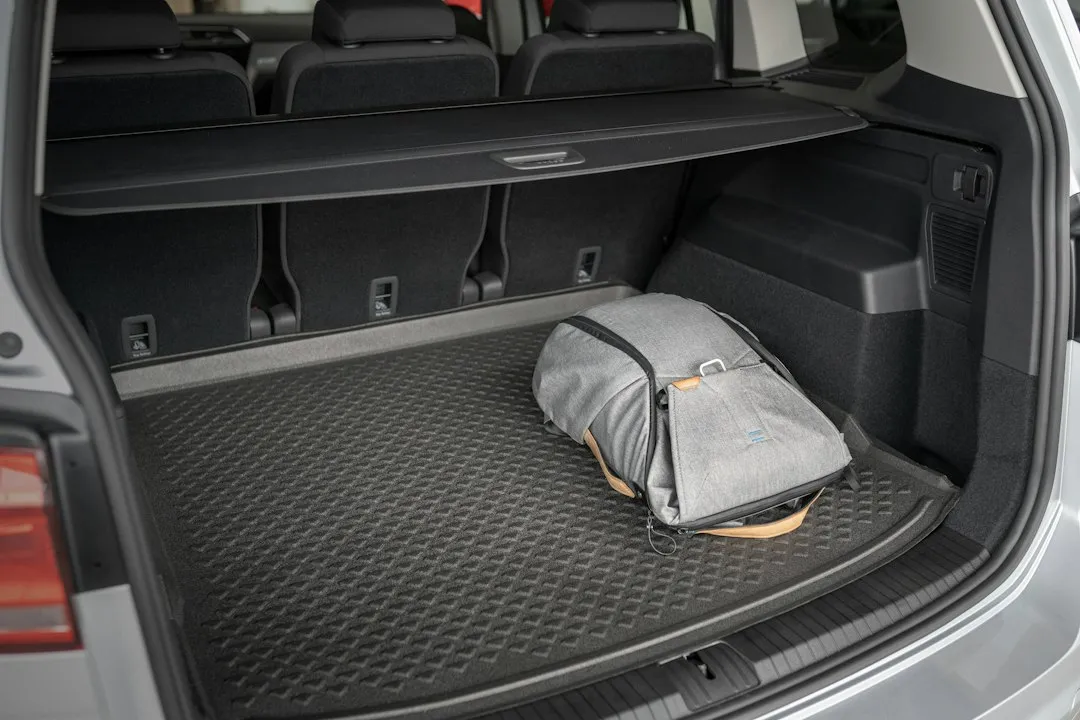
The reason for these illuminating handles is practical, if grim: they’re an emergency release designed to open the trunk if someone is stuck or trapped inside. Cars with trunks, like sedans or two-door sports coupes, have this small handle on the inside that glows in the dark, allowing anyone trapped inside to release the latch and escape, even in total darkness. It operates with a simple pull, no tools, no keys, and no electricity needed.
It’s Been Required on Every New Car Since 2002

A mandate in 2002 required all cars to feature a standard glow-in-the-dark trunk-release lever, which opens the trunk from the inside in the event of an emergency. The rule came into effect on September 1, 2001, with the option for car manufacturers to comply early from October 20, 2000. This means if you drive anything built after that year, there’s almost certainly one in your car right now.
The Science Behind the Glow
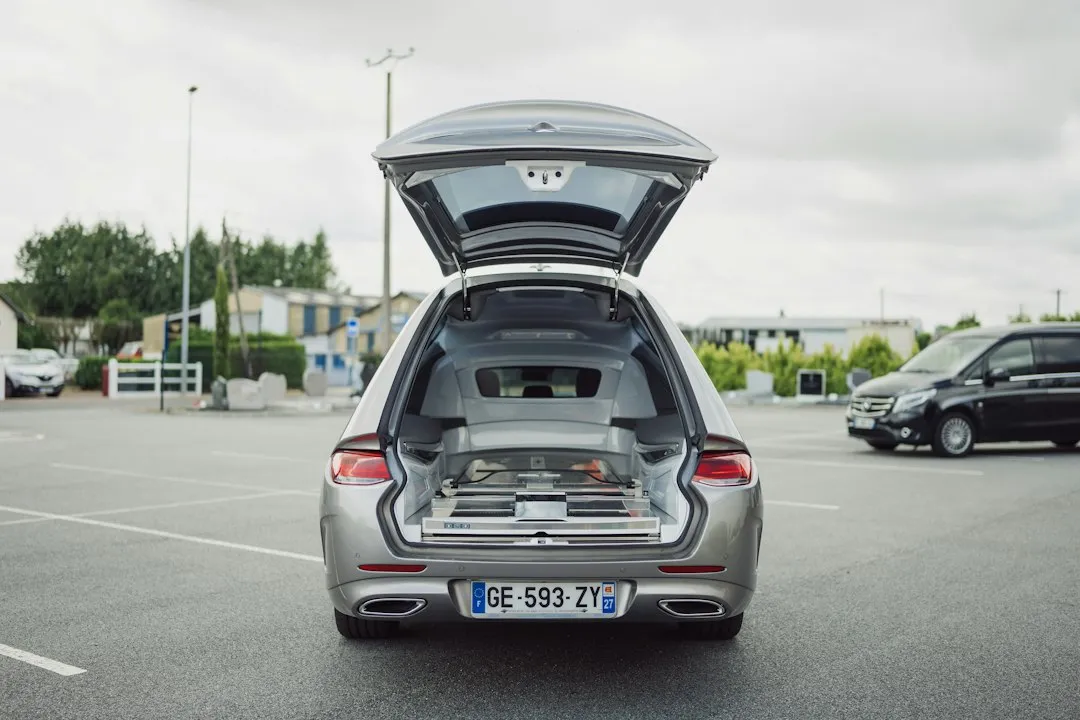
The handle has a phosphorescent glow-in-the-dark additive, so it needs no electrical power. It’s quick-charging, requiring only about ten seconds of garage light to glow visibly inside a closed trunk. The glow is very long-lasting, reaching up to eight hours when fully charged. Some automakers also incorporate a small window in the trunk lid to allow outside light to reach the handle continuously, so the glow stays active even during extended nighttime drives.
The Shape Is Deliberate Too

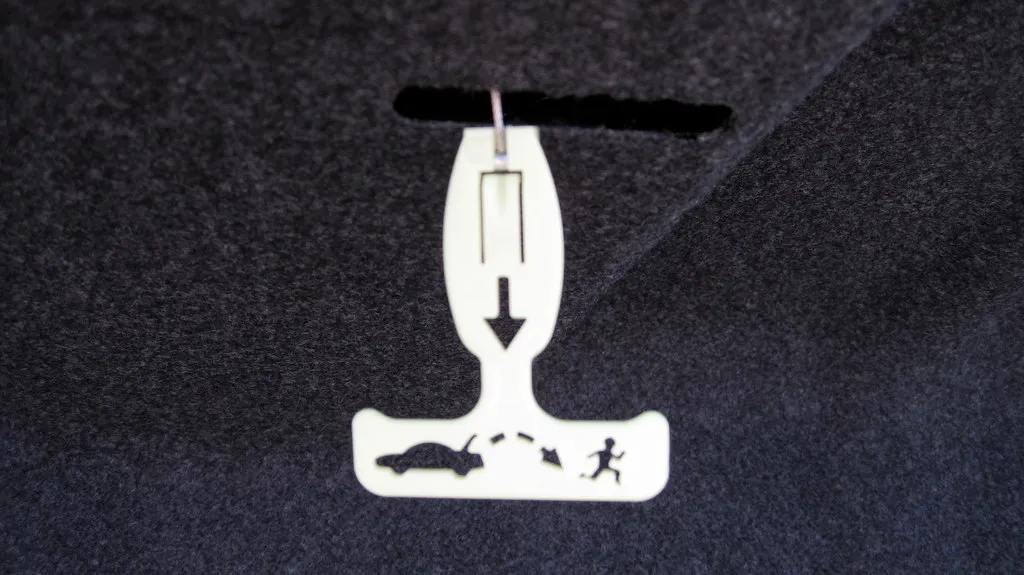
Ford’s inside trunk release is cable-operated with a T-shaped handle, sized for a child’s hand and made of polypropylene. The graphics explaining the use and function of the handle are displayed by cutting out material from the handle itself. Forming the handle from phosphorescent plastic means the cut-out graphics show as darkened areas, providing a high degree of visibility in the dark confines of an automobile trunk. The design was tested specifically on young children to ensure it was recognizable and usable under stress.
A Kidnapping Changed Everything
In 1995, Janette Fennell and her husband were kidnapped at gunpoint, forced into the trunk of their car, and driven to a secluded location where they were assaulted, robbed, and left for dead. Her husband managed to find the cable that ran from the key lock to the trunk release and opened the trunk. They called the police who found their son in his car seat, unhurt, outside their home. That terrifying experience became the spark for one of the most consequential automotive safety campaigns in recent history.
One Woman Pushed the Government to Act

After trauma counseling, Fennell vowed to do everything in her power to make sure people could no longer be locked helplessly inside a car trunk. She formed the advocacy organization TRUNC, the Trunk Releases Urgently Needed Coalition. She gathered her own data and found more than 1,000 victims of trunk entrapment over several decades, including more than 300 deaths and dozens of children who entered the trunk innocently, became trapped, and died. Her persistence paid off when a federal regulation was issued and an internal trunk release mechanism became standard equipment in all vehicles model year 2002 or newer sold in the United States.
The Problem Had Been Raised Long Before

The NHTSA had actually been petitioned as far back as 1984 about the need for a release switch to be incorporated into the trunks of passenger cars, noting that persons such as alarm and stereo installers, mechanics, playful children, pranksters, and crime victims may be trapped in the trunk. The petitions sat largely unaddressed for over a decade. It took a survivor’s direct advocacy, along with compiled evidence and congressional attention, to finally move the process forward.
The Death Toll Before the Mandate

As many as 20 people died each year while trapped in a car trunk, where temperatures can rapidly rise to deadly levels. Some were kidnapping victims, and others were children who became trapped inside while playing. Available federal data indicated there were 21 deaths in 11 incidents of inadvertent trunk entrapment from 1987 to 1999 alone, and that figure likely undercounts cases that were never recorded or misclassified. The heat factor is often overlooked: a closed trunk can reach dangerous temperatures within minutes, even on a mild day.
The Handle Has a Perfect Safety Record

Glow-in-the-dark internal trunk release mechanisms are required inside the trunks of all vehicles model year 2002 or newer. There have not been any deaths in the trunk of a car that has an inside trunk release. Since it was mandated, federal safety reports show that there hasn’t been a single documented trunk-related fatality in a car with one installed. That record makes it one of the quieter but more complete successes in modern vehicle safety regulation.
Older Cars Remain a Risk

Now that interior release handles are mandatory, most trunk entrapment incidents happen in older cars, which aren’t equipped with release handles. If you are buying or driving a car made before 2002, it’s worth checking whether it’s equipped with an interior trunk-release handle. If not, installing an aftermarket emergency trunk release and teaching your family how to use it is a reasonable precaution. Pre-2002 vehicles are still on the road in significant numbers, and this remains a real, if underappreciated, safety gap.
What to Do if You’re Ever Trapped

Emergency trunk releases are designed to be as simple to use as possible. Just find the glowing handle and pull; the trunk latch will release, freeing whoever is stuck inside. Some fancier cars have green illuminated buttons, but they work the same way. Knowing where the handle is before you ever need it takes about five seconds. Opening your trunk and looking for it the next time you’re at the car is genuinely worth doing, especially if you have children who ride with you regularly.
The Takeaway

A small piece of glowing plastic in the back of your car carries a surprisingly heavy history. It exists because people died without it, because a survivor refused to let that continue, and because a years-long push through federal bureaucracy eventually worked. The answer was simple: a small, two-inch glow-in-the-dark plastic internal trunk release.
Simple solutions to serious problems don’t always get the recognition they deserve. This one earned it.
AI Disclaimer: This article was created with the assistance of AI tools and reviewed by a human editor.