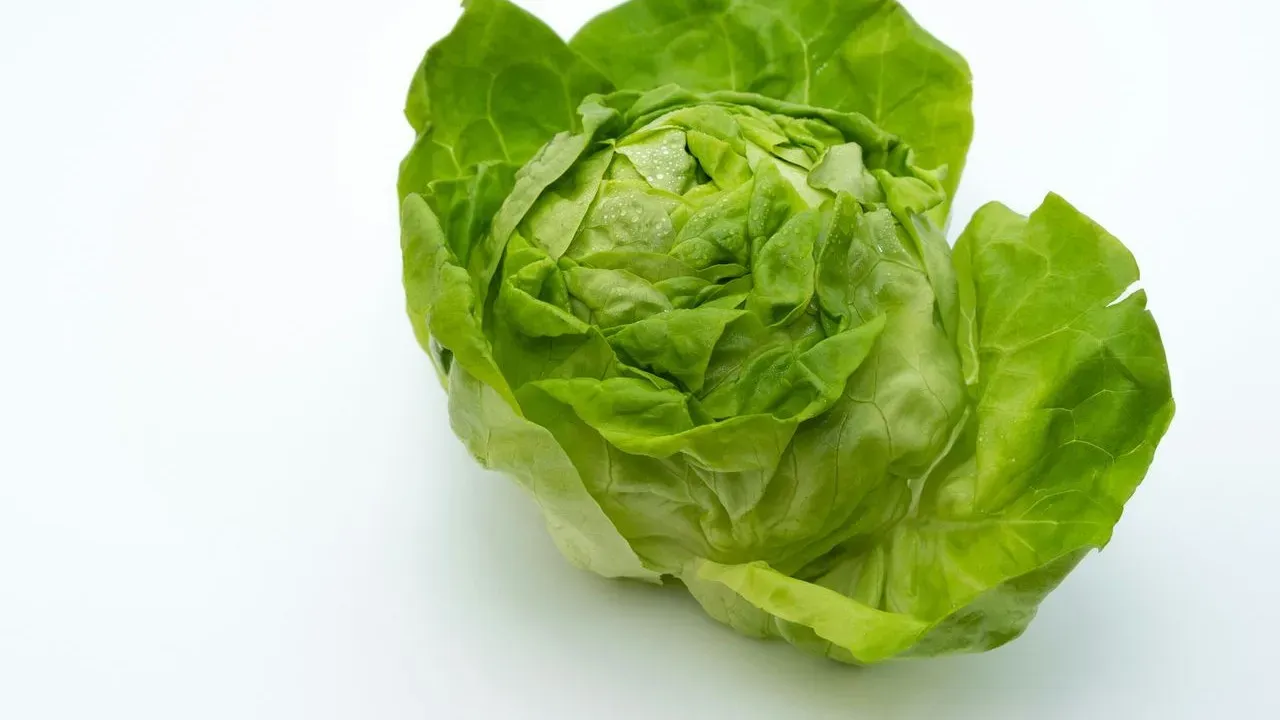

Many gardeners watch promising rows of lettuce shift from tender leaves to tough, bitter plants almost overnight. The change often arrives with a stretch of warmer weather, leaving planned salads inedible. This common shift, called bolting, stems from the plant’s natural response to conditions it reads as unfavorable.
What Triggers the Change
Bolting occurs when lettuce stops producing leaves and instead sends up a central stalk to flower and set seed. The leaves toughen and develop a sharp bitterness from increased milky sap. The process is not a disease but a survival response triggered by rising temperatures, lengthening days, soil stress, or simply the plant reaching maturity. Daytime highs above roughly 75 to 80 degrees Fahrenheit commonly prompt the reaction in many varieties. Dry spells, root disturbance, overcrowding, and sudden temperature swings add pressure that accelerates the shift. Even well-tended plants will eventually bolt if left in the ground too long.
Choosing Varieties and Timing Plantings
Selecting bolt-resistant cultivars offers one of the most reliable starting points. Varieties labeled slow-bolt, heat-tolerant, or summer crisp tend to hold longer before flowering. Loose-leaf types generally outperform tight-heading types in warmer conditions, and options such as Buttercrunch, Black Seeded Simpson, or certain red-leaf strains perform consistently for many growers. Planting schedules matter as much as genetics. Early spring sowings establish strong roots before heat arrives, while late-summer or early-fall plantings benefit from steadily cooling weather that often keeps leaves sweeter. In hotter regions, treating lettuce strictly as a cool-season or winter crop avoids the most stressful months altogether. Succession sowing every two weeks spreads risk and maintains a steadier supply rather than one large crop that all matures at once.
Protecting Plants Through Daily Care
Shade, consistent moisture, and soil cover reduce stress that hastens bolting. Morning sun followed by afternoon shade works well; taller neighboring crops or simple shade cloth can lower temperatures around the plants by several degrees. Even temporary covers during peak heat help without depriving the crop of necessary light. Even watering keeps shallow roots from swinging between dry and saturated states. Deep, regular applications that maintain light moisture in the top inches of soil, preferably in the morning, limit stress. Mulching with straw, shredded leaves, or grass clippings further stabilizes soil temperature and moisture while suppressing weeds that compete for resources. Healthy, uncrowded spacing and moderate soil fertility also support steady leaf growth instead of premature flowering.
Harvesting and Managing Bolted Plants
Picking methods influence how long plants remain productive. The cut-and-come-again approach, removing outer leaves while leaving the center intact, encourages continued leaf production. Morning harvests capture leaves at their crispest, and pulling entire plants early when heat threatens can salvage a usable crop before bitterness sets in. Once a stalk appears, reversal is rarely possible. Early-stage leaves may still be usable after a cold-water soak, yet fully bolted plants are best removed or left for seed saving and pollinators. The freed space can then host a quick follow-up crop suited to the season. Practical steps such as resistant varieties, careful timing, shade, steady moisture, and succession planting extend the window for tender lettuce. These measures do not eliminate bolting entirely, yet they reliably lengthen the period of usable harvests for cool-season plantings.
AI Disclaimer: This article was created with the assistance of AI tools and reviewed by a human editor.