
Phone scams impersonating banks have become one of the most damaging forms of consumer fraud in recent years. Americans lost $3.5 billion to impersonation and imposter scams in 2025, according to the FBI. That figure has been climbing steadily, and it shows no sign of leveling off.
Bank impersonation scams increased roughly one hundred and fifty percent from 2024 to 2025. The calls have gotten more convincing, the scripts more polished. Knowing what a real bank would never actually say is one of the most practical defenses you can have.
1. “We Need to Verify Your Password or PIN Right Now”

A legitimate bank will never contact you to verify personal or financial information or ask for your account password. This is a firm rule across the industry, not just a best practice. If you called your bank yourself, they might confirm partial details to establish that you are who you say you are. The direction of that request matters enormously.
You should never share sensitive information like your bank password, PIN, or a one-time login code with someone who calls you unexpectedly, because banks may need to verify personal information if you call them, but never the other way around. The moment a caller asks for credentials in an outbound call, the conversation is no longer with your bank.
2. “Please Read Me That Verification Code We Just Sent You”
This is one of the most insidious tactics in use today, and it has become increasingly common. That six-digit code isn’t verifying your identity – it’s authorizing the scammer’s login attempt, and once you share it, you unknowingly give the fraudster the access they need. The text message containing the code often even includes a warning saying not to share it with anyone, including your bank.
A one-time passcode sent to your phone or email exists to prove the person logging in has physical access to your device, and anyone on an incoming call asking for it is trying to break into your account in real time. Real banks build these codes specifically so no human employee ever needs to ask for them.
3. “You Need to Transfer Your Money to a Safe Account”
Banks will never call you to ask you to transfer your money to another account, because criminals may tell you to move your money to protect it, but doing so moves your money into their account and you may never get it back. This particular script is devastatingly effective because it taps into a very natural impulse: protecting what’s yours.
Your financial institution may help you protect your account, review suspicious activity, block a card, or take steps to secure your information, but they will not ask you to move money to a stranger’s account or a secret account to keep it safe. There is no such thing as a bank-approved “holding account” that requires your personal authorization to fund over the phone.
4. “Act Now or Your Account Will Be Closed”
Scammers count on getting you to act before you think, usually by including a threat, and a phrase like “act now or your account will be closed” or “we’ve detected suspicious activity on your account” is designed to make you give in to pressure, which banks never do. Urgency is the engine of almost every phone scam out there.
No matter how urgent the situation sounds, your bank will never threaten you or pressure you to act immediately. If you’re being told that the clock is ticking, that’s precisely when you should slow down. Legitimate banks will never push you to make a financial decision on a phone call.
5. “Please Buy Gift Cards and Read Us the Numbers”

If you receive a call or email instructing you to purchase gift cards of any kind, this is a scam, and because gift cards are used like cash, once they are purchased, it is unlikely you will be able to get your money back. No bank, government agency, or legitimate business resolves fraud through iTunes cards or Google Play credits.
No legitimate bank will ever ask you to purchase gift cards or send cryptocurrency to settle a dispute or fix a problem. Gift cards are for gifts, not emergency payments, legal fees, account protection, loan fees, taxes, or fraud resolution. Any caller who ties a gift card request to your financial safety is running a scam, full stop.
6. “Don’t Tell Anyone About This Call – It’s Confidential”
Scammers may tell you that your bank cannot be trusted, warn you not to speak with a teller, your family, or the police, and sometimes say the investigation is confidential and that telling anyone could get you arrested. This tactic is designed to cut you off from every person who might otherwise talk you out of complying.
Real banks operate with full transparency toward their customers. A real bank representative will never push back if you say, “I’m going to call the Bank directly to verify this.” Quite the opposite: any legitimate fraud department will actively encourage you to hang up and call back through the number on your card. Secrecy is a scammer’s tool, not a banker’s protocol.
How Caller ID Tricks Even Careful People
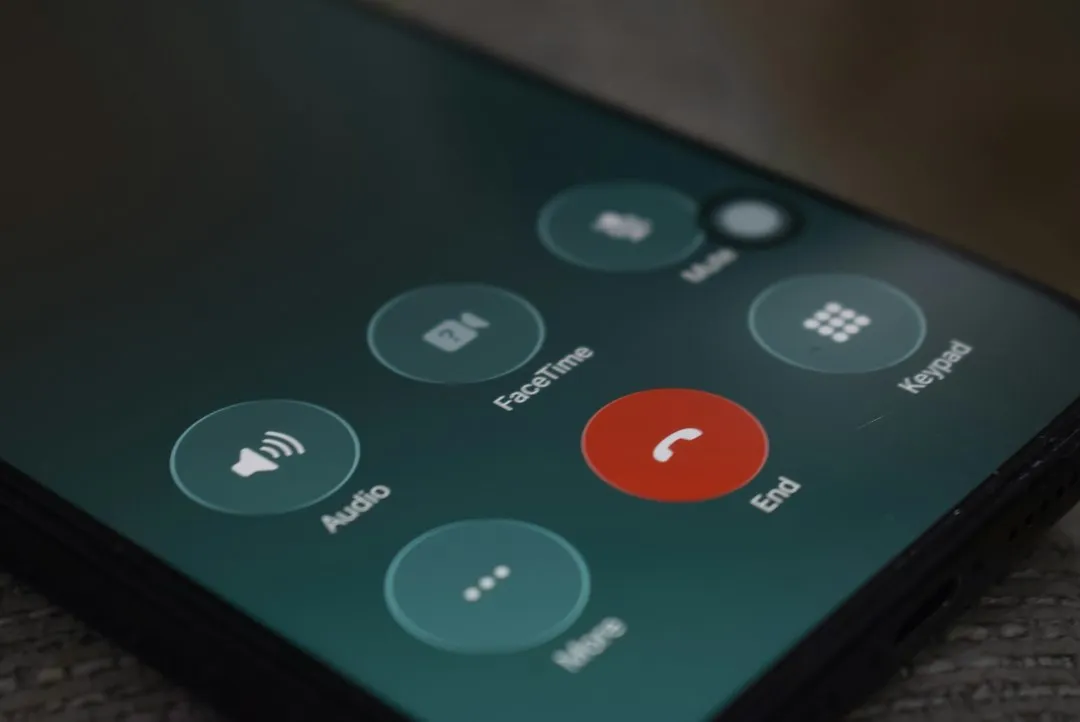
Some banks found that roughly forty percent of calls appearing to originate from their bank-owned numbers had been spoofed by criminals. That means a call can look perfectly legitimate on your screen while coming from an entirely different source. Seeing your bank’s name appear is simply not enough anymore.
Scammers may also know personal details about you, and some of this information can come from public records, social media, or previous data breaches, which means a caller knowing your name, address, or bank does not mean the caller is legitimate. Familiarity with your details is a selling point for the scammer, not a verification of their identity.
Why These Scams Are Getting Harder to Spot

Roughly eighty-five percent of Americans worry that scams are becoming harder to detect because of AI technologies, with top concerns including impersonations of their bank, voice cloning over the phone, and synthetic identity fraud. AI-generated voices and automated scripts have made it much harder to detect a scammer based on tone or fluency alone.
Vishing incidents have surged globally, with a documented thirty percent annual increase in attacks and financial losses reaching $1.2 billion in 2023 alone. The scale of this problem is not marginal. In 2024, Americans received about 2.14 billion scam calls per month, according to the US Public Interest Group. At that volume, the question is less about if a scam will target you and more about when.
What a Legitimate Bank Call Actually Looks Like

Yes, banks do call you, but only for a short list of reasons and never to ask for the credentials that would let someone drain your account, and real calls are usually about a flagged transaction, a loan or credit application in progress, or a support ticket you already opened. There is a real and meaningful difference between a bank reaching out about a specific transaction and a caller demanding immediate action on a vague security threat.
When a bank representative calls, they will share the reason for the call and may ask for identifying information, such as your full name and address or a security phrase for your accounts, if you’ve set one. That is a far cry from asking for a password, a one-time code, or instructions to move funds somewhere else.
The One Move That Stops Every Scam

A bank would never call you and then ask you to provide personal information, and if someone calls you claiming to be from your bank and asks for personal or account information, you should hang up and call your bank at the number on the back of your debit card. This single habit makes almost every phone-based bank impersonation scam irrelevant.
Phone scams are designed to catch you off guard, but remembering the red flags will help keep you safe: don’t rely on caller ID, don’t give in to high-pressure tactics, and never share personal information with someone who calls you out of the blue. The scammer’s advantage disappears the moment you pause, hang up, and call back using a number you trust.
The Takeaway
The phrases above are not minor slip-ups a bank employee might occasionally say. They are categorically off-limits for legitimate institutions. In the imposter scam category alone, business impersonators got away with one billion dollars in 2025, with the highest reported losses attributed to criminals pretending to work for a bank. The financial stakes are real and significant.
Keeping these six phrases in mind costs nothing. Knowing them could protect everything. The next time a caller sounds helpful, urgent, and authoritative all at once, that combination itself is worth treating with healthy suspicion. Real banks are never in that much of a hurry.
AI Disclaimer: This article was created with the assistance of AI tools and reviewed by a human editor.