

1. Your Heart Takes on More Strain

Short sleep duration, defined as fewer than six hours, is significantly associated with higher cardiovascular risk, and this isn’t a mild statistical blip. Sleep deprivation is a significant risk factor for cardiovascular diseases including hypertension, stroke, and coronary heart disease.
Participants who slept less than six hours showed higher levels of advanced glycation end-products, a marker of cardiovascular and metabolic damage, compared to those with adequate sleep. The 2024 EVasCu cross-sectional study, published in Frontiers in Physiology, confirmed this relationship in a healthy adult population.
A sleep duration of fewer than seven hours increases the risk of developing a heart attack by around fifteen percent, and for each additional hour of sleep gained, that risk decreases by roughly twenty percent. Those numbers are hard to ignore when you’re deciding whether to stay up for one more hour of screen time.
2. Your Stroke Risk Quietly Rises

The risk of both fatal and non-fatal stroke tends to increase by fifteen to nineteen percent with sleep deprivation compared to sufficient sleep. That’s a meaningful elevation, and it applies to people who otherwise consider themselves healthy.
Sleep deprivation is also associated with an elevated risk of ischemic stroke specifically, which occurs when blood flow to part of the brain is blocked. The cardiovascular system needs adequate downtime each night to regulate blood pressure and repair arterial walls.
Getting fewer than five to six hours of sleep per night has been linked to elevated blood pressure. Sleep plays a direct role in regulating stress hormones, and when rest is cut short, the body produces more cortisol, which keeps blood pressure elevated even during waking hours. Over years, that sustained pressure takes a measurable toll.
3. Your Brain Starts Accumulating Waste

Adults who regularly sleep for six hours or less per night accumulate toxins in the brain that can lead to Alzheimer’s disease. This is not a distant, theoretical risk. The brain uses sleep to run its glymphatic clearance system, a kind of biological housekeeping process.
Chronic sleep deprivation triggers pro-inflammatory cytokine release, neurotransmitter imbalance, and impaired synaptic plasticity, leading to neuronal damage. It also disrupts glymphatic clearance, promoting a buildup of neurotoxic metabolites.
Neuroinflammation and neurotransmitter imbalance reinforce each other in a cycle that accelerates cognitive deterioration. In plain terms: the less you sleep, the harder it becomes for your brain to function at its natural capacity, and that decline can build up silently over years.
4. Your Memory and Focus Suffer Measurably
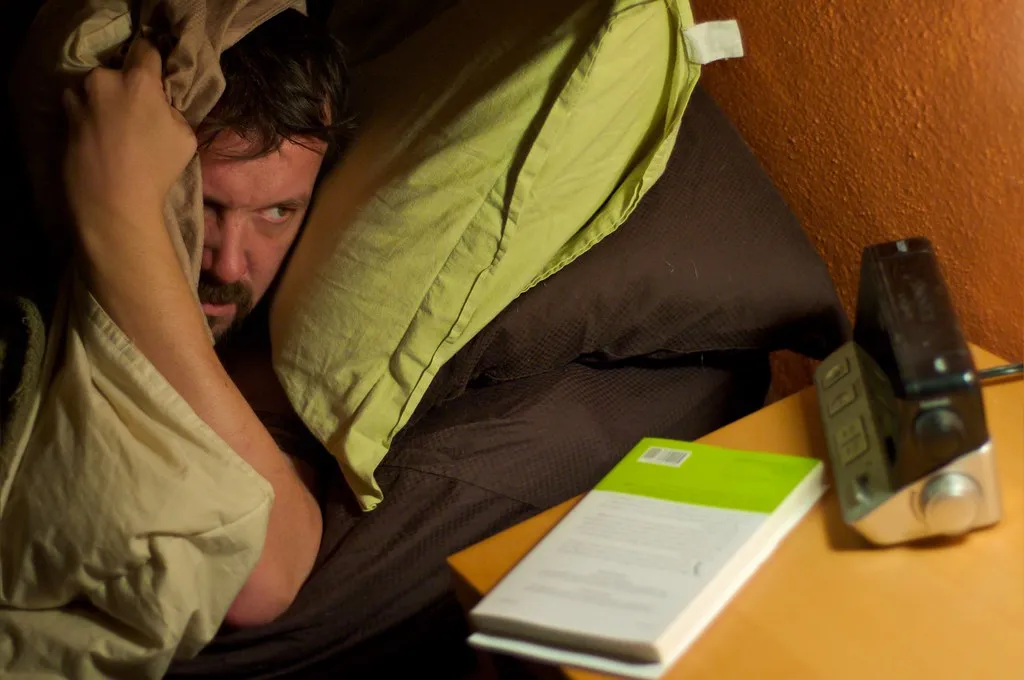
The effects of sleep deprivation on cognitive performance span a broad range of impairments resulting from inadequate sleep, impacting attention, executive function, and memory. These aren’t subtle inconveniences. They affect how well you perform at work, how safely you drive, and how clearly you can think under pressure.
Research from 2025 specifies that these impairments include reduced cognitive flexibility and prolonged auditory reaction times in healthy adults. Even people who feel they have “adapted” to short sleep still show measurable deficits on objective tests.
Sleep loss impairs memory, decision-making, and emotional regulation even when people believe they have adapted to the reduced sleep. The subjective sense that you’re fine is one of the more deceptive aspects of chronic sleep restriction.
5. Your Immune System Gets Weakened

Sleep is crucial for immune function. Prolonged sleep deprivation can weaken the immune system, making the body more susceptible to infections and illnesses. This is why people who are consistently sleep-deprived tend to get sick more often and take longer to recover.
Even a single night of sleep deprivation in young, lean, and healthy individuals altered the profile of immune cells to resemble those of individuals with obesity, a condition known to drive chronic inflammation, according to a 2025 study published in The Journal of Immunology.
Pro-inflammatory cytokines are typically investigated in this context, and findings suggest widespread immune changes following poor sleep. If your immune defenses are already stretched from lifestyle or stress, cutting sleep below six hours consistently makes the situation considerably worse.
6. Your Metabolism Shifts in the Wrong Direction
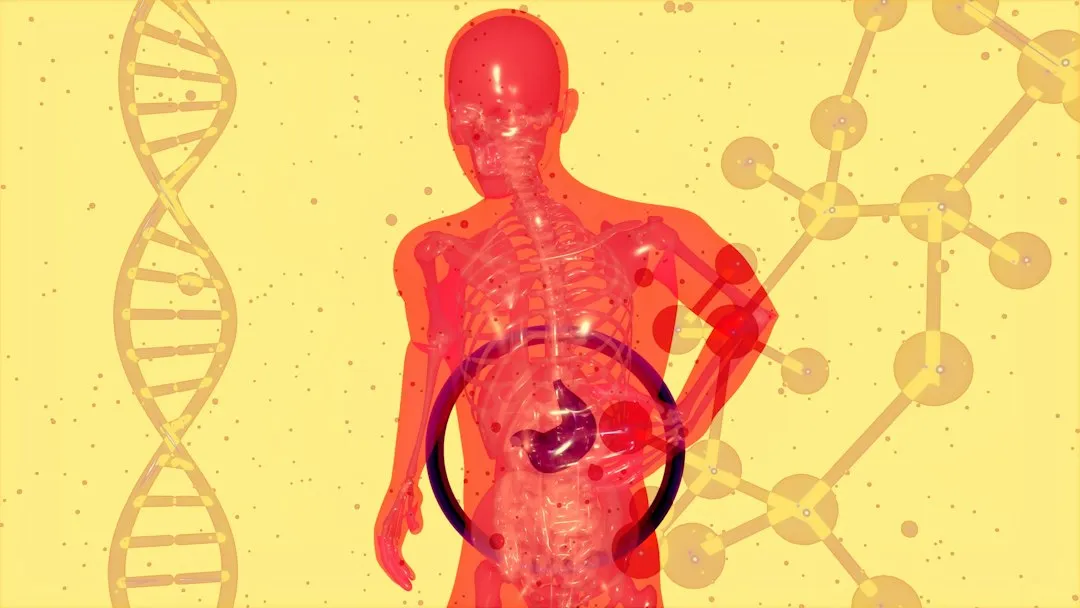
Sleep deprivation leads to multiple physiological disturbances that predispose individuals to metabolic disorders, including dysregulation of appetite-related hormones such as increased ghrelin and decreased leptin levels, which promote weight gain, and activation of the stress axis, resulting in elevated cortisol secretion.
People who consistently sleep fewer than six hours per night have a notably higher risk of developing type 2 diabetes compared to those who sleep seven to eight hours, and this risk is independent of other factors like diet and exercise.
Self-reported short sleep duration has further been associated with increased risk of hypertension, obesity, type 2 diabetes or impaired glucose control, and dyslipidemia in cross-sectional and observational studies. What starts as a disrupted hunger signal can gradually reshape your entire metabolic profile over months and years.
7. Your Mental Health Becomes More Fragile

Participants who averaged six hours or less of sleep per night were about two and a half times more likely to have frequent mental distress when controlling for confounders than those who slept more than six hours, according to a population-based study using CDC surveillance data covering nearly 274,000 U.S. adults.
Sleep deprivation contributes to elevated anxiety levels, impaired emotional regulation, increased susceptibility to stress, and depressive symptoms. The relationship is bidirectional: poor sleep worsens mental health, and poor mental health worsens sleep quality.
Sleep deprivation and depression are closely linked, with each making the other worse, creating a cycle that often requires clinical intervention. For many people, this loop goes unrecognized for years, dismissed as personality or life stress rather than a physiological problem with a clear and treatable source.
The Bigger Picture: Life Expectancy Itself
A nationwide analysis shows that getting fewer than seven hours of sleep a night is one of the strongest predictors of shorter life expectancy across U.S. counties. The research, from Oregon Health and Science University, covered data spanning 2019 through 2025.
Sleep sufficiency outperformed other behavioral factors, including diet, exercise, and loneliness, with only smoking showing a stronger association. That context is striking. We talk endlessly about nutrition and fitness, yet sleep may matter just as much, or more.
An analysis of data from three separate studies suggests that sleeping five or fewer hours per night may increase mortality risk by as much as fifteen percent. The compounding effect of all the body systems described above, stressed simultaneously and chronically, eventually shows up in the most fundamental measure of all.
What This Means in Practice

The science here isn’t new in concept, but its depth and consistency are becoming harder to dismiss. Individuals who report sleeping fewer than seven hours per night are categorized as experiencing short sleep duration, a classification that aligns with recommendations from both the American Academy of Sleep Medicine and CDC guidelines, which define fewer than seven hours as insufficient for optimal health.
Six hours might feel like enough. For most adults, biologically speaking, it isn’t. The body doesn’t fully adapt to less sleep over time; it simply loses the ability to accurately gauge its own deterioration.
Sleep is one of the few genuinely free interventions that touches nearly every aspect of physical and mental health at once. The research keeps confirming this. The harder part, for most people, is acting on it.
AI Disclaimer: This article was created with the assistance of AI tools and reviewed by a human editor.