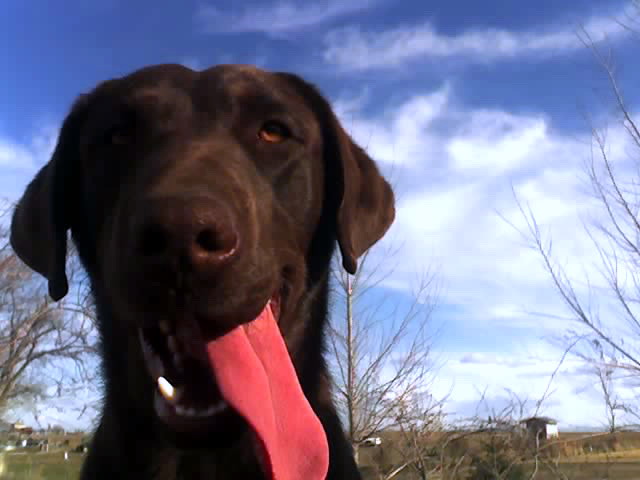

You’re sitting on the couch and your dog, out of nowhere, starts flicking their tongue at nothing. No food nearby. No obvious trigger. Just that strange, rhythmic lick into empty space. It’s one of those small moments that makes you wonder if you should be worried or just laugh it off.
The truth is, air licking in dogs is more common than most owners realize, and it carries a surprisingly wide range of possible meanings. Some are completely harmless. Others deserve a trip to the vet. Knowing the difference is where this gets genuinely useful.
It Might Be About Smell, Not Taste
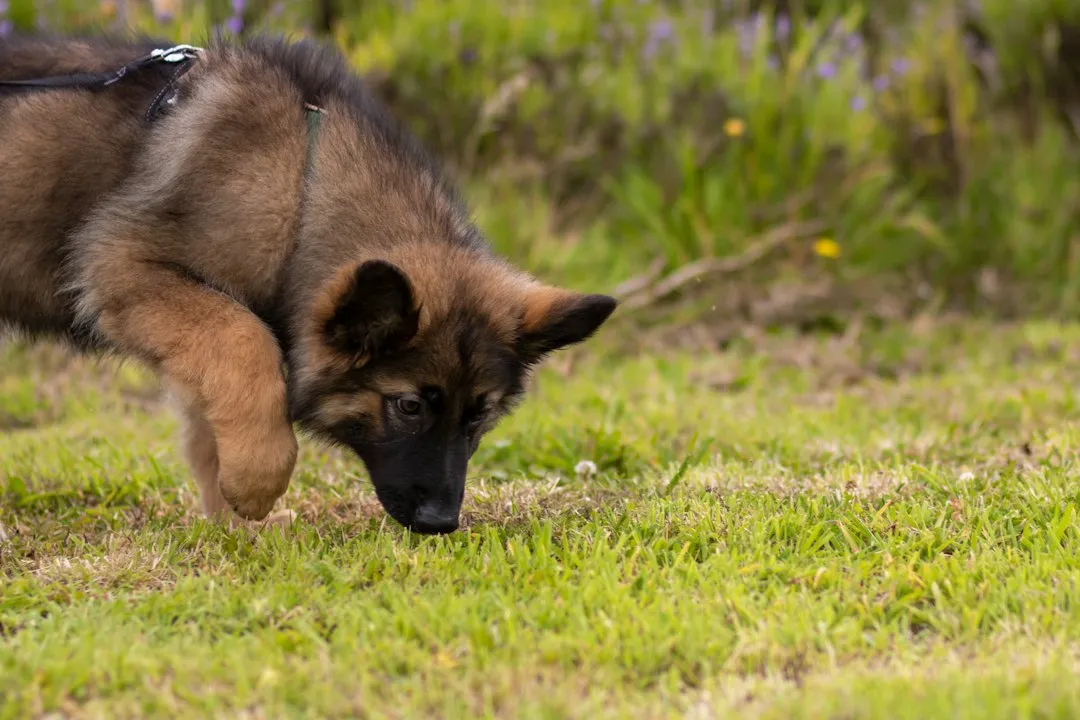
Dogs have an extraordinary sense of smell, thanks in part to the vomeronasal organ, also known as Jacobson’s organ, located in their nasal cavity. Licking the air can help direct scent particles to this organ, allowing dogs to better analyze their environment. So what looks like random tongue-flicking might actually be your dog fine-tuning their perception of a scent that’s caught their attention.
Dogs may raise their head, flare their nostrils, and even show a flehmen-like response when they do this. It’s a completely normal, instinctive behavior in those moments. If it’s brief, calm, and tied to something interesting in the room, this is almost certainly what’s going on.
Nausea and Gastrointestinal Upset
Digestive irritation ranks among the most common medical explanations for dogs licking the air. Nausea can create excess saliva, lip-smacking, and repetitive tongue movements as your dog attempts to manage the sensation. You might also see drooling, grass eating, vomiting, or decreased appetite alongside this behavior.
The research connection here is meaningful. Two studies by a group of researchers at the University of Montréal Veterinary Teaching Hospital investigated medical causes for excessive licking of surfaces and fly biting in dogs. This research suggests that at least some of these cases are related to medical issues causing nausea or discomfort, thus triggering the odd oral behaviors. Specifically, the medical evaluation revealed that 14 of the 19 licking dogs studied had GI abnormalities, which included lymphocytic-plasmacytic infiltration, chronic pancreatitis, and, in one dog, a gastric foreign body.
Irritable bowel syndrome, foreign objects in the stomach, pancreatitis, giardiasis, and other gastrointestinal pathologies could be the cause of a dog licking air excessively. Other signs that indicate gastrointestinal problems are vomit, diarrhea, bloating or excessive gas passing, and reduced appetite.
Dental Pain and Oral Discomfort
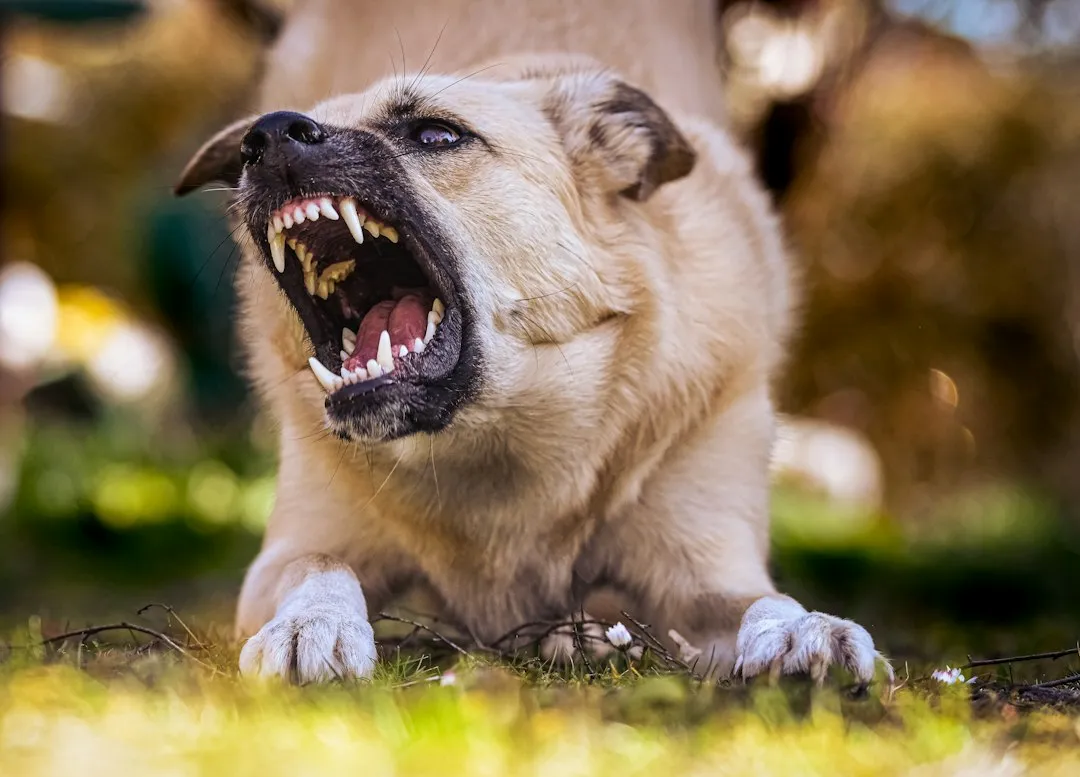
Tartar buildup, gingivitis, fractured teeth, oral ulcers, or foreign material lodged along the gumline can cause discomfort that your dog tries to relieve. A dog flicking his tongue may also paw at the mouth, drop food, chew on one side, or resist face handling. Bad breath and visible redness along the gums add further clues.
Infections in the teeth or gums are dangerous due to the risk of developing a root abscess and the risk of oral bacteria spreading to the heart, liver, or kidneys. Other signs of mouth or tooth infections are halitosis or bad breath, drooling, trouble chewing, and licking of their own teeth, lips, or the air. It’s worth checking your dog’s mouth carefully if the air licking started suddenly and without any other obvious trigger.
Anxiety and Stress
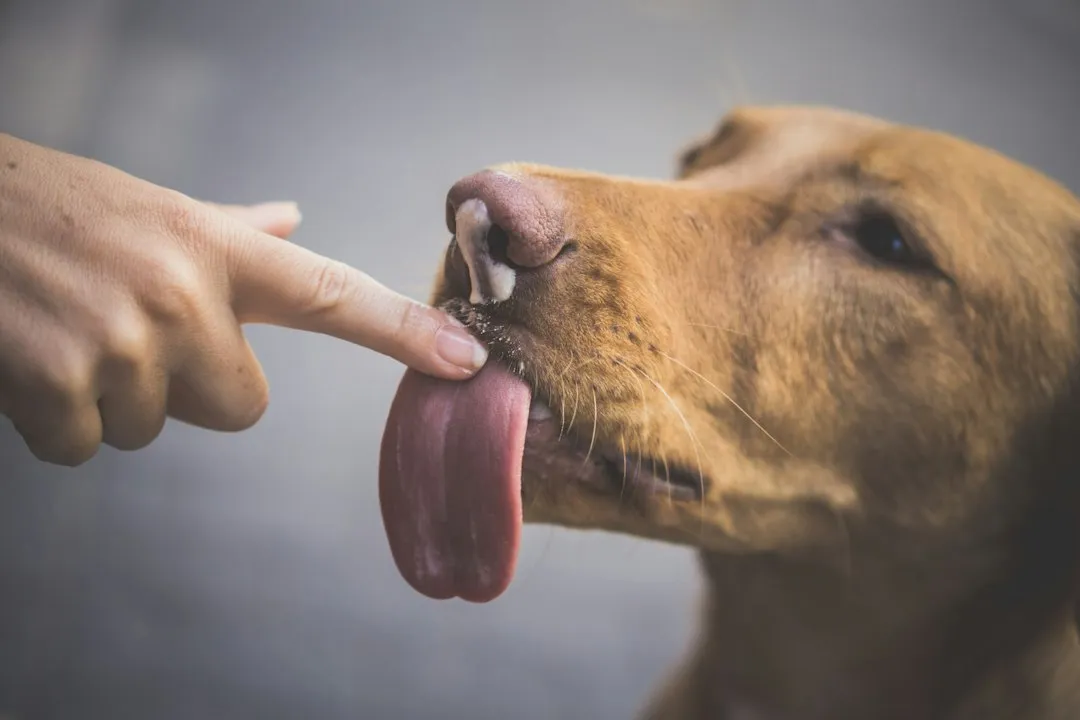
Dogs often lick the air when anxious, such as during vet visits, storms, or stressful situations. This behavior, combined with yawning or head turning, serves as a calming signal. It’s their version of managing an uncomfortable moment, a quiet attempt at self-regulation.
When a dog licks, endorphins are released into their brain, and these feel-good chemicals are self-soothing to the dog. So the behavior actually has a physiological payoff for them, which is also part of why it can develop into something more persistent over time. Excessive licking or even biting the air can be a result of them showing submission or actively trying to self-soothe, and you may also see them yawn excessively.
A Foreign Object Stuck in the Mouth
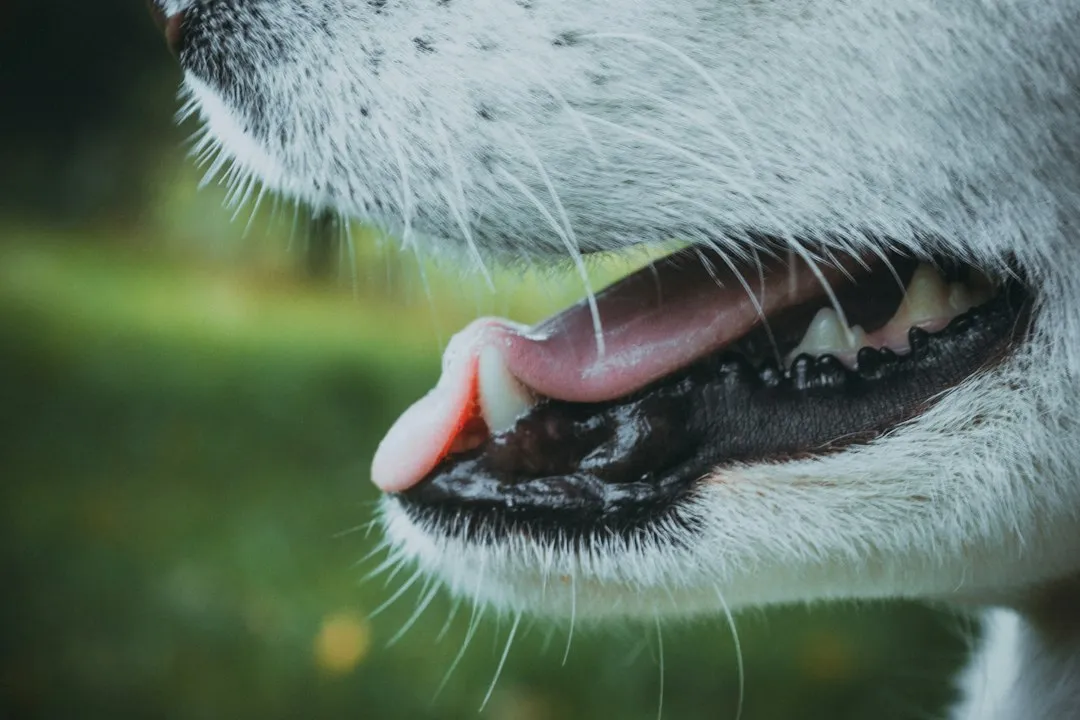
If the dog has suddenly started licking the air, chances are there is something stuck between the teeth, in the palate, or around the lower jaw. Whether it’s a piece of food or a foreign object, the behavior might be an attempt to remove it or to deal with the pain and discomfort.
This is one of those causes that’s easy to check for yourself before calling the vet. Visually inspect the mouth and carefully try to remove any obvious foreign object. If the object is lodged deep or the dog seems to be in real pain, let the vet handle it. Don’t force anything that isn’t easily accessible.
Focal Seizures
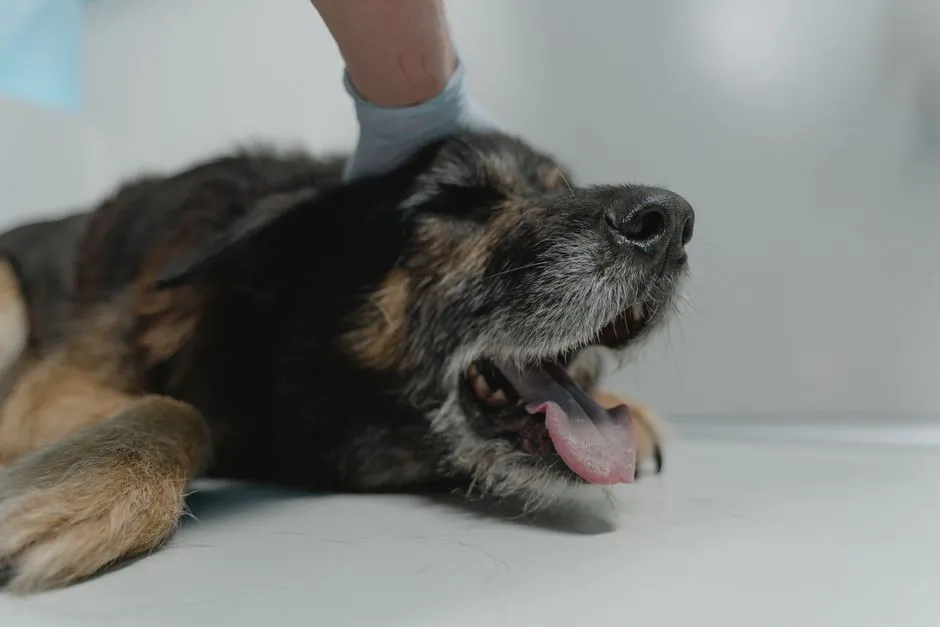
In some cases, a dog licking the air stems from neurological activity rather than digestive or dental discomfort. Focal seizures, sometimes called partial seizures, can produce repetitive facial movements, fly-biting motions, or sudden tongue flicking without full-body convulsions. These episodes may last seconds to minutes and can occur in clusters. Dogs might appear briefly disoriented, stare into space, or act unusually before or after the event.
Fly-catching syndrome is a rare condition typically characterized by episodes during which affected dogs bite or lick the air and jump for no apparent reason. The etiology of this syndrome is still debated. Among veterinary literature, obsessive-compulsive disorders, focal epileptic seizures, and underlying gastrointestinal diseases were considered the most likely triggering causes. If the episodes are sudden, repetitive, and accompanied by any facial twitching or momentary confusion, take a video and show your vet.
Thirst and Overheating
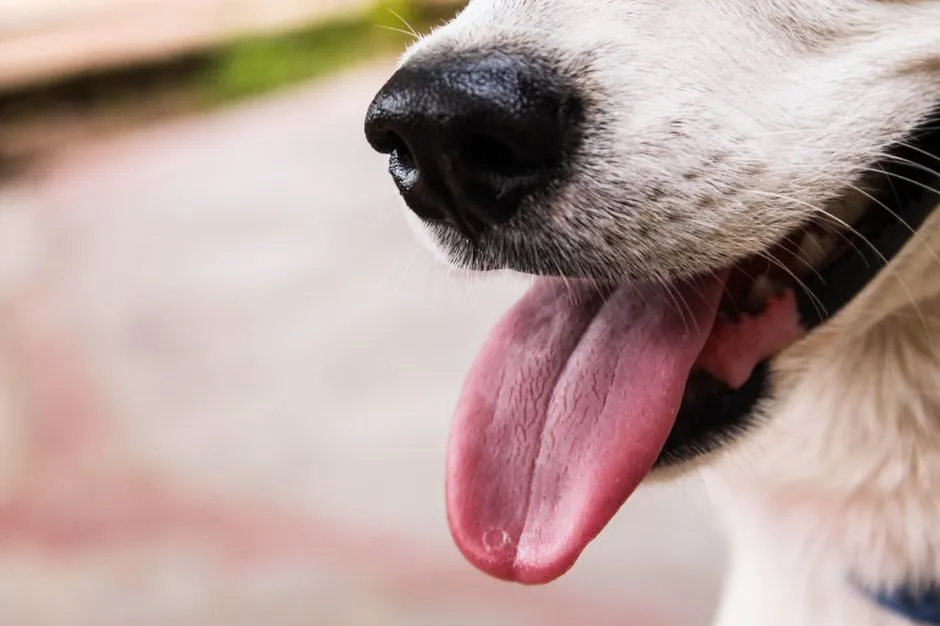
A thirsty dog may lick the air to stimulate saliva production and combat a dry mouth. You can also see this behavior when your dog is hot or overheated. As dogs only sweat from their paw pads, they need to pant to lower their body temperature. Air licking may contribute to cooling down by helping moisture evaporate off the tongue.
This is one of the most benign causes on the list, and one of the easiest to rule out. Check the water bowl, feel your dog’s ears for warmth, and see if the behavior stops after they drink or cool down. In most cases, it will. If it doesn’t, something else is likely at play.
Canine Cognitive Dysfunction in Senior Dogs

Canine cognitive dysfunction is a degenerative disease of dogs where the brain cells die as the dog ages. This brain atrophy can cause different signs; one of them is the possibility of repetitive behaviors such as chewing or licking, including air licking. If your senior dog suddenly starts licking air repetitively, speak to the veterinarian about the possibility of canine cognitive dysfunction.
An estimated 14% of dogs 8 years and older are thought to be affected by canine cognitive dysfunction syndrome, similar to Alzheimer’s in humans. One of the many symptoms is repetitive behavior, such as licking, chewing, or circling. Other signs of this condition can include wandering the house aimlessly, especially after dusk or at night, barking and whining at night, pacing, and seeming disoriented or confused.
Compulsive Disorder

If your dog’s air-licking started due to anxiety but now seems to occur more often or in new situations, it may have progressed to a compulsive behavior they are no longer able to cease on their own. Talk to your veterinarian to determine if a compulsive disorder may be to blame for your dog’s excessive licking.
In some cases, excessive air licking is compulsive behavior, not just a random quirk. Dogs with compulsive disorders may lick the air obsessively, while others may chase their tails or repeatedly spin in circles. This behavior stems from prolonged stress, boredom, or genetic predisposition. Compulsive licking can often be treated through a combination of medication, environmental changes, decreased stress, and specific types of training.
Hunger and Anticipation

As a response to the scent of food, dogs may lick the air. They may also lick the air when they expect to be fed, as they associate mealtimes with excitement. This version of air licking is about as innocent as it gets. It’s essentially your dog saying, with their whole body, that they’re aware something delicious is coming.
Licking the air can also indicate hunger, but if it becomes excessive, it may be a sign of a compulsive disorder or even an underlying medical condition. The key word is “excessive.” A few enthusiastic licks before dinner is one thing. The same behavior looping for minutes at a time, unprompted, is something worth taking note of.
When to Call the Vet
According to the American Veterinary Medical Association, repetitive dog behaviors like air licking can be linked to medical, neurological, or behavioral issues. While some dogs do it harmlessly, others may signal an underlying health concern. The behavior itself doesn’t tell the full story; the context around it does.
While occasional air licking is typical, you should see a vet or dog behaviorist if the behavior becomes compulsive or excessive, if air licking is accompanied by vomiting, weight loss, or lethargy, if your dog shows signs of pain, confusion, or seizures, or if they start licking obsessively after eating, which could indicate acid reflux.
If your dog is licking the air, it can have a number of behavioral or medical causes, from hunger to stress to dental problems. Typically you don’t need to worry about this behavior unless your dog starts doing it compulsively or your long-term canine companion starts to do it when they never have before. That shift from “new behavior” to “constant behavior” is the real signal to act on.
The Takeaway

Air licking sits in that strange middle zone of dog behavior: common enough to be familiar, varied enough to mean almost anything. One dog licks the air because dinner smells great. Another does it because their stomach is in knots. A third might be showing the earliest signs of a neurological issue.
The behavior itself is rarely the whole story. Watch for what comes with it: timing, frequency, any accompanying signs of discomfort or confusion. Most of the time, you’ll find a straightforward explanation. When you can’t, that’s exactly what veterinarians are for.
AI Disclaimer: This article was created with the assistance of AI tools and reviewed by a human editor.