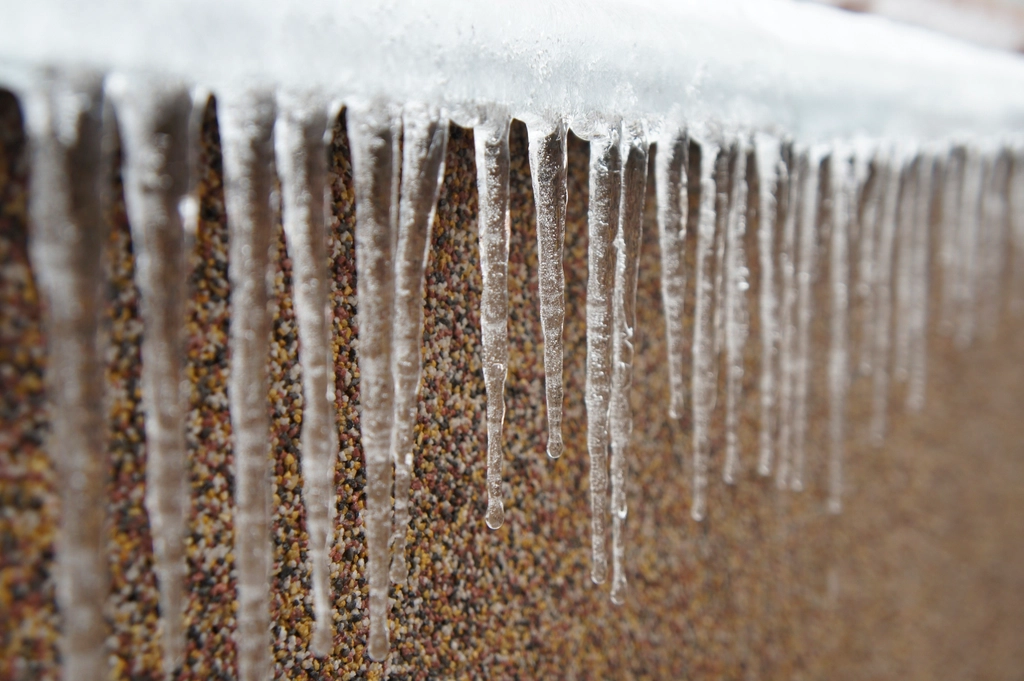

Every winter, millions of homeowners notice a thick ridge of ice creeping along the lower edges of their roofs, often with dramatic icicles hanging below. It looks like a seasonal inevitability, but it’s actually a sign that something specific is happening inside and outside your home at the same time.
Understanding why this ice forms, and where it comes from, makes it a lot easier to stop it. The process is more predictable than most people realize, rooted in the physics of heat movement, snow behavior, and the architecture of the average house.
The Basic Mechanic: Heat Meets Cold at the Wrong Place
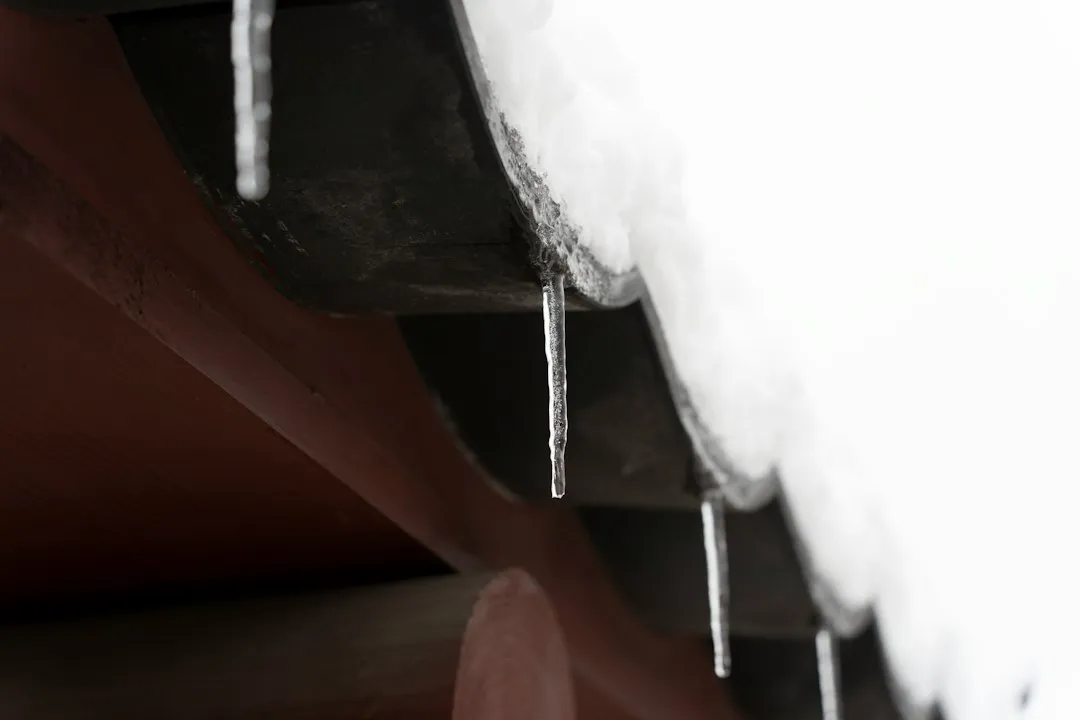
Snow falls and collects on the roof. Heat from inside the home rises and warms the central portions of the roof, causing that snow to melt. Gravity then pulls the meltwater down toward the lower edges, where the surface is colder and typically uninsulated.
At those lower edges, usually on the eaves, overhangs, or in the gutters, the water collects and freezes when it contacts the colder surface. It begins to thaw as daytime temperatures rise, then refreezes at night. This cycle repeats again and again, causing a wall of ice to form.
Why the Roof Edge Is Always Colder Than the Rest
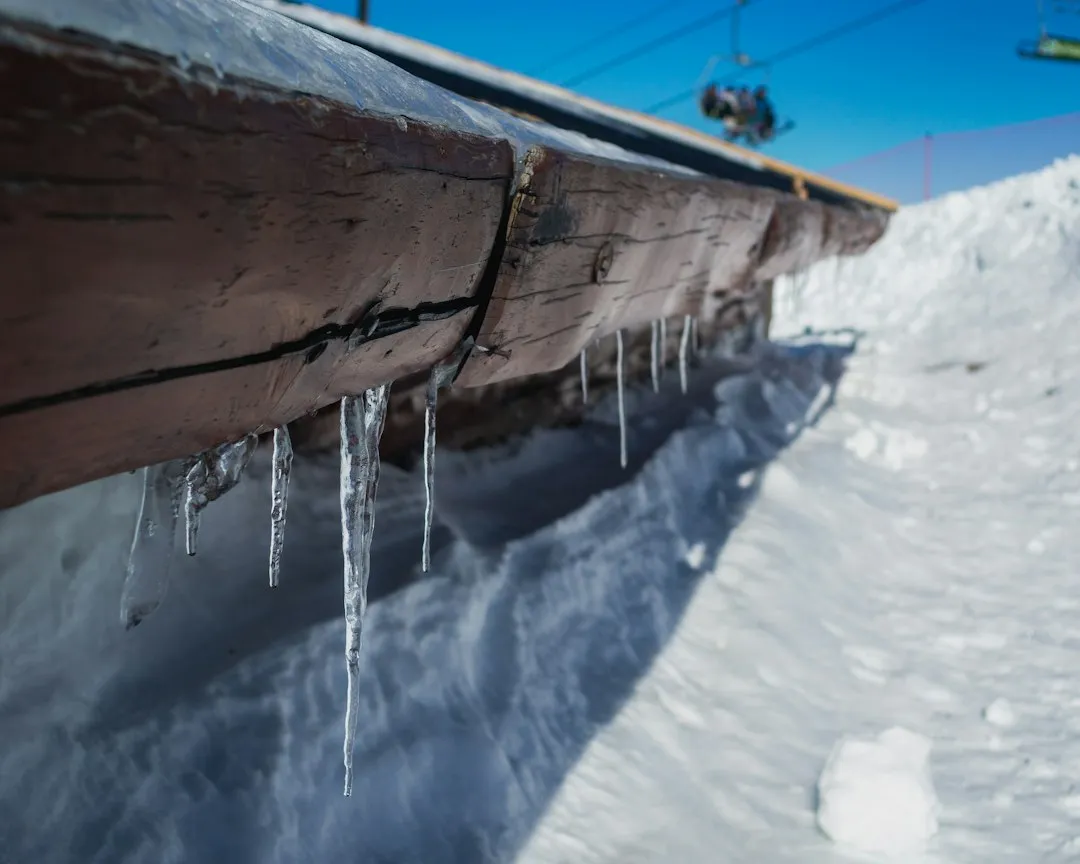
The heat from within the building conducts through the roof to melt snow on the middle portion. However, the outer edge of the roof extends beyond the outside wall of the building, and therefore is not heated from within. As a result, the melted snow refreezes and accumulates on the outer edge portion and in the gutters.
The roof overhang is colder than the upper roof because the underside of the overhang is not heated and sees no direct sunlight. This temperature gap between the middle of the roof and its edge is the essential engine behind every ice dam that forms.
The Role of Poor Attic Insulation
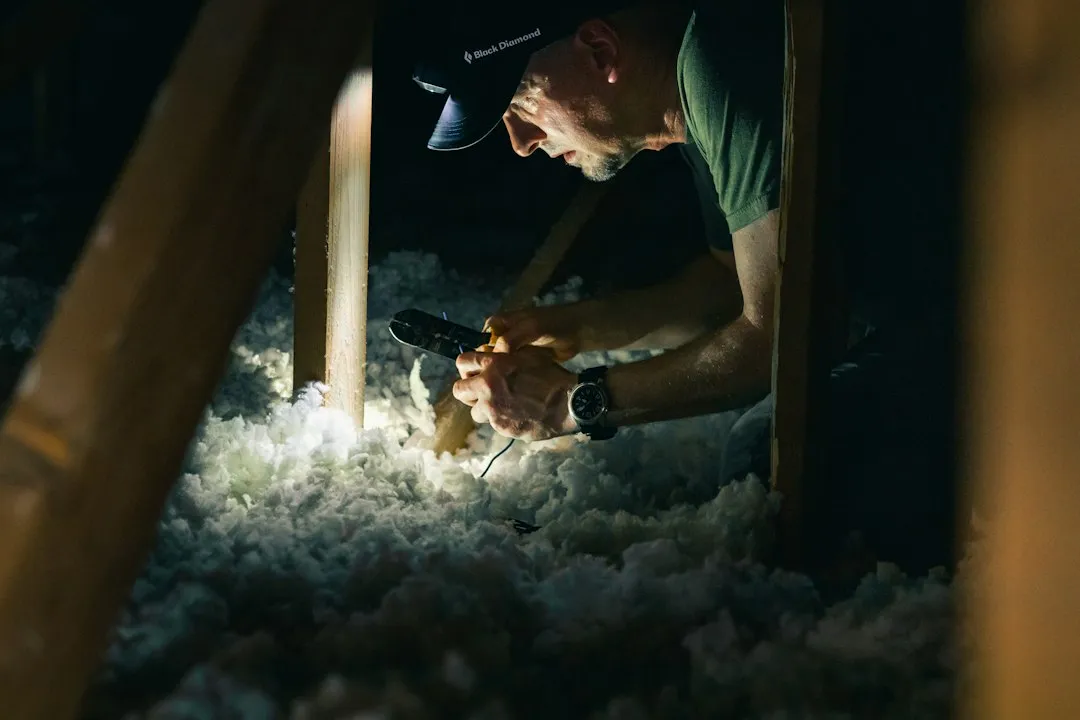
Inadequate attic insulation is the primary cause of ice dams in most homes. When an attic lacks sufficient insulation, heat from the living spaces conducts through ceilings into the attic. This then warms the underside of the roof deck, melting snow on the exterior surface and starting the ice dam formation process.
Even homes with some attic insulation can develop ice dams if that insulation is insufficient, unevenly distributed, or has gaps around penetrations like recessed lights, plumbing vents, and chimneys. It’s a detail that catches a lot of homeowners off guard.
How Attic Ventilation Makes the Difference
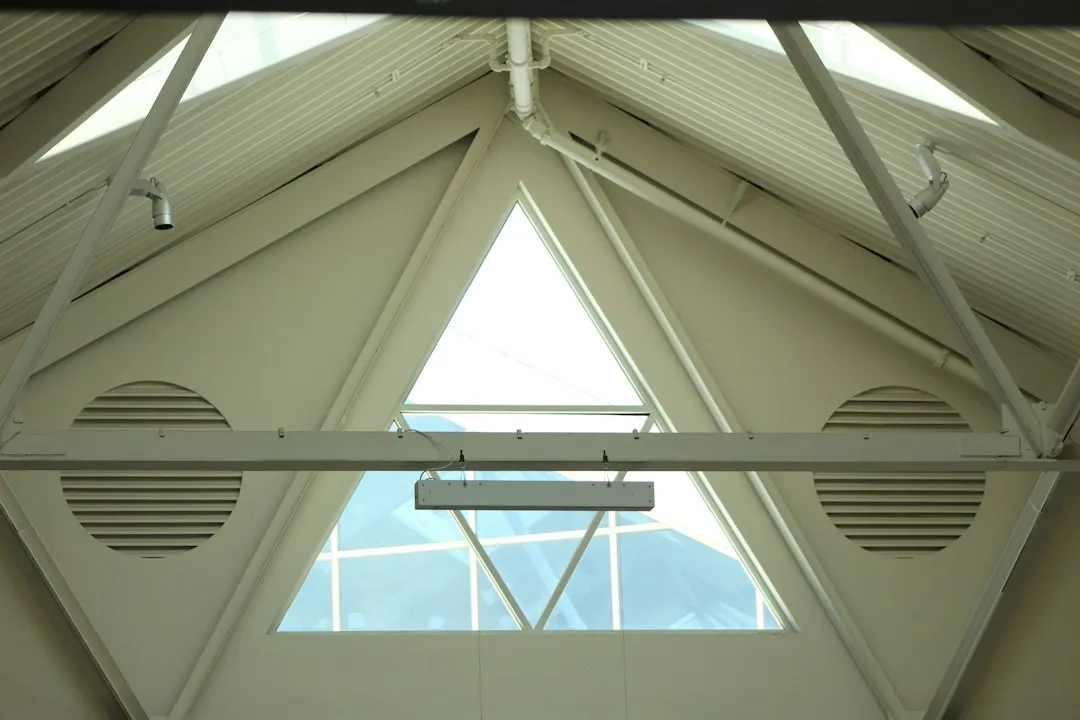
No matter how much insulation there is in the attic, there’s still some heat present. Attic ventilation gives that heat somewhere to go and moderates the temperature, so there’s not an excessive amount of warmth in the space, which is a basic requirement for ice dam formation.
Proper attic ventilation, along with insulation, helps prevent ice dams. Ventilation removes any heat that does reach the attic space before it can warm the roof deck enough to melt snow. Together, insulation and ventilation work as a system, not as separate solutions.
The Freeze-Thaw Cycle That Makes It Worse
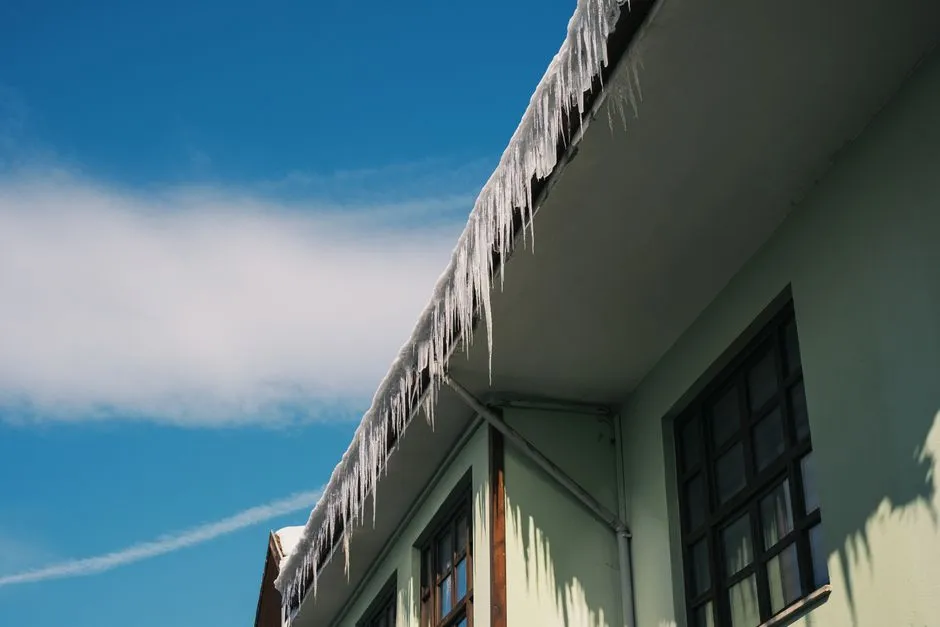
Ice dams typically build up along the eaves of a sloped roof. Melting snow runs down the roof and refreezes along the bottom edges. Once created, the ice blocks meltwater from flowing off the roof, resulting in further ice buildup.
When insulation is insufficient, warm air from the living areas rises and infiltrates the attic. This uneven heating causes snow to melt in patches, which can repeatedly freeze and thaw. Over time, this cycle weakens roofing materials and increases moisture intrusion risks.
What Happens to the Water That Gets Trapped
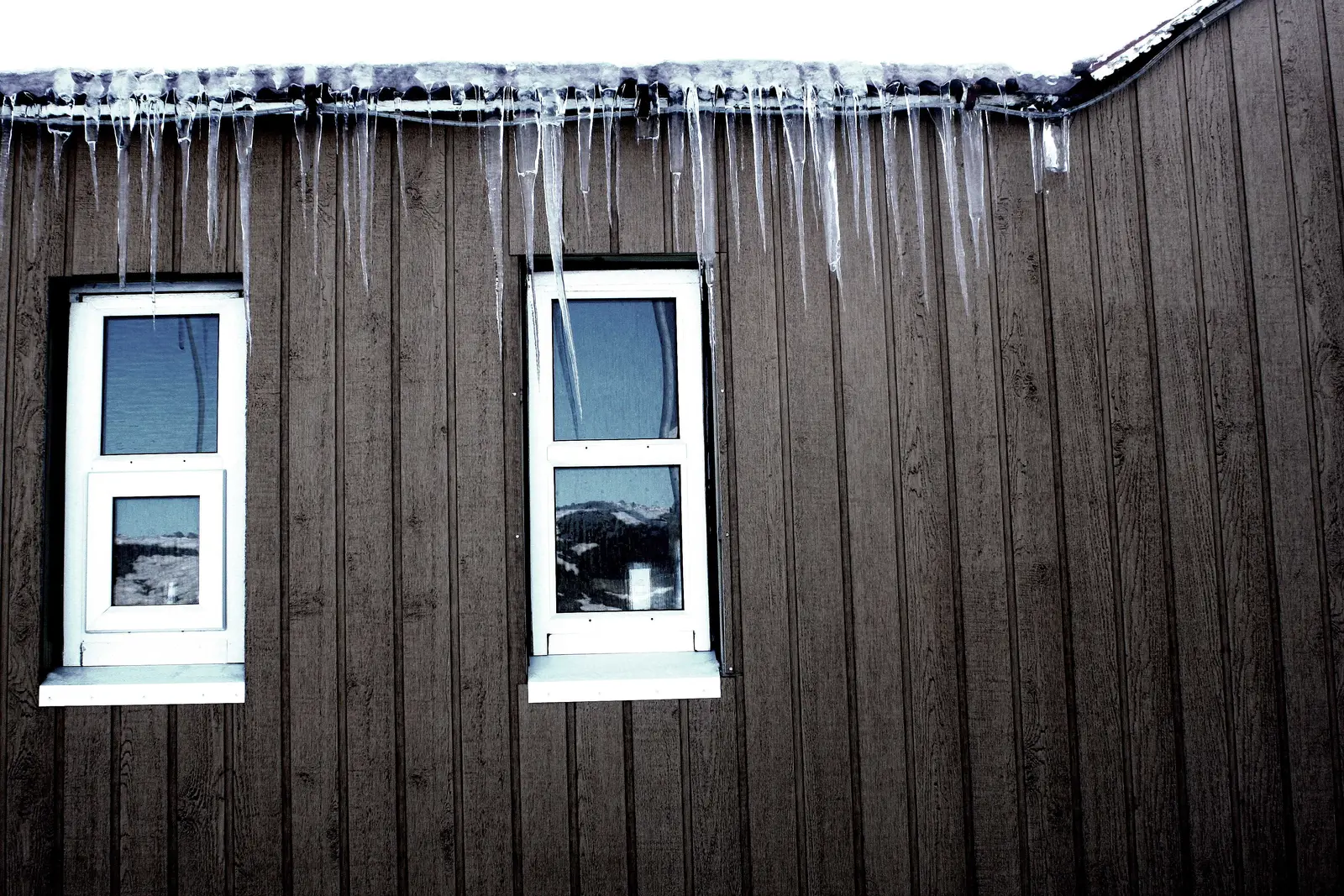
By blocking the drainage path of water on the roof, ice dams can have a negative effect on a sloped roof. Once the ice dam forms, water from melting snow or subsequent rain events is trapped upslope. Typical shingle roofs are not waterproof barriers; their purpose is to shed water down the slope. A buildup of standing water can find its way beneath the shingle tabs and ultimately into the structure.
Often, the pooling water backs up behind the ice dam and leaks into the structure, causing damage to walls, ceilings, insulation, and electrical systems. The water can also lead to environmental issues such as mold and mildew.
The Real Cost of Ignoring Ice Dams
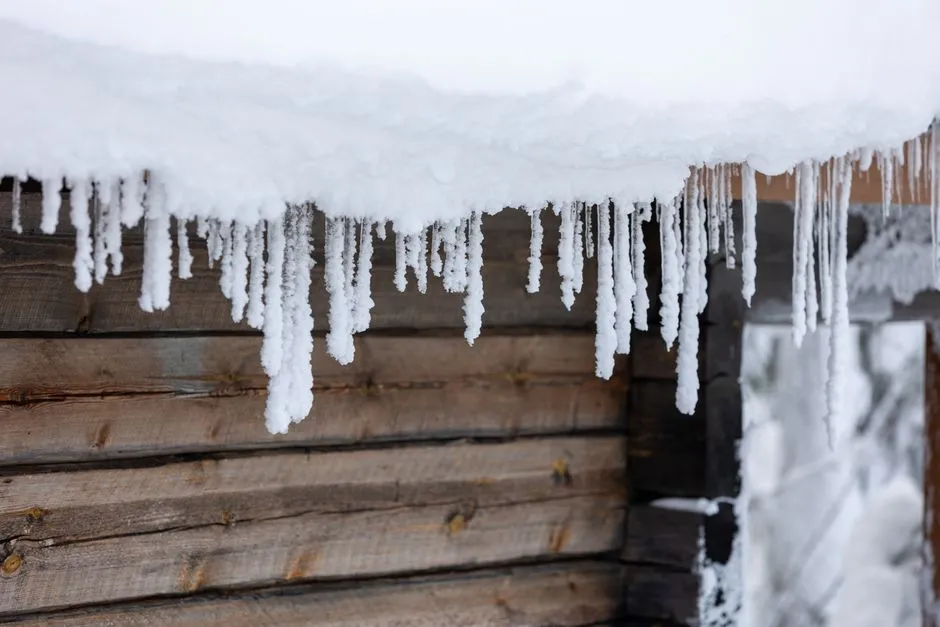
Water and ice damage makes up roughly a fifth of all homeowner insurance claims. Some of the most common claims in the Midwest are related to ice dams, especially in late winter when the days start to warm up but the nights remain cold.
The Insurance Information Institute estimates that the average homeowner claim for water damage and freezing is just over $3,000. Worse still, this appears to be a growing problem, with claims resulting from water damage and freezing increasing significantly in recent years. Repair costs for serious structural damage can run considerably higher, sometimes reaching $24,000 for leak damage, plus additional costs for shingles and gutter repairs.
Sun Exposure and Roof Color Are Also Factors
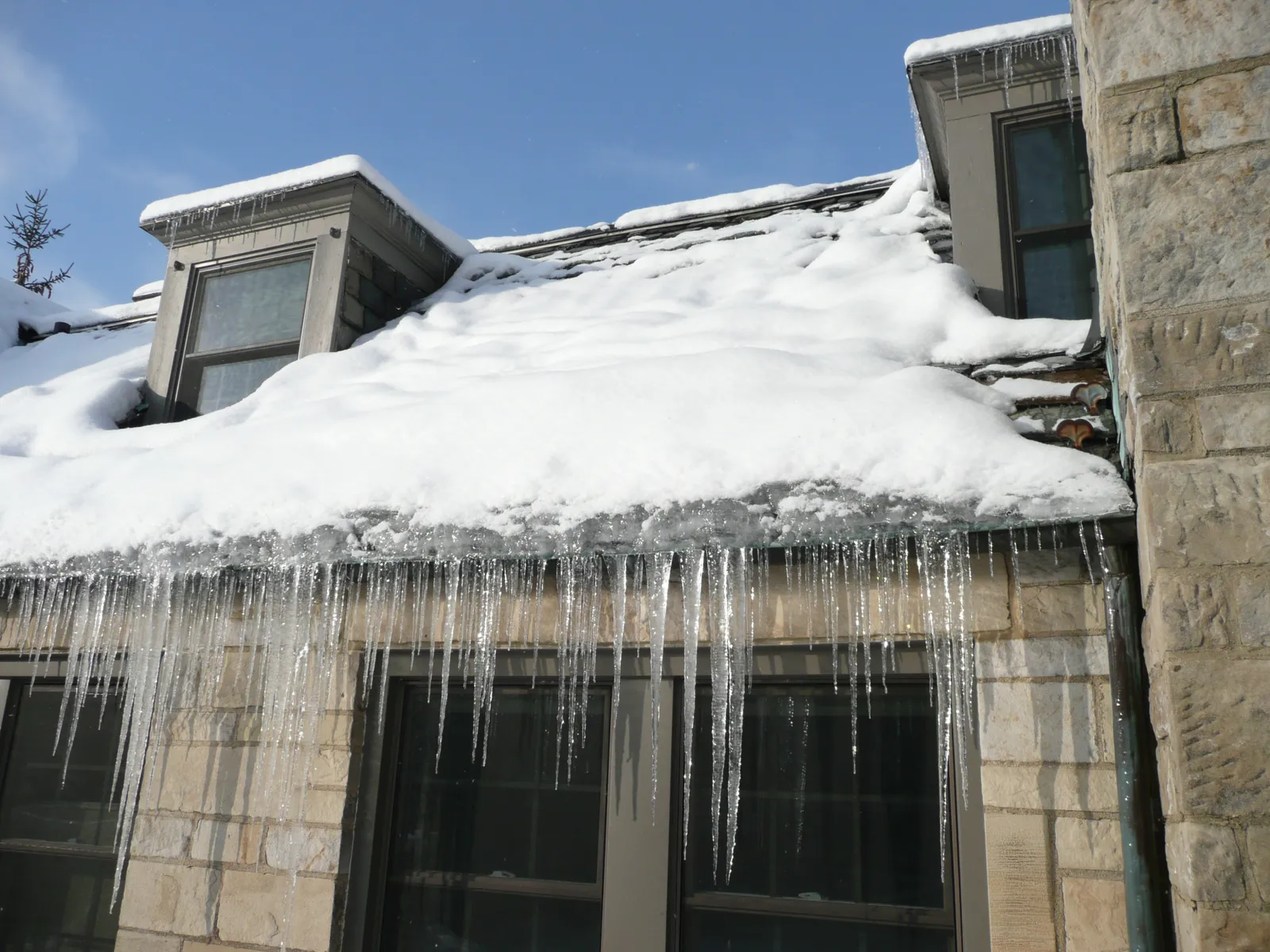
Another possible cause of ice dams is the heating of dark shingles when exposed to sunlight. Snow on the roof slides down to the gutter, where it abuts the gutter, thaws, and then refreezes. The freezing of the meltwater eventually builds up into an ice dam.
Roof orientation matters too. In New England, ice dams tend to form more on northern-exposed parts of the roof because of the limited sun those sections receive. A roof that gets very little direct winter sunlight stays colder at its surface, which can actually reduce melt at the top while keeping the eaves cold enough to refreeze any runoff from warmer sections.
Hidden Heat Sources That Accelerate the Problem
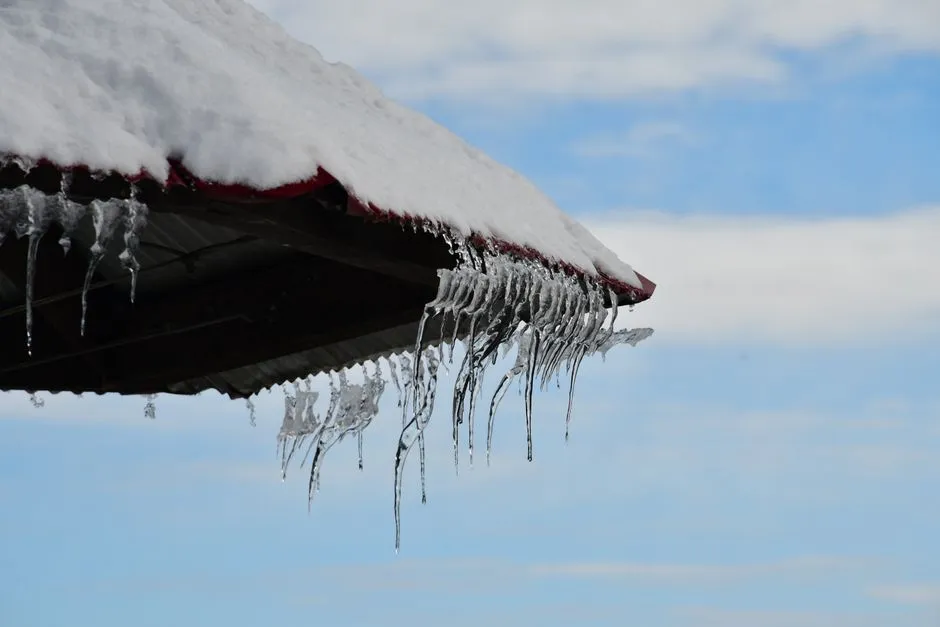
There is a form of heat transfer that warms the attic through air leakage, and in many building structures, this is the major mode of heat transfer that leads to ice dam formation. Exhaust systems like those commonly found in kitchens or bathrooms that terminate just above the roof may also contribute to snow melting.
Other sources of heat in the attic space include chimneys. Frequent use of wood stoves and fireplaces allows heat to be transferred from the chimney into the attic space. Most homeowners never think to factor in their fireplace when diagnosing a roof ice problem.
The Conditions That Must Be Present for Ice Dams to Form
Ice dams may occur when the under-roof temperature is above 30°F and the outdoor air temperature is below 22°F. This specific temperature window explains why ice dams don’t form on every cold day, only when there’s a meaningful gap between indoor and outdoor conditions.
Ice dams need three things to form: snow, heat from a building, and cold air to refreeze the melted snow into solid ice. Remove any one of those three, and the dam cannot build. That’s the foundation of every prevention strategy that actually works.
What You Can Actually Do About It
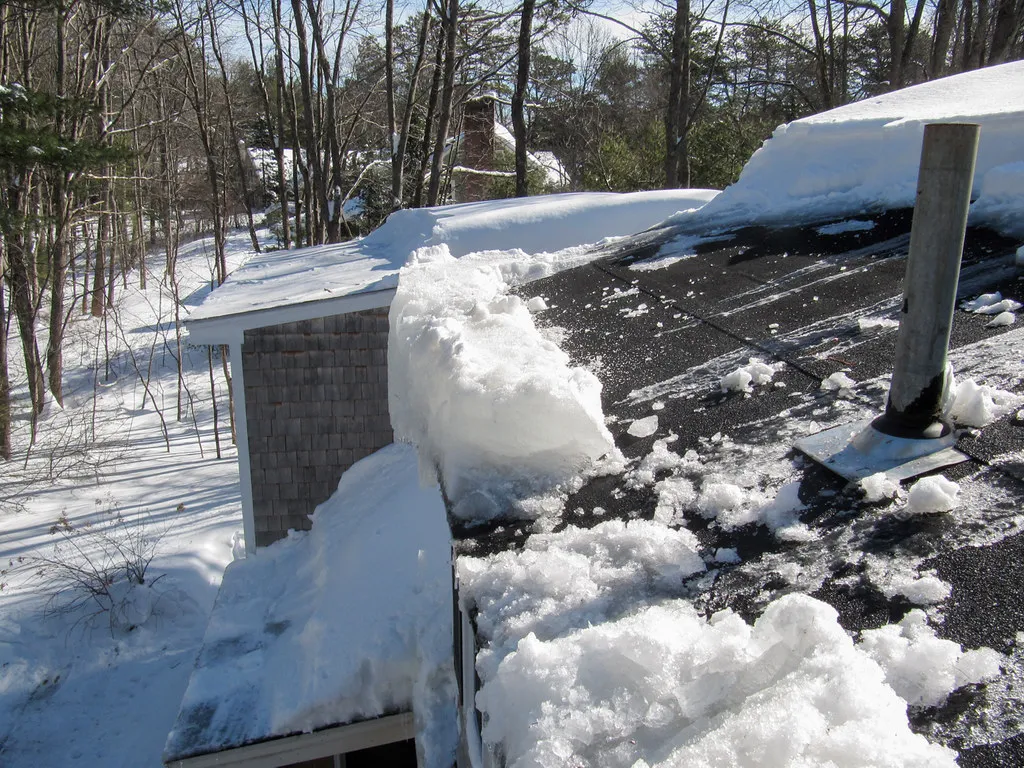
These problems can be avoided by properly air sealing and insulating the attic, along with ensuring proper ventilation. If an attic is not conditioned, the temperature of the whole roof should be largely consistent, and snow wouldn’t melt in one area and refreeze in another. However, if heat is finding its way from the conditioned living area into the attic, there will be warm and cold areas, which may lead to ice dams.
For the long term, it’s a good idea to increase ceiling and roof insulation to R-38 to R-49 to cut heat loss. Short-term, keeping the amount of snow on your roof to a minimum is recommended. A roof rake or professional help can clear the snow away. Keeping gutters and downspouts free of snow, ice buildup, and icicles ensures a ready path for meltwater to drain.
The Takeaway
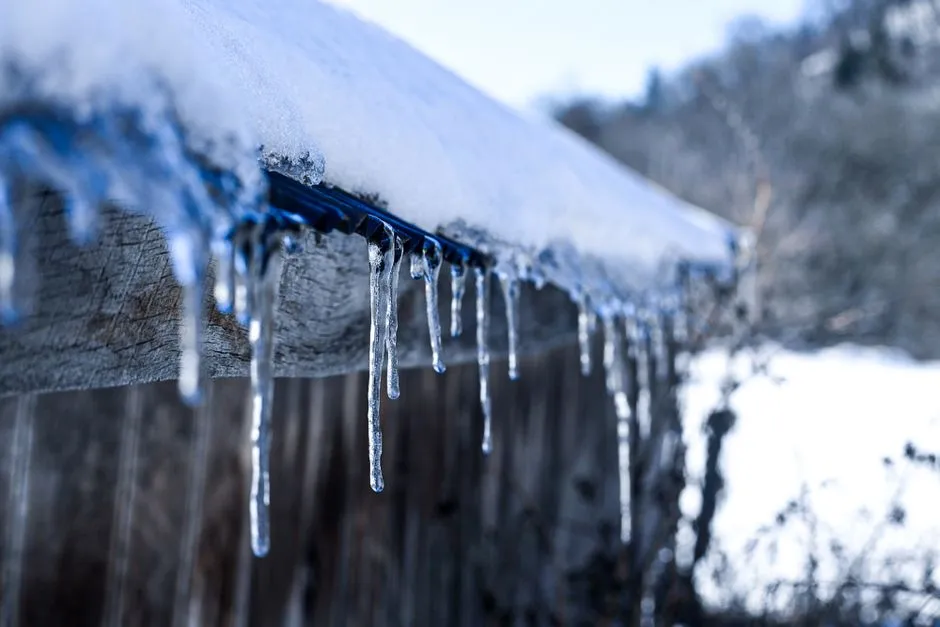
Ice building up along your roof edges isn’t random, and it isn’t simply about cold weather. It’s the result of a specific chain of events: heat escaping from your home’s interior, warming the roof deck unevenly, melting snow that then refreezes at the cold edge. That chain can be interrupted at multiple points.
The ridge of ice hanging off your eaves each winter is really a message about your attic. Addressing insulation gaps, sealing air leaks, and maintaining adequate ventilation are the changes that actually break the cycle, not just for one season, but for good.
AI Disclaimer: This article was created with the assistance of AI tools and reviewed by a human editor.