

Most people pour their first cup before they’ve even said a word to anyone. It’s almost reflexive, a built-in step before the rest of the morning begins. Yet researchers and clinicians now have a fairly consistent message: the moment you reach for that mug may matter as much as what’s inside it.
The science behind coffee timing isn’t complicated, but it does challenge a habit most people have held for years. Understanding the biology of your own waking hours is the first step to making caffeine actually do its job.
Why Your Body Already Has a Wake-Up System
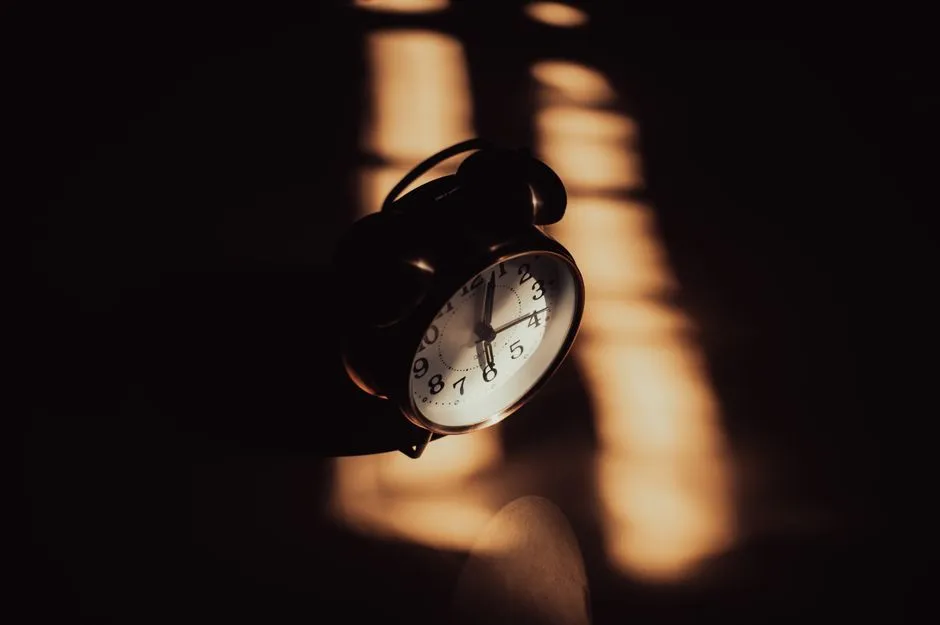
The intensity of caffeine’s effects depends partly on the time of day you consume it, due to the body’s circadian rhythm. Cortisol, the hormone that aids in feeling awake, rises about 30 to 45 minutes after you wake up, according to Julia Zumpano, a registered dietitian with the Cleveland Clinic Center for Human Nutrition. This is your body’s built-in alarm system, and it works whether or not coffee is involved.
Your adrenal glands are already secreting cortisol during that 8 to 9 AM peak, and adding caffeine on top of a natural cortisol surge wastes much of the caffeine’s effect. Simply put, two alertness signals running simultaneously don’t double the benefit. They largely cancel each other out.
The Window Experts Keep Coming Back To: 9:30 to 11 AM

Despite natural variability, experts say that the window of 9:30 AM to 11 AM may be the best time to consume coffee, according to the Cleveland Clinic. This is the period when your natural cortisol has started to decline and adenosine, the chemical that creates the sensation of tiredness, is beginning to build up.
Most people reach optimal caffeine sensitivity between 9:30 and 11:30 AM, when cortisol dips and mental fatigue begins to set in. Caffeine’s job is to block adenosine receptors, so timing it when adenosine is actually rising makes the most biological sense. You’re using the tool when it’s needed, not when your body is already handling things on its own.
The 90-Minute Rule: What It Means and What It Doesn’t

By waiting 90 to 120 minutes after waking before your first cup, you work with your body’s natural rhythms instead of against them. Combined with consistent timing, this simple shift can lead to sustained energy and better sleep. The idea has gained traction across health and nutrition circles, though it’s worth understanding its limits.
The recommendation to wait 60 to 90 minutes after waking isn’t supported by clinical studies showing improved outcomes with delayed coffee consumption. It’s a biologically plausible idea, not yet a confirmed clinical guideline. Still, many practitioners consider it a reasonable default given what we do know about cortisol peaks.
What Happens When You Drink Coffee Too Early

Caffeine is a stimulant, so if it’s consumed when cortisol is high, that can increase stress levels that were already high at the beginning of the day. This stacking effect isn’t dangerous for most people, but it does blunt the usefulness of caffeine and may contribute to tolerance building faster over time.
Drinking coffee when cortisol is high may reduce the body’s sensitivity to caffeine over time, potentially leading to increased dependence. That familiar feeling of needing more coffee to get the same effect may partly come from habitually drinking it at the wrong point in your hormone cycle.
How Caffeine Actually Works in the Brain
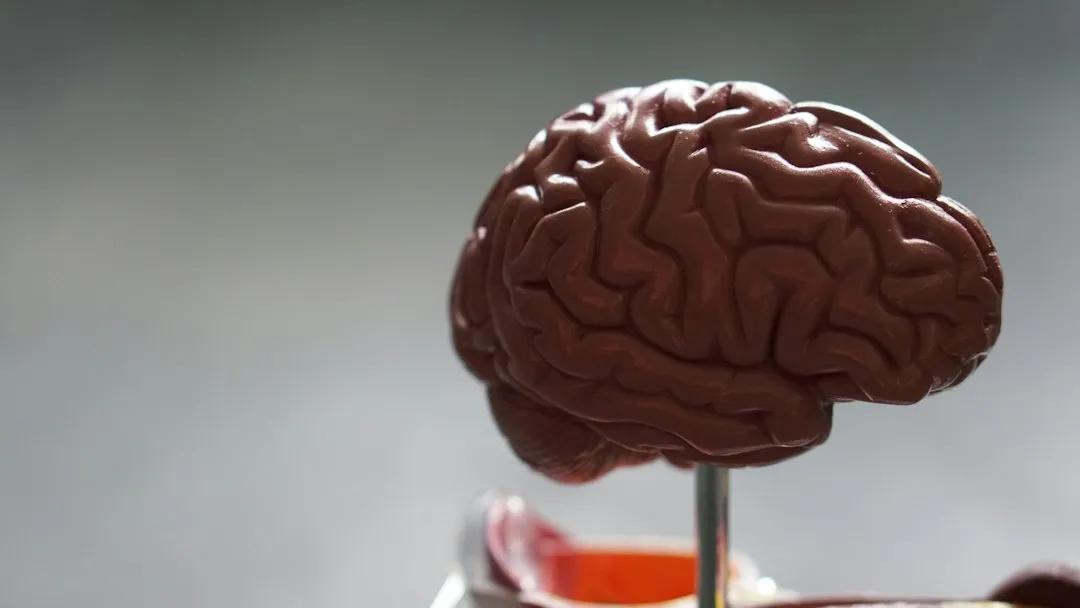
Caffeine primarily works by blocking adenosine receptors, temporarily reducing perceived sleepiness and boosting alertness. The cortisol awakening response typically peaks around 30 to 60 minutes after waking as part of normal circadian biology. Adenosine is the molecule that accumulates throughout the day as you use your brain, gradually making you feel sleepier as the hours pass.
When the caffeine wears off, all that accumulated adenosine floods the now-unblocked receptors at once, which is the “caffeine crash.” This is why a late-morning coffee tends to feel smoother and less prone to that hard drop-off than one consumed the moment you get out of bed.
The Landmark 2025 Study That Changed the Conversation

Drinking a few cups of coffee a day is actually good for you, but research published in the European Heart Journal in 2025 was the first of its kind to look specifically into the relationship between the timing of coffee consumption and heart health. The scale of the study made its findings hard to dismiss.
The study analysed data from over 40,000 adults. Individuals who consumed coffee primarily in the morning had a roughly 16 percent lower risk of all-cause mortality and a 31 percent lower risk of cardiovascular mortality compared to non-coffee drinkers. People who spread their coffee intake across the full day didn’t show the same benefits, which suggests concentration of intake in the morning matters, not just total volume.
The Safe Daily Limit You Should Know

The CDC recommends consuming no more than 400 mg of caffeine, roughly three to five cups of coffee, daily, as part of a healthy diet. That ceiling exists for good reason. Beyond it, the risk of jitteriness, elevated heart rate, and anxiety rises meaningfully.
Drinking two to three 12-ounce cups of coffee, or about 400 milligrams of caffeine, per day is considered safe, but not everyone can tolerate that much without negative effects. Genetics play a real role here. Some people process caffeine efficiently, while others feel the effects for hours longer than the average.
Why Afternoon Coffee Can Quietly Ruin Your Night

Caffeine has an average half-life of five to seven hours. This means that roughly half the caffeine from a cup of coffee drunk at 7:30 PM is still active in your brain at 1:30 AM. Even people who fall asleep easily may be compromising the quality of that sleep without realizing it.
Drinking coffee at 3 PM means you could still have roughly a quarter of its caffeine circulating at 11 PM, enough to delay sleep onset and reduce time in deep sleep, even if you don’t feel obviously wired. Poor deep sleep then leads to more tiredness the next morning, which prompts more coffee, and the cycle continues.
When to Set Your Personal Caffeine Cutoff

To protect sleep, stopping coffee at least 8 to 10 hours before bedtime is advisable. For an 11 PM bedtime, that means a 1 to 3 PM cutoff. This is the guidance that most sleep-focused clinicians now emphasize, particularly for anyone who reports waking up feeling unrefreshed.
A recent randomized crossover trial found that both moderate and high caffeine doses taken in the morning, afternoon, or evening reduced subsequent sleep duration and quality, with the effect worse the later in the day. Individual sensitivity varies substantially, largely due to genetics, but the safe default for sleep-sensitive drinkers is to stop caffeine by early afternoon.
How to Time Your Coffee Around Energy Needs

It’s better to time your coffee with your highest energy needs, since you’ll start to notice its effects within 15 to 30 minutes, and it peaks after about one to two hours. If a meeting, a workout, or a mentally demanding task is on your schedule, planning your coffee an hour before gives you the peak exactly when you need it.
Timing your coffee 15 to 60 minutes before you need an energy boost may be most beneficial, especially when paired with other energy-supporting habits such as quality sleep, regular balanced meals, movement, and proper hydration. Caffeine is most effective when it’s one piece of a functioning system, not a substitute for the rest of it.
The Takeaway

The research points in a consistent direction. Waiting roughly 90 minutes after waking, aiming for that 9:30 to 11 AM window, keeping total intake within reasonable limits, and stopping before early afternoon gives caffeine the best possible conditions to do what you’re drinking it for.
None of this requires a dramatic overhaul. Shifting your first cup back by an hour or two is a small change with a plausible payoff, both in how alert you feel during the day and how well you recover at night. Your body already has a wake-up system. Coffee works better when it supports that system rather than colliding with it.
AI Disclaimer: This article was created with the assistance of AI tools and reviewed by a human editor.