
Most dog owners pick up after their pets without giving it a second thought. Bag, toss, done. Yet that brief moment with the poop bag is actually one of the most reliable health checks you’ll perform all week. Your dog can’t tell you when something feels off, but what they leave behind often can.
Veterinarians have long used stool characteristics as a first-line diagnostic window. Color, texture, frequency, coating, smell, and content each carry their own set of signals. Here’s what to look for and what it may mean.
1. Color Reveals What’s Happening in the Digestive Tract
Healthy dog poop is chocolate brown, formed, and consistent day to day. Bile pigments processed at normal digestive speed produce exactly that color. When the color shifts and stays shifted, it’s worth paying attention. When the color changes and stays changed, the stool is reporting on the gut: how fast food moved through, whether blood entered the tract and where, and whether bile flowed normally.
A yellowish-orange tinge could indicate a liver issue or deeper indigestion. When the liver isn’t functioning properly and there’s too much bilirubin in the system, it can stain both urine and stool a yellowish color. Black, tarry stool usually indicates bleeding somewhere in the stomach or small intestine and requires an immediate trip to the vet.
Two red-flag colors warrant same-day action regardless of how your dog acts: black and tarry stool from digested blood in the upper GI tract, and red-streaked or bloody stool. On the other end of the spectrum, gray and greasy stool could indicate inadequate digestion and pancreatic problems or biliary issues.
2. Consistency Points to Absorption and Digestive Efficiency
The consistency of healthy stool can be scored on a scale from 1 to 7, according to Purina’s guide. Healthy stool scores a 2, while hard and dry pebble-like stool, typically a sign of constipation, scores a 1. Moist, mushy, or liquid stool scores from 3 to 7.
The color reflects what’s happening during digestion, the consistency shows how well nutrients are being absorbed, and the frequency indicates how efficiently food is moving through the system. When a stool is chronically loose or mushy, it often means nutrients are passing through too quickly to be absorbed properly.
Chronically soft stool points to diet or gut issues, while watery diarrhea that persists beyond 24 to 48 hours warrants a vet visit, per Cornell’s veterinary guidance. Hard, dry stools on the other end suggest dehydration or a diet low in moisture and fiber. Neither extreme is normal on a recurring basis.
3. Mucus Coating Signals Gut Inflammation
Mucus is a clear, slimy, or jelly-like substance that may appear in or around your dog’s stool. It’s produced by the intestines to lubricate the digestive tract and protect the intestinal lining. While small amounts can be normal, excessive mucus or mucus accompanied by other symptoms may indicate an underlying health issue.
Inflammation of the colon, or colitis, is the primary driver of excessive mucus, and it can be triggered by several factors: intestinal parasites such as whipworms, tapeworms, or giardia; bacterial, fungal, or viral infections; abrupt dietary changes; food sensitivities or inflammatory bowel disease; and stress from routine disruptions, loud noises, or separation anxiety.
A single instance of mucus in otherwise normal stool may not be alarming if your dog seems healthy. Multiple slimy stools within 24 hours suggest an ongoing problem needing veterinary attention. Persistent mucus over several days, even without other symptoms, warrants a check-up.
4. White Specks or Unusual Contents Flag Parasites
White spots that look like rice grains may be a sign of tapeworms. They’re easy to miss if you’re not looking closely, but they’re one of the clearest visible indicators of a parasitic infection. White specks or rice-like segments often indicate tapeworm, while undigested food, grass, or fur can point to dietary indiscretion, eating non-food items, or simple boredom.
A soft or watery stool with visible worms, eggs, or other uninvited guests is a clear indication of a parasite infestation. Some of these infections are subtle in their early stages. Parasites are worth taking seriously, particularly in puppies and dogs that spend time outdoors. Many infected dogs show no outward symptoms, which is why the Canadian Parasitology Expert Panel recommends annual or twice-yearly fecal testing, even when your dog appears healthy.
Overall, roughly one quarter of dogs tested positive for at least one parasite in a decade-long retrospective study from a reference veterinary laboratory in Madrid, Spain. That’s a meaningful number, and it underscores why routine fecal screening matters even for dogs that look and act perfectly fine.
5. Stool Frequency Reflects How Well the Gut Is Functioning
Most healthy adult dogs defecate one to three times per day, generally in a fairly predictable pattern. Significant deviations from a dog’s own baseline are more meaningful than any single number. Frequency indicates how efficiently food is moving through the system. Too fast, and the colon doesn’t have time to reabsorb water and nutrients properly.
Research published in Veterinary and Animal Science in 2024 found that miniature breeds were about six times more likely to develop diarrhea compared to other size groups. Of the biochemical parameters studied, total fecal cholesterol was the most predictive index in diagnosing acute diarrhea in dogs, with a likelihood ratio of 6.5, and was the most accurate in predicting defecation stooling frequency and texture.
Straining without producing much stool, or going several times in quick succession with very little output, can both indicate colitis or constipation depending on the context. If your dog is bright, alert, and responsive and just happens to have loose stool for a day, that’s probably fine. If your dog is lethargic or unwell along with a stool change, it’s time to see your veterinarian.
6. Smell Offers an Early Warning You Might Not Expect
Dog poop is never going to smell pleasant, but there’s a difference between normal and noticeably wrong. According to Certified Animal Health Technician Isa Pellerin, fecal odor often shifts before visible stool changes appear. A strong fishy, metallic, or sulfuric smell is a reliable early signal that something is wrong.
Healthy dog stool should be chocolate brown, well-formed but not rock-hard, and easy to pick up without leaving much residue. It shouldn’t smell overwhelmingly foul or contain visible mucus or strange colors. A sudden and persistent change in odor, especially when paired with softer stools or increased frequency, is worth noting before the other signs catch up.
Gray and greasy stool that also smells particularly foul can indicate a problem with the pancreas, specifically an inability to process fats effectively. It could be a sign of a serious condition called exocrine pancreatic insufficiency, or EPI. Dogs with EPI typically lose weight despite eating normally, and the stool smell is often one of the earliest consistent changes owners notice.
7. Red Streaks Mean Fresh Blood from the Lower GI Tract

Seeing red streaks in your dog’s stool indicates the presence of fresh blood, which can be a sign of bleeding in the lower digestive tract, such as from the colon or rectum. It’s a potential symptom of colitis or a similar condition. Certain tumors can also cause this.
Streaks of red blood and mucus mixed with normal stool are typically caused by inflammation of the large intestine. It’s also worth checking your dog’s anus for cuts or minor abrasions. It doesn’t necessarily warrant an emergency, but if it persists, see your vet.
The key distinction vets look for is whether the blood is bright red and fresh, suggesting a lower GI source, or dark and digested, suggesting bleeding higher up in the tract. Seeing red blood or a tar-like black stool, which indicates digested blood, is cause for concern and could be a sign of gastrointestinal bleeding or other serious health issues.
8. Green Stool Can Be Dietary or Something More
Green stool usually indicates the ingestion of green vegetation, such as grass. Most dogs eat grass occasionally, and a one-off green stool following a heavy garden snack is generally not alarming. The concern rises when there’s no obvious dietary explanation. Green stool could also signal a gallbladder issue, or it could be caused by undigested rat bait.
Big changes like moving, traveling, or even a noisy household can trigger digestive upset and temporary stool color changes in sensitive dogs. When in doubt, think about what’s changed recently: food, environment, routine, or health. Stress-related digestive changes tend to resolve once the trigger is removed.
If your dog’s poop remains green despite no recent dietary changes, or if it’s paired with symptoms like diarrhea, vomiting, or lethargy, it may be time to look beyond the food bowl. Persistent green stool or additional symptoms warrant a vet visit to rule out infections, inflammation, or organ-related issues.
9. Yellow or Pale Stool Points to Liver, Bile, or Pancreatic Concerns
If your dog’s poop is a light tan, yellow, orange, or another pale color, there may be something wrong with the liver or pancreas. These are not emergency colors in the way black or bright red are, but they deserve attention if they persist beyond a day or two. Yellow stools can suggest issues with the gallbladder or pancreas as well as a compromised liver.
Stool that’s whitish to yellow in hue or that contains white or yellow streaks can also indicate a fat absorption problem. When fat isn’t being absorbed normally, it passes through into the stool, changing both its color and texture. This is often described as greasy or shiny in appearance.
A greasy-looking gray stool can be a sign of too much fat in the diet, which can trigger pancreatitis, an inflammation of the pancreas that can range from very mild to life-threatening. If you notice this pattern consistently, especially in a dog that eats a high-fat diet or has been given rich table scraps, a vet visit is warranted sooner rather than later.
10. Stool Content Beyond the Obvious
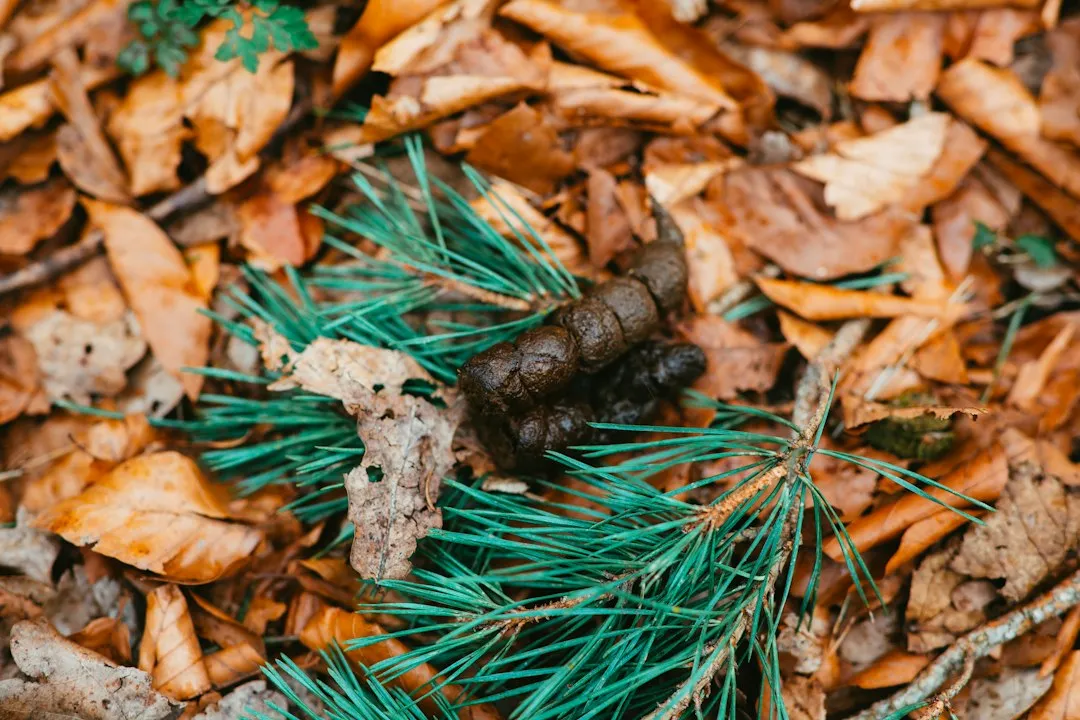
Normal stool shouldn’t contain anything surprising. When it does, it’s useful diagnostic information. Beyond visible worms and blood, things like fur, grass, or small pieces of foreign material can turn up and tell you something about your dog’s habits or health. A dog that’s over-grooming, for example, may pass unusual amounts of fur in their stool.
Intestinal parasites like roundworms, hookworms, or giardia are common culprits of mucus in dog poop. Parasites irritate the intestinal lining, causing inflammation and excess mucus. Some of these parasites are microscopic and won’t be visible to the naked eye at all, making routine fecal testing the only reliable way to catch them. A fecal exam with your veterinarian can test for parasites, and regular deworming and parasite prevention can reduce the risk.
Your dog’s gut health plays a significant role in their overall wellness, affecting everything from immune function to mood. By paying attention to these daily signals, you’re taking a proactive approach to their health rather than waiting for problems to become obvious.
The Takeaway
You don’t need to obsess over every poop your dog produces, but knowing what healthy looks like makes it much easier to spot what doesn’t. Knowing what’s normal for your dog is the key to catching potential health issues early. Pay attention to their usual poop color, consistency, and frequency so you can spot a problem before it turns into a real mess.
Any persistent changes in color, especially black, white spots, or red, should prompt a visit to the vet. These changes can be indicators of serious health issues that require immediate attention. For everything else, a 48-hour watch-and-wait with a consistent diet is a reasonable first step.
The simplest summary is this: brown, formed, and predictable is the goal. Anything that departs from that baseline and stays there is your dog’s quiet way of asking for a closer look.
AI Disclaimer: This article was created with the assistance of AI tools and reviewed by a human editor.