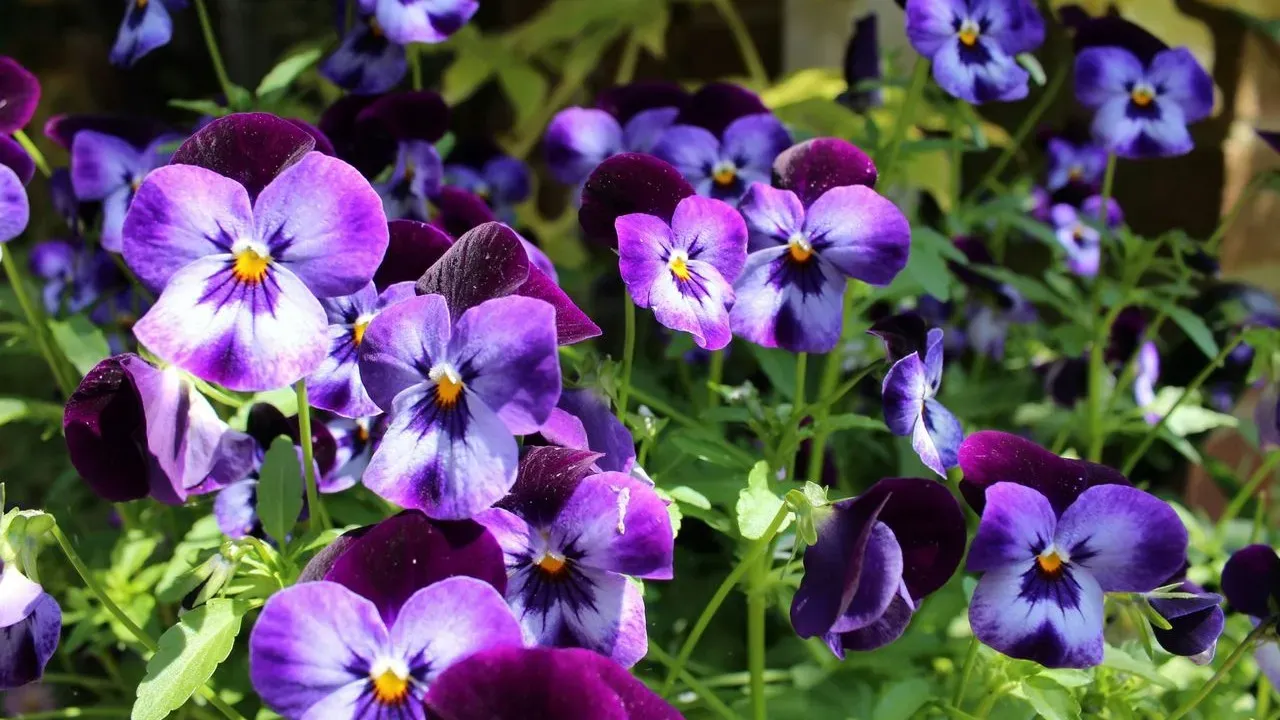

As summer flowers retreat and gardens settle into quieter tones, pansies step forward with their bright faces and subtle scent. These cool-season favorites thrive precisely when temperatures drop, offering color through fall and often into spring in many regions. Gardeners who plant them now gain weeks of cheerful display while other plants go dormant. ([1])
The Timing Advantage of Fall Planting
Most flowering plants wind down as days shorten and nights cool. Pansies, however, prefer exactly those conditions and establish strong roots before winter arrives. Mid to late September works well across much of the country, giving plants time to settle before the first frost. In colder zones, earlier planting in the month protects against sudden freezes, while milder areas allow planting into October or even November.
Daytime temperatures that consistently fall below 70 degrees signal the right window. Roots develop steadily in this range, helping plants survive light frosts and rebound with fresh growth once spring returns. The result is a longer season of blooms compared with spring-only plantings.
Meeting Basic Growing Needs
Pansies reward attention to a few straightforward requirements. They perform best with four to six hours of direct sun each day, though afternoon shade helps in warmer spots. Soil should be loose, fertile, and well-draining, enriched with compost and kept at a slightly acidic to neutral pH. Consistent moisture without sogginess keeps roots healthy, and spacing plants six to eight inches apart promotes airflow and bushy growth.
Temperatures between 45 and 65 degrees suit them perfectly. In colder regions they may pause during deep winter but resume blooming as warmth returns. Milder climates often see continuous flowers through the cooler months. A light feeding every two to three weeks with balanced fertilizer supports steady color without excessive foliage.
Step-by-Step Planting for Strong Starts
Success begins with preparation. Choose a site that receives morning sun and light afternoon shade where needed. Loosen the soil and mix in organic matter to improve drainage and nutrients. Dig holes at the proper spacing, set plants at the same depth they grew in their pots, and firm the soil gently around the roots.
Water thoroughly after planting to settle everything in place. Apply a thin layer of mulch to retain moisture, moderate soil temperature, and suppress weeds. In colder areas, extra mulch provides insulation against freeze-thaw cycles. A slow-release fertilizer at planting time gives young plants a steady nutrient supply as they establish.
Regular deadheading keeps plants tidy and encourages more flowers. Water at the base to avoid wetting foliage, which can invite disease. In containers, check moisture more often since pots dry faster than garden beds.
Protecting Plants Through the Season
Once established, pansies need only modest ongoing care. Remove spent blooms promptly and watch for common issues such as aphids or slugs. Good airflow and proper spacing reduce fungal risks. In very cold snaps, a frost cloth or extra mulch offers protection without smothering the crowns.
These small efforts pay off with months of color. Whether tucked into borders, massed in beds, or grown in pots, the plants deliver reliable cheer when the rest of the garden has quieted.
Key points for success: Plant after summer heat fades, provide 4–6 hours of sun, keep soil evenly moist and well-drained, space plants properly, and deadhead regularly for continuous blooms.
Planting pansies in fall turns the seasonal slowdown into an opportunity. With roots set before winter, these resilient flowers return the favor with bright, overlapping petals long after most other color has disappeared.
AI Disclaimer: This article was created with the assistance of AI tools and reviewed by a human editor.