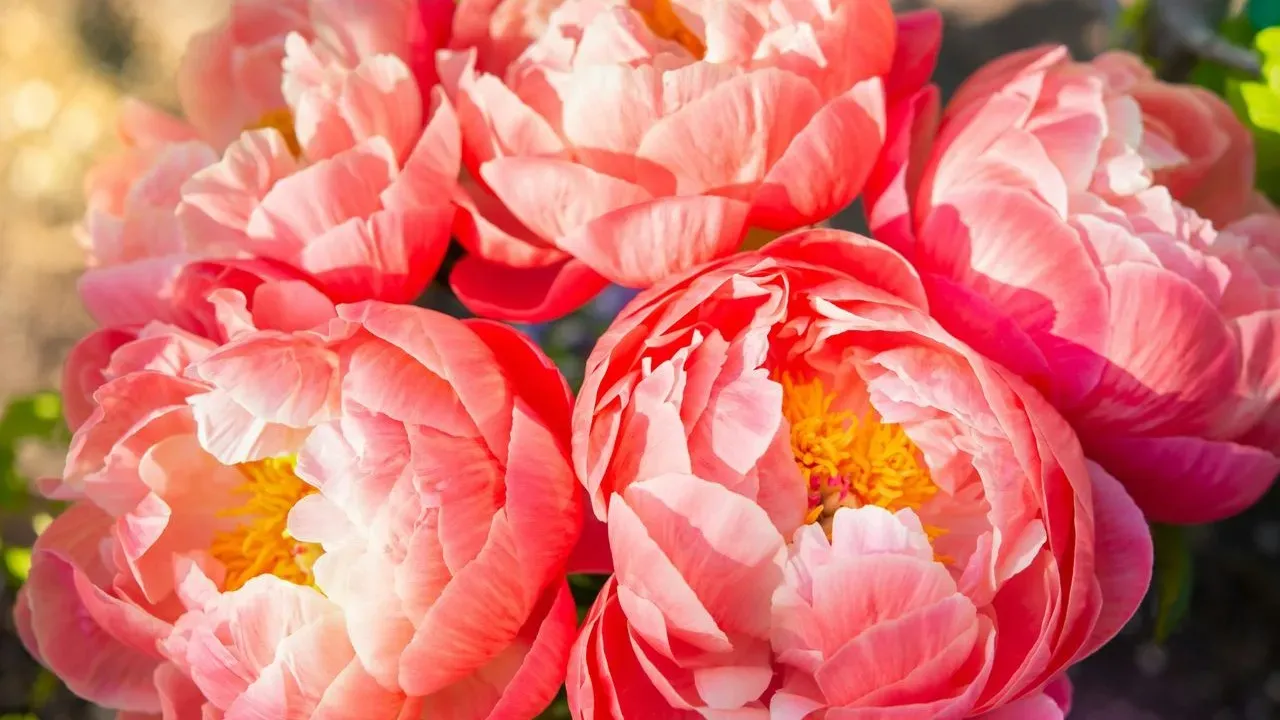

As autumn settles in, gardeners often focus on protecting plants from the coming cold. Yet for peonies, that chill plays an essential role. These perennials require a distinct period of winter dormancy, including specific chilling hours, before they can produce flowers the following spring. Without it, the plants may stay healthy but fail to bloom as expected. ([1])
The Role of Dormancy in Peony Growth
Peonies are not like many other garden flowers that push through mild winters without pause. They evolved in regions with clear seasonal shifts, where cold triggers the internal processes needed for flowering. A sufficient stretch of low temperatures breaks their rest phase and readies the buds for spring growth. This natural cycle explains why peonies often perform best in climates that deliver reliable winter conditions.
Gardeners who live in milder areas sometimes notice fewer blooms after unusually warm winters. The plants continue to send up foliage, yet the flower buds remain absent or underdeveloped. Understanding this requirement helps explain why simply keeping peonies alive through winter is not enough. The cold itself becomes part of the care routine.
Preparing Plants Before Temperatures Drop
Fall offers the best window to set peonies up for successful dormancy. Cutting back spent foliage removes potential hiding spots for pests and disease while signaling to the plant that the growing season has ended. Leaving a few inches of stem above the crown protects the buds that will form next year’s growth. These simple steps reduce stress and allow the plant to enter its rest period cleanly.
Soil conditions also matter at this stage. Ensuring good drainage prevents water from pooling around the roots during freeze-thaw cycles. Adding a light layer of mulch after the ground begins to cool helps moderate temperature swings without insulating the crown too heavily. The goal is steady, gradual cooling rather than sudden protection from every frost.
Supporting Dormancy Through Winter
Once peonies are dormant, the main task shifts to avoiding interference. Heavy foot traffic or unnecessary digging can damage the crowns that sit just below the surface. Leaving the plants undisturbed lets the required chilling hours accumulate naturally. In regions with extreme cold, a modest cover of evergreen boughs can shield against harsh winds, but thick blankets of leaves or straw are usually unnecessary and can trap excess moisture.
Monitoring for rodent activity around the beds is worthwhile, as voles and mice sometimes tunnel under mulch. Keeping the area tidy reduces their interest without disturbing the plants themselves. Throughout the winter months, the focus remains on patience rather than active intervention.
Looking Ahead to Spring Blooms
When warmer days return, peonies that received adequate winter chill typically break dormancy at the right time. New shoots emerge strong and even, leading to the full, fragrant flowers the plants are known for. Gardeners who have followed the seasonal rhythm often find that their efforts in fall pay off with more reliable displays year after year.
The process highlights a broader lesson in perennial care: sometimes the best action is to work with the climate rather than against it. For peonies, winter is not an obstacle to overcome but a necessary partner in the cycle of bloom.
AI Disclaimer: This article was created with the assistance of AI tools and reviewed by a human editor.