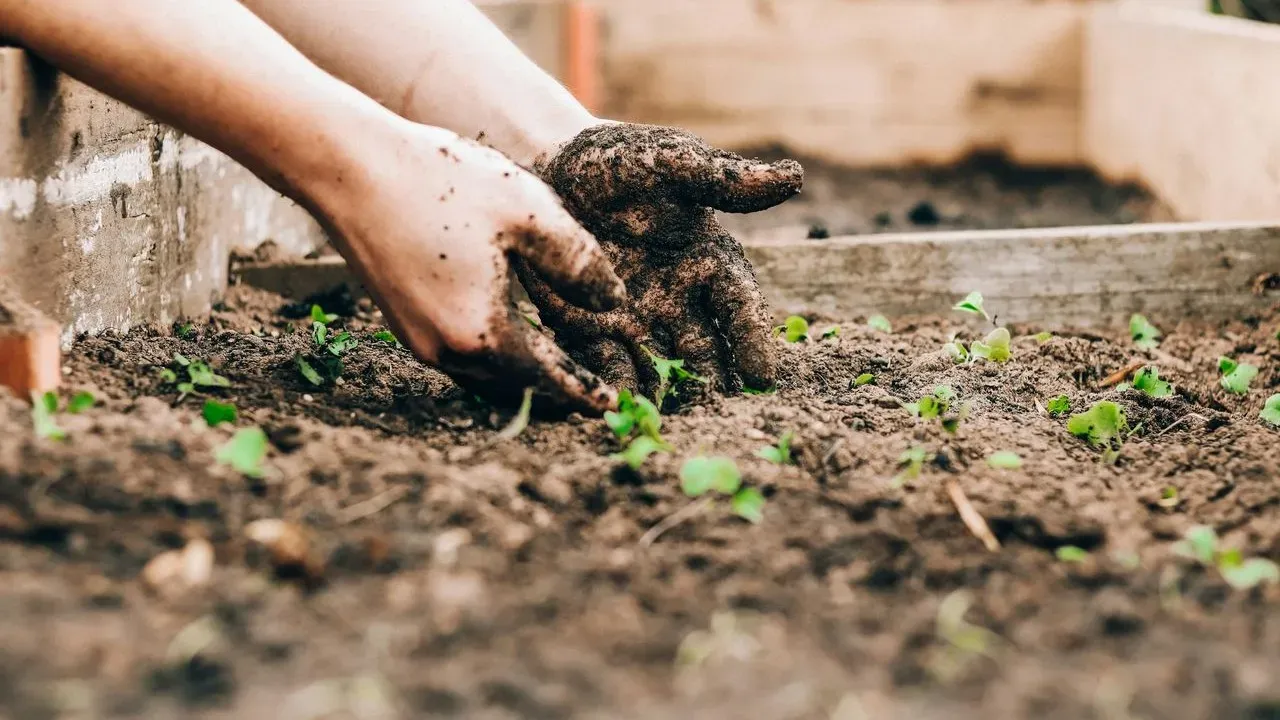

Gardening with children works best when results appear quickly and the plants survive occasional neglect. Young gardeners want visible progress and something they can pick or taste, not lessons on soil chemistry. Several reliable options deliver exactly that in containers, on patios, or in small yards across much of the United States.
Mint Rewards Immediate Attention
Mint ranks among the easiest starting points for new gardeners. It thrives in a pot placed in partial shade and tolerates both overwatering and underwatering within the same week. Leaves can be pinched for drinks or snacks within two weeks of planting. Keep the plant in its own container to prevent it from spreading aggressively in the ground. Regular pinching encourages bushier growth, which children quickly learn through hands-on practice. Cutting the stems back hard in late summer prompts fresh shoots for continued harvests.
Strawberries Teach Patience and Reward
Strawberry plants offer a clear lesson in waiting for a payoff. Young plants set out in spring produce hanging fruit in hanging baskets or troughs that keep berries off the soil. Daily or every-other-day watering once flowers appear supports steady development. The first ripe berry often disappears before reaching the kitchen, which adds to the appeal for children. Runners that form can be snipped and potted to create new plants at no extra cost. This cycle shows how one purchase can expand over time.
Sunflowers Provide Measurable Growth
Sunflower seeds sown directly in May produce rapid vertical progress that children can track weekly. Mark the planting spot clearly to avoid accidental damage during early stages. Shorter varieties suit balconies, while taller types work along fences with simple support. By August many plants exceed a child’s height, creating a satisfying comparison. Once flowering ends, the seed heads can remain for birds before seeds are collected for the following year. This hands-off finish keeps the project low maintenance.
Nasturtiums Offer Edible Color
Nasturtiums appeal to children who enjoy tasting their harvest. The peppery leaves and flowers add interest to salads, while the seeds can be pickled for later use. Direct sowing in average or poor soil encourages blooms rather than excessive foliage. The plants trail attractively over pot edges or raised beds and continue flowering until frost. They also draw aphids, which can protect nearby crops such as beans. This dual role makes them a practical addition to small edible gardens.
Window-Box Herbs Create Daily Rituals
A simple box planted with chives, parsley, and thyme on a sunny kitchen windowsill supplies fresh flavor for evening meals. Chives return yearly and produce attractive purple flowers. Parsley establishes faster when purchased as a plant rather than started from seed. Thyme prefers the brightest spot and needs the least frequent watering. Children gain a regular task of harvesting what goes on their plates. Growing something edible alongside ornamental plants increases the chance they will try new foods they helped produce. The same principles apply whether the space is a full yard or a few containers. Letting a child claim one pot as their own, watering together in the evening, and mixing edible and visual plants keeps the activity engaging without pressure. These choices turn occasional forgetfulness into continued success rather than disappointment.
AI Disclaimer: This article was created with the assistance of AI tools and reviewed by a human editor.