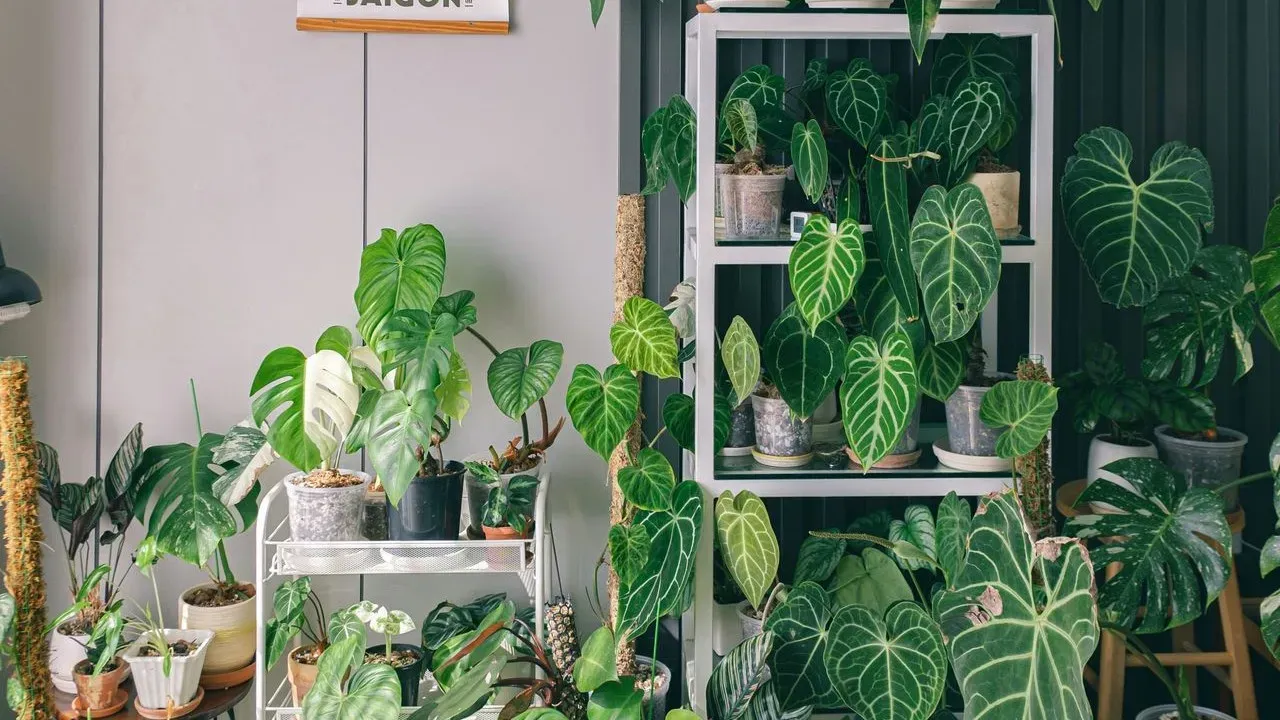

Many people select a houseplant because of its striking foliage or the way it appears in a social media post. Yet long-term success depends far more on whether the plant’s requirements align with the actual conditions inside the home. Light levels, humidity, temperature stability, and realistic care routines determine whether a specimen flourishes or slowly declines.
Light Remains the Deciding Factor
Light intensity varies sharply even within a single room. Direct sun, bright indirect light, medium light, and low light each support different plant types, and the difference becomes clear only after observing a space at several times of day. A window that seems bright to the eye may still deliver far less usable light a few feet away, especially when curtains or nearby buildings filter the rays. High-light plants need unobstructed southern or western exposure, while medium-light species tolerate a short distance from glass or filtered conditions. Low-light tolerant plants endure dimmer corners longer than most, but they still require some illumination to avoid weak, leggy growth or dropped leaves. Seasonal changes in sun angle further alter what any given spot actually provides.
Humidity, Temperature, and Airflow Shape Daily Needs
Household air is frequently drier than many tropical species prefer, particularly near heating vents or air-conditioning units. A simple hygrometer reveals actual moisture levels and helps decide whether grouping plants, using a humidifier, or moving specimens away from drafts will improve conditions. Pebble trays offer only localized relief and cannot replace adequate room humidity when a plant genuinely requires it. Temperature swings from open windows, radiators, or sudden blasts of cold air stress foliage and roots alike. Stable conditions generally prove safer than brief exposure to extremes. Gentle airflow helps prevent stagnant moisture around leaves, yet constant strong drafts accelerate drying and increase watering frequency.
Watering Habits Must Match the Plant and Its Container
Honest assessment of personal routines matters more than good intentions. Some owners forget to water for weeks, while others tend to overwater or travel frequently. Checking soil an inch or two below the surface, confirming drainage holes exist, and noting recent changes in light or humidity provide better guidance than any fixed calendar. Symptoms such as crispy leaf edges or yellowing foliage can stem from underwatering, overwatering, low humidity, or poor drainage, so multiple factors need consideration together. Thorough watering until excess drains away differs sharply from leaving a pot sitting in standing water, which quickly damages roots in low-light settings.
Space, Safety, and Long-Term Maintenance Complete the Picture
Mature size often surprises buyers who judge a plant only by its nursery pot. Clearance from windows, shelf stability, and room for future repotting or pruning all influence whether a specimen remains healthy. Overcrowded conditions reduce airflow and make early pest detection more difficult. Households with children or pets should verify toxicity information through established botanical or veterinary sources rather than informal online claims. Some plants require little beyond occasional attention, while others demand regular pruning, seasonal repotting, or precise humidity control. Labels supply basic guidance but frequently simplify more complex needs; consulting the botanical name helps avoid confusion between species that share common names. A short record of placement, watering dates, and leaf changes during the first weeks often reveals patterns before minor issues become serious problems. The four-step approach of observing the room, defining a realistic care routine, confirming the plant’s actual requirements, and monitoring after placement consistently improves outcomes across different homes and lifestyles.
AI Disclaimer: This article was created with the assistance of AI tools and reviewed by a human editor.