

Most of us have shared a room with someone who mutters, rambles, or even carries on a full conversation in the middle of the night, completely unaware they’re doing it. It’s one of those sleep behaviors that feels mysterious precisely because the person responsible has no memory of it at all.
Sleep talking is far more common than most people realize, yet it remains genuinely puzzling to researchers. The science behind who talks, when, and why touches on neurology, genetics, mental health, and the strange architecture of sleep itself.
What Exactly Is Sleep Talking?

Sleep talking, technically known as somniloquy, is a parasomnia in which a person speaks aloud while asleep. It can range from simple mumbling sounds to loud shouts or long, frequently inarticulate speeches. It can occur many times during a sleep cycle, happening in both NREM and REM sleep stages, though it most commonly occurs during delta-wave NREM sleep or temporary arousals from it.
The content of sleep talking is not reliably meaningful. Sleep talkers may produce emotional exclamations, fragments of apparent conversation, instructions, or complete nonsense. Attempts to interpret the content as revealing hidden thoughts or feelings are not scientifically supported.
How Common Is It, Really?

Studies have found that up to 66% of people have experienced episodes of sleep talking, making it one of the most common parasomnias. However, only about 17% of people report sleep talking within the last three months, indicating that while most individuals encounter this phenomenon at some point, regular occurrence remains relatively uncommon.
Roughly half of all children between the ages of 3 and 10 talk during sleep, while only about 5% of adults keep chatting while asleep. The prevalence in childhood is estimated at between 4 and 14%, and in adults at 1 to 5%. The drop-off with age is real and consistent across studies.
Why Children Talk More Than Adults

Children’s brains are less mature, and therefore less able to switch between wakefulness and sleep as smoothly as an adult’s. They also need more sleep overall, meaning there is simply more opportunity for the parasomnia to manifest. Babies, toddlers, and young children have a higher proportion of REM sleep to non-REM sleep, and sleep talking, like other parasomnias, is a normal feature of REM sleep at times.
As the brain matures and sleep architecture becomes more stable, the frequency of sleep talking naturally declines. This is why most adults who talk in their sleep tend to do so only occasionally, often during periods of stress or disrupted sleep.
The Brain Mechanics Behind Sleep Talking
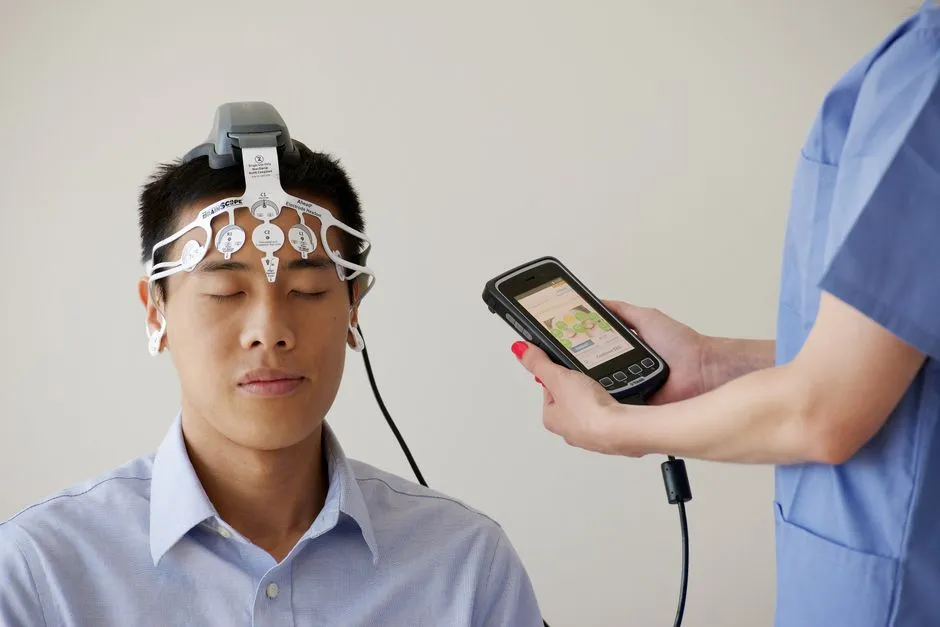
Sleep talking happens when speech-related brain areas, including Broca’s area and the motor cortex, briefly activate during transitions between sleep stages. A study published in the journal Sleep found that verbal sleep talking engages the brain’s left-hemisphere language network during NREM sleep. It’s as if part of the brain wakes up just enough to produce speech while the rest stays asleep.
During non-REM sleep, which doesn’t involve the same motor paralysis as REM, sleep talking is thought to be caused by partial awakenings of brain regions involved in language production, activity that can actually be detected with EEG electrodes on the scalp. Little is still known about what precisely causes brain activity to become more wake-like, or what threshold pushes someone to speak out.
The Role of Genetics

Sleep talking demonstrates a strong hereditary component across multiple research studies. Children whose parents experience sleep talking are significantly more likely to develop the condition themselves, though it can occur without parental history. The genetic predisposition appears to run in families, with identical twins showing higher concordance than fraternal twins.
In a population-based twin cohort study involving over 12,000 twin individuals, the probandwise concordance rate for childhood sleep talking was 0.53 in monozygotic pairs and 0.36 in dizygotic pairs, suggesting a meaningful but not absolute genetic influence. The genetic link may involve how easily the brain transitions between sleep stages and how tightly it suppresses motor activity during those transitions.
Stress and Anxiety as Triggers

Stress is one of the most common triggers of sleep talking. When stressed, the brain may remain more active at night, and this increased brain activity can make sleep talking more likely. Periods of major life change, such as exams, job changes, relationship stress, or illness, can temporarily increase episodes.
Anxiety and psychological conditions substantially increase incidence rates, creating a complex relationship between mental health and nocturnal vocalizations. Post-traumatic stress disorder demonstrates particularly strong associations, with approximately 30% of people with PTSD experiencing sleep talking. Research also shows that the frequency of sleep talking among those with PTSD or other psychiatric conditions is roughly twice as high as for those without such disorders.
Sleep Deprivation Makes It Worse

Not getting enough sleep disrupts normal sleep cycles. When sleep-deprived, the brain struggles to maintain stable sleep stages, may enter REM sleep more quickly, and experiences partial awakenings. These disruptions can increase parasomnias, including sleep talking.
Improving sleep habits alone often reduces episodes significantly. This is worth noting because it means sleep talking, in many cases, isn’t a fixed trait. It responds to how well-rested a person is, making good sleep hygiene one of the most practical tools for reducing it.
The Alcohol and Medication Connection

Alcohol and some medications, including certain antidepressants and sleep aids, can suppress normal REM sleep, cause rebound REM later in the night, and trigger vivid dreams or physical dream enactment. In cases of REM sleep behavior disorder, roughly 45% of occurrences are linked to alcohol or sedative-hypnotic withdrawal, tricyclic antidepressants, or serotonin reuptake inhibitor use.
Certain antidepressants, particularly SSRIs and SNRIs, can increase the frequency of REM-related sleep phenomena, including vivid dreams and sleep talking. Other medications that affect sleep architecture, such as benzodiazepines and some antipsychotics, can also influence parasomnia frequency. Anyone who notices a change in sleep talking after starting a new medication should bring it up with their doctor.
When Sleep Talking Signals Something More Serious
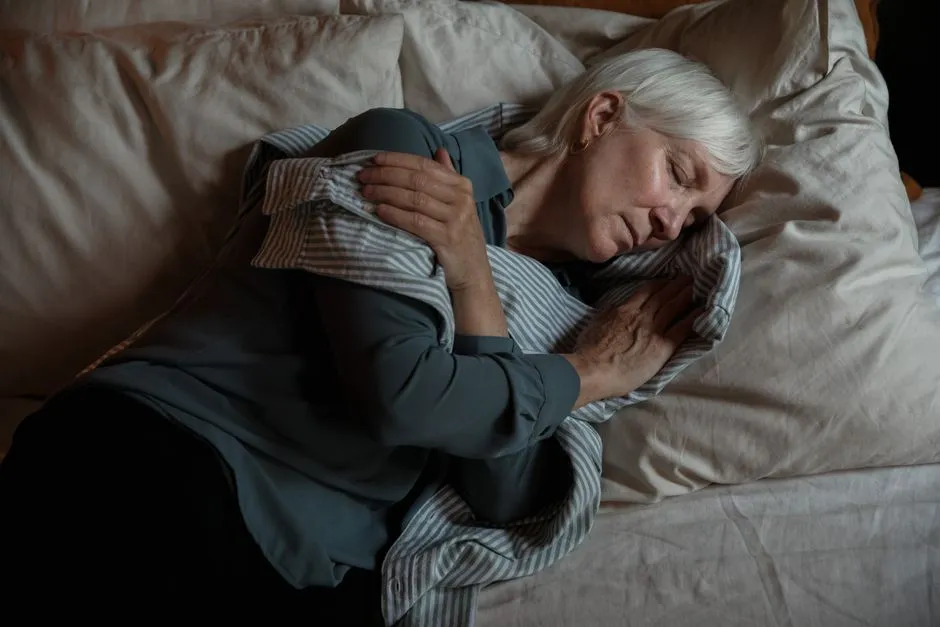
A population-based prospective study published in October 2024 in the Journal of the American Heart Association found that sleep talking was associated with a higher risk of developing stroke, suggesting it may be a novel risk factor worth clinical attention. Relative to participants without sleep talking at baseline, those with sleep talking had a roughly 30% higher risk of developing stroke, after adjusting for potential confounders.
While sleep talking is generally a harmless and random event, sometimes it has associations with more serious illnesses. A study found that people with Parkinson’s disease were seven times more likely to experience REM sleep behavior disorder. In older adults, somniloquy may be associated with obstructive sleep apnea, other disorders of arousal, or REM sleep behavior disorder.
What Sleep Talkers Actually Say
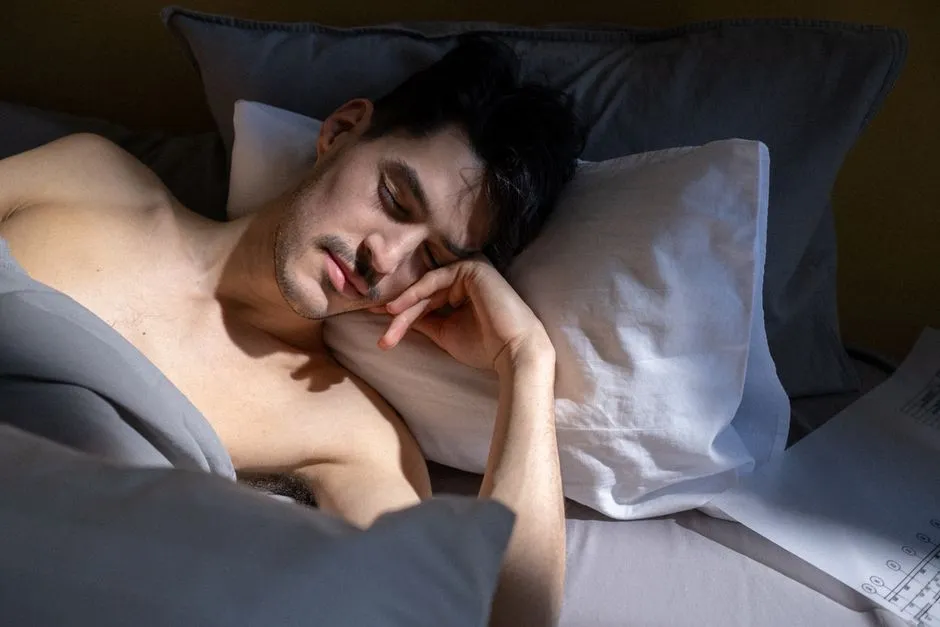
A study in the journal Sleep analyzed over 800 sleep-talking episodes and found that REM-stage speech more often contains negative emotional content, because the prefrontal cortex, which normally regulates impulse and tone, is largely offline during that phase. A separate linguistic study of somniloquy found that around half of recorded sleep talking was completely incomprehensible.
The sleeping brain, it turns out, is not mumbling at random. It’s usually, in some sense, arguing with someone. Sleep talk can range from odd words and grumblings to full conversations that the speaker cannot recall, and how it relates to what’s going on in the sleeper’s brain remains genuinely difficult to pin down.
Why Some People Never Talk at All

Researchers have found no clear rhyme or reason for why some people talk in their sleep and others do not. Sleep talking runs in families, and studies on twins suggest a heritable component, though no single “sleep talking gene” has been identified. For people who simply never do it, a combination of stable sleep architecture, lower stress levels, and genetics likely explains the silence.
Science doesn’t yet have a single settled answer to why somniloquy evolved or persists. The memory consolidation hypothesis holds that sleep talking may be a byproduct, or even a signal, of the brain’s nightly memory processing. Those who don’t talk may simply have brains that complete the same processes more quietly, with fewer motor spillovers.
The Takeaway

Sleep talking occupies a curious middle ground in sleep science: common enough to affect most people at some point in their lives, yet still not fully understood. The picture that research paints is one of a brain that sometimes fails to stay neatly contained within sleep, briefly letting language slip out through the cracks between stages.
For most people, it’s harmless and occasional. For some, it’s a signal worth paying attention to, especially if it’s frequent, violent, or tied to other symptoms. The clearest takeaway from the evidence is that stress, sleep quality, genetics, and overall health all shape whether your sleeping brain stays quiet or starts talking. Managing the first two is well within reach, and for many people, that’s enough to bring the night back to silence.
AI Disclaimer: This article was created with the assistance of AI tools and reviewed by a human editor.