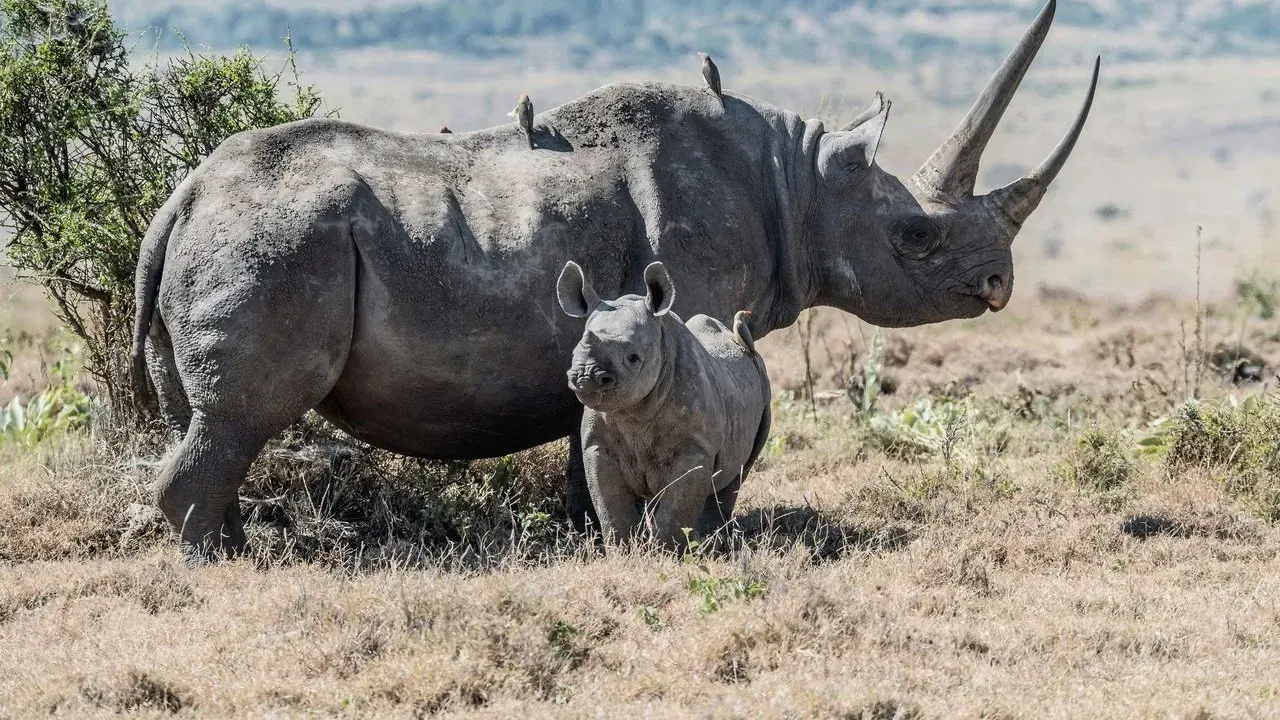

Nevada holds vast stretches of habitat that scientists have only begun to catalog in detail. A University of Nevada, Reno biologist is now part of a worldwide project to record species that have not been observed in a decade or more, placing them in a category between known extinction and active protection. The work arrives at a time when federal agencies have added almost no new species to the endangered list in recent years. ([1])
A Gray Area Between Presence and Absence
Biologists have long maintained separate processes for confirming a new species or declaring one extinct. Species that simply stop appearing in surveys often fall into a less defined category labeled data deficient. The new approach reframes those cases as “lost,” a term meant to prompt renewed searches rather than quiet acceptance. This shift in language carries practical weight. Calling a species lost signals urgency to field teams and volunteers who might otherwise move on to better-documented cases. It also creates a public record that prevents the organism from vanishing without notice, even if later surveys confirm its disappearance.
Documenting Nevada’s Missing Wildlife and Plants
One example is a small wildflower once found in the scrub near what is now Las Vegas. No confirmed sightings have occurred in nearly a century, and the plant is not known to grow anywhere else. Across the state, roughly twenty animals that once lived in Nevada no longer do, while nearly fifty more plants and animals carry federal endangered or threatened status. Hundreds of additional species exist in only a handful of locations. Matthew Forister, an entomologist at the university, co-edits the Journal of Lost Species. The publication gathers reports from researchers who have spent years monitoring butterflies and other insects. Forister noted that the sheer number of species without recent records is enormous and that the journal aims to give each one a documented place in scientific memory.
Fewer Listings, Greater Uncertainty
The U.S. Fish and Wildlife Service has added only three species to the endangered list since the start of the current administration, all in the Southeast. In the same period, staffing in the agency’s Nevada office dropped by more than a third. Nationally, the agency lost thousands of positions between 2024 and 2026. These changes slow the formal review process for the hundreds of species already waiting for decisions. Nevada ranks high in overall species diversity yet also ranks high in the number of organisms considered at risk within state borders. Without updated listings, land-use decisions proceed with less regulatory clarity for both developers and conservation groups.
Why the Distinction Matters
Declaring a species extinct carries legal consequences. Protected status can be removed once extinction is confirmed, freeing agencies from certain review requirements. The lost-species designation keeps the question open while fieldwork continues. Jamey McClinton of the Nevada Division of Natural Heritage observed that the journal fills a useful middle ground. It allows biologists to record observations without immediately triggering or ending regulatory protections. The approach also preserves a record of the state’s unique natural character, which draws both residents and visitors to its remote springs and mountain meadows. The effort underscores a simple reality: many organisms that evolved in Nevada’s isolated habitats remain poorly known. Continued searches may relocate some of them; others may stay missing. Either outcome benefits from a clear, shared account rather than silence.
AI Disclaimer: This article was created with the assistance of AI tools and reviewed by a human editor.