

Most of us trust thirst the way we trust hunger. Feel it, respond to it, problem solved. For older adults, though, that internal signal quietly fades over time, leaving the body running low on fluids while the brain stays completely silent about it. It’s one of the more unsettling quirks of aging, and it’s far more common than most people realize.
Understanding why this happens, and what it means for long-term health, matters more as the global population continues to age. The evidence is clear, consistent, and worth paying close attention to.
The Thirst Signal Weakens With Age
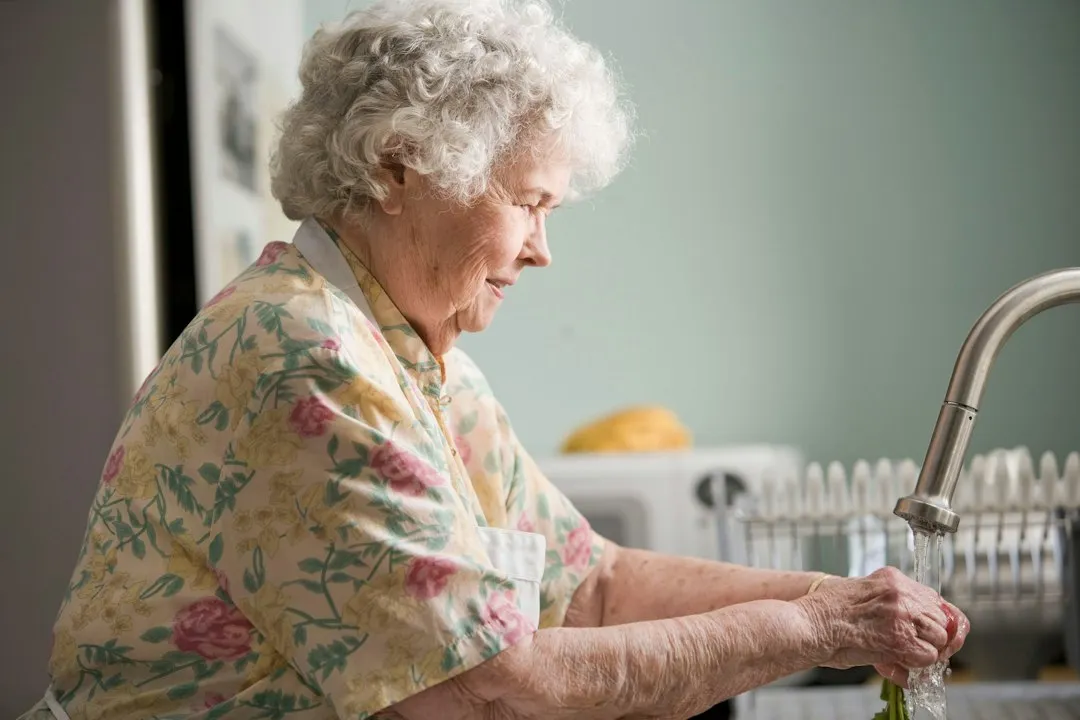
When you start to feel parched, your brain tells you to drink. That sense of thirst naturally weakens with age. It’s not a dramatic change that happens overnight. It’s a gradual dulling of one of the body’s most basic protective mechanisms.
Research by Phillips and colleagues demonstrated that healthy older men deprived of water for a full 24 hours reported no significant increase in subjective sensations of thirst or mouth dryness compared to young controls. Moreover, the older men drank less water afterward and had raised plasma osmolality compared to pre-deprivation levels. That’s a striking finding. Their bodies were clearly dehydrated, yet they felt almost nothing that would prompt them to drink.
How Big Is This Problem, Really?

One in every four older adults has low-intake dehydration. That figure comes from a systematic review and meta-analysis published in the journal Clinical Nutrition, using plasma osmolality as the most reliable measure of hydration status.
The meta-analysis found that roughly a quarter of older people were dehydrated overall, with long-term care residents showing a prevalence of about a third, while community-dwelling older adults came in at nearly one in five. Research also suggests that up to roughly four in ten older adults living independently may be chronically underhydrated, not dangerously dehydrated, but consistently running low day after day.
The Brain’s Alarm System Stops Firing Properly
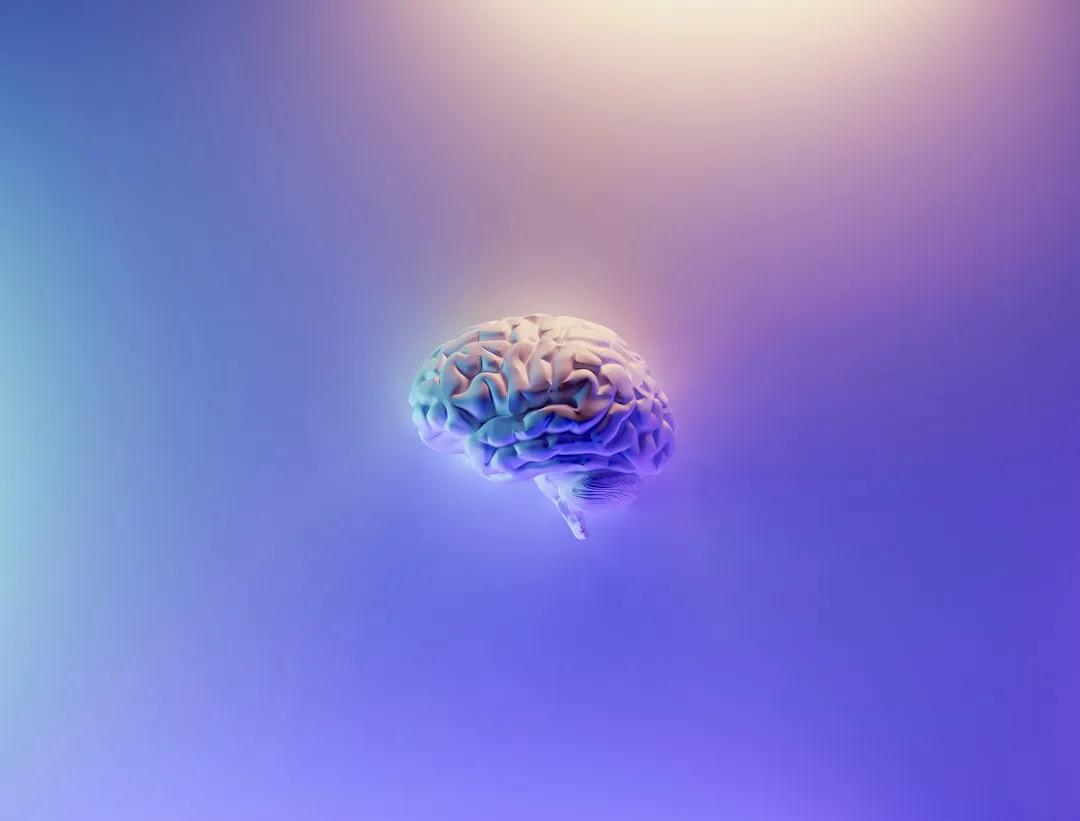
A blunted thirst mechanism in older adults appears to be related to a deficit in central nervous system pathways with age, rather than problems with the osmoreceptors themselves. In other words, the sensors that detect low fluid levels may still be partially functioning, but the brain’s response to those signals becomes sluggish and unreliable.
As people age, thirst sensation reduces and thirst’s osmotic set point increases, meaning that older adults will feel thirsty later and drink less than younger individuals. Think of it like a smoke alarm with a battery running low. The danger is real, but the warning comes too late or not at all.
The Body Holds Less Water to Begin With
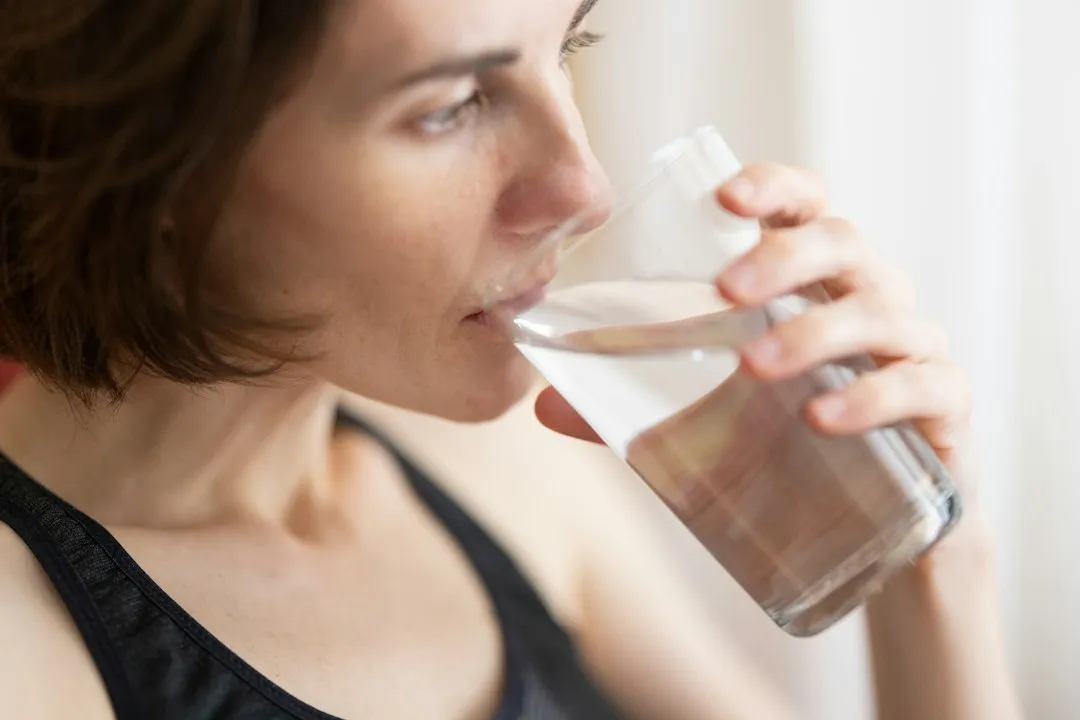
As you age, your muscle mass naturally decreases. Because your muscles hold water, less muscle mass means less water storage. Research shows that older adults have a lower percentage of total body water content compared to younger people.
There is a reduction in lean body mass accompanied by a reduction in total body water by roughly ten to fifteen percent, as well as a blunted thirst response and a reduction in renal function by up to 63 percent from the age of 30 to 80 years. Starting with smaller fluid reserves makes every bout of inadequate drinking that much more consequential.
The Kidneys Can No Longer Compensate
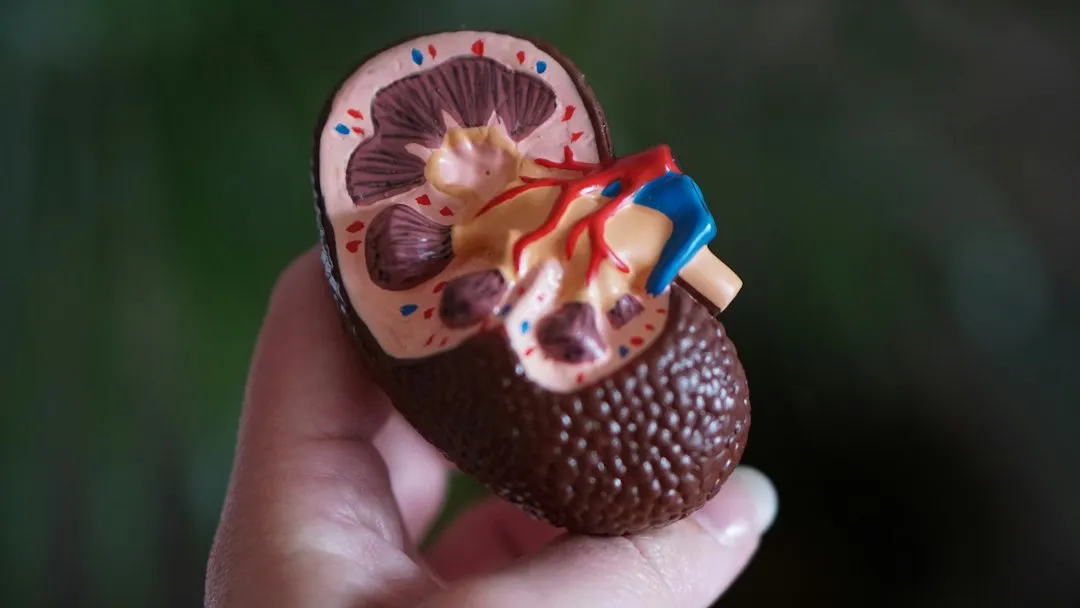
Evidence from longitudinal population studies indicates that many aspects of renal function, including creatinine clearance and maximal urinary concentrating ability, decrease with advancing age. The glomerular filtration rate declines after age 40 and accelerates after age 65, declining by approximately half from the ages of 30 to 80 years.
Adults aged 60 to 79 years have an approximately 20 percent reduction in maximum urinary concentrating ability. By age 80, there is a reduction of more than half in maximum urinary concentrating ability compared to the youthful peak. Ageing results in kidneys becoming less effective at concentrating urine, so older adults are less able to conserve fluid. The result is that even modest fluid loss becomes harder for the body to recover from on its own.
Common Medications Make It Worse
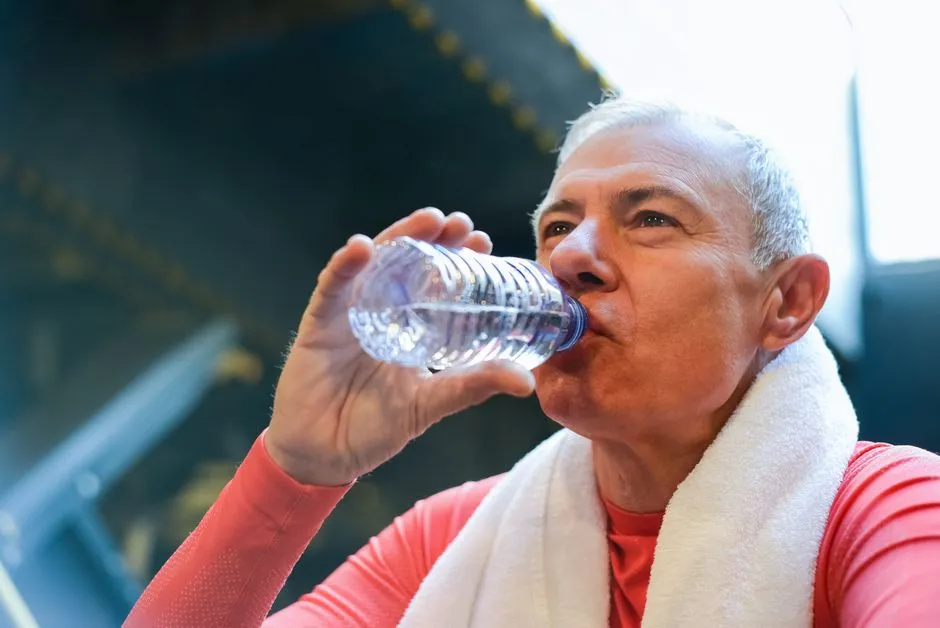
Age-related medications can lead to a greater risk of dehydration. Loop diuretics inhibit sodium and chloride reabsorption in the loop of Henle, resulting in significant fluid loss. They have a strong diuretic effect that can lead to rapid fluid loss, which further increases the risk of dehydration, especially in older adults with compromised renal function.
In addition to physical changes and inadequate fluid intake, different age-associated medications lead to a higher dehydration risk. A variety of drug-induced mechanisms like increased urine volume, decreased thirst sensation, and increased sweat production can alter the hydration status. If you take a combination of several medications, interactions may further lead to dehydration. This is a daily reality for many seniors managing multiple chronic conditions.
Cognitive Decline Creates a Dangerous Loop
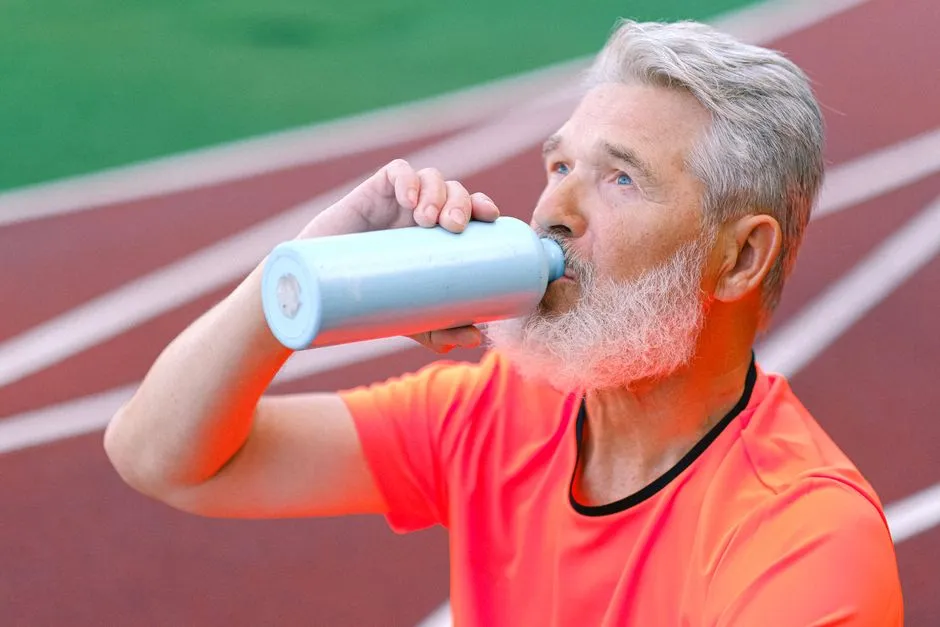
Cognitive impairment is one of the most common psychological factors that increases the risk of dehydration with age. When someone can’t reliably remember to drink, or can’t recognize and respond to mild discomfort, even a weakened thirst signal becomes irrelevant.
Mild cognitive impairment or dementia increases the risk of dehydration, and in turn, dehydration decreases cognitive performance. It’s a feedback loop that’s difficult to break. If you suffer from dementia or Alzheimer’s, you’re at a greater risk for dehydration because you may not remember to drink when you need to. Caregivers often have to take over that function entirely.
Dehydration and the Brain: The Attention Connection
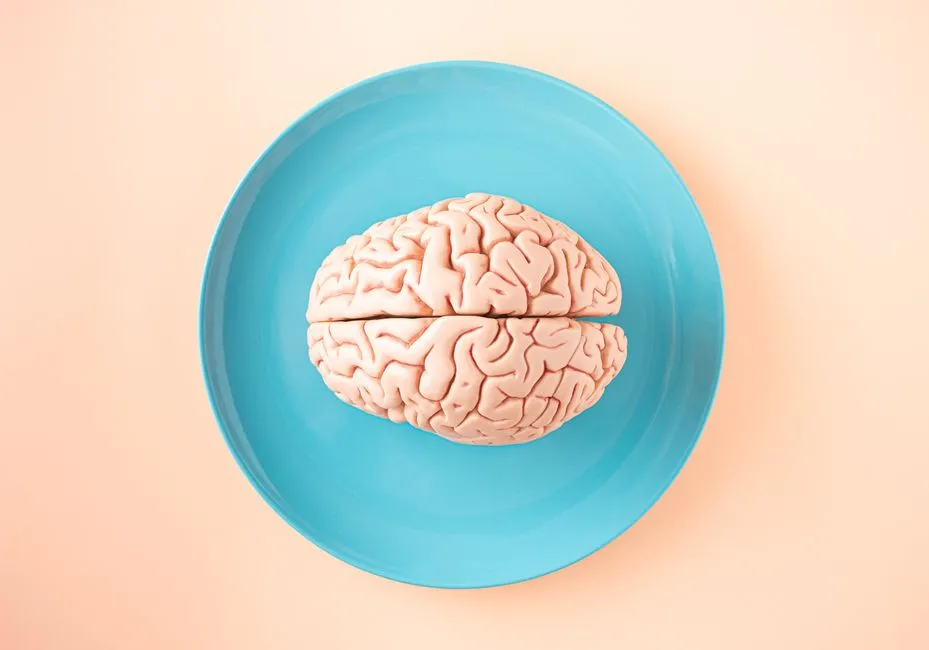
It has been reported that mild dehydration can impair cognitive function, leading to disruptions of concentration, alertness, and short-term memory. These are subtle changes at first, easy to chalk up to a bad night’s sleep or just “getting older.”
Dehydrated individuals in research settings experienced diminished ability to sustain attention. In one study, at each assessment point, between roughly three in ten and nearly four in ten participants were found to be dehydrated. The researchers found that the more dehydrated the participant, the worse they performed on the sustained attention task. Poor focus in an older adult isn’t always about age alone. Sometimes it’s about fluid balance.
The Hospitalization Risk Is Real and Significant
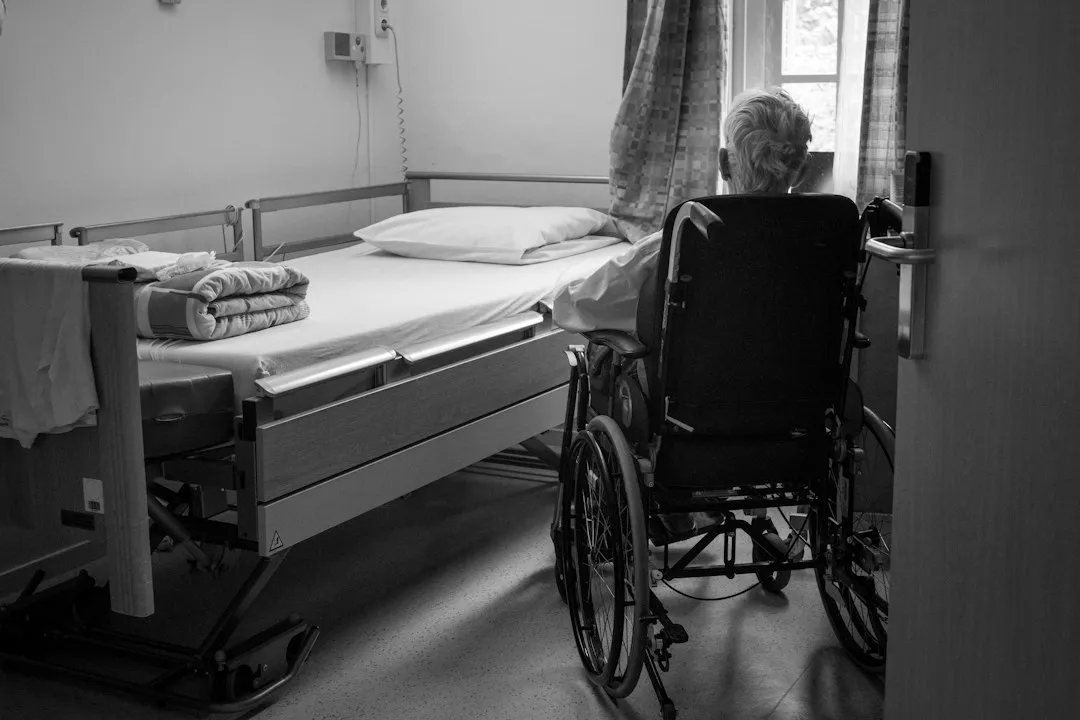
High-quality cohort studies have found that older adults with raised serum osmolality have an increased risk of mortality, even adjusting for key confounding factors. Dehydration has been shown to affect cognitive performance and increase the risk of metabolic and renal diseases. It represents an independent factor of hospital length of stay, readmission, intensive care, in-hospital mortality, and poor prognosis.
Dehydration is a common cause of hospitalization among seniors, and an estimated 17 percent of those seniors die within a month of being hospitalized. Chronic dehydration can also increase the risk of falls, confusion, urinary tract infections, hospitalization, and worsening cognitive decline. These aren’t rare edge cases. They’re documented outcomes from a condition that is largely preventable.
What Can Actually Be Done About It

By the time thirst appears, dehydration may already be affecting blood pressure, cognition, balance, and energy levels. Older adults frequently do not recognize dehydration until symptoms become severe because their sense of thirst diminishes with age. That timing gap is the core problem, which means waiting to feel thirsty is simply not a reliable strategy.
In a multi-country analysis involving over 16,000 participants from 13 countries, approximately half reported inadequate fluid intake, with older adults particularly affected. Scheduled drinking, fluid-rich foods, caregiver reminders, and hydration monitoring tools are all approaches supported by recent research. A 2025 systematic review published in the Journal of Gerontological Nursing examined the effectiveness of self-hydration management interventions in older adults and found structured approaches more effective than relying on thirst alone.
A Quiet Risk That Deserves Louder Attention

What makes dehydration in older adults particularly tricky is how invisible it can be for so long. There’s no obvious signal, no urgent feeling, no moment that prompts action. The body simply runs drier and quieter, and the consequences pile up gradually until they’re hard to ignore.
Thirst was never meant to be the last line of defense. For younger people, it works well enough as a backup. For older adults, it can no longer be relied on as a primary cue at all. Awareness of this shift, by older adults themselves, by families, and by caregivers, is the most practical starting point. Drinking on a schedule rather than on instinct isn’t a minor lifestyle tweak. For many seniors, it’s a genuine health intervention.
AI Disclaimer: This article was created with the assistance of AI tools and reviewed by a human editor.