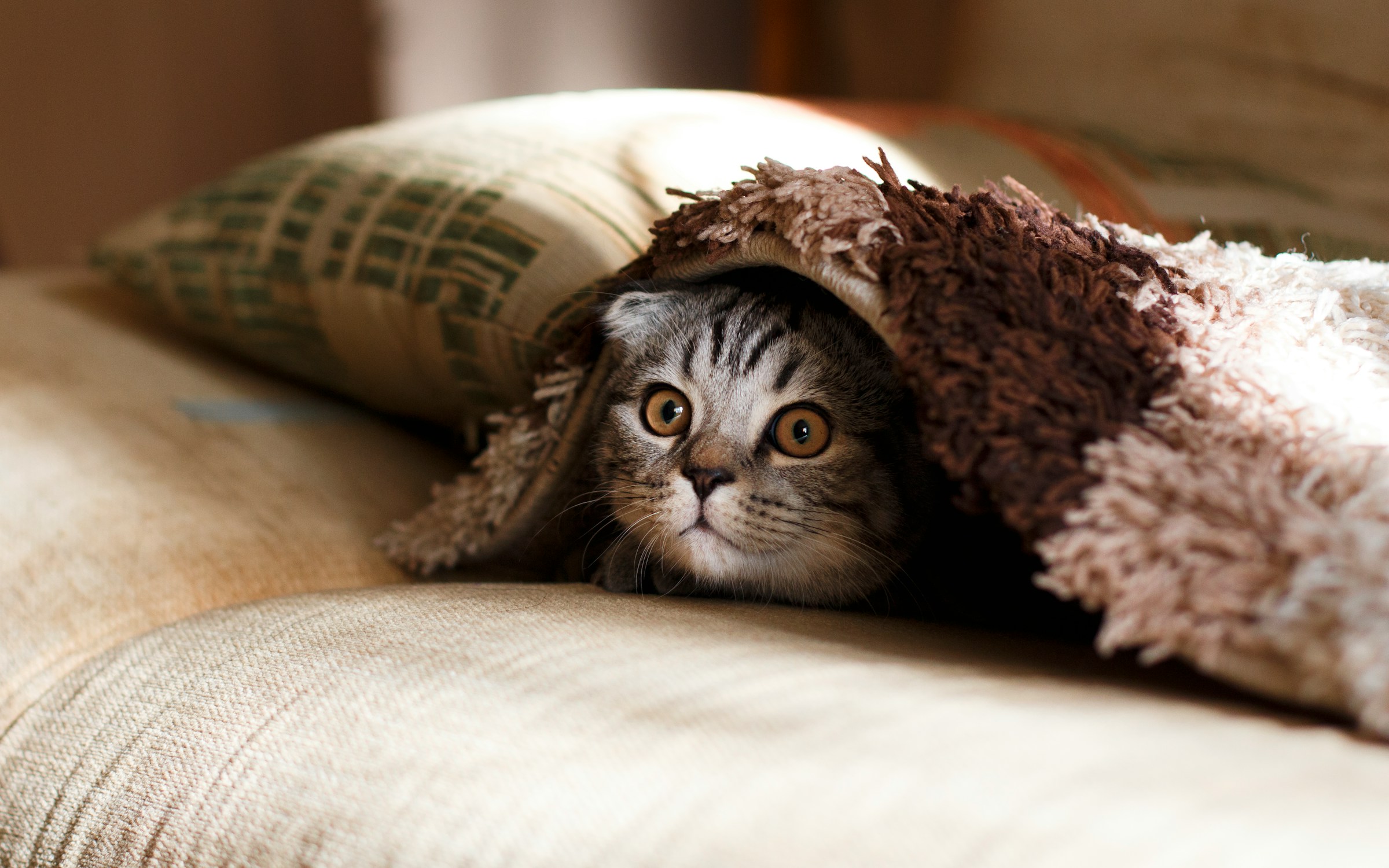

Most cat owners have been there: you wake up at 3 a.m. to a soft paw tapping your cheek, a warm nose pressed against your chin, or a gentle headbutt that somehow feels deliberate. It doesn’t feel random, because it isn’t. Cats are quietly communicating something, and the message is more layered than it first appears.
Feline behavior researchers and veterinary behaviorists have spent considerable time decoding these nighttime rituals. What looks like an annoying interruption to sleep is actually a window into how cats experience trust, security, and social connection. Here’s what we know.
It’s a Deep Sign of Trust
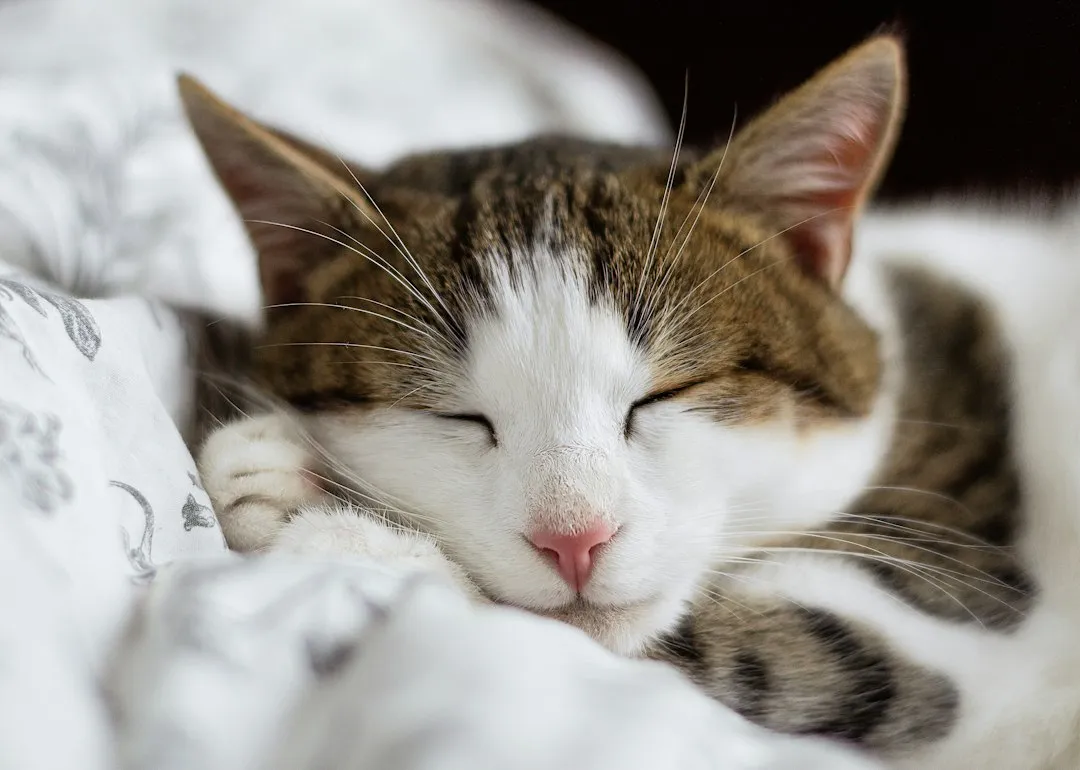
Cats like to sleep next to their owners because they feel most secure when they’re around you. If your cat’s sleeping habits include touching your face, it’s a sign that she trusts you – after all, cats are the most vulnerable when they are asleep.
When you are asleep, you are at your most vulnerable. A cat touching you in that state is the ultimate display of trust and a sign of their protective instinct. They are checking on you and reinforcing your family bond during the quietest and most intimate hours.
From a biological perspective, sleep is the period of maximum vulnerability to predators. By selecting a human as their sleeping partner, cats are demonstrating a high level of perceived safety – they view the owner as a protector who ensures their security while they are unconscious.
They’re Drawn to the Warmth of Your Head
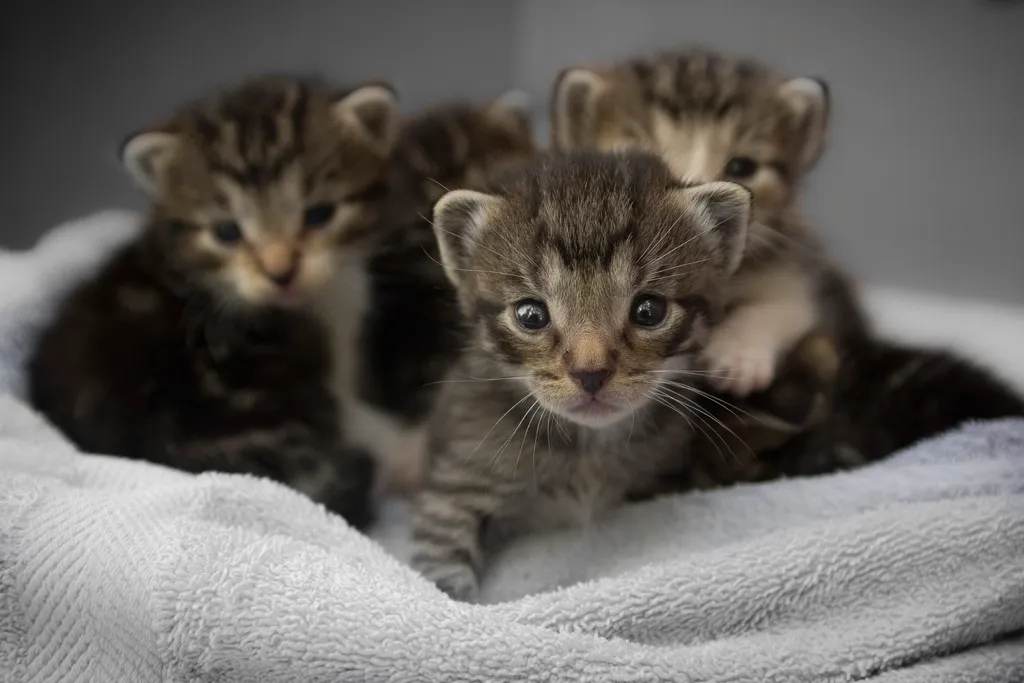
Cats seek warmth and safety. To preserve energy, cats use humans as a source of heat while they sleep. Since our heads are one of the warmest parts of our bodies, cats naturally curl up nearby. We also provide a sense of safety and comfort to our cats, which is why they choose to snuggle up to our faces.
This behavior is related to the cat’s natural instinct to seek out a warm and cozy place to rest. Cats are highly sensitive to temperature and often seek out sources of warmth, such as a lap or a sunbeam, to curl up in. By touching their owners, cats are able to absorb their body heat and feel more comfortable, which helps them relax and fall asleep.
Scent Marking: You Belong to Them
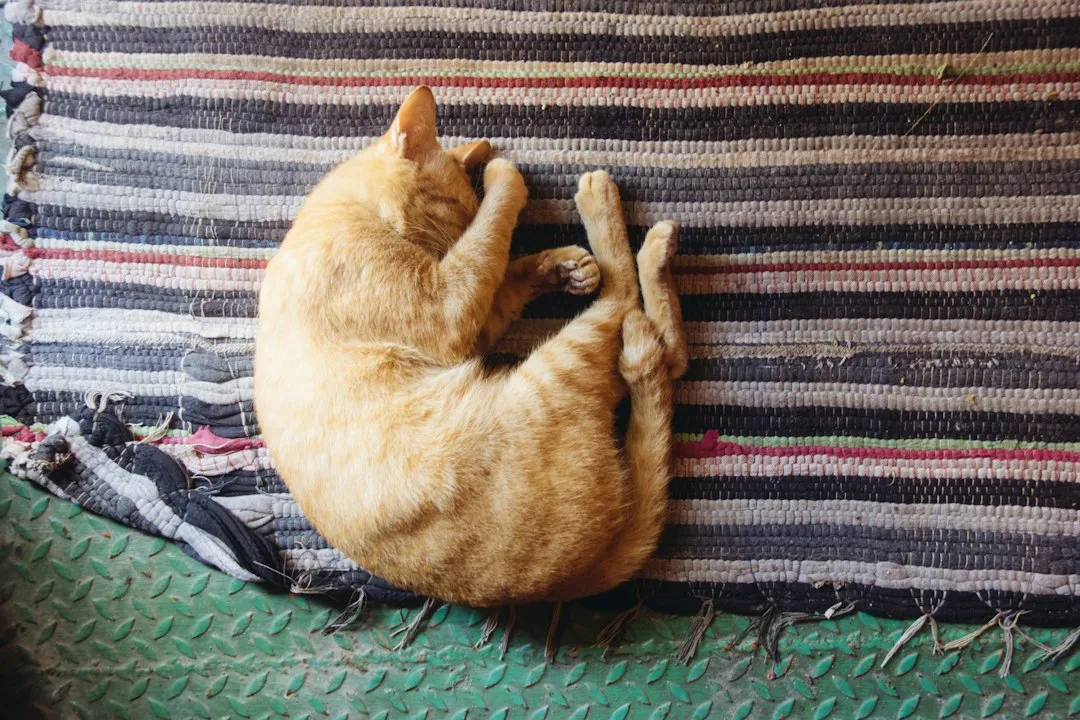
Scent glands in cats are tucked away in specific spots on their bodies: around the face, especially near the cheeks, chin, and lips, along their paws, and even near the base of the tail. When a cat presses its paw or face against yours, it’s activating those glands with purpose.
Kitties have scent glands in the bottoms of their feet that they use to claim their territory. If your cat kneads on you or touches your face with her paws while snuggling up to you, she may be putting her scent on you to show you how much she adores you, according to Animal Planet.
When a cat rubs against a human, it is marking them as part of its social group, doing the same as they would in greeting another cat by mutual rubbing of the face and body. In short, you’ve been claimed, and that’s genuinely a compliment.
Your Face Is Their Communication Hub
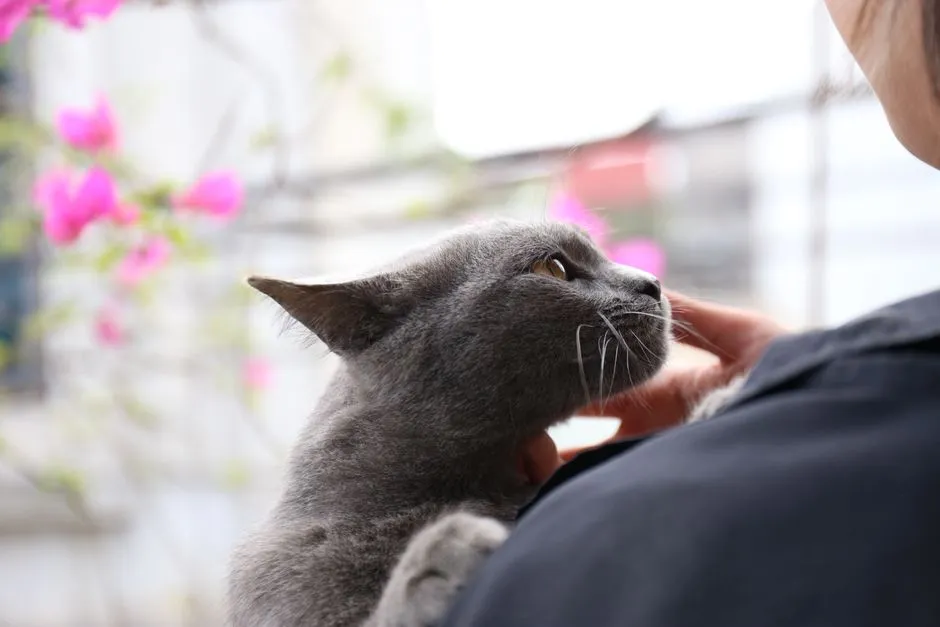
Cats touch your face for multiple reasons: checking if you’re alive, requesting warmth, wanting food, or trying to re-establish social connection. They know your face is the “communication center,” and touching it often wakes you or gets your attention.
One of the most common reasons is that cats use their sense of touch to explore and communicate. By touching your face, your cat is trying to get your attention and convey a message. The face, with its movement, breath, and warmth, is simply the most responsive part of a sleeping human.
It’s a Leftover Behavior from Kittenhood
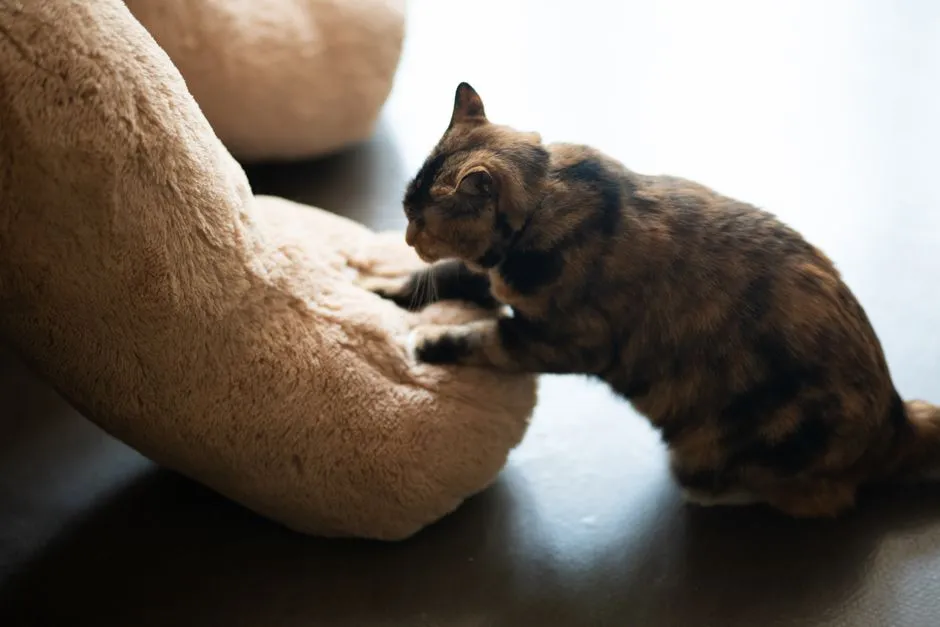
Kneading, the rhythmic pushing motion cats make against a soft surface with their front paws, traces back to nursing. Kittens knead against their mother’s belly to stimulate milk flow, and most cats simply never lose the motion, even though it stops serving that original purpose after weaning.
Some cats do it because they were hand-raised and associate gentle face tapping with kitten-style bonding. This is especially true in cats adopted young or raised closely alongside humans from their earliest weeks. The behavior stays because the emotional association does too.
Kittens learn by observing and imitating their mothers and littermates. If a kitten is handled gently and frequently by its human caregivers from an early age, it may learn to associate human touch with comfort and safety. This social learning can lead to adult cats seeking physical contact, including during sleep, as a way to feel comforted and secure.
They’re Wired to Be Active When You’re Sleeping
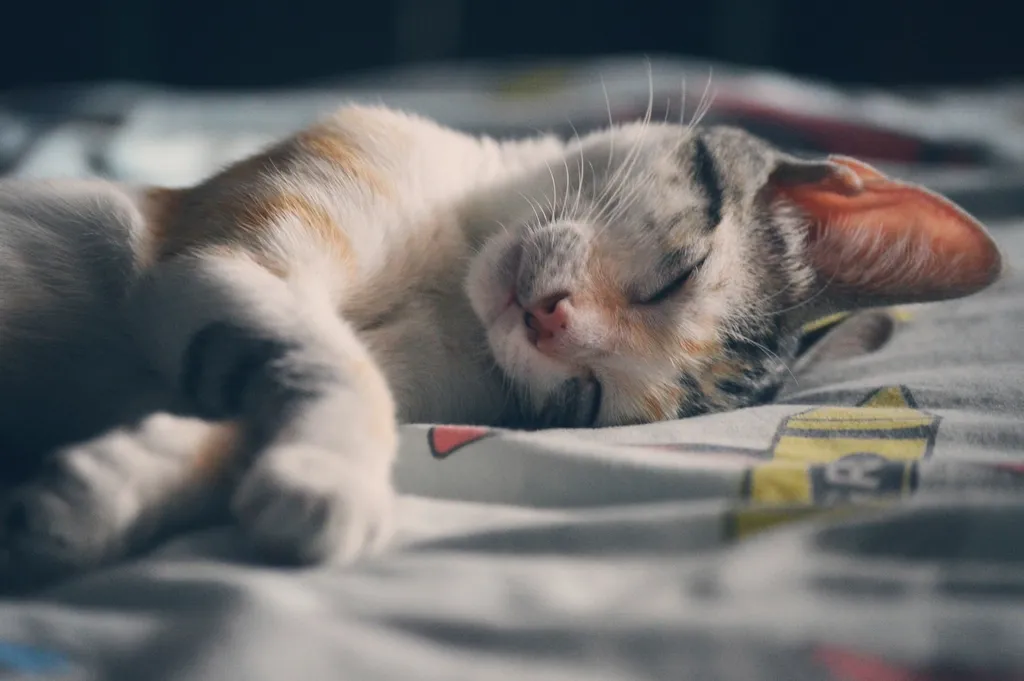
Cats are most naturally active during hunting and exploration at dusk and dawn, a pattern known as crepuscular behavior. That instinct doesn’t simply switch off because there’s carpet under their paws instead of grass. Their crepuscular nature, combined with their sharp senses, makes them more alert during the quieter hours of the day.
Cats are crepuscular animals that are most active during dawn and dusk. If your cat wants attention or food, they may try to wake you up by gently touching your face. This timing isn’t coincidence. The hours you’re most deeply asleep happen to be the hours when your cat is at their most alert and social.
They May Simply Be Hungry
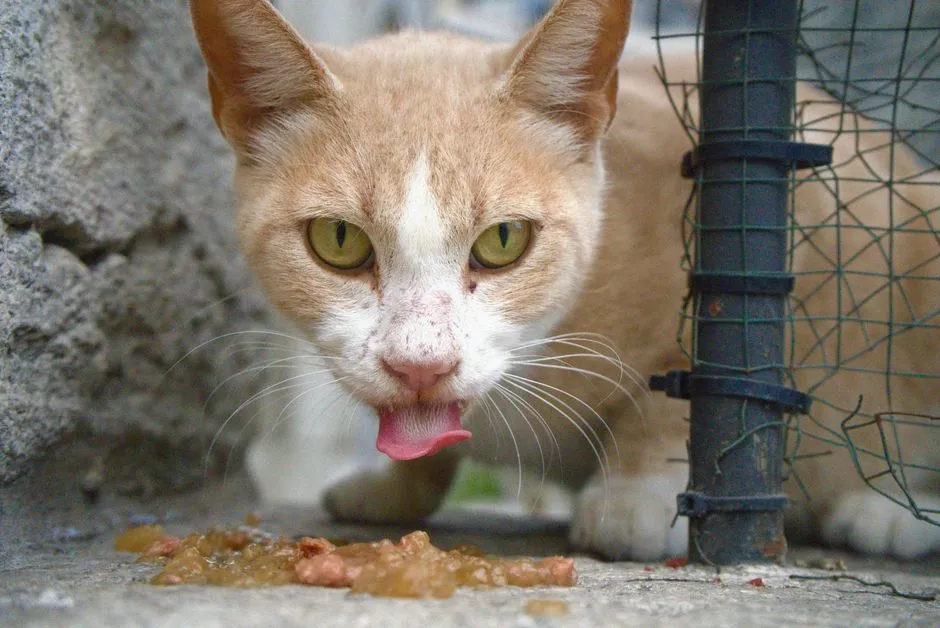
If you have your peaceful sleep interrupted in the morning by the feel of tiny toes on your cheek, your cat might just be trying to get you up. Most likely, your feline friend wants to be fed.
If your cat ever happened to touch your face while you were asleep, and you interpreted that behavior as your cat telling you they were hungry, so you fed them, they might remember the end result. It’s what some call the cat-human training loop – cat takes action, human reacts, cat learns, and repeats at will. Cats are remarkably good at training their owners, often without us realizing it’s happening.
The Oxytocin Connection: Bonding Goes Both Ways
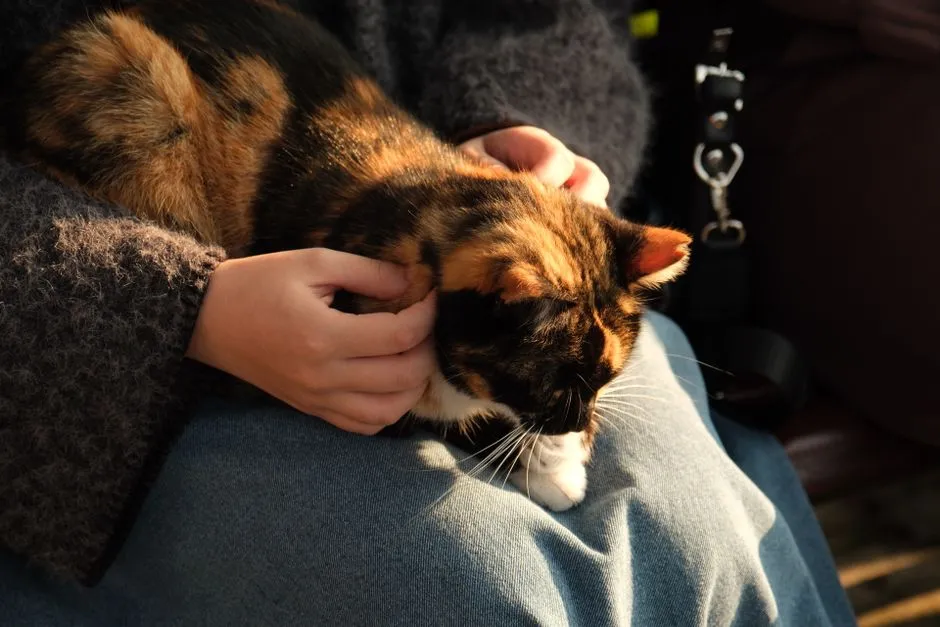
Recent research has shown that cats do form deep emotional bonds with their owners, similar to how dogs and even human infants bond with their caregivers. A 2019 study published in Current Biology found that cats exhibit what’s called the “secure base effect,” meaning they rely on their owners for comfort and security. Just like human babies or dogs, cats view their human companions as a source of safety.
Cats aren’t just acting on instinct when they show affection – science shows they have biological responses similar to ours when bonding. Oxytocin, known as the “love hormone,” is present in both humans and cats and is released during positive interactions, such as petting, playing, or cuddling. That quiet paw on your cheek at midnight is part of a real neurochemical exchange.
Sometimes It’s a Health Signal Worth Noting
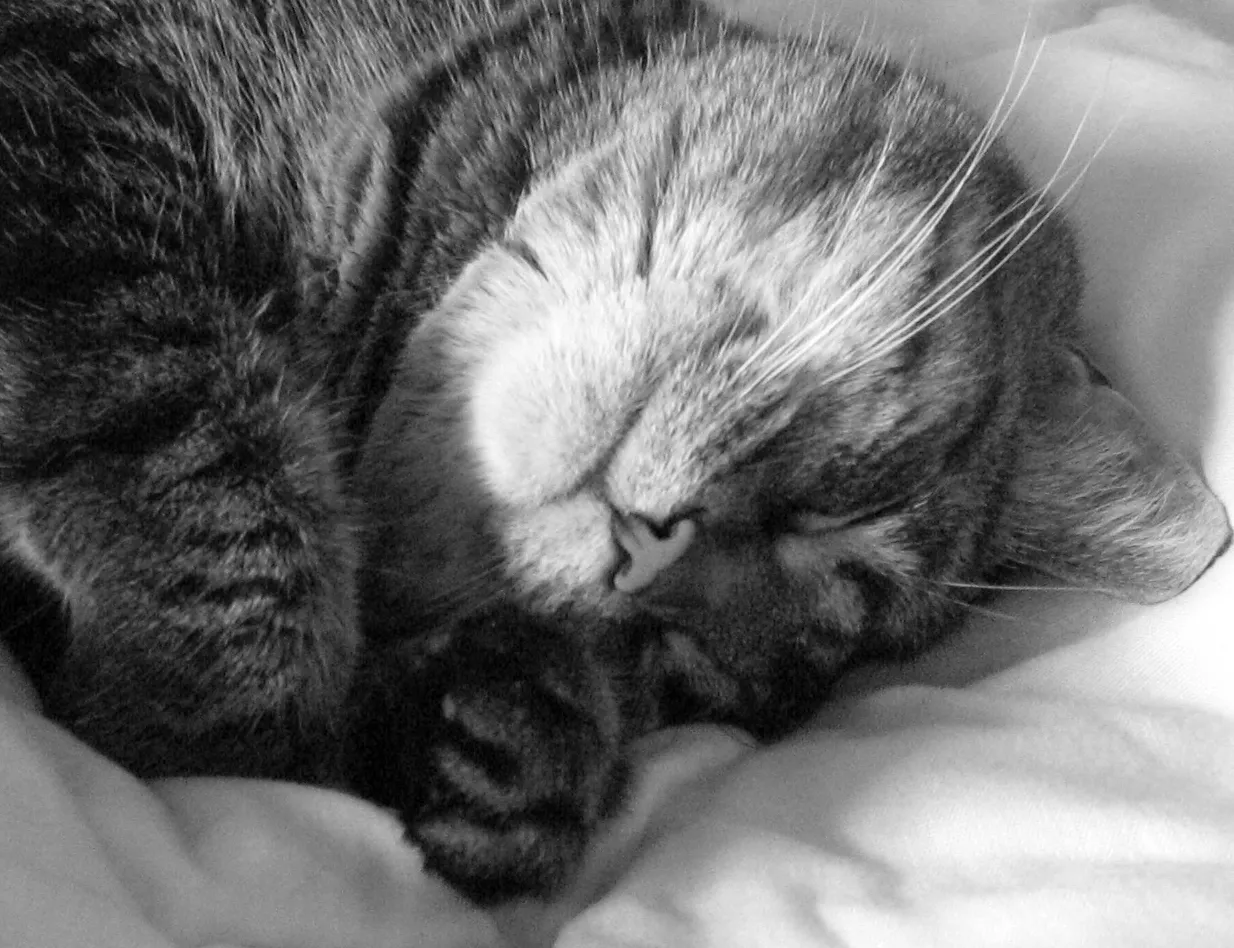
In some cases, cats may touch their owners during sleep due to health issues, such as arthritis or vision loss, which can make them more dependent on their human caregivers for comfort and security. A sudden change in this behavior, especially in older cats, is worth paying attention to.
Cats pawing and headbutting at night often signal a desire for attention or play. This behavior can disrupt owner sleep and may stem from boredom, anxiety, or changes in routine. If the face-touching becomes more intense, more frequent, or accompanied by other unusual signs, a vet visit is a reasonable next step.
Over Half of Cats Prefer Sleeping Near Their Humans
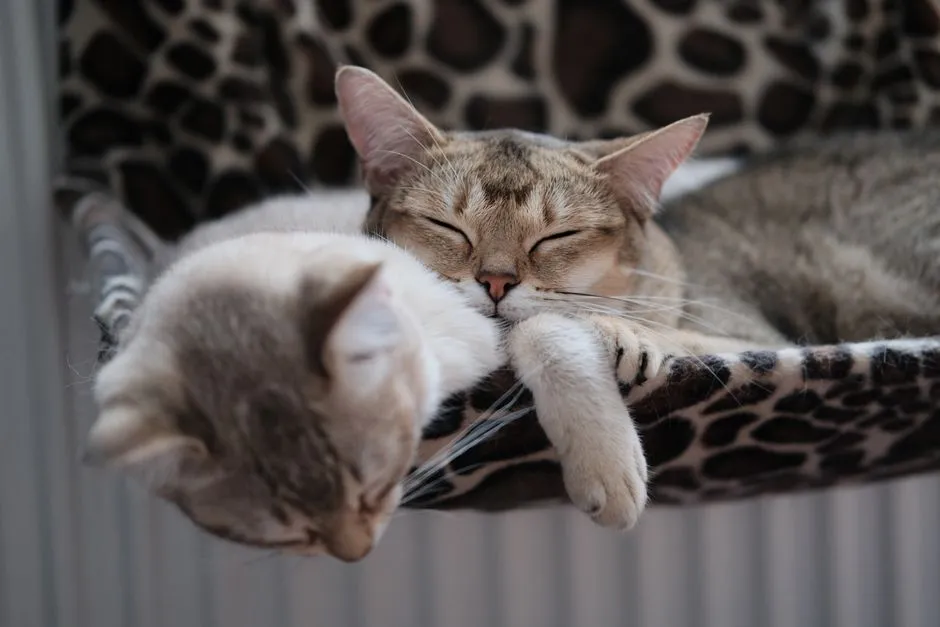
By choosing to sleep on their owner, cats may be instinctively selecting a “safe zone.” Your steady breathing and warmth mimic the comfort of sleeping alongside other members of a pride. Studies in feline behavior have shown that over 60 percent of cats prefer sleeping near humans or other pets they trust, underscoring the importance of security in their rest habits.
Cats are social creatures who crave interaction with their owners. By snuggling up or touching their owners while sleeping, cats are not only seeking warmth but also building a stronger bond with their human companions. This closeness allows cats to feel more relaxed, reducing their stress levels.
The Bigger Picture
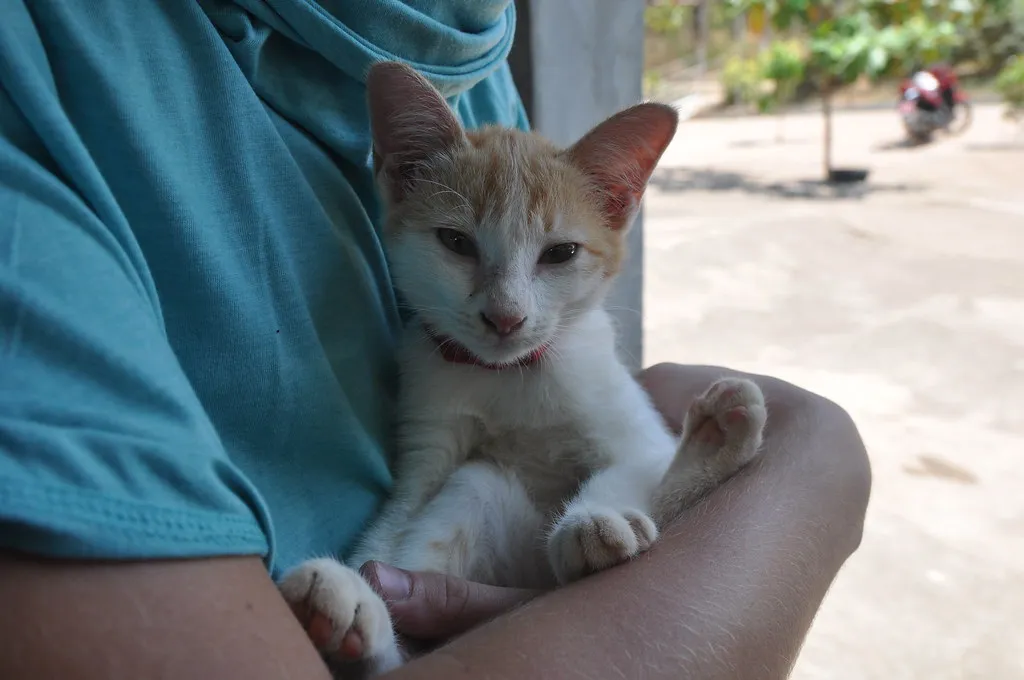
It’s tempting to dismiss a paw on the face at 4 a.m. as a nuisance, but the behavior holds real meaning. Cats don’t choose just anyone to curl up with in their most vulnerable state. Cats sleeping on an owner’s face is not uncommon. It isn’t a bad sign, no matter how frustrating it can be to wake up with a mouthful of fur. A cat that chooses to sleep close to your head is a cat that trusts and loves its owner.
Every tap, nuzzle, or paw pressed gently to your cheek is a small act of communication from an animal that doesn’t use words. Understanding what it means doesn’t necessarily make it easier to sleep through, but it does change how it feels when it happens.
AI Disclaimer: This article was created with the assistance of AI tools and reviewed by a human editor.