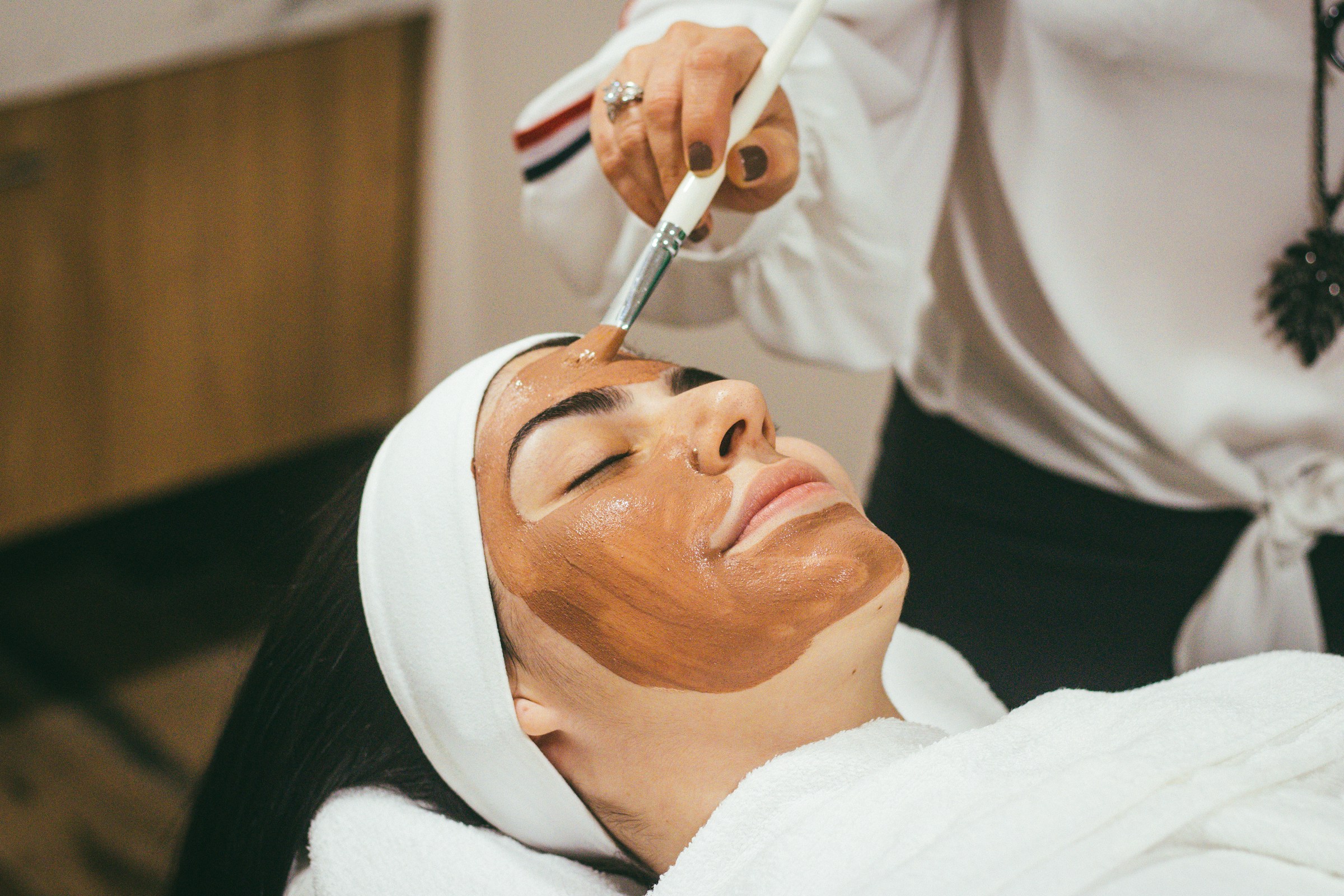

Skincare advice is everywhere. TikTok, Instagram, YouTube, your neighbor who swears by her grandmother’s remedy. The sheer volume of it can make it genuinely hard to tell the difference between what actually works and what just looks convincing on a small screen. Dermatologists face this problem too, except they have a professional obligation to cut through it.
What they choose to avoid on their own skin is often more telling than any product recommendation they might make. Here are ten things board-certified dermatologists consistently steer clear of, backed by the reasoning behind each decision.
1. Lemon Juice Used Directly on the Face

Lemon and other citrus juices are highly acidic and can disrupt the skin’s protective barrier. Applied topically on the face, lemon juice can cause chemical burns or, worse, phytophotodermatitis, which are severe and painful burns that occur when the skin is exposed to sunlight afterward.
The furocoumarins in lemon juice can interact with sunlight and cause blistering rashes and hyperpigmentation in some people. That’s a serious consequence for something marketed as a gentle brightening treatment.
Because of its high acidity, lemon juice can disrupt the natural pH levels of the skin, leading to irritation and hyperpigmentation. Dermatologists recommend proven alternatives like glycolic acid formulations that are specifically pH-balanced for safe use on skin.
2. Baking Soda as a Facial Exfoliant
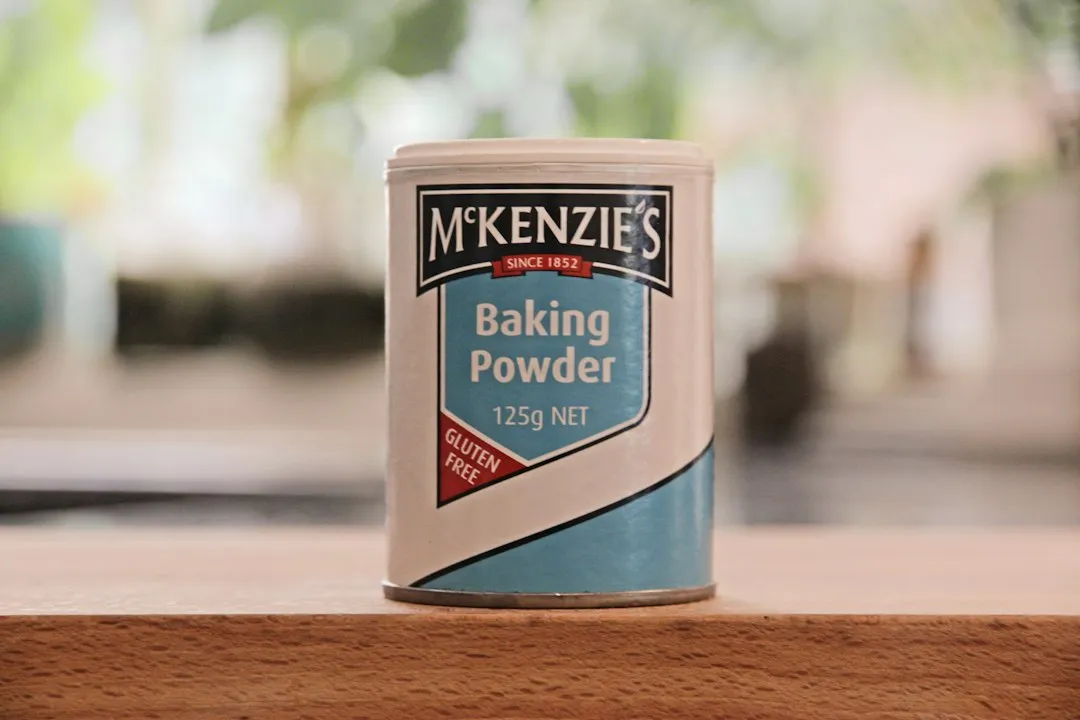
According to Pooja Sodha, MD, associate professor of dermatology at the George Washington University School of Medicine and Health Sciences, “there is scant evidence on the use of baking soda for the skin.” Yet the trend keeps circulating.
When applied to healthy skin, baking soda may dismantle the acidic protective layer of the skin and strip natural lipids and oils from the skin. Its high pH can raise the skin’s pH, severely disrupting its natural, slightly acidic barrier, and may also strip the skin of its natural oils, ultimately leading to dryness, irritation, and vulnerability to infection.
Its abrasive nature can cause micro-tears on the skin’s surface, resulting in irritation, redness, and sensitivity. Using baking soda as a scrub or cleanser can harm the skin’s protective barrier and aggravate existing skin conditions like acne or rosacea.
3. Coconut Oil as a Facial Moisturizer

Dermatologists warn that coconut oil clogs pores. While it may offer some benefits for the skin, it can also lead to breakouts on the face. It’s best left as a body moisturizer, especially if you’re prone to acne.
Coconut oil is comedogenic for some people, which means it can clog pores and cause breakouts, particularly in those with oily or acne-prone skin. The problem is that it’s so heavily marketed as a natural miracle product that many people assume it’s universally safe for the face.
The distinction between body and facial skin matters here. Facial skin is thinner, more reactive, and has a higher density of sebaceous glands, making it far more susceptible to pore congestion. Dermatologists suggest non-comedogenic oils like squalane instead.
4. Charcoal-Based Skincare Products
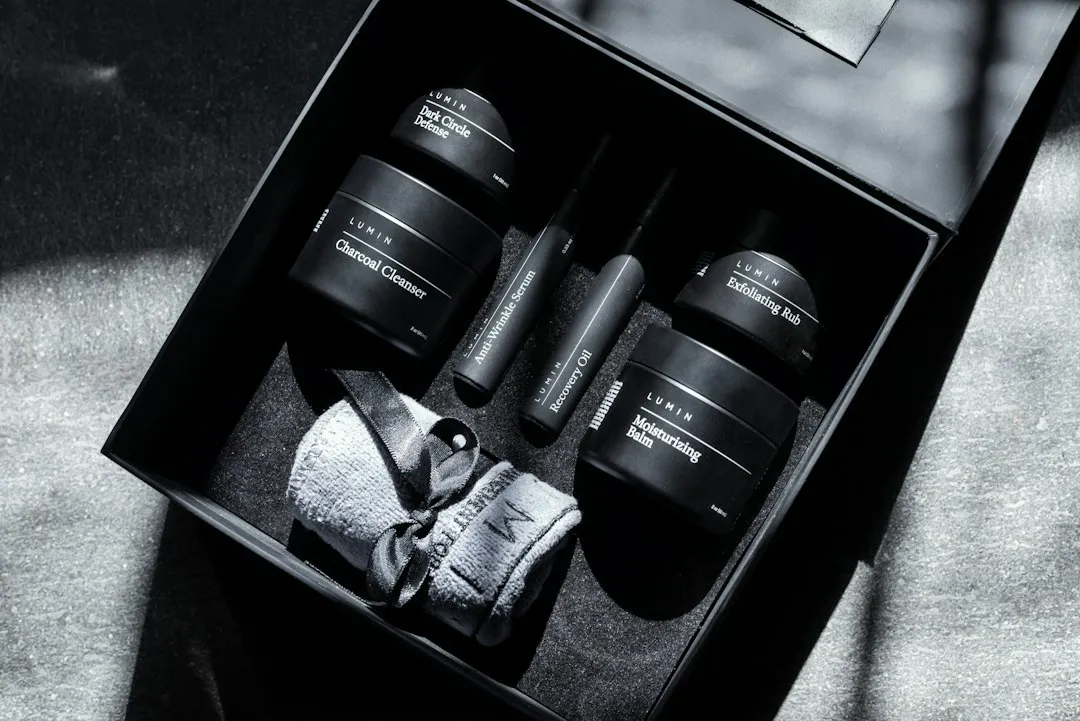
Charcoal has been heavily marketed as a magnet for impurities, promising to reach deep down into pores and pull out dirt, oil, and blackheads. The reality is far less glamorous, and significantly more damaging to delicate skin barrier function.
Ellen Marmur, a board-certified celebrity dermatologist and the Chief of Dermatologic and Cosmetic Surgery at The Mount Sinai Medical Center New York, has been vocal about her refusal to use charcoal on her own skin. She has stated plainly: “Never use charcoal on your skin. It’s over-drying and non-medical.”
Marmur recommends skipping the charcoal and instead scanning product labels for derm-approved powerhouses: hyaluronic acid, niacinamide, vitamin C, and ceramides. These ingredients have genuine clinical evidence behind them, which charcoal largely does not.
5. Toothpaste as a Spot Treatment
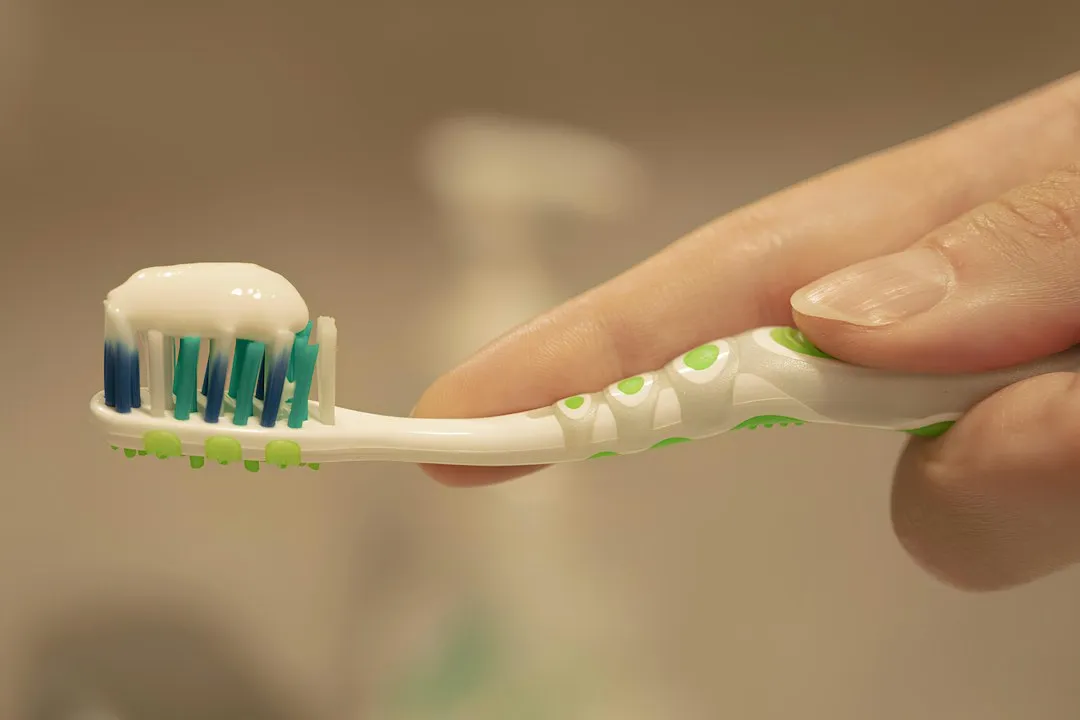
You may have heard this before: slathering toothpaste on a gnarly zit will disinfect and dry it out. This particular myth has been circulating for decades and shows no signs of slowing down.
Toothpaste can do more harm than good because it contains ingredients that strengthen enamel, whiten teeth, reduce tartar, and prevent tooth decay. Those ingredients aren’t safe or gentle for the skin, especially the skin on the face.
Toothpaste can also cause irritation, redness, and even peeling. The trend most likely started because toothpaste contains ingredients such as baking soda or hydrogen peroxide, which are drying. The chemicals in toothpaste that fight bacteria are made for your teeth, not your skin.
6. Abrasive Physical Face Scrubs
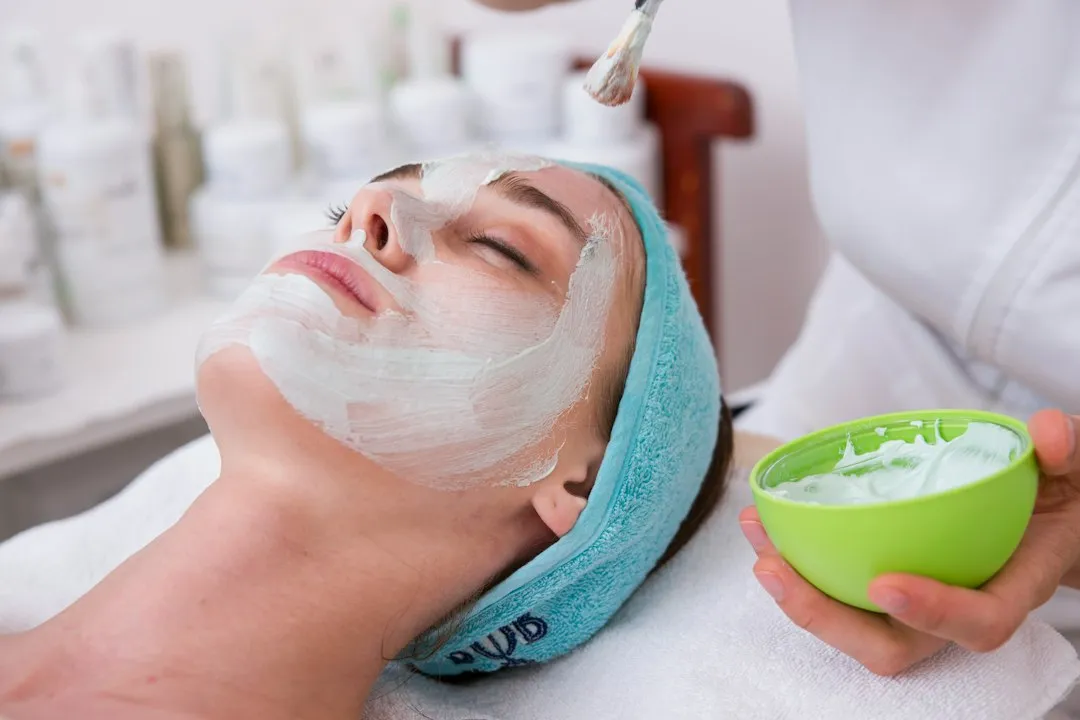
There is no reason to use abrasive face scrubs, which can be irritating and induce hyperpigmentation. The face is being irritated unnecessarily. This view is shared broadly across dermatology, particularly for people with darker skin tones who are more vulnerable to post-inflammatory pigmentation changes.
The face scrub market is enormous, and many products lean heavily on gritty particles, walnut shells, or sugar crystals as selling points. The physical nature of these particles creates uneven micro-damage on the skin’s surface, which can do the opposite of what most people are trying to achieve.
Chemical exfoliants like salicylic acid or lactic acid offer more controlled and gentler exfoliation. Dermatologists consistently prefer them over anything that involves manual scrubbing with hard particles.
7. Products Loaded with Synthetic Fragrances

Synthetic fragrances are among the ingredients that dermatologists say can generally be skipped altogether. They’re among the most common triggers of contact dermatitis and allergic skin reactions, yet they appear in an enormous range of skincare products, often because consumers associate scent with quality or cleanliness.
Fragrance on an ingredient label can represent a cocktail of hundreds of individual chemicals, and manufacturers are not required to disclose each one. This opacity makes it difficult even for dermatologists to predict exactly which component is causing a reaction in a patient.
The issue is particularly pronounced around the eyes and mouth, where skin is thinner and absorption is higher. Fragrance-free products are not the same as “unscented,” a distinction dermatologists regularly have to clarify since unscented products may still contain masking fragrances.
8. Parabens in High Concentrations
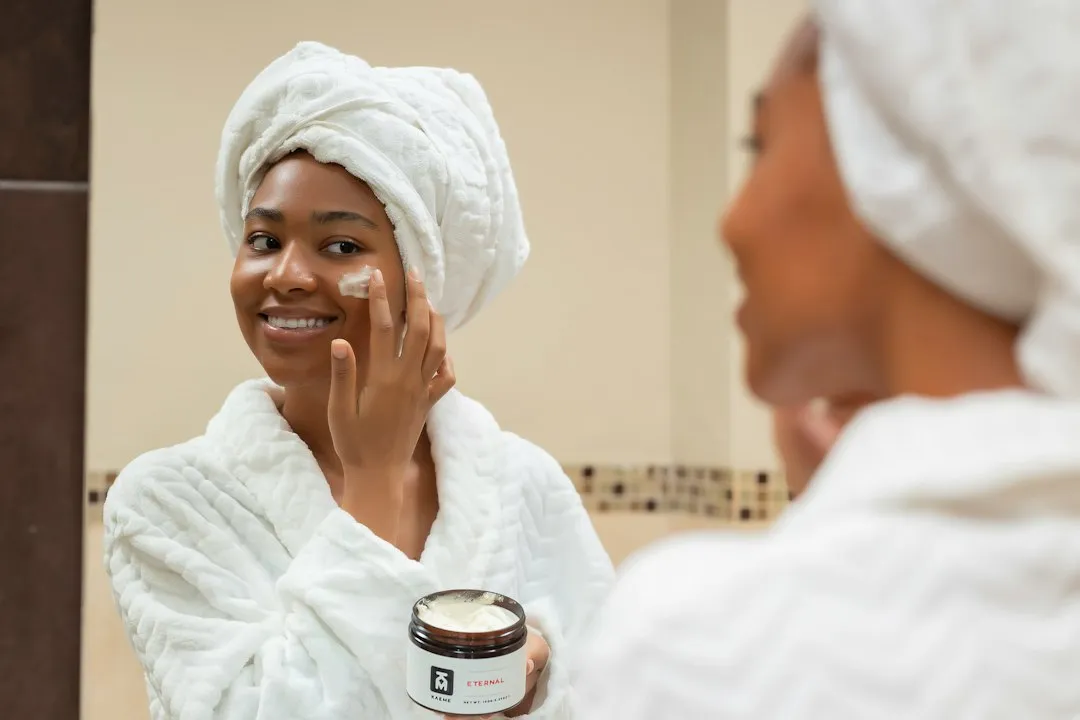
Parabens like methylparaben, propylparaben, and butylparaben are used to prevent mold and bacteria in beauty products. There’s a darker side though: parabens can absorb through the skin, accumulate in tissue, and potentially interfere with the body’s hormones.
Studies have shown that parabens can mimic estrogen, raising concerns about reproductive health, hormonal imbalance, fertility, and even the development of certain cancers such as breast cancer. Long-chain parabens like propyl, butyl, and isobutylparaben pose the highest risk, and some are now banned in California and the EU.
Parabens are synthetic preservatives commonly found in skincare products to extend shelf life. Research has raised concerns about their potential link to hormone disruption and other health issues. Many dermatologists choose to avoid them in their personal routines as a precautionary measure, even while the full picture of risk continues to be studied.
9. DIY Sunscreen Recipes
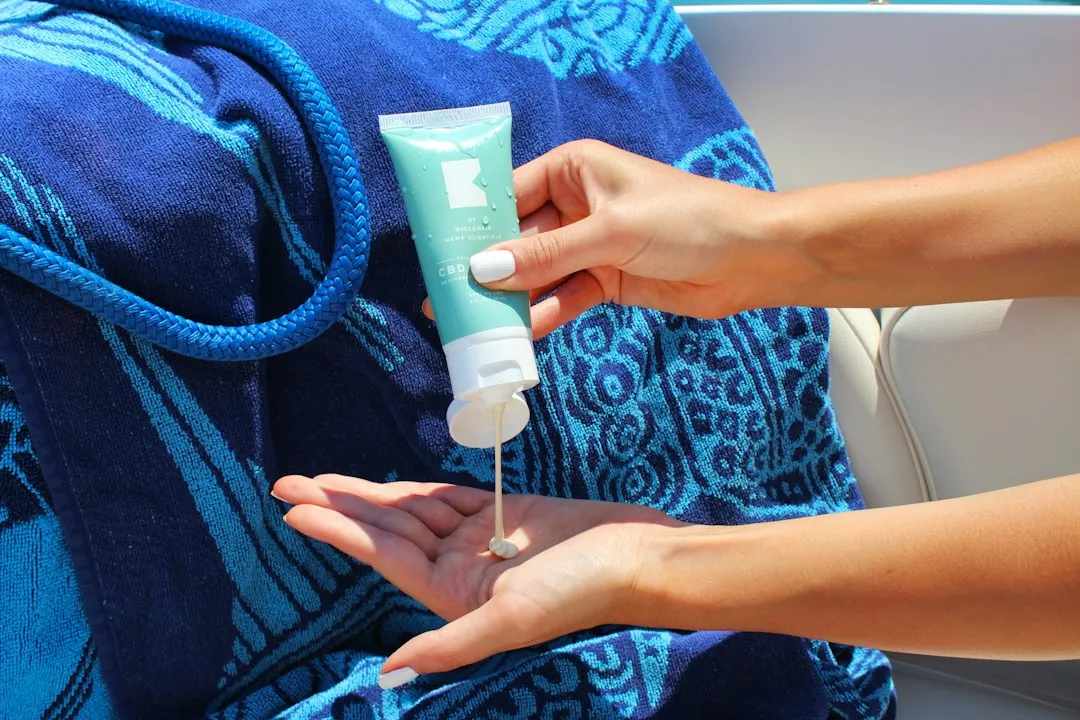
Some creators have shared DIY sunscreen recipes using ingredients like coconut oil or essential oils. However, homemade sunscreens often lack the necessary SPF protection and proper formulation, leading to inadequate protection against harmful UV rays and increasing the risk of sunburn and skin damage.
Board-certified dermatologist Dr. Joyce Park has specifically called out making your own sunscreen at home as one of the DIY skincare trends people should leave behind entirely. This is not a fringe view in dermatology. It’s essentially unanimous.
No kitchen or bathroom mixing process can replicate the precise emulsification and UV-filter distribution required for an effective sunscreen. UV protection that appears to work based on the absence of an immediate sunburn can still allow significant DNA-level skin damage from UVA rays, which are invisible and painless.
10. Stacking Multiple Strong Active Ingredients Simultaneously
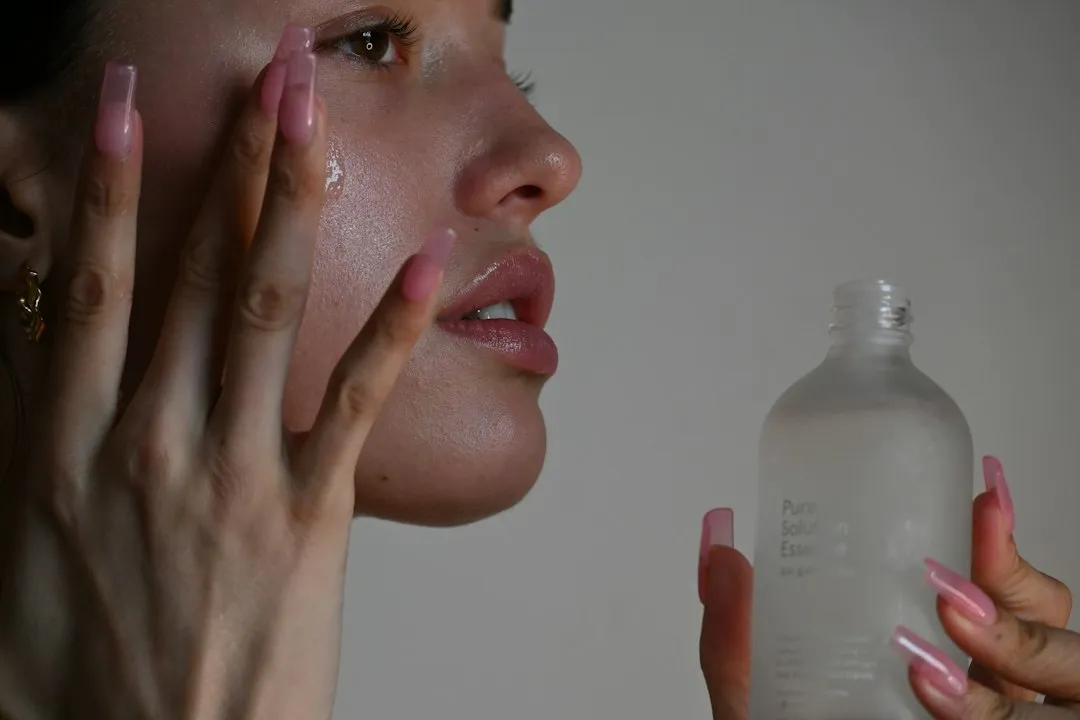
Dermatologists advise against simultaneously using multiple skincare products with many different active ingredients, such as glycolic acid and retinoids. This isn’t about any single ingredient being harmful in isolation. It’s about how they interact when layered together on the same skin.
Using too many strong, proven ingredients at once can lead to a variety of unpleasant side effects such as redness, dryness, and irritation, and if your skin can’t tolerate something, you’re not going to get good results. More product does not equal more benefit.
In 2025, dermatologists broadly echoed the sentiment that less is more with skincare routines. While beauty hacks on social media boast quick fixes with big promises, they’re often not evidence-based and may do more harm than good. The consistency and simplicity of a routine matters far more than its complexity.
The Takeaway

What’s striking about this list is how much of it is driven by things that sound perfectly reasonable until you look at the evidence. Lemon juice seems natural. Baking soda seems gentle. Charcoal seems powerful. The marketing logic is compelling, which is exactly why these myths persist.
Dermatologists tend to be skeptical of novelty and cautious with their own skin for a reason. They’ve seen what goes wrong when people trust a trend over established science. The skin is not endlessly forgiving, and some of the damage, particularly from pH disruption and UV exposure, can accumulate quietly over years before becoming visible.
A short list of well-researched ingredients, used consistently, tends to outperform an elaborate routine built on viral moments. That’s not a particularly exciting conclusion, but it’s what the evidence actually supports.
AI Disclaimer: This article was created with the assistance of AI tools and reviewed by a human editor.