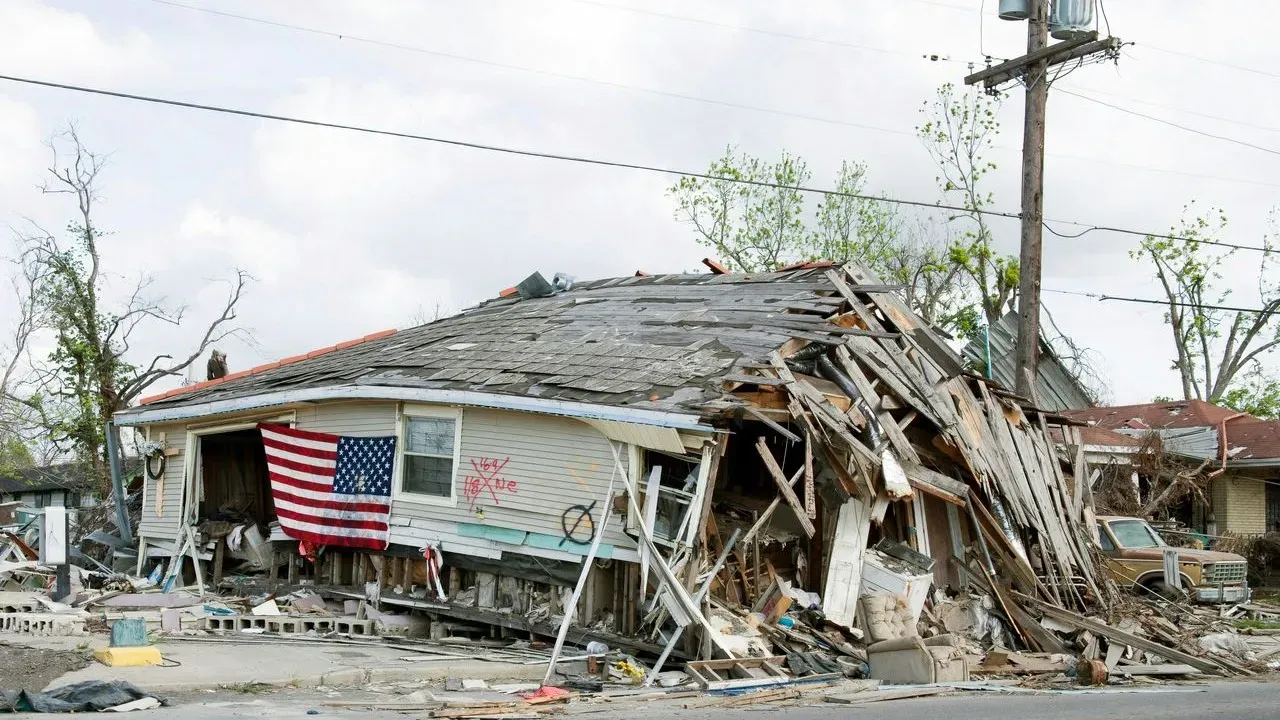

Northwest Florida and parts of Alabama are assessing the effects of Hurricane Isaias after the storm moved through the region on Friday. The system brought wind and rain that affected coastal and inland areas, with reports noting scattered impacts to homes, infrastructure, and natural surroundings. Residents now face the task of clearing debris and evaluating conditions in their yards and communities. ([1])
Storm Track and Recent Changes
Hurricane Isaias reached Category 3 intensity before weakening as it approached the Gulf Coast. Forecasters later downgraded the system to a post-tropical cyclone, signaling the end of its most intense phase. This transition typically brings a shift in focus from immediate wind threats to longer-term recovery efforts across affected zones.
Impacts on Local Landscapes
Damage reports highlight effects on trees and outdoor spaces in Northwest Florida and Alabama. Fallen limbs and uprooted vegetation can create hazards for homeowners and complicate access to properties. Such conditions often require careful removal to prevent further issues with drainage or regrowth in garden areas.
Next Steps for Affected Communities
Local officials and residents are prioritizing safety assessments and debris management in the days ahead. Coordination with utility crews helps restore power where outages occurred, while property owners begin to survey yards for needed repairs. Recovery in these coastal regions tends to unfold gradually as conditions stabilize. The event underscores how quickly tropical systems can alter familiar landscapes, leaving communities to rebuild both structures and green spaces over time.
AI Disclaimer: This article was created with the assistance of AI tools and reviewed by a human editor.