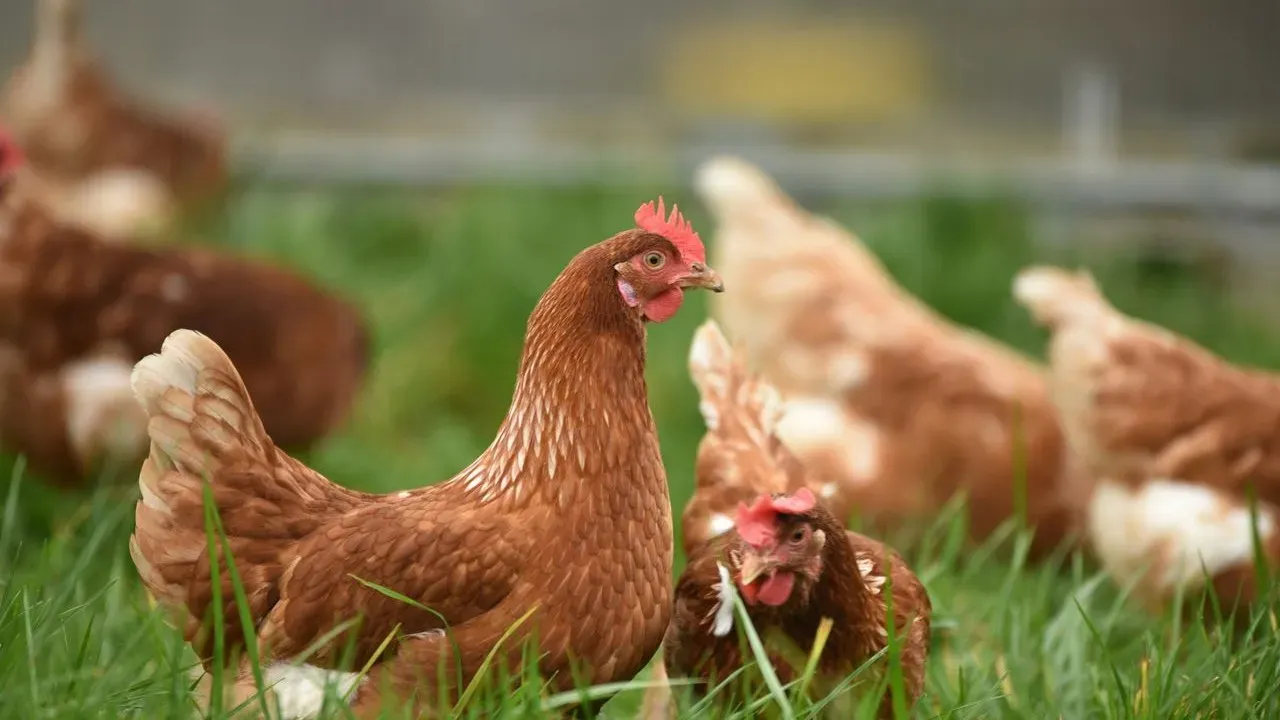

As autumn settles in and temperatures begin their steady drop, backyard chicken keepers across the country turn their attention to the coop. The most frequent concern for those new to raising poultry centers on just how much cold their birds can handle before real problems emerge. Many assume their flock will struggle the moment frost appears, yet the reality often proves more forgiving for well-prepared birds. ([1])
A Hardier Bird Than Many Expect
Chickens possess natural adaptations that allow them to endure cold far better than owners sometimes realize. Their feathers provide excellent insulation, and many common breeds maintain body heat effectively even when the air turns crisp. The key distinction lies between simple cold and the factors that actually threaten their well-being.
Backyard flock owners frequently discover that their birds continue foraging and moving normally through light freezes. This resilience stems from both genetics and the daily routines keepers establish long before winter arrives. Still, assumptions about an immediate crisis at the first sign of frost can lead to unnecessary worry or overprotective measures that do more harm than good.
The Real Concerns: Moisture, Airflow, and Exposed Skin
Temperature alone rarely tells the full story. Damp conditions inside the coop quickly become dangerous because wet feathers lose their insulating power. Drafts that chill the birds directly create stress that steady cold air does not. These elements combine to sap body heat far faster than a dry, still environment at the same reading on the thermometer.
Frostbite on combs, wattles, and feet also emerges as a primary risk once temperatures fall. Birds with larger combs face greater exposure, and repeated thawing and refreezing cycles worsen the damage. Keepers who focus solely on the number shown by the weather app sometimes overlook these more immediate threats that require attention first.
Practical Steps as Temperatures Drop
Preparing the coop involves balancing protection with ventilation. Blocking direct drafts while allowing moisture to escape prevents the buildup of condensation that leads to wet bedding. Deep litter methods or extra insulation in walls help maintain a stable microclimate without trapping harmful humidity.
Providing access to unfrozen water and ensuring feed remains available supports the birds’ natural ability to generate internal heat. Many keepers add windbreaks around the run and check roosts for proper spacing so chickens can huddle comfortably. These adjustments often prove more effective than attempting to heat the entire space.
Knowing When Intervention Becomes Necessary
Observing the flock offers the clearest guidance. Birds that remain active, continue eating, and show no signs of lethargy or puffed-up stillness are generally managing well. Persistent huddling, reduced appetite, or visible frostbite call for prompt adjustments to housing or additional protection for vulnerable individuals.
Seasoned keepers note that different breeds and ages respond differently, with younger birds or those in poor condition needing closer monitoring. Regular checks during the coldest stretches help catch issues early and keep the flock healthy through the season.
What matters now: Focus on dryness and draft protection rather than chasing a single temperature number. Consistent observation and simple coop tweaks usually keep hardy flocks comfortable well into winter.
AI Disclaimer: This article was created with the assistance of AI tools and reviewed by a human editor.