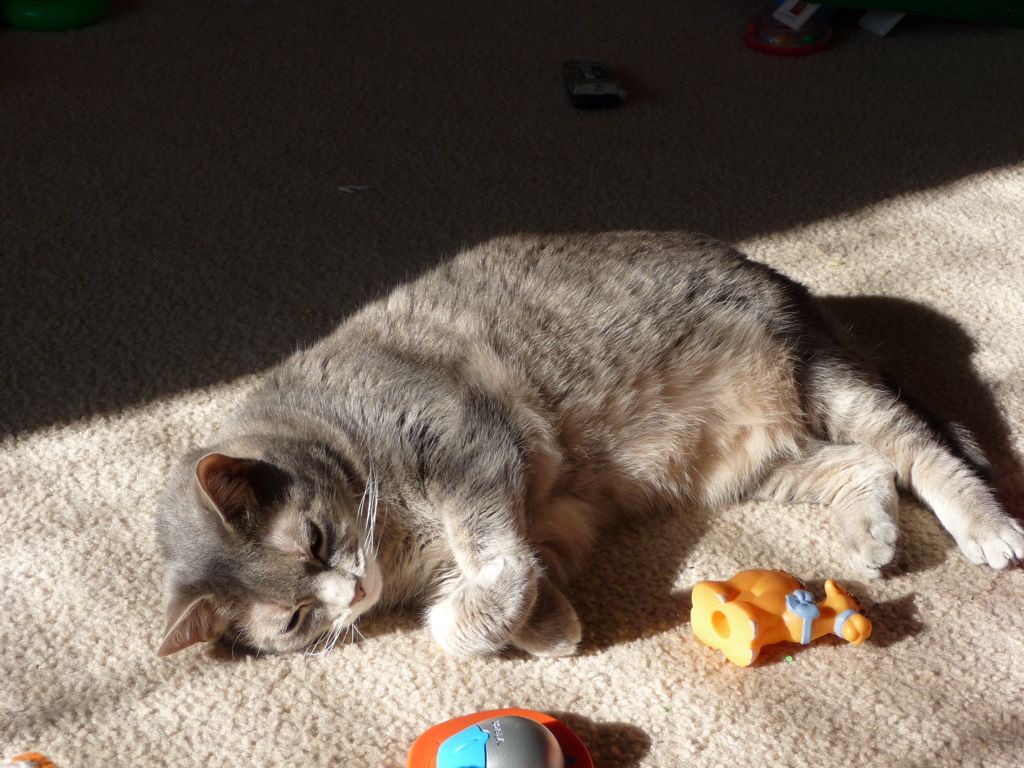

Most people associate drooling with dogs. Cats carry a reputation for being fastidiously tidy, so discovering a small wet patch on your lap after a cozy cuddle session can genuinely catch you off guard. Yet for a surprising subset of cats, drooling is simply what happens when life feels very, very good.
The behavior is real, it has clear explanations, and it’s largely harmless. Understanding why it happens can actually tell you a lot about how a cat experiences comfort, trust, and emotional safety.
It Starts with Deep Relaxation
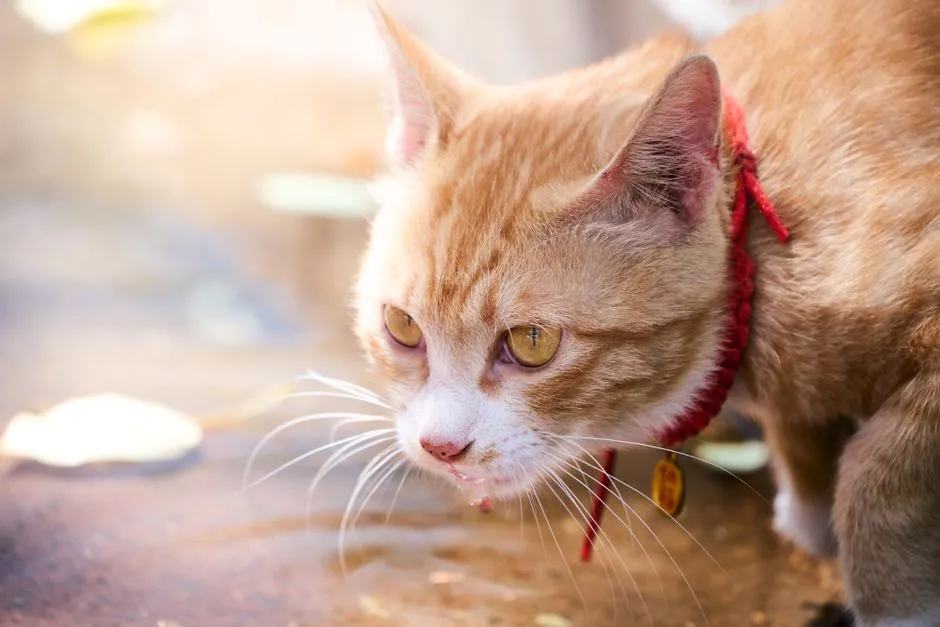
A cat drools when happy because it feels relaxed, secure, and emotionally comfortable. When the body enters that calm, low-stress state, muscle tension drops across the board – including in the face and jaw. Cats might slobber slightly when they’re happy because the muscles in their mouth relax along with the muscles across their entire bodies. If a cat’s mouth is hanging open slightly, some saliva can come out.
Drooling occurs when a cat is so far into the happy zone that she forgets to swallow. It’s an almost involuntary response – the feline equivalent of completely letting go.
The Kittenhood Connection
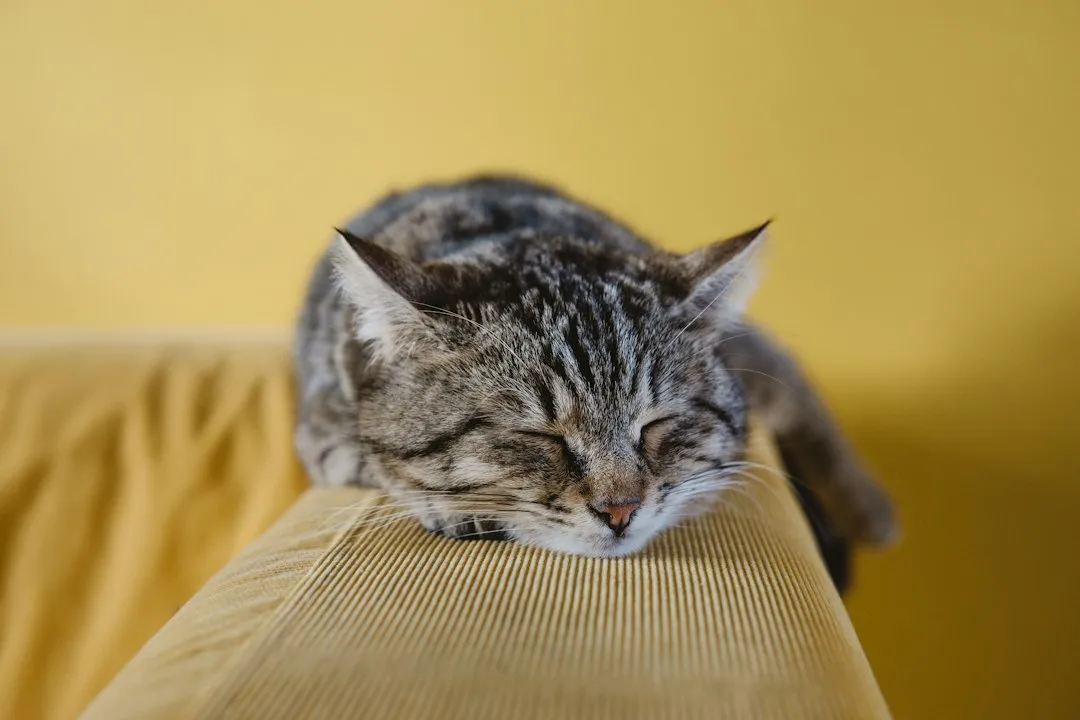
This behavior goes back to kittenhood. When cats are young, they knead while drinking milk from their mother to stimulate milk release. As adults, they may still associate kneading and contentment with drinking milk, which may result in drooling.
Kittens often produce saliva while nursing from their mothers because they are calm, warm, and safe. As adult cats grow older, some continue showing similar behaviors whenever they experience comfort and affection. The physical memory of that earliest safety can linger for a lifetime.
The Purr and the Drool Often Go Together
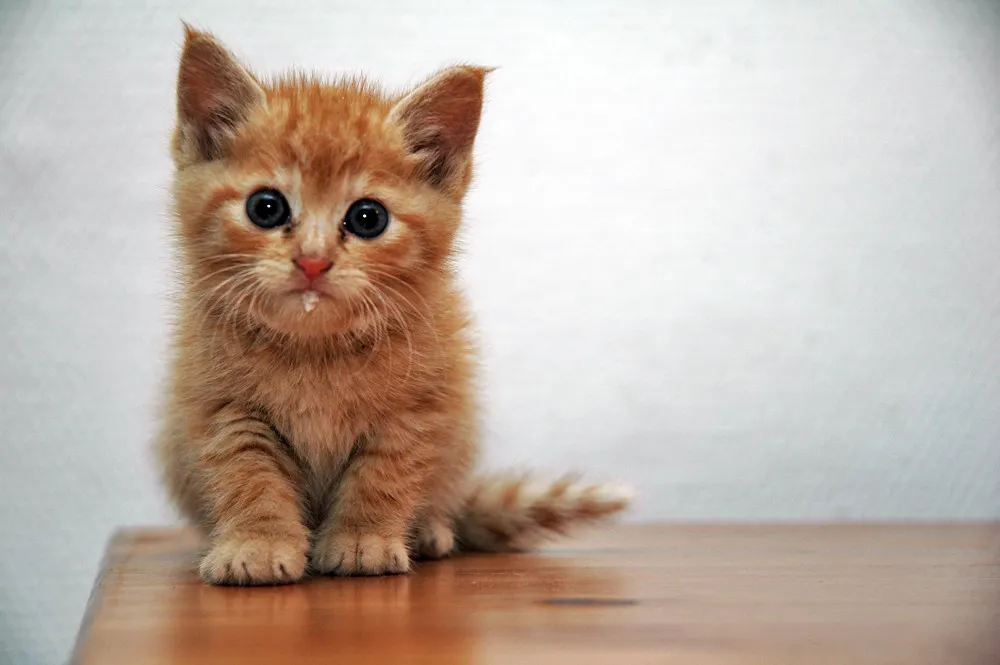
Cats drool when purring due to intense relaxation triggering salivary glands. In happy moments, like petting or kneading, the vibrations from purring stimulate excess saliva flow, mimicking nursing instincts from kittenhood.
Cat drooling when purring tends to show up when pleasure and muscle relaxation happen together. Purring alone is common, but when it pairs with drooling, kneading, and leaning into touch, the cat is often in a deeply settled state. The combination is essentially a full-body signal of contentment.
The Autonomic Nervous System’s Role
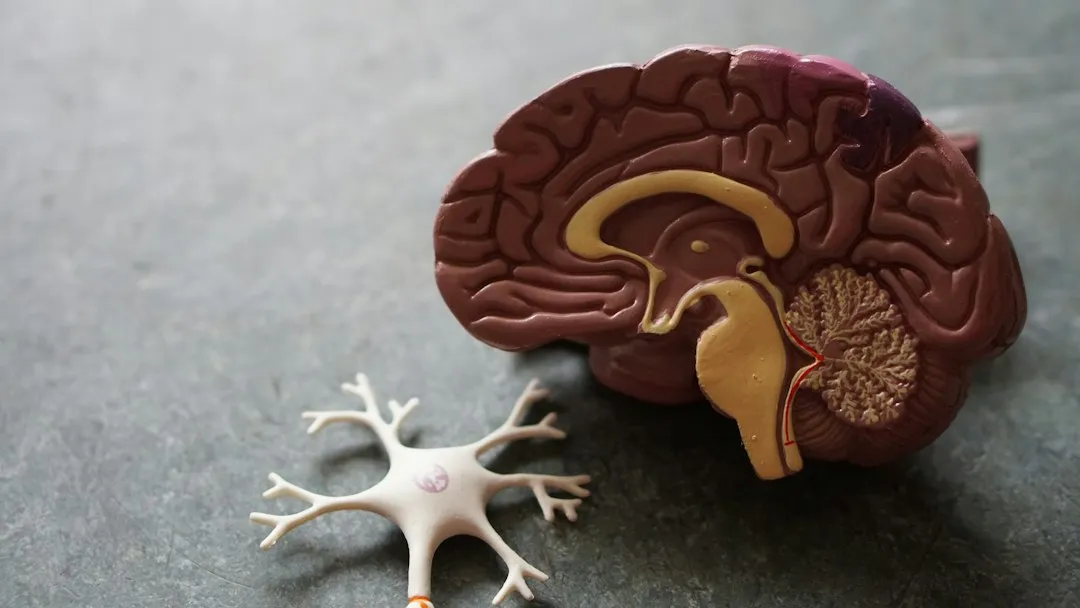
Some sources note that strong positive emotions may trigger endorphin release, which appears to reinforce this calm, “safe zone” response. In practical terms, the drool is less about the mouth itself and more about the whole nervous system settling down.
Low-frequency purring also matters. Earlier research showed that the rumble helped cats heal while lowering human heart rates, blood pressure, and cortisol – a physiological shift linked to activation of the parasympathetic nervous system. That same calming system is at work inside the cat too, and saliva flow is one of its quiet side effects.
Oxytocin Plays a Supporting Role
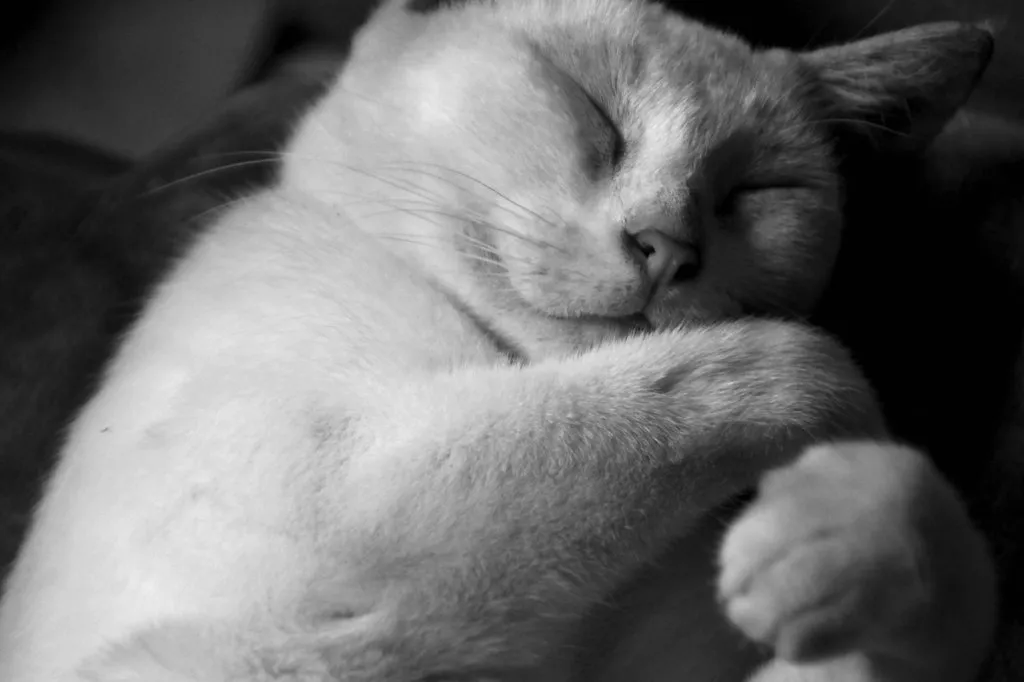
When cats knead and drool, there are specific hormonal factors at play. Oxytocin, often referred to as the “cuddle hormone,” plays a significant role in feline relaxation and bonding. Research has increasingly confirmed its presence in cat-human interactions.
A February 2025 study found that owners who spent 15 relaxed minutes petting, hugging, or quietly holding their cats experienced higher oxytocin levels, and the animals showed a parallel rise as long as they were free to walk away. Oxytocin increased in securely attached cats, reinforcing the idea that positive, voluntary contact triggers a genuine biochemical shift toward calm. That hormonal state creates the ideal conditions for happy drooling to occur.
Not Every Cat Does It
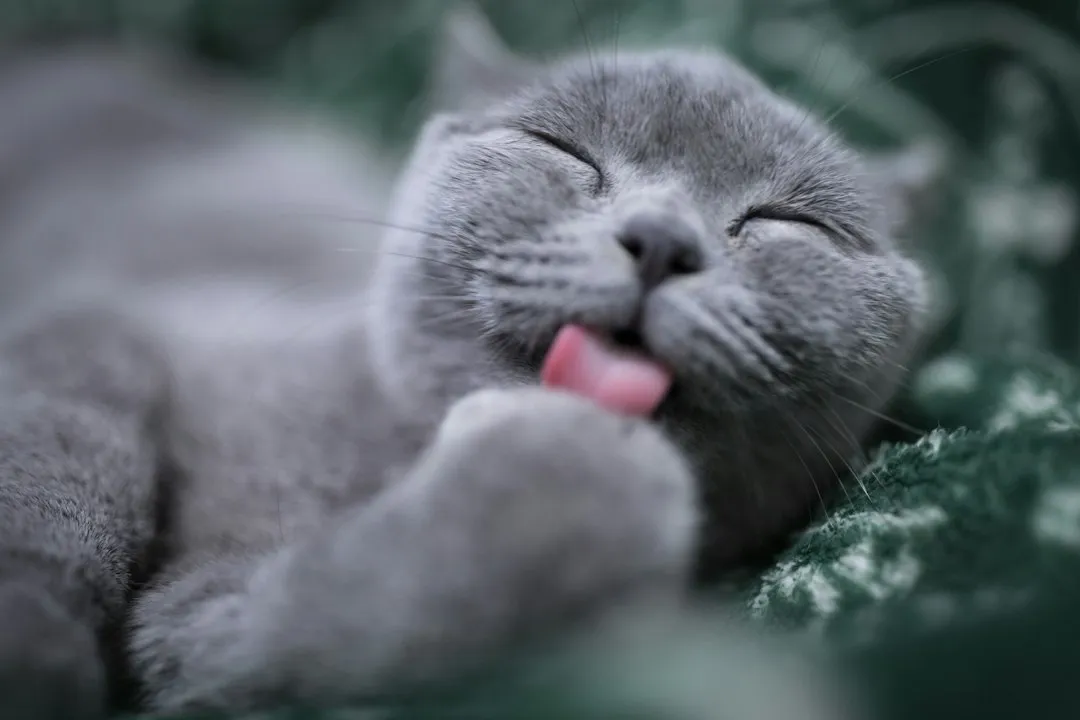
Not every cat drools when happy. Some cats never drool at all, while others do it regularly. Personality, breed, and early experiences may influence the behavior.
It seems that a small but significant percentage of cats drool in response to positive stimulation, which is typically also accompanied by purring, rolling over submissively, or rubbing their faces against the objects of their adoration. If your cat does it, it reflects their individual makeup, not a flaw or a problem.
Breed and Facial Structure Can Be a Factor
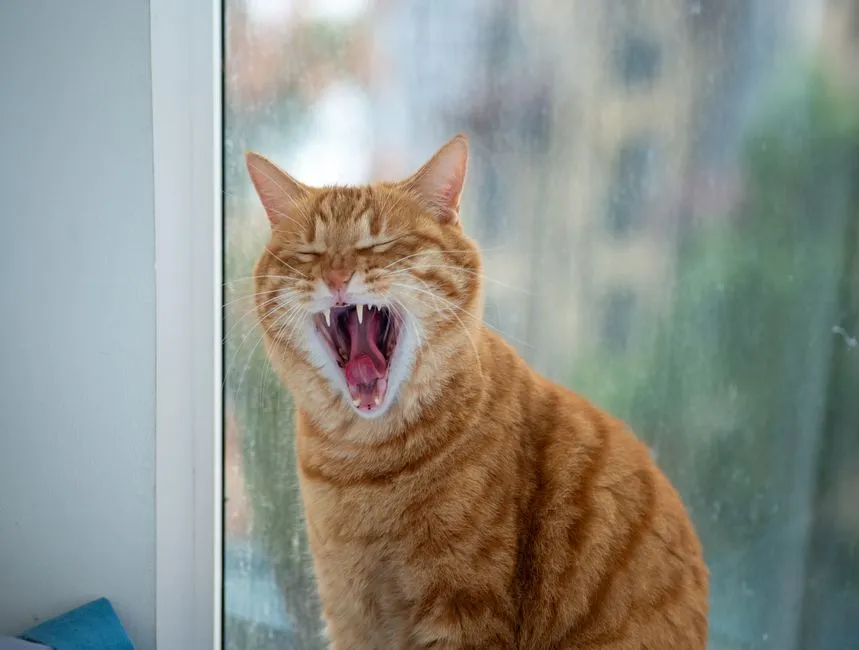
The amount of happy drooling varies between cats. Some cats produce just a few drops, while others might create small puddles on your lap. Both amounts are normal as long as the drooling only happens during positive experiences.
Certain breeds may be more prone to happy drooling. Persians and other flat-faced breeds sometimes drool more due to their facial structure. However, any cat can be a happy drooler regardless of breed. The anatomy of a flat-faced cat simply makes it harder to contain saliva when the jaw goes slack with relaxation.
Reading the Full Picture
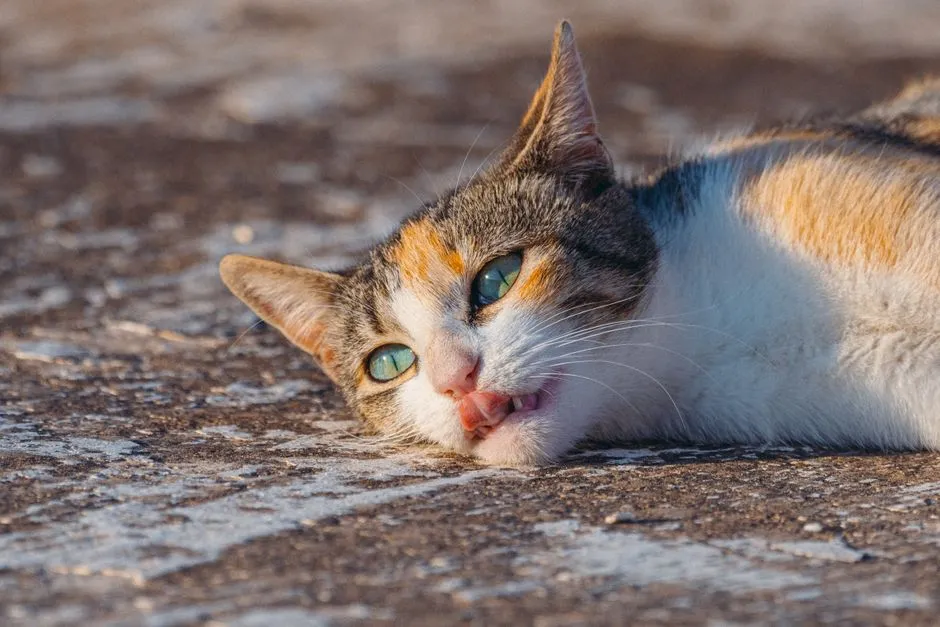
A useful way to judge the situation is to look at what happens before, during, and after the drooling. If the cat is relaxed, purring, kneading, and otherwise acting normal, the drool is more likely emotional. If the cat is eating normally, grooming normally, and has no mouth pain or bad breath, that also leans toward a benign explanation.
By observing your cat’s body language and interpreting it in accordance with the situation, you should be able to tell if they are feeling happy or stressed, causing them to drool. Context is genuinely everything here.
When to Pay Closer Attention
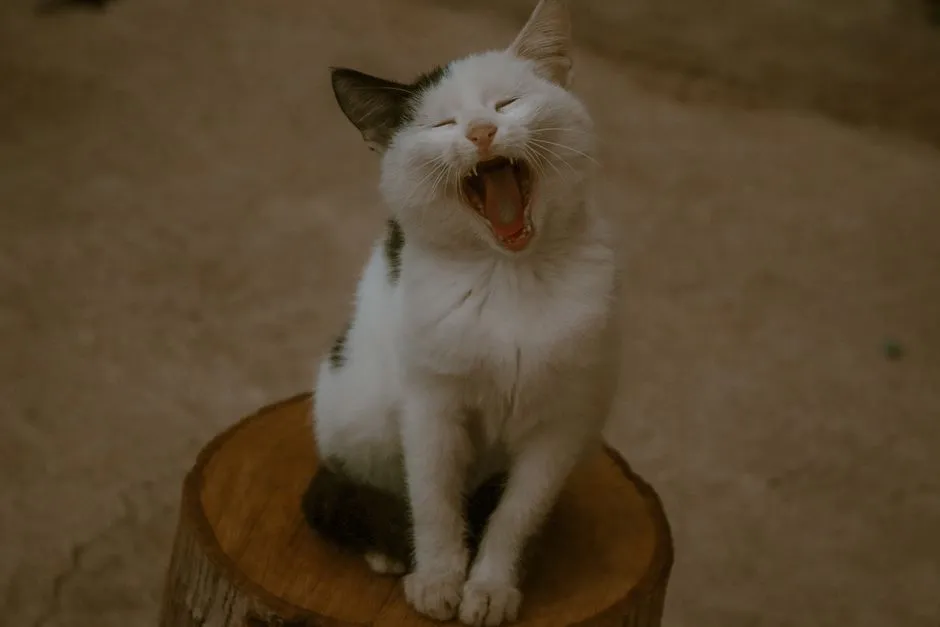
Some cats naturally drool when extremely happy, particularly during petting or kneading. This type of drooling typically stops when the pleasurable activity ends. However, new or increased drooling that continues for more than a day deserves veterinary evaluation.
If the drooling appears with hiding, lip licking, vomiting, pawing at the face, or reluctance to eat, the balance shifts toward a health issue. Dental disease tops the list of medical causes, with gingivitis or tooth resorption irritating gums and prompting saliva overflow. Knowing your cat’s normal baseline makes these shifts far easier to catch early.
It’s a Lifelong Trait for Many Cats
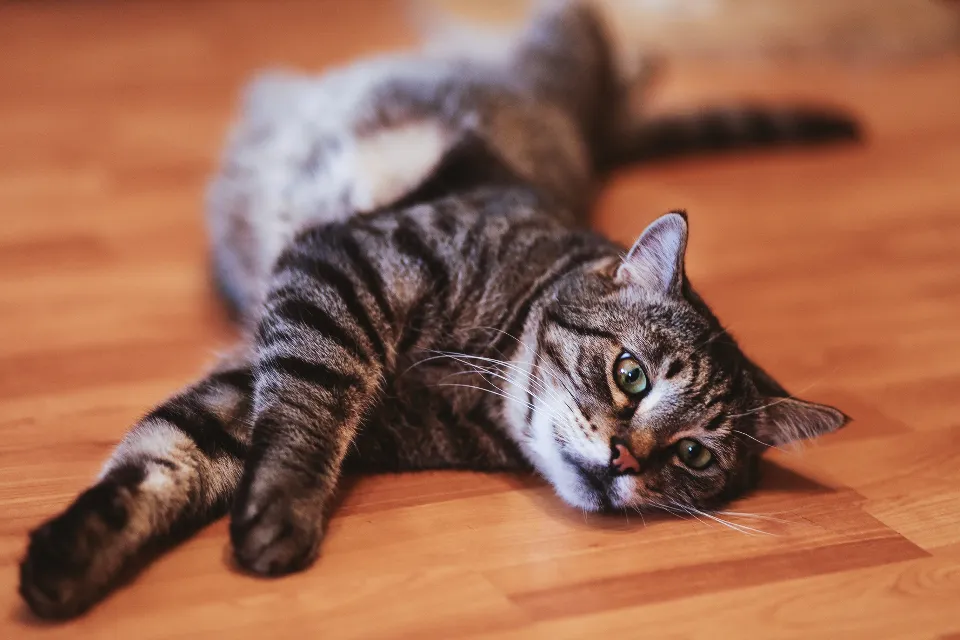
Most of these cats will be lifelong “happy droolers.” Although the biological rationale for this physiologic response remains a mystery, the important thing to keep in mind is that it’s a benign behavior.
For certain cats, mild drooling during moments of contentment is perfectly normal. If your cat begins to drool while purring, kneading, or cuddling, it may simply be a sign of deep relaxation. This kind of drooling is often associated with a behavior known as “cat happiness drool.” It’s not particularly common, but for cats who drool this way consistently and without other symptoms, it’s usually harmless.
The Takeaway
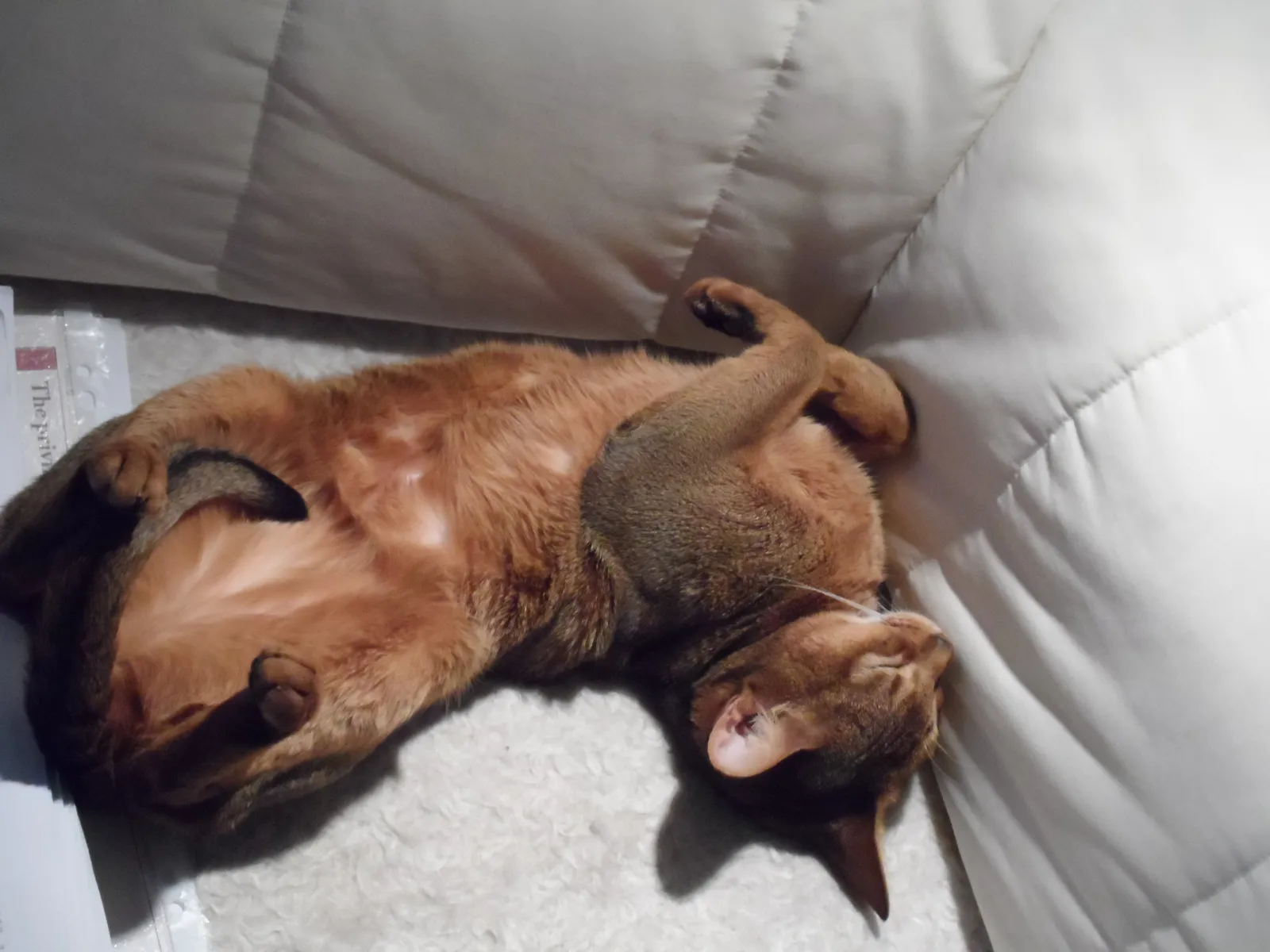
A drooling cat on your lap is, in most cases, a deeply trusting one. The saliva is almost incidental – a small physical leak from a system that has fully let its guard down. Cats don’t offer that easily, which makes the moment worth appreciating, damp patch and all.
If the drooling is consistent, tied to affection, and comes with no other worrying signs, you’re likely looking at a cat who feels genuinely at home with you. That’s a quiet thing, but it’s not a small one.
AI Disclaimer: This article was created with the assistance of AI tools and reviewed by a human editor.