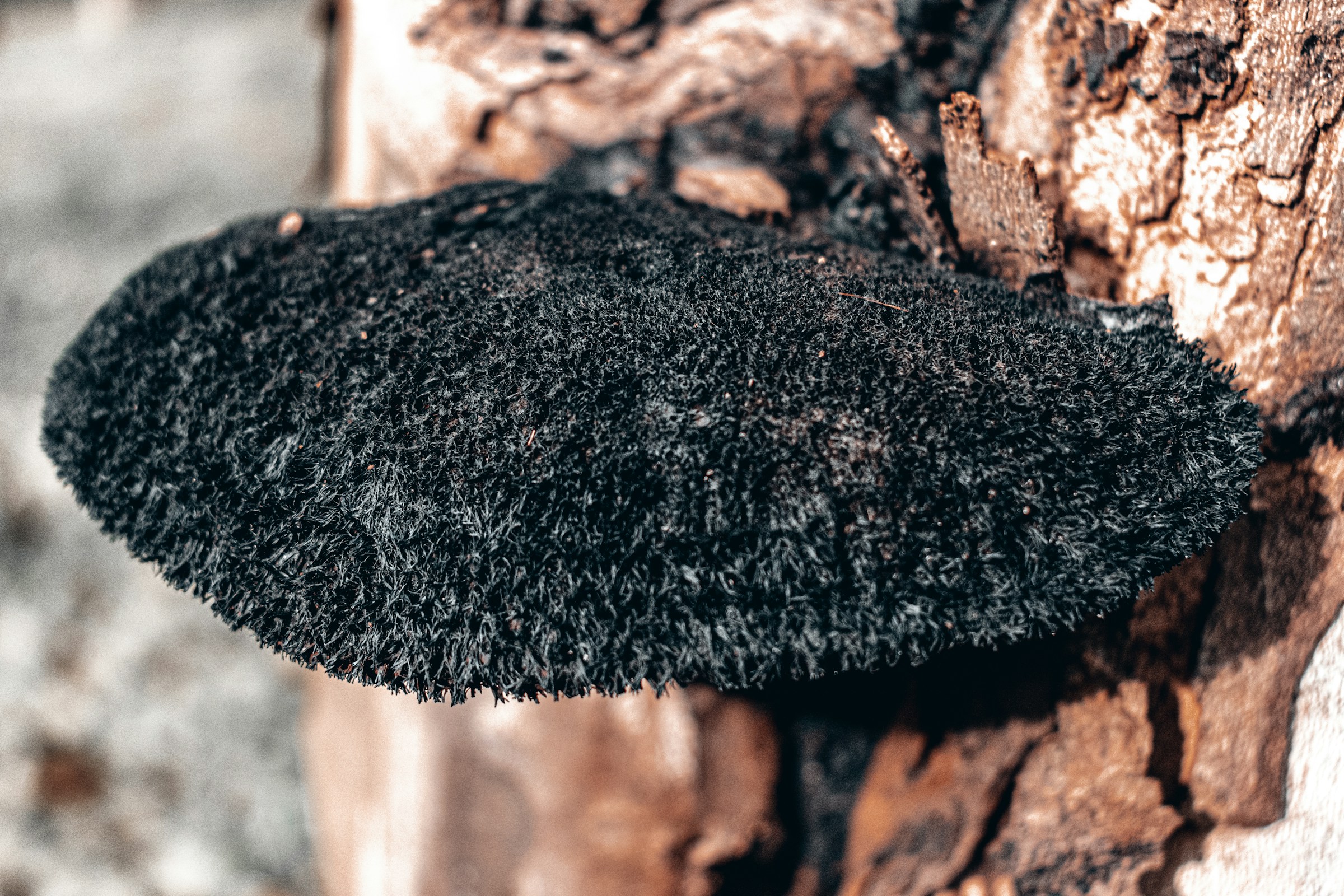

What Black Knot Disease Actually Is
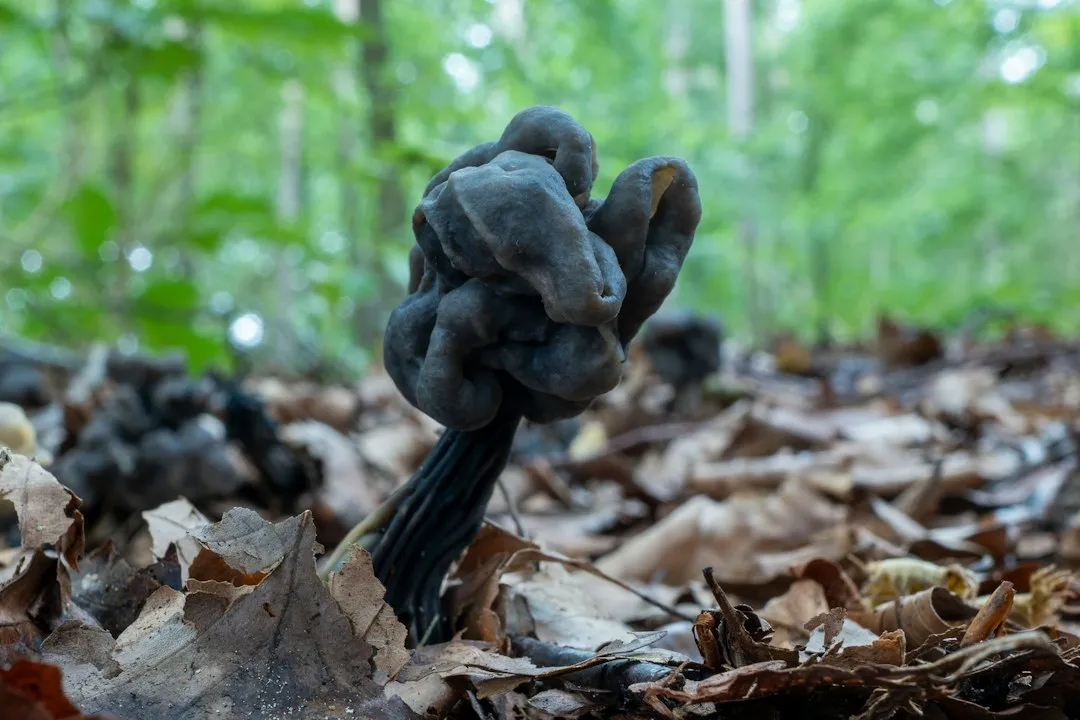
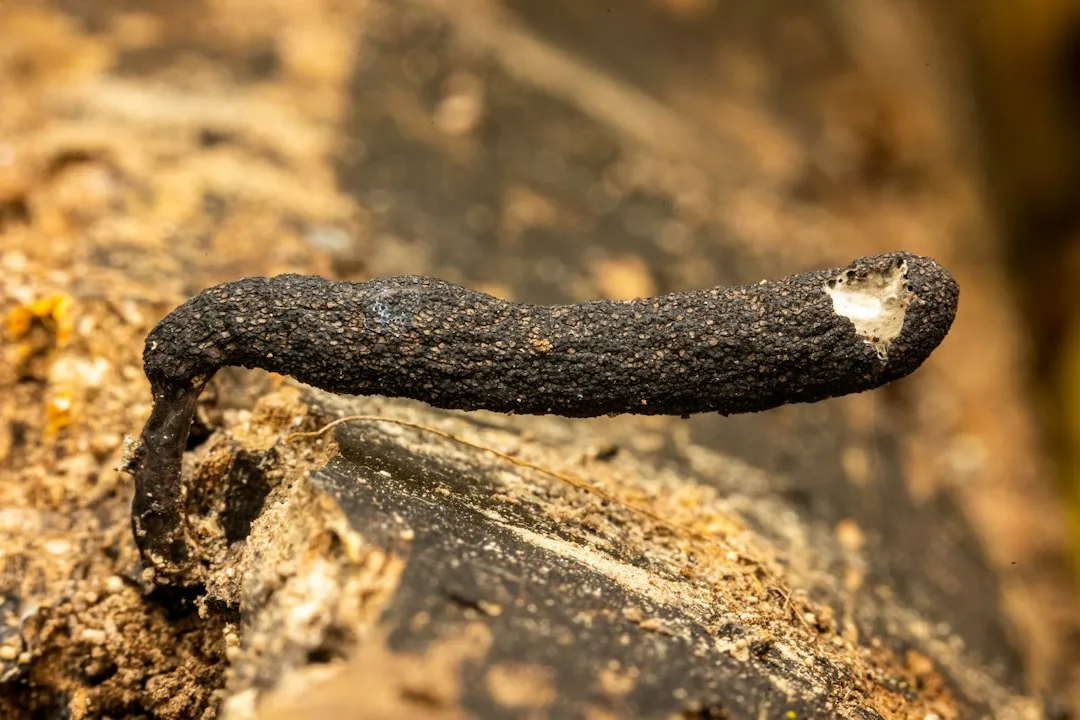
Black knot disease is a fungal infection that affects cherry and plum trees, caused by the pathogen Apiosporina morbosa. It’s characterized by black, swollen, and elongated growths, often called “knots,” that form on branches and twigs.
The disease was first described in 1821 in Pennsylvania and has since spread across North America. While it was once one of the most destructive diseases of plum and cherry trees in the late 19th century, today it remains a serious concern primarily in poorly managed orchards and wild stands.
Black knot disease is mainly a problem in North America, including Canada, the United States, and Mexico, where it is indigenous. Apiosporina morbosa is listed as an EPPO A1 quarantine pest, meaning European plant health authorities treat it as a serious potential threat that has not yet established there.
Which Trees Are Most at Risk
Species that can be highly susceptible to infection include Japanese plums, European and American plums, sweet cherry, Mahaleb cherry, and cultivated species of chokecherries.
Plum and cherry trees are the most susceptible hosts, while peach, nectarine, and apricot are less commonly infected. Wild trees are a different story entirely.
Wild cherries and plums serve as continuous sources of inoculum, meaning that even well-tended garden trees can be repeatedly infected if untreated wild Prunus species grow nearby. This is one reason black knot can be so frustrating in rural and semi-rural settings.
How the Fungus Spreads
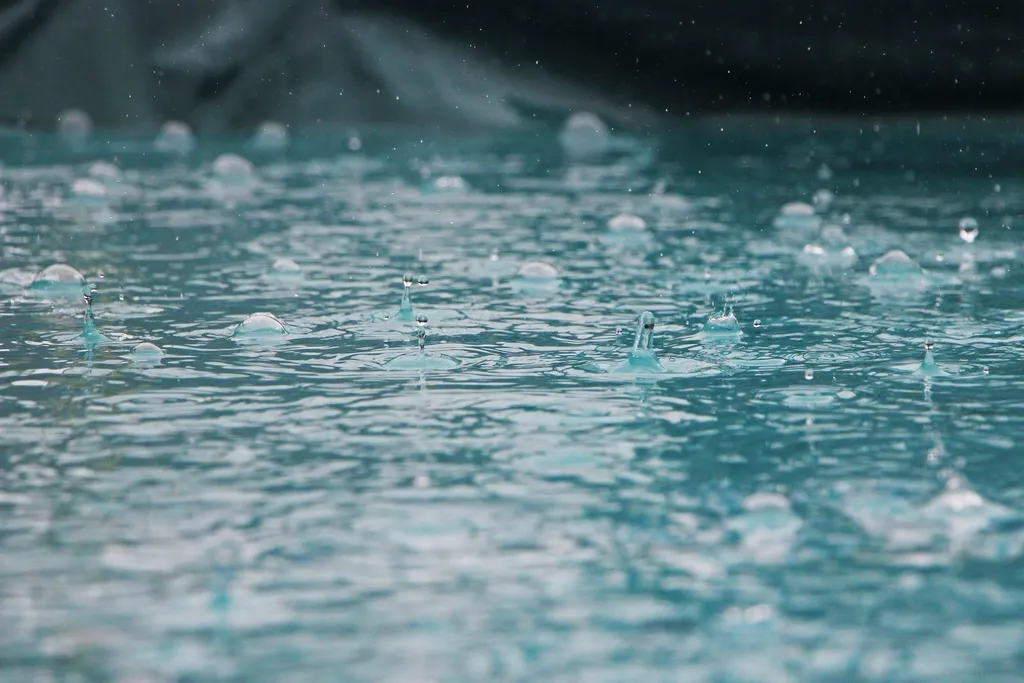
In spring, the fungus produces infective spores called ascospores, which are forcibly ejected during rainy periods. Rain splashes these spores, and wind carries them to susceptible plant tissue.
Ascospores can be released when as little as 0.25 mm of rain occurs at temperatures above 10°C. More spores are released with increasing rainfall, with optimal temperatures between 16 and 27°C. Infections typically begin where water collects in the small notch where leaves attach to shoots.
Recent studies have confirmed that rainfall and temperature are the key factors in the release of spores, and that the duration of the wet period alone is not a determining factor. In short, a warm, wet spring is essentially ideal conditions for the fungus to travel and find new hosts.
What the Growths Look Like at Each Stage
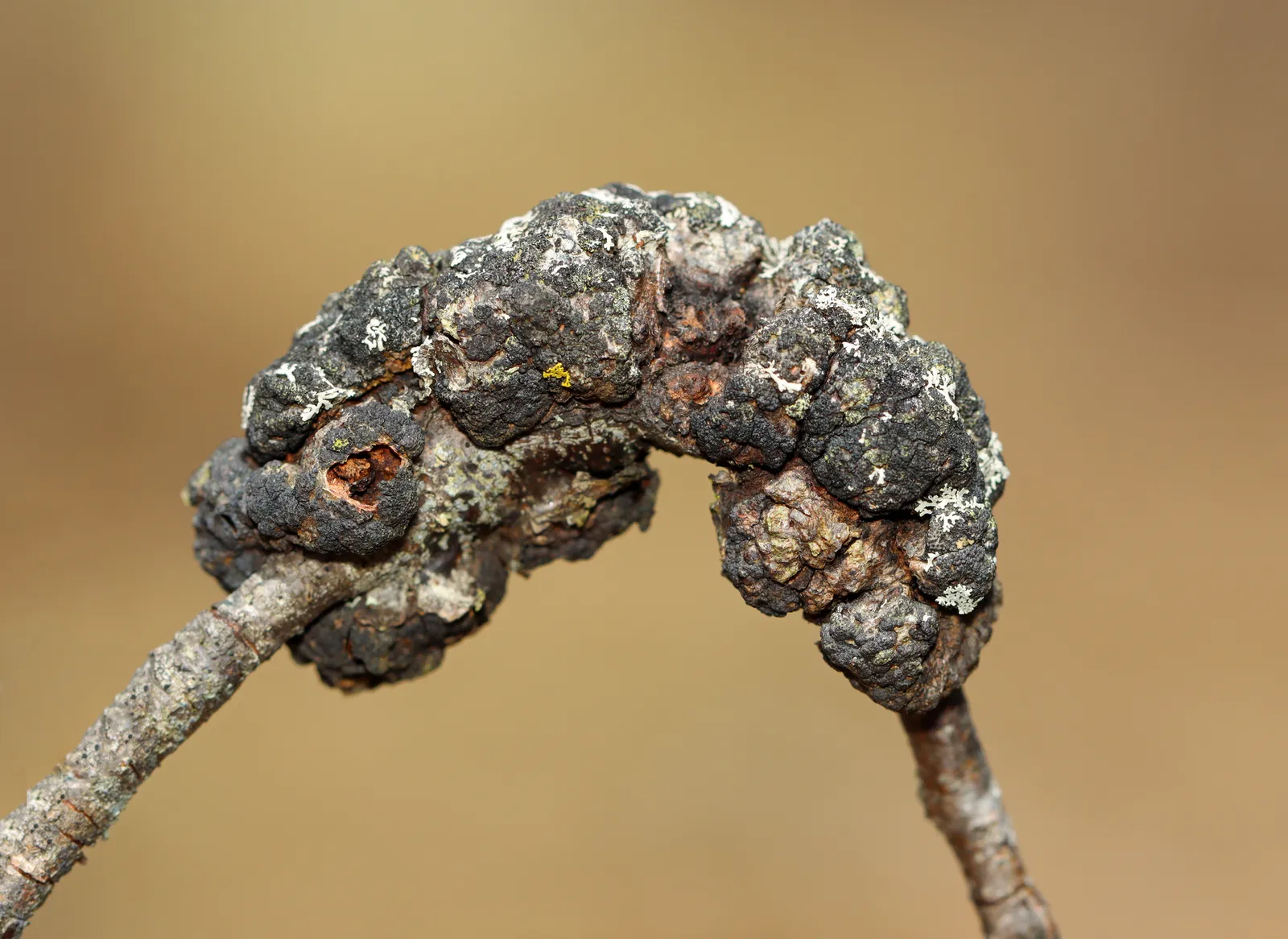
In the autumn following initial infection, the signs are easy to miss: only inconspicuous, light brown swellings appear on current season’s shoots. By the following spring, as growth resumes, the bark splits and the knots appear greenish and corky. By the late summer or fall of the second year, they harden and turn fully black.
The knots vary in length from about an inch to nearly a foot, and many times they do not completely circle the branch at first. That partial encirclement can give a false sense of security.
As the fungus grows, it releases chemicals that cause the tree to produce unusually large plant cells. This results in the characteristic swollen knots. By fall, those knots become hard, brittle, rough, and black.
The Real Damage: What Happens If You Leave It
During the following growing season, the knots enlarge and gradually encircle the twig or branch. The gall can completely encircle and girdle a branch, effectively strangling it. When this happens, the leaves beyond the gall wilt and die.
Individual trees can have just a few galls or several hundred. Trees heavily infected begin to show significant branch dieback with considerable shoot and leaf death. Some landscape plants can be so severely infected that most of the branches are killed, eventually causing the death of the whole tree.
In infested areas, the pest causes girdling of twigs and occasionally of larger branches, while trees with multiple infections lose vigor, bloom poorly, and become unproductive, stunted, and susceptible to winter injury and infection by other pathogens.
Why Wet Weather Makes It Worse
Black knot has been widespread in the Greater Columbus area, likely worsened by the abnormally wet conditions experienced locally both in the spring of 2025 and the prior spring. This isn’t an isolated regional pattern.
Infection can be severe when temperatures are between 55 and 77 degrees Fahrenheit. The major infection period starts when the buds swell in spring and continues until terminal growth stops or the supply of spores is exhausted.
Gardeners in areas that experienced heavy spring rainfall over the past two seasons should be especially vigilant right now. The fungus doesn’t announce itself immediately, and the lag time between infection and visible symptoms means damage from wet seasons often shows up a year or more later.
How to Prune Out an Infection Properly
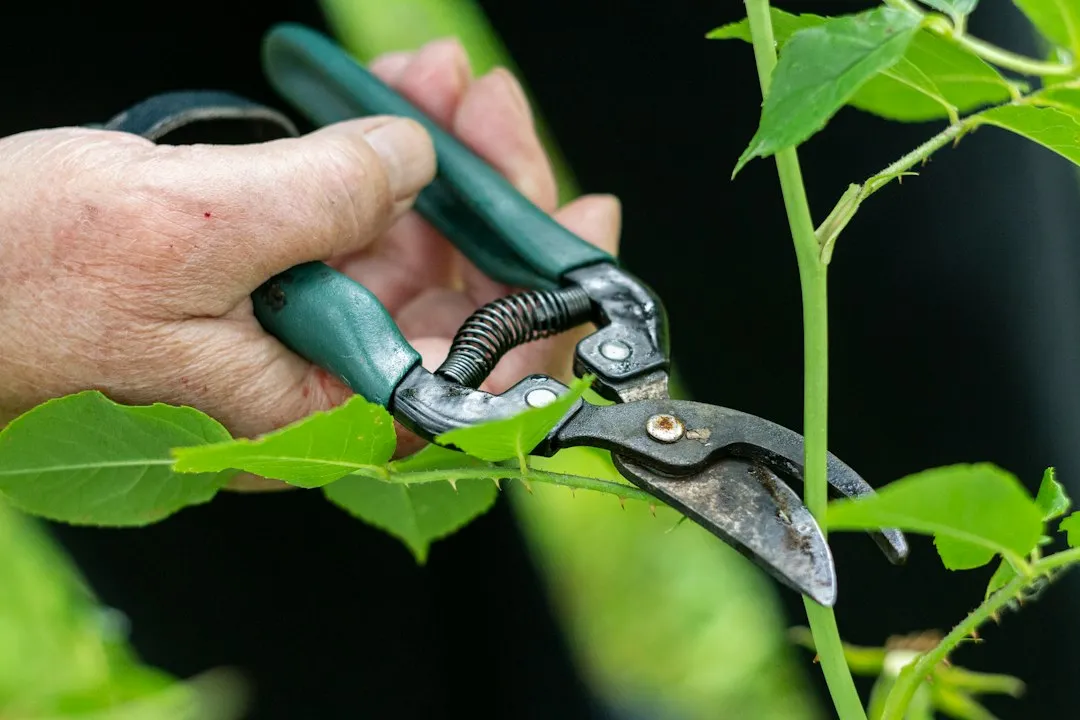
Infected branches should be pruned away during the dormant season, ideally in late winter or early spring, to minimize the spread of spores. It’s essential to sterilize pruning tools between cuts to prevent cross-contamination.
The black knot fungus is present in limbs well beyond where knots are visible, so prune a minimum of 15 cm below the knot. Knots can release ascospores for up to four months after they are removed from the tree. Brush piles should be burned to completely eradicate knots.
Diseased trimmings should be disposed of in household trash and not added to compost piles. It’s important to prune at least 2 to 4 inches above and below each knot, since the fungus grows beyond the visible edge of the knot. Getting this margin right matters more than many gardeners realize.
Fungicide Options and Their Limits
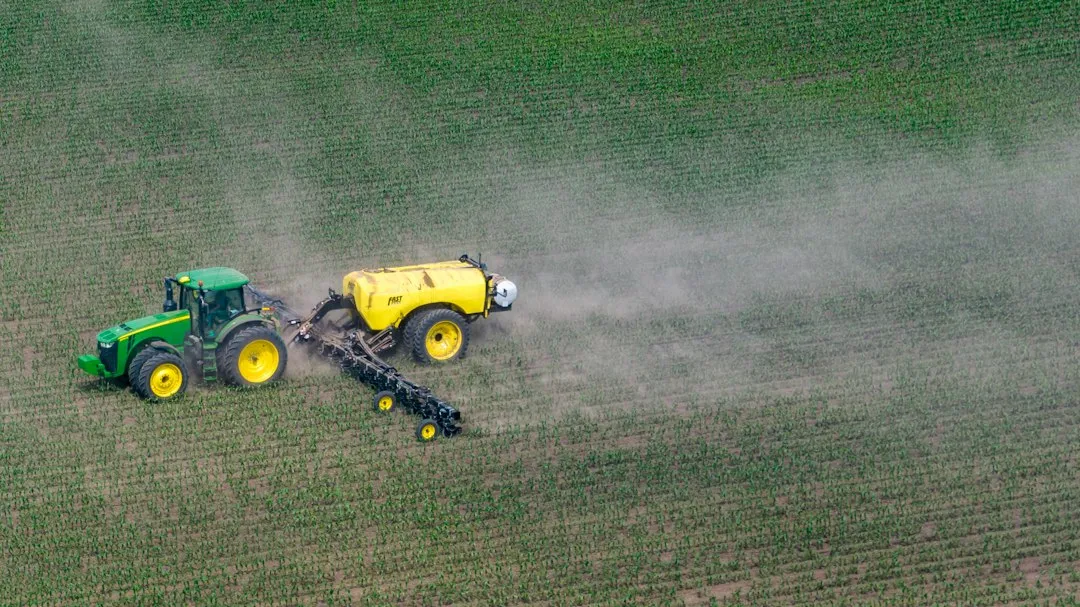
Applications of fungicide can reduce the spread of the fungus but should not be a substitute for pruning infected branches. Fungicide application should begin in spring at bud break and continue into early July. Frequent rainfall events will require reapplication.
Chlorothalonil is a broad-spectrum protectant fungicide effective against many fungal diseases including black knot. It’s most effective early in the season during bud break through petal fall, when infection typically occurs.
Fungicide options for managing black knot are limited and becoming even more limited. Chlorothalonil has been under regulatory review in Canada with proposed cancellation of all outdoor uses, and Indar was phased out with a last use date of December 2025. Gardeners should check with their local extension service for currently approved options in their region.
Wild Trees Nearby Are a Hidden Source of Re-Infection
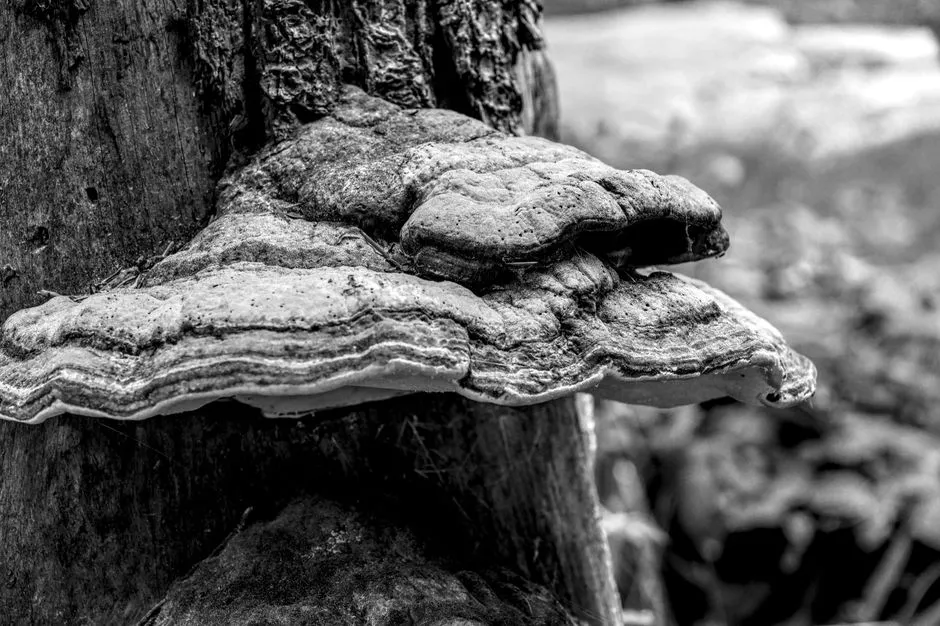
New plantings of plums should not be made next to old ones with black knot. Any wild plum and cherry trees should be removed from nearby woods and fencerows for at least 500 feet from the new orchard.
Wild plum and cherry trees in nearby fence rows and wooded areas can serve as a continuous source of infection. Removing these hosts within at least 600 feet of cultivated trees is advisable if practical.
This is one of the hardest realities of managing black knot in a residential setting. You may do everything right on your own trees, but if a neighbor’s untreated wild cherry sits 50 feet away, the spores will keep coming back every spring. Managing the surrounding landscape matters just as much as treating the tree itself.
Choosing Resistant Varieties from the Start
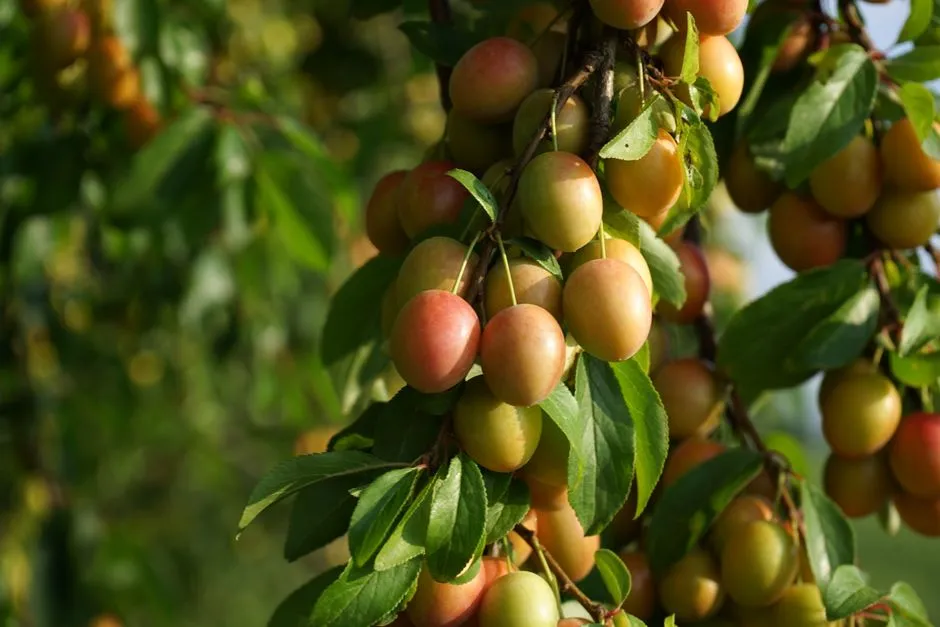
The disease is very destructive, killing twigs and limbs, and occasionally whole trees. Although there are no cherry varieties that are reliably resistant to black knot, there are some plums with resistance.
Plum varieties with some resistance include President, Bluebyrd, Methley, Milton, Early Italian, Fellenberg, Shiro, Santa Rosa, Castleton, Seneca, Damson, Bluefree, NY9, Formosa, and Au Rosa. Stanley, Valor, Rosy Gage, and Shropshire are varieties considered very susceptible.
It is reported that tart cherry varieties, such as Evans Cherry, are less susceptible than other cherries. For gardeners starting fresh with a new planting, variety selection is the single most powerful tool available before the first spore ever lands on a branch.
The Long View: Managing Black Knot Over Time
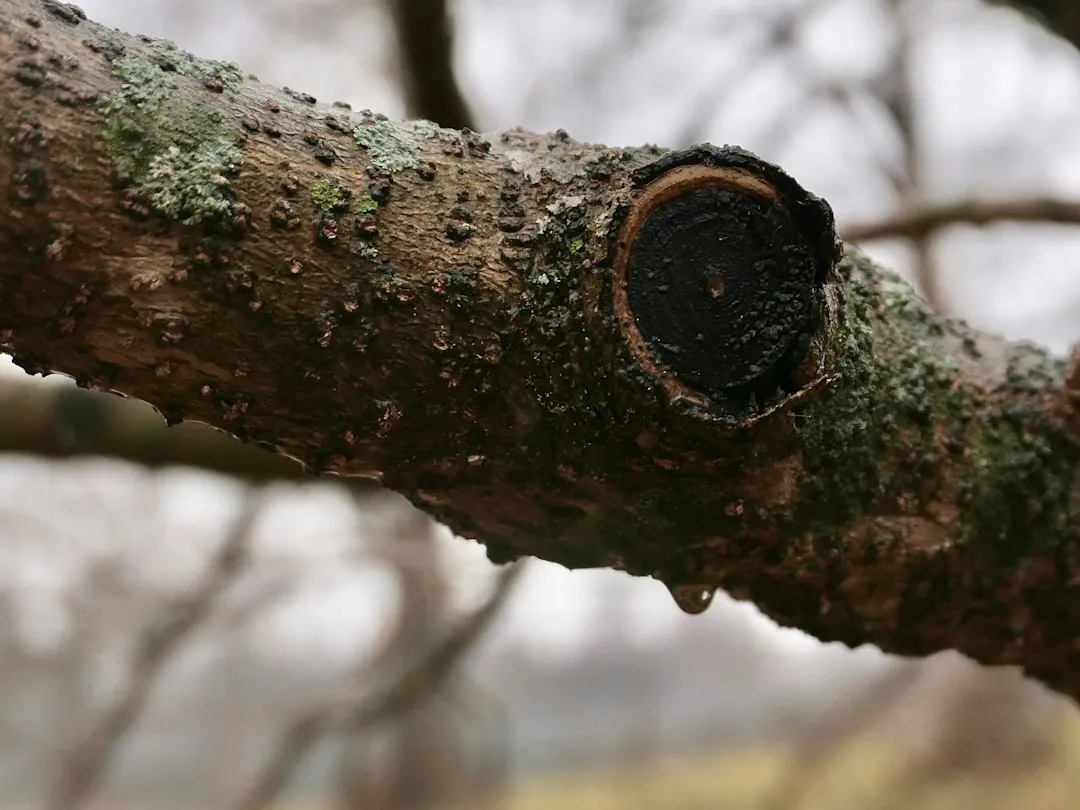
Black knot is a slowly developing disease. Early detection and consistent management are key to control. Managing an established infection may take two to three years of diligent effort.
A survey in Alberta revealed a significant and widespread distribution of black knot found in commercial, municipal, private, and natural plantings. The disease reduces the aesthetic value of affected specimens, and at high levels may result in the eventual death of the plant.
That timeline, two to three years of consistent work, is both the challenge and the honest truth of dealing with this disease. It doesn’t resolve in one season. Gardens with established plum or cherry trees need a standing annual protocol: dormant inspection, careful pruning, tool sterilization, and fungicide timing aligned with bud break. There’s no shortcut, but the trees are worth the effort.
The Takeaway
Those black, twisted lumps on cherry and plum branches aren’t a minor cosmetic flaw. They’re the visible tip of a fungal infection that’s been building, branch by branch, for potentially two or more growing seasons before you noticed it. The good news is that with correct pruning technique, proper disposal of infected material, and timely fungicide application in spring, most trees can be managed and saved.
The gardeners who lose their trees to black knot are almost always the ones who waited. A single dormant-season inspection each year, with sharp and sterilized tools in hand, is genuinely enough to catch this disease before it takes hold in a serious way. Start with your trees this winter, before new growth begins, and you’ll be well ahead of the fungus by spring.
AI Disclaimer: This article was created with the assistance of AI tools and reviewed by a human editor.