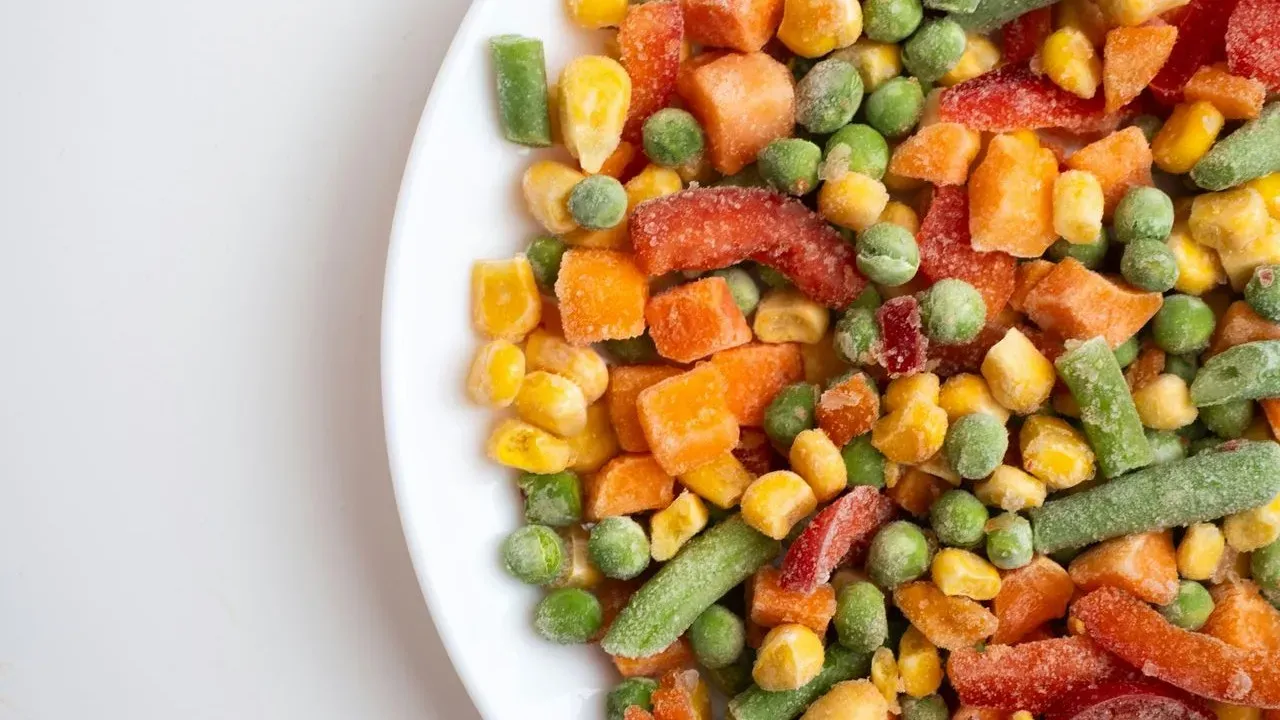

As the first frost approaches many gardeners face an abundance of bell peppers ready for harvest. Freezing offers a straightforward method to preserve the crop without complex equipment or lengthy processing. The technique turns extra peppers into convenient additions for winter meals. ([1])
Why Freezing Makes Sense Now
Fall brings a natural deadline for garden produce. Peppers left on the vine risk damage once temperatures drop. Freezing captures their color and flavor at peak quality with minimal effort. Unlike canning it requires no special jars or pressure equipment. The result is a stockpile of ready-to-cook pieces that fit easily into soups, stir-fries, and casseroles.
Texture changes after freezing so these peppers suit cooked dishes best. They soften yet retain sweetness and garden freshness. Home cooks gain time later because washing and chopping happen upfront. This approach prevents waste when plants produce more than daily meals can handle.
Selecting and Harvesting at the Right Time
Choose firm peppers with smooth glossy skin and good weight for their size. Green red yellow and orange varieties all work well. Fully colored fruits often taste sweeter while green ones offer a sharper note. Avoid any with soft spots wrinkles or damage though small blemishes can be trimmed away.
Harvest promptly when frost threatens even if some peppers remain immature. Use clean snips to cut stems rather than pulling by hand. Bring the crop inside quickly and process soon after picking to maintain quality. Dry foliage at harvest time reduces dirt and speeds cleaning.
Simple Steps Without Blanching
Start by rinsing peppers under cool water and patting them completely dry. Moisture leads to ice crystals and faster freezer burn. Remove stems seeds and inner membranes then cut into strips dice or rings depending on planned recipes. Similar sizes freeze and cook evenly.
Tray freezing works well for loose pieces that pour out easily later. Spread cut peppers on a parchment-lined sheet pan freeze until solid then transfer to bags. Direct bag freezing suits larger portions when an entire batch will be used at once. Always press out air and use proper freezer packaging.
- Label bags with date and cut style for quick identification.
- Keep freezer at 0 degrees Fahrenheit or below.
- Use within about eight months for best results.
Using and Storing the Frozen Crop
Add frozen peppers straight from the bag to hot skillets or simmering dishes. Thawing first can release excess water and affect texture. Adjust cooking times slightly since the pieces release moisture as they warm. They shine in chili casseroles and one-pot meals where convenience matters most.
Store in airtight bags or rigid containers and rotate older stock to the front. Smaller portions prevent repeated thawing and refreezing. The method delivers reliable flavor for months and turns a seasonal surplus into year-round kitchen staples.
AI Disclaimer: This article was created with the assistance of AI tools and reviewed by a human editor.