
Why Potatoes Spike Blood Sugar in the First Place
Potatoes are primarily composed of carbohydrates, mostly in the form of starch. When you eat them, digestive enzymes in your gut break this starch down into glucose, which enters your bloodstream and raises blood sugar levels.
The glycemic index is a tool used to measure how quickly a carbohydrate-containing food raises blood sugar compared to pure glucose. Freshly cooked potatoes, especially varieties like russet potatoes, often have a high glycemic index, meaning they can cause rapid spikes in blood sugar.
Boiled waxy potatoes can have a glycemic index between 56 and 69, causing significantly less blood sugar rise than a baked Russet Burbank, which can reach between 85 and 111. The method of preparation matters considerably more than most people realize.
The Core Trick: Cook, Cool, and Wait
Cooking potatoes and then cooling them for 12 to 24 hours converts a significant portion of their starch into resistant starch, a form your body cannot digest into glucose. This transformation is the central insight behind the so-called potato trick.
During cooling, the gelatinized starch molecules begin to crystallize and resistant starch is formed. Upon cooking, starch becomes gelatinized and is readily broken down by digestive enzymes. When cooled, the starch in potatoes undergoes retrogradation, which once again causes it to become resistant to digestion.
Research has shown that storing cooked potato tubers at 4 degrees Celsius for periods up to 48 hours results in a significant reduction in glycemic index and an increase in resistant starch content. The fridge, in other words, is doing the real work.
What Resistant Starch Actually Is

Resistant starch is a type of carbohydrate that resists digestion in the small intestine and ferments in the large intestine, according to Johns Hopkins. This distinction is important because it means the starch bypasses blood sugar pathways almost entirely.
Potatoes contain amylose, a resistant starch not broken down by digestive enzymes that has a smaller impact on blood sugar levels. It functions somewhat like a soluble fiber, undergoing fermentation by gut microbes and producing beneficial short-chain fatty acids. Though the cooking process makes amylose more digestible, cooling potatoes after cooking returns some of the starch to its resistant state.
A 2020 review of research into the health benefits of resistant starch on diabetes and obesity concluded that resistant starch may modify the gut microbiota to produce starch-degrading enzymes, promote the production of beneficial intestinal metabolites like short-chain fatty acids, improving gut barrier function and reducing inflammation.
How Much Resistant Starch Does Cooling Actually Create?
Potatoes show a dramatic increase in resistant starch from cooling: freshly cooked potatoes contain roughly 0.8 grams of resistant starch per 100 grams, while potatoes cooled for 24 hours contain approximately 2.8 grams per 100 grams, representing an increase of around 250%.
One peer-reviewed study found that cold storage of boiled potatoes increased resistant starch content significantly from 3.3 to 5.2 percent on a starch basis. This is a meaningful shift, not a marginal one.
Research on commonly consumed potato varieties showed that resistant starch content varied by cooking method and service temperature but not by variety. Baked potatoes had higher resistant starch contents than boiled, while chilled potatoes had more resistant starch than either hot or reheated potatoes.
The Glycemic Impact: What the Numbers Show

Cooled potatoes develop resistant starch that lowers glycemic response by roughly 25 to 35 percent. Cooling cooked potatoes for 24 hours forms RS3 resistant starch and reduces postprandial glycemic response measurably, according to research by Raatz et al. (2016) and Leeman et al. (2005).
Cooling or storing potatoes after processing significantly reduces the glycemic index due to retrogradation of starch molecules. Freshly cooked potatoes have a higher glycemic index than potatoes that have been cooked and then cooled prior to consumption, though the magnitude of this effect varies across different potato varieties.
Research suggests resistant dietary starches may have positive health benefits, including improvements in insulin sensitivity, glucose time in range, and digestion. These benefits extend well beyond a single meal.
The Vinegar Boost: Combining Two Strategies
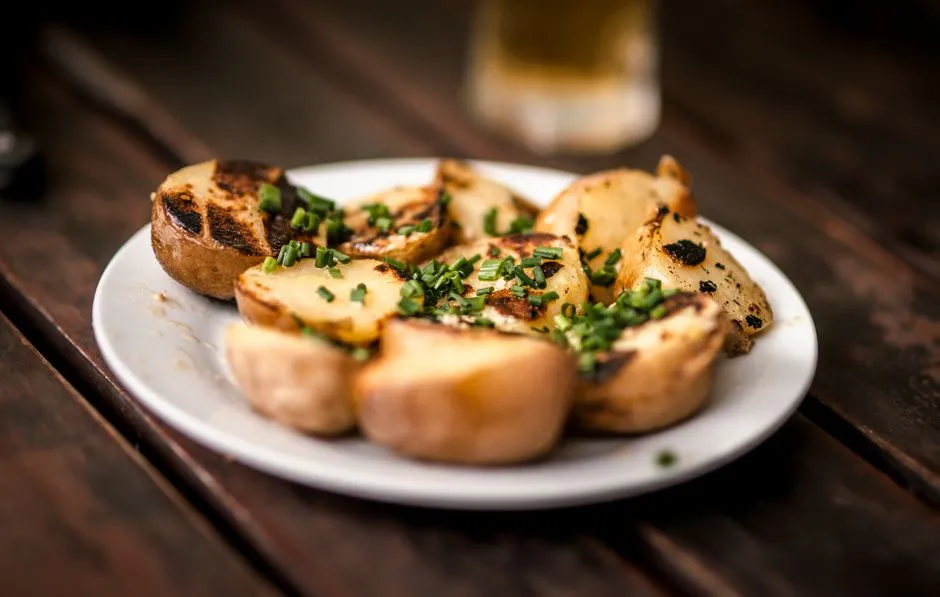
Adding an acid like vinegar during or after cooking can increase resistant starch formation. A Japanese study found that cold-storing potatoes after boiling them with acetic acid significantly increased resistant starch content compared to boiling alone, and the longer the cold storage, the greater the effect. The acid appears to promote the retrogradation process when combined with standard boiling temperatures.
One study found that cold potatoes served with a vinegar dressing reduced the glycemic index by 43 percent and the insulin response by 31 percent compared to freshly boiled potatoes. Cold storage alone lowered the insulin response by 28 percent.
Another study found that including just two teaspoons of white vinegar with a meal composed of complex carbohydrates reduced the glycemic impact by around 20 percent compared to a placebo. The combination of cooling and vinegar stacks these effects meaningfully.
Does Reheating Undo the Work?

The resistant starch formed during cooling survives reheating, making meal prep a legitimate blood sugar strategy. This is one of the most practically useful details dietitians point out, since most people want warm food.
Reheating a cooled potato retains roughly 50 to 70 percent of the resistant starch benefit, which still represents a meaningful reduction in glycemic impact compared to eating a freshly cooked hot potato.
When foods like potatoes are cooked, cooled, and then reheated, their starch structure changes into resistant starch. This means the body digests them more slowly, helping to keep energy levels steady, prevent sugar crashes, and support fullness for longer.
Which Cooking Method Works Best Before Cooling?
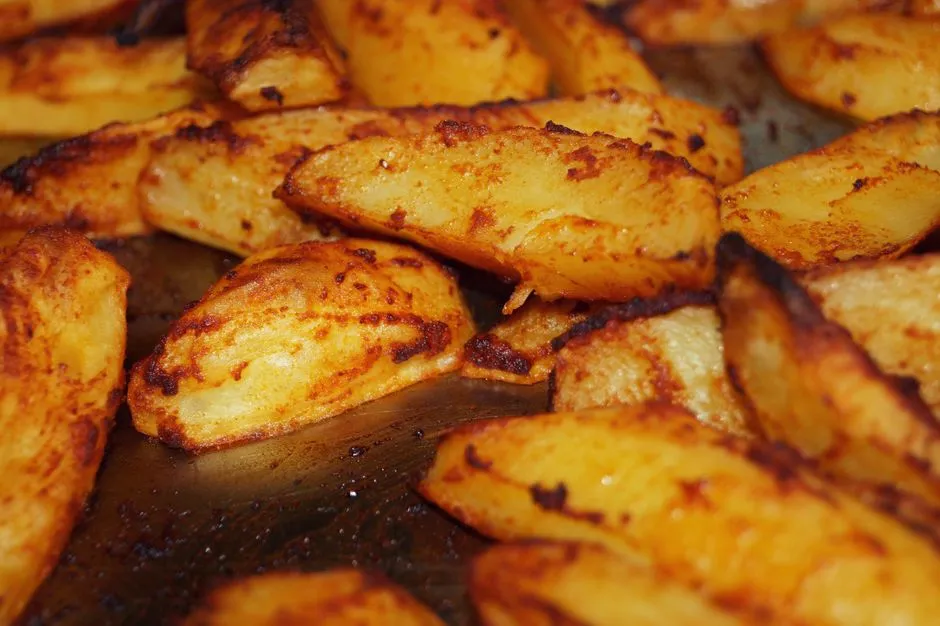
In all potatoes tested, resistant starch was significantly affected by both cooking and service method. Baked potatoes had a higher resistant starch content than boiled, and regardless of cooking method, the pattern was consistent: chilled had more than reheated, and reheated had more than hot.
Domestic boiling, baking, microwave cooking, oven cooking, extrusion, and frying all result in different degrees of gelatinization and crystallinity of starch in potato. Boiling is widely recommended because it leaves the potato easier to cool quickly and evenly in the refrigerator.
Keeping the skin on during cooking adds a further benefit. Leaving the skin on maximizes fiber content, which also plays a role in slowing glucose absorption and supporting gut health.
What Dietitians Actually Recommend
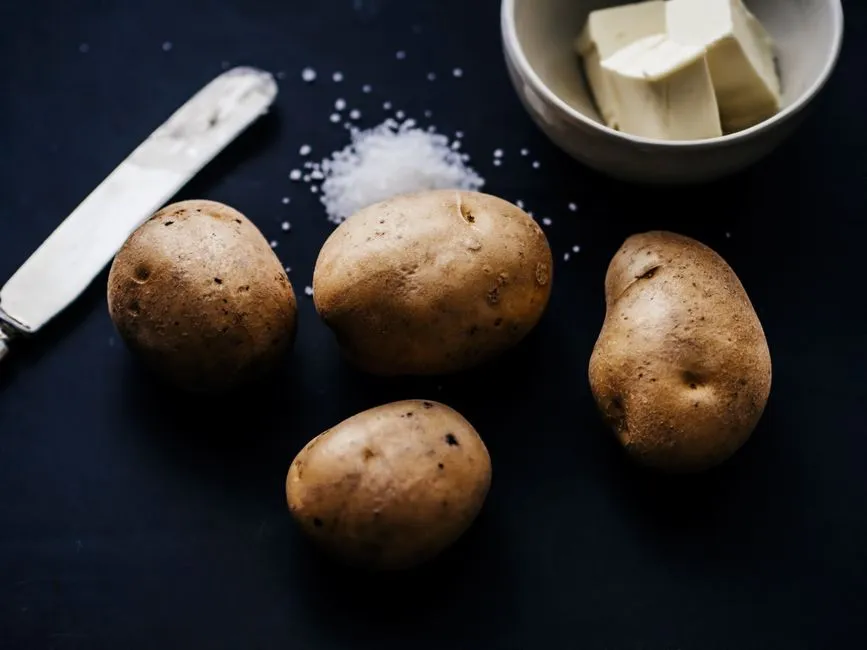
Making potato salad instead of a hot baked potato is one practical way to use this strategy. Boiling potatoes, cooling them in the fridge overnight, and using them in salads with olive oil and vinegar creates a genuinely lower-glycemic way to eat potatoes.
Complementing potatoes with healthy fats, fiber, and protein such as olive oil, plain Greek yogurt, sliced avocado, or other healthy fats and proteins helps slow digestion and reduce the glycemic load further. Pairing matters just as much as preparation.
The American Diabetes Association lists potatoes as an acceptable food when portion-controlled, and peer-reviewed evidence shows the picture is far more nuanced than simply saying potatoes spike blood sugar. Variety, cooking method, and accompaniments matter more than avoiding potatoes outright.
The Gut Microbiome Connection

Because resistant starch is not broken down in the small intestine, it arrives intact in the large intestine where gut bacteria ferment it. This fermentation feeds beneficial bacterial populations. The effect reaches far beyond blood sugar management alone.
A 2024 post-hoc analysis of a randomized, double-blind, placebo-controlled trial assessing the effects of resistant potato starch found that the relative abundance of beneficial gut bacteria including Bifidobacterium and Akkermansia significantly increased after 12 weeks of supplementation with RS-3 resistant starch.
Findings emphasize the importance of carbohydrate quality in overall health and suggest that resistant starch, by lowering glycemic response and supporting short-chain fatty acid production, could potentially contribute to disease prevention. The humble cooled potato fits neatly into this picture.
The Takeaway
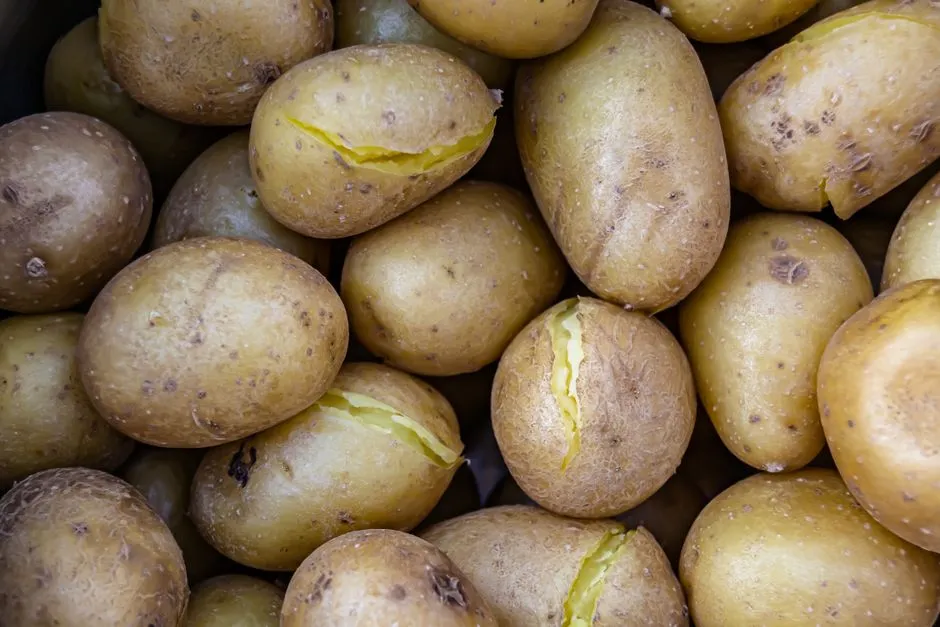
The potato trick dietitians recommend is genuinely simple: cook your potatoes, refrigerate them for at least 12 to 24 hours, and eat them cold or gently reheated. Add vinegar and olive oil if you want to push the effect further. There is real, peer-reviewed science behind each of those steps.
None of this means potatoes are a free pass in unlimited quantities, and portion size still matters. Blood sugar spikes and subsequent dips can impact how you feel and your energy levels, and over time, repeated spikes can also lead to increased risk for cardiovascular disease, insulin resistance, and diabetes. Managing that risk doesn’t require giving up potatoes.
What this research ultimately suggests is that how you prepare food can be just as consequential as what food you choose. A cold potato salad dressed with vinaigrette, made the night before, is not a workaround. It’s just a smarter version of a food that was never as problematic as its reputation suggested.
AI Disclaimer: This article was created with the assistance of AI tools and reviewed by a human editor.