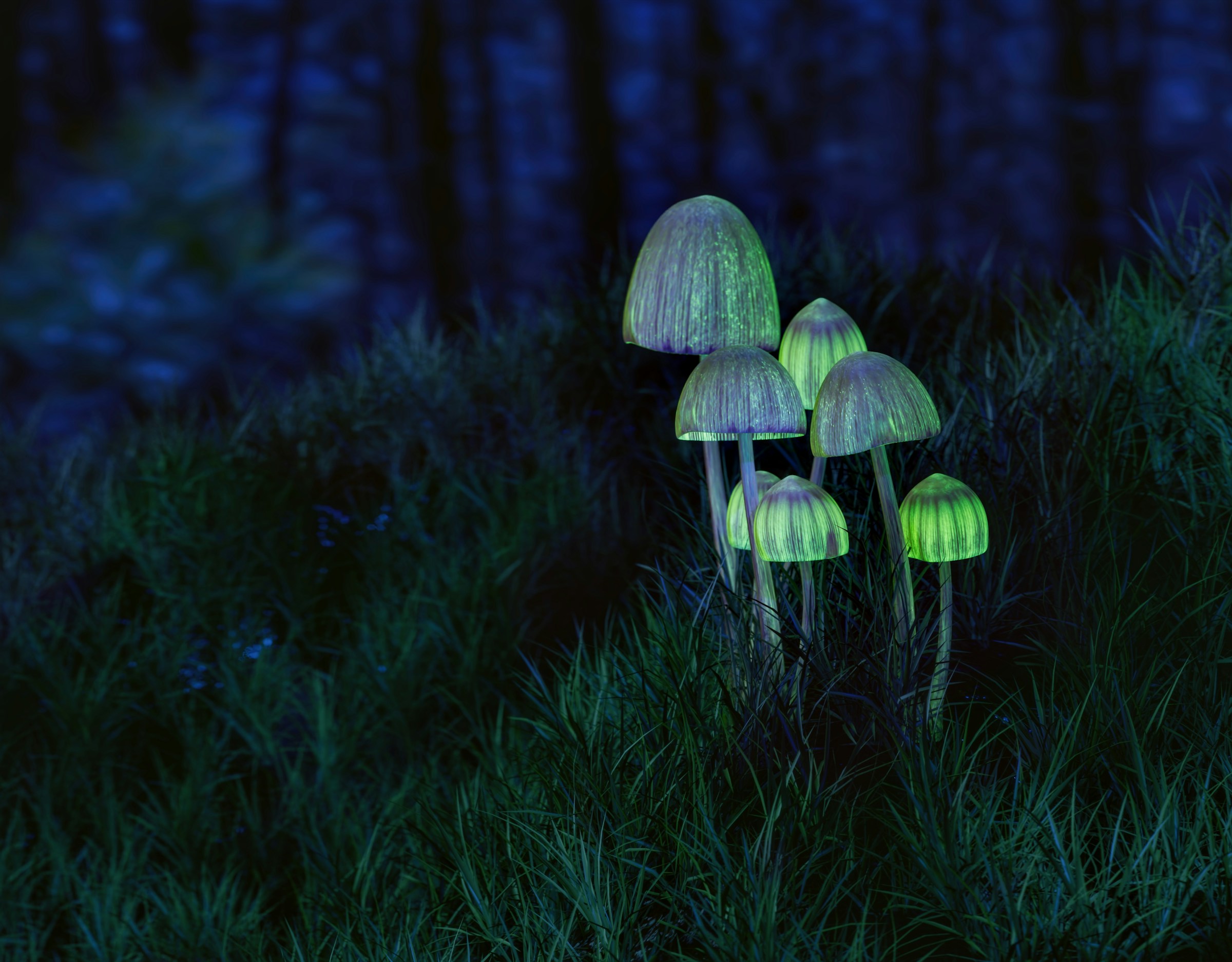

A Phenomenon Older Than Written History
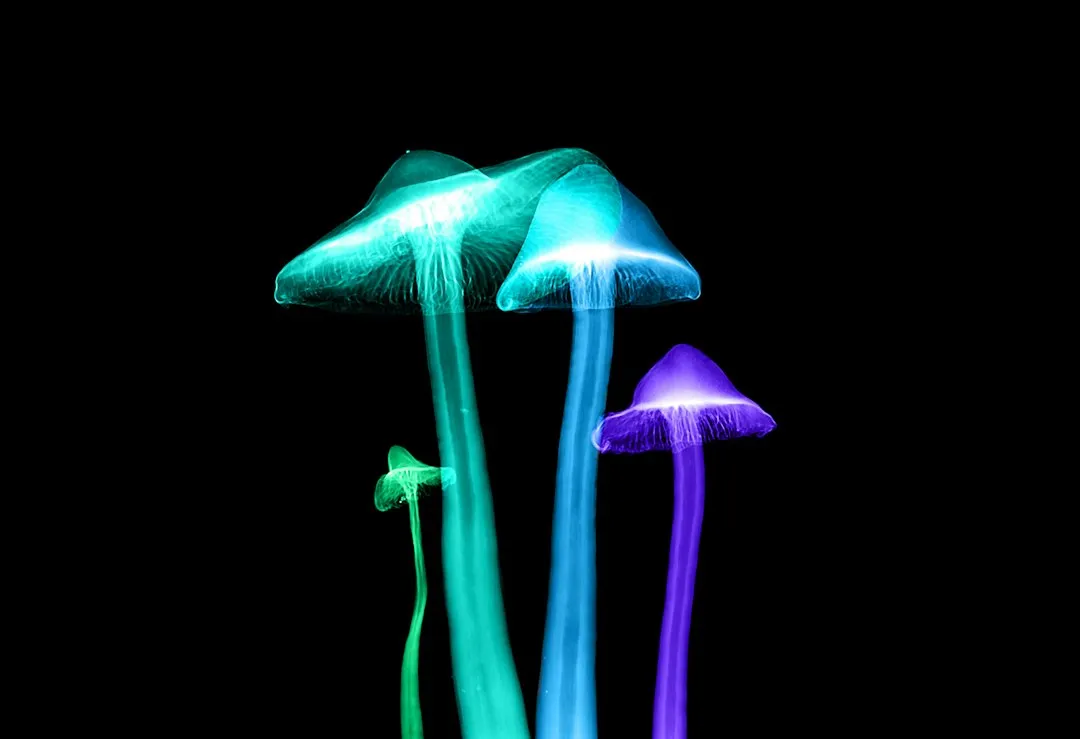
The Greek philosopher Aristotle observed bioluminescent fungi over 2,000 years ago, and he called them a “cold fire” emanating from decaying wood. That ancient observation was remarkably accurate. Aristotle was among the first known people to document this mysterious light, distinct from fire, emanating from decaying wood, noting that it was cold to the touch – he was describing bioluminescent fungi.
The phenomenon, also called foxfire and fairy fire, is the bioluminescence created by some species of fungi present in decaying wood, and the bluish-green glow is attributed to a luciferase, an oxidative enzyme, which emits light as it reacts with a luciferin. The phenomenon has been known since ancient times, with its source determined in 1823.
How Many Glowing Species Actually Exist
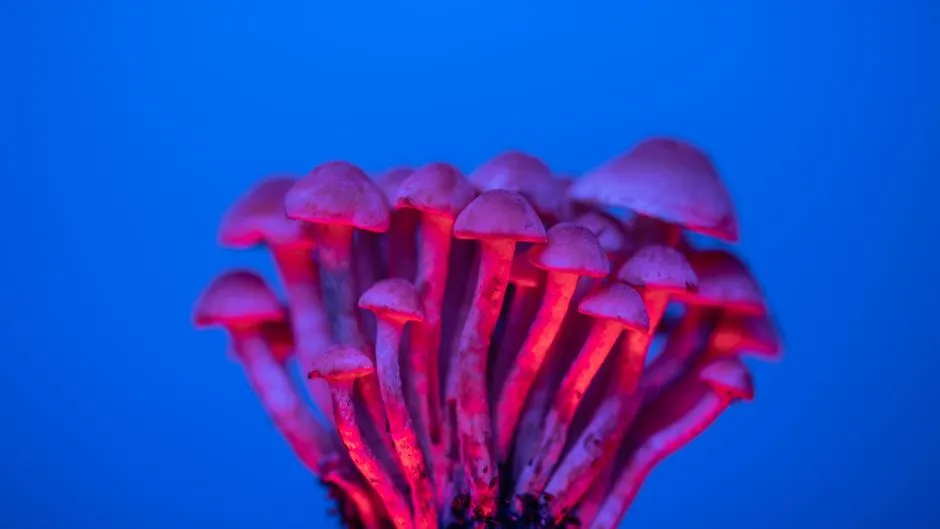
The number of known bioluminescent fungi has more than doubled in the past 15 years, from 64 to 132 species. That figure keeps climbing as researchers look more carefully in more places. Scientists predict there will constantly be more bioluminescent species discovered, noting that bioluminescence is under-researched, and the more people look, the more they will find.
Researchers currently recognize five distinct lineages of bioluminescent Agaricales belonging to the Omphalotaceae, Physalacriaceae, Mycenaceae, the Lucentipes lineage, and Cyphellopsidaceae. The Omphalotus lineage contains 12 species, the Armillaria lineage has 10 known species, while the Mycenoid lineage has more than 50 species.
The Chemistry Behind the Glow
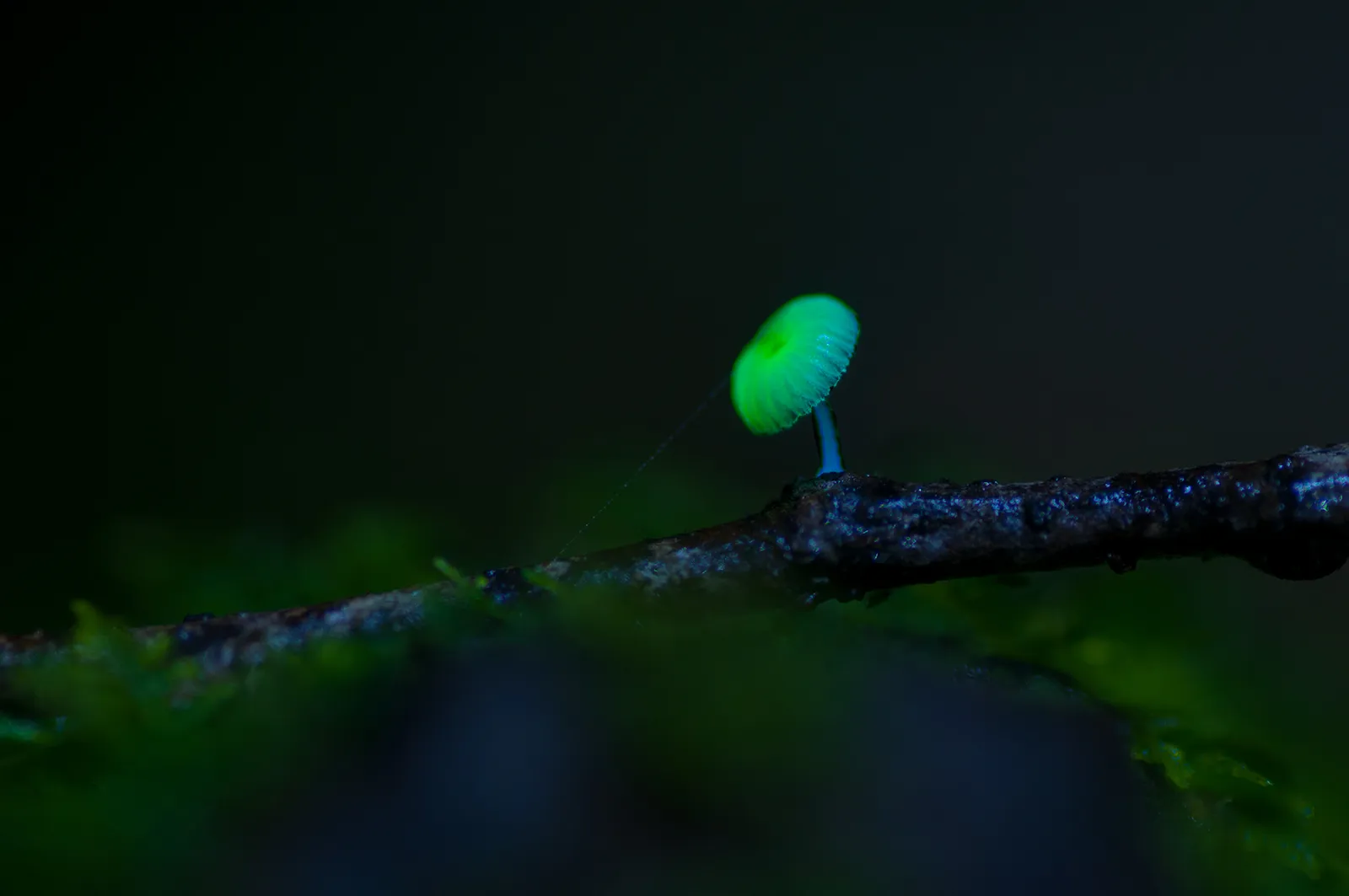
The fungal bioluminescence pathway is mediated by a gene cluster encoding three key enzymes: luciferase, hispidin synthase, and hispidin 3-hydroxylase. In plain terms, a luciferin compound inside the fungus reacts with oxygen in the presence of an enzyme, and that reaction releases energy as visible light rather than heat. That’s why the glow is cold to the touch.
Oxygen has been confirmed as essential for bioluminescence, with light emission ceasing rapidly under anaerobic conditions and recovering within minutes upon re-exposure to air. The light of fungi ranges from blue to green and yellow, depending on the species.
The Bitter Oyster: North America’s Backyard Glower
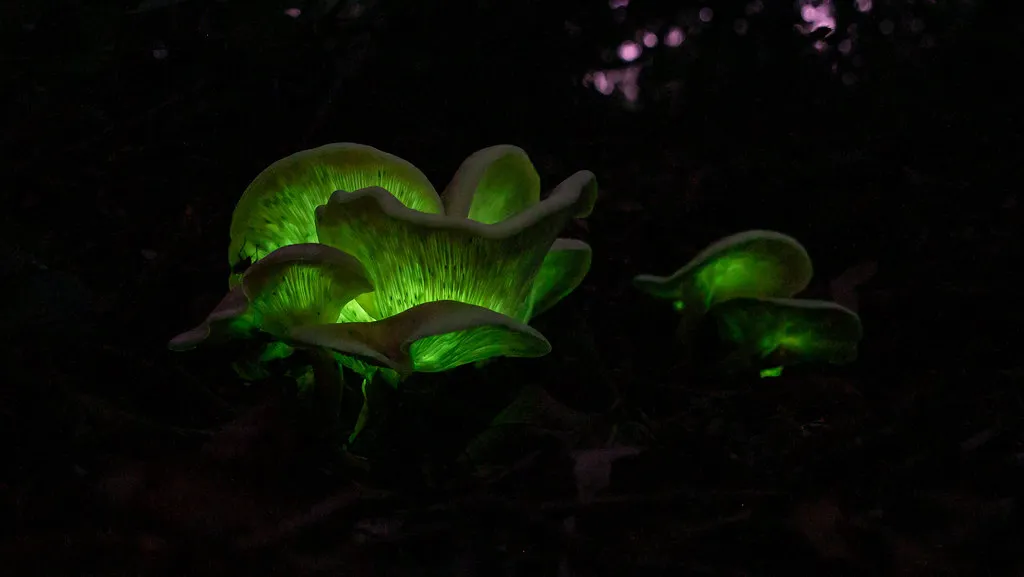
Panellus stipticus is one of the brightest-glowing mushrooms on Earth. It’s also one of the most likely candidates behind that late-night glow spotted near a wood pile or old stump. The caps are orange-yellow to brownish and attached to the decaying wood by short stubby stalks connected off-center or on the side of the caps.
Strains from eastern North America are typically bioluminescent, but those from the Pacific coast regions of North America and from other continents are not, and the luminescence is localized to the edges of the gills and the junction of the gills with the stem and cap. It is found throughout Asia, Australia, Europe, and North America, and foragers are able to find this variety growing around birch, oak, and beech trees.
Honey Mushrooms and Their Underground Glow
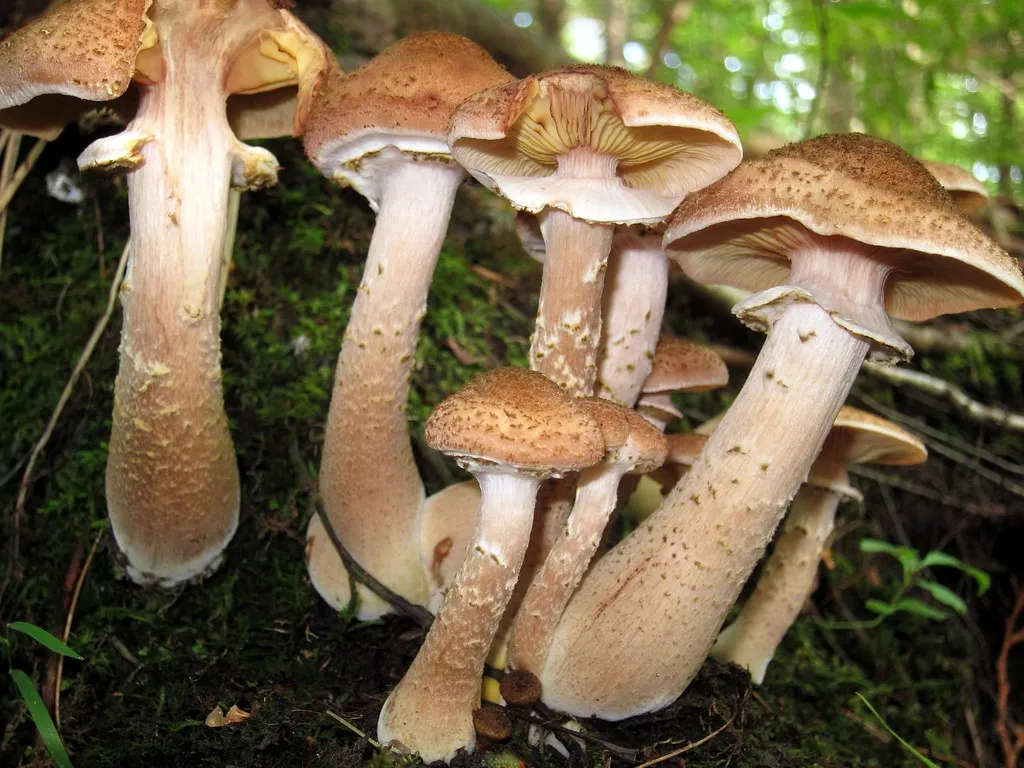
There are two species of honey mushrooms known to be bioluminescent: Armillaria mellea and bulbous honey fungus, Armillaria gallica. These are particularly notable because homeowners with older trees often discover them clustered at the base of trunks in the fall. The gills of the honey mushroom occasionally glow green but very faintly, while the honey mushroom mycelium glows more brightly than its gills, and they can be found throughout North America growing in clusters at the base of trees.
Armillaria mellea, also known as the honey mushroom, is found in forests across North America, Europe, and Asia, typically growing on the trunks of trees and emitting a faint greenish-yellow glow. It’s one of the most widely distributed bioluminescent fungi on the planet.
A New Swiss Discovery in 2024 and 2025
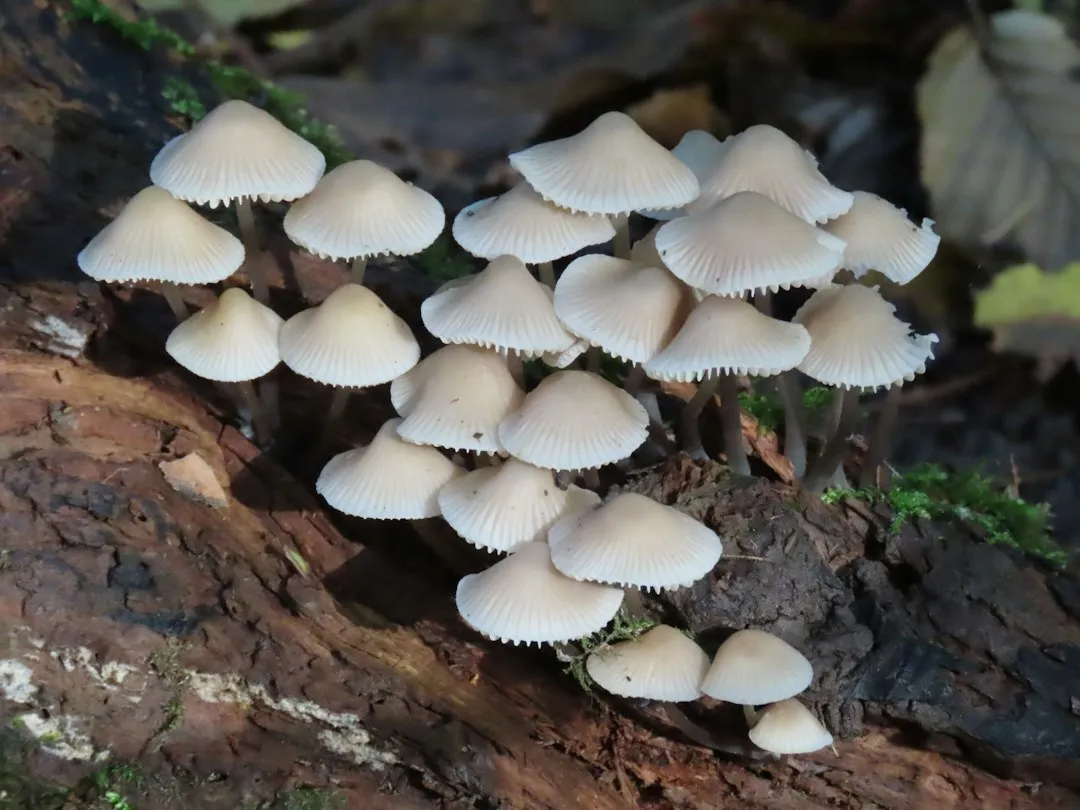
Mycena crocata is a long-known species of fungus frequently reported from Europe and Japan, which was considered non-luminescent until recently. A study published in the journal Mycoscience in 2024 changed that assessment entirely. Researchers initially thought they had collected a known bioluminescent species, but in closer inspection identified it as the saffron drop bonnet mushroom, Mycena crocata, which had not previously been described as bioluminescent.
Light measurements revealed that the fruiting body of Mycena crocata, apart from the stipe base, is non-luminous, while the mycelium showed the most bioluminescence, and as a result, the decaying wood it grows on can also emit a green glow when split open, lasting up to 4 hours, until the wood dries up. Glowing mushrooms are often associated with tropical environments, but they can also be found in Switzerland.
Why the Glow Is So Often Invisible
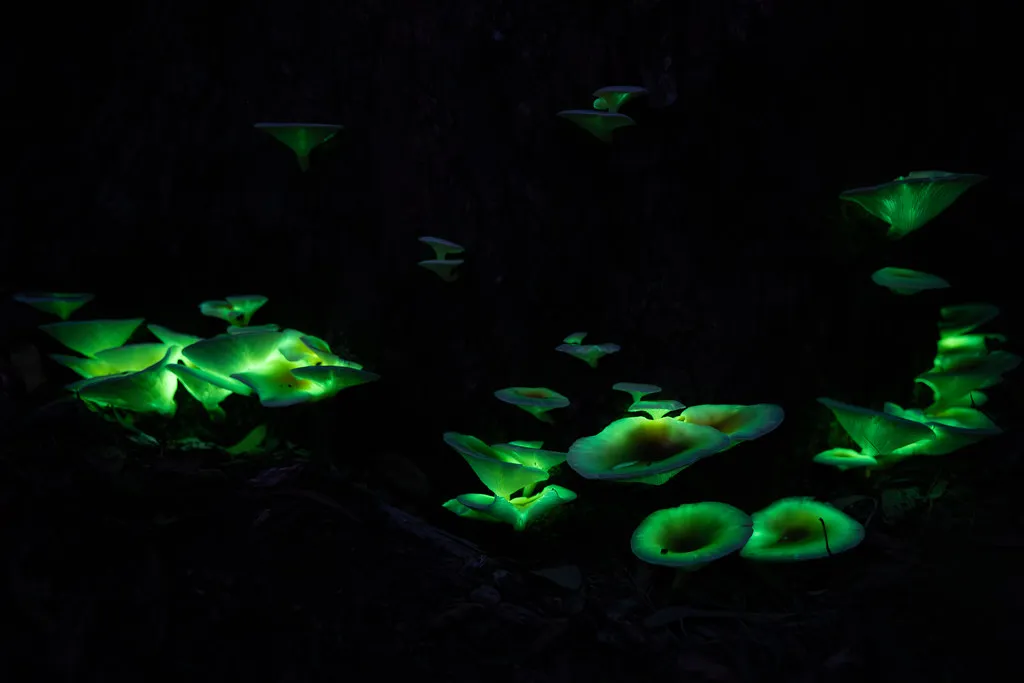
Sometimes the fungi’s bioluminescence is so weak it cannot be seen with the naked eye. This is one reason many people live near glowing species for years and never notice anything. Most bioluminescent fungi glow all the time, but their light is usually outshone by daylight.
Finding bioluminescent mushrooms in the wild is not easy, but it can be done. Your best chance is during the day when collecting a specimen. Once you’re back home, go to a dark room and wait for your eyes to adjust; after they do, you should see the mushroom gills glow. Even then, patience is needed – you need to find a place of total darkness, and it may take 5 to 10 minutes for your eyes to adjust to see the low-intensity, pale green glow.
Why Mushrooms Glow: Still Partly a Mystery
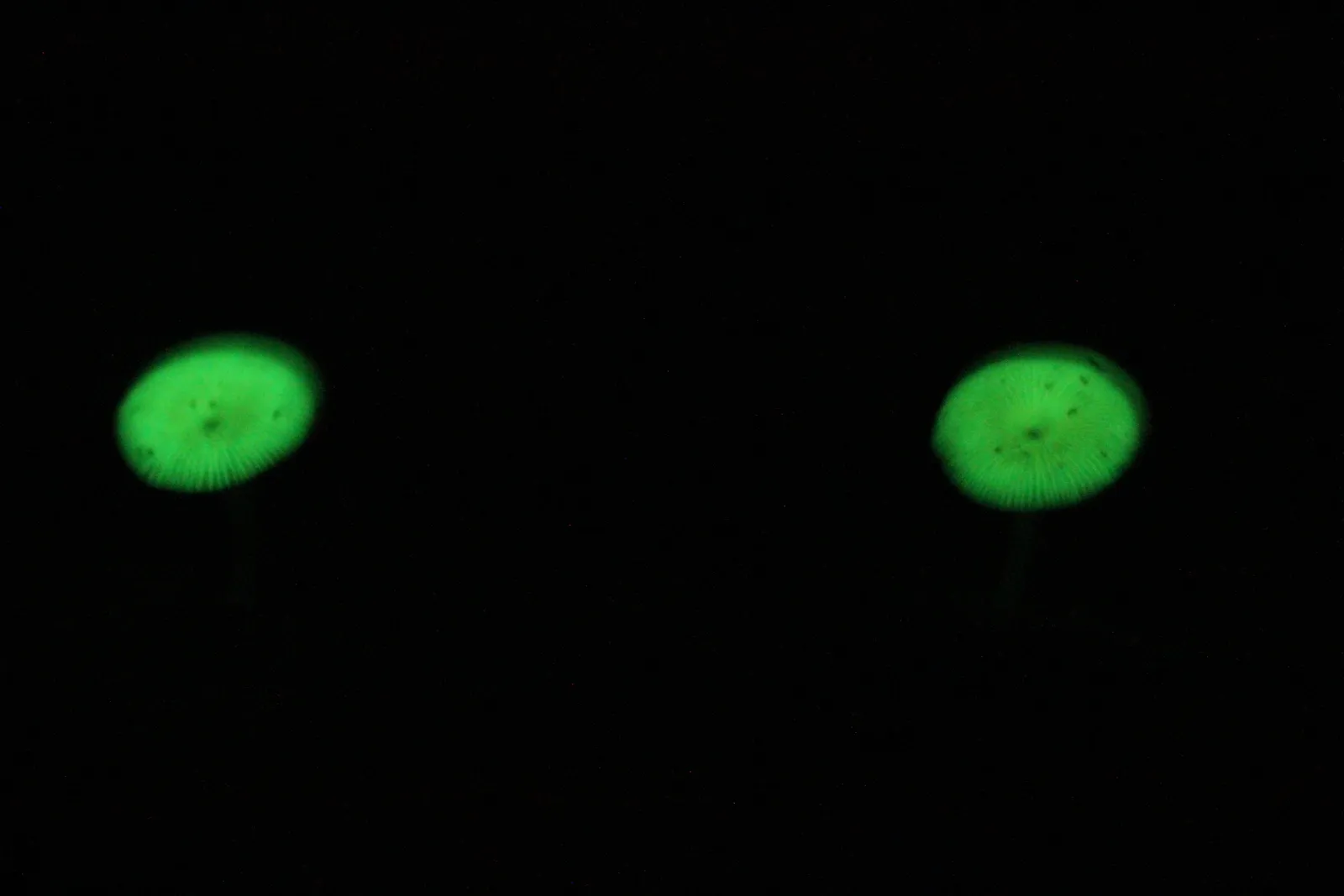
Although the biological mechanism is now understood, its ecological function remains uncertain. While some glowing mushrooms might attract insects to disperse spores, the bioluminescence of hidden mycelium does not fit this hypothesis. That’s what keeps researchers genuinely puzzled. It’s thought that fungi may glow to attract insects for spore dispersal, or to warn away predators.
All known bioluminescent mushrooms use their glow following a cycle similar to our body clocks, running on approximately a 22-hour cycle and adjusting to 24 hours depending on the temperature. Research has shown that the mushrooms’ bioluminescence is under the control of a temperature-compensated circadian clock. So these organisms aren’t just glowing randomly. There’s biological structure to it, even if the purpose isn’t fully resolved.
Where in the World Are They Found
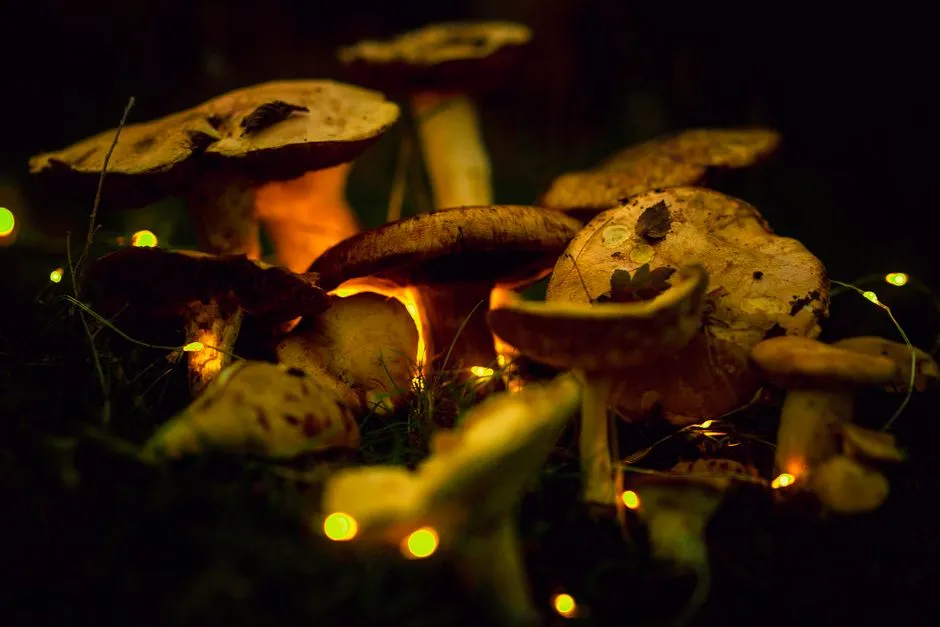
Bioluminescent fungi are distributed across the globe, with the highest diversity occurring on woody or leafy substrates in subtropical closed canopy forests with high plant diversity. The areas with the most known species are Japan with 36, South America with 30, North America with 27, followed by Malesia, South Asia, and Southeast Asia with 26, and Europe with 23.
Luminous fungi have long attracted public attention in Japan, from old folklore and fiction to current tourism, and at present 25 species of luminous fungi have been discovered in Japan, corresponding to approximately one-fourth of the globally recognized species. While stars shine in the sky above Brazil’s Atlantic Rainforest, mushrooms glow on the ground, and the southeastern region of the forest, known as the Ribeira Valley, houses the world’s largest concentration of bioluminescent mushrooms.
What to Do If You Find One in Your Yard
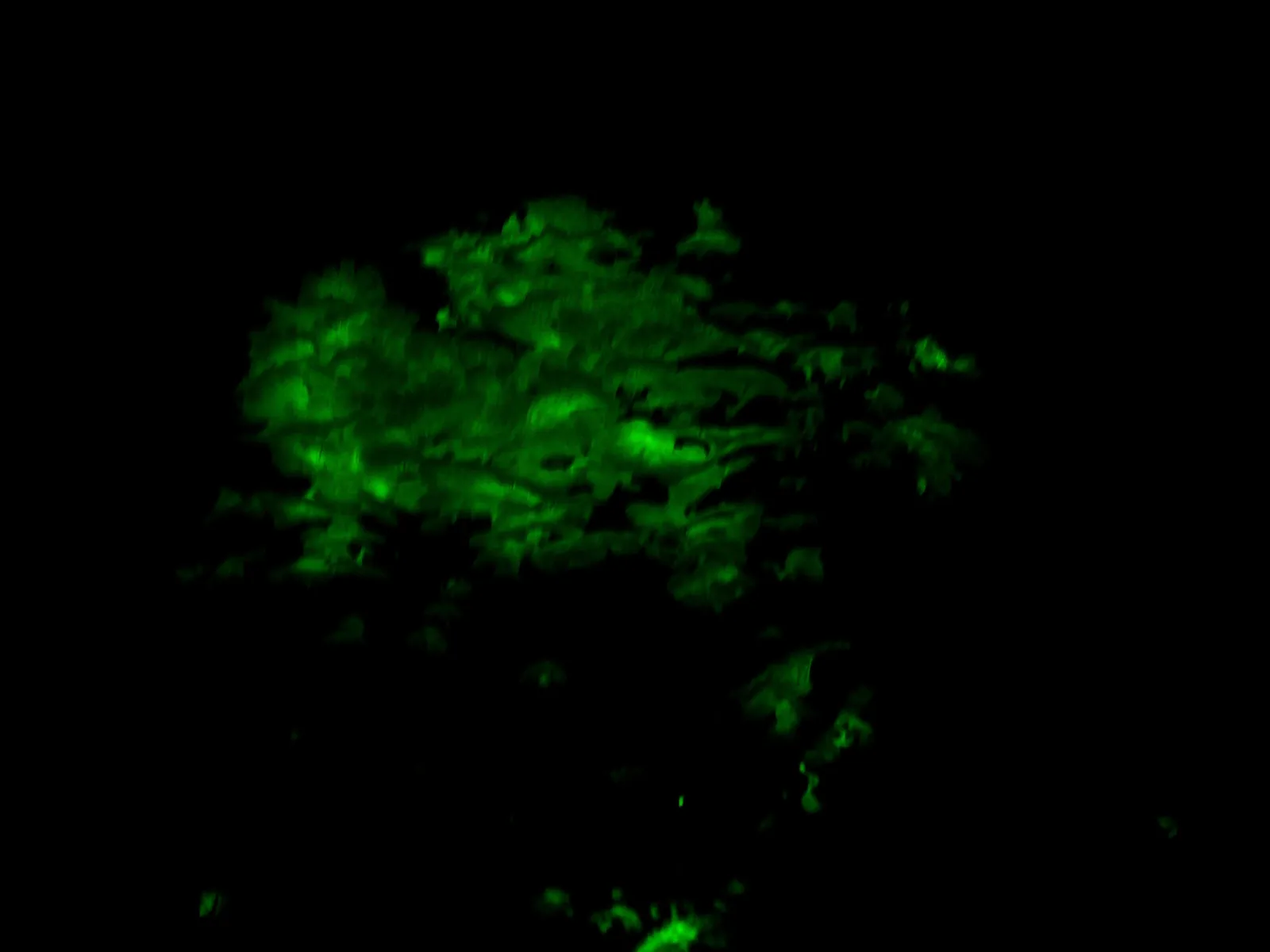
Bleeding fairy helmet mushrooms, Mycena haematopus, faintly glow and have glowing mycelia, and they grow in groups joined at the base on old tree stumps and decaying logs. If you find something similar tucked against a damp log or buried in mulch, it’s worth investigating with care. The glow can serve various purposes for the fungi, including repelling predators, attracting insects for spore dispersal, or as a byproduct of their metabolism as they break down wood.
Some bioluminescent fungi light up mostly underground, in their mycelium, and the glow from fungi lighting up rotting wood is also known as foxfire or fairy fire. If you split open a piece of damp, rotting wood in your garden and see a faint shimmer, that’s exactly what you’re looking at. It’s harmless, ancient, and surprisingly common once you start paying attention after dark.
The Science Is Still Catching Up
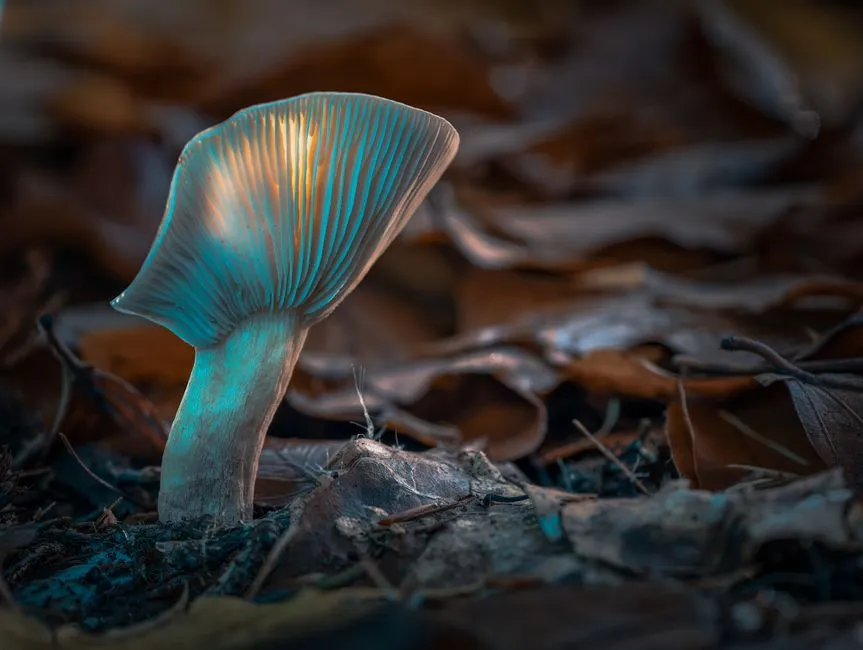
Research published in 2024 and 2025 confirms that the field is still evolving rapidly. A Japanese Nobel Prize winner, Osamu Shimomura, primarily focused on the bioluminescence system of luminous fungi in the latter part of his life, and total elucidation of the mechanism was finally accomplished by an international research team with representatives from Russia, Brazil, and Japan in 2018. Even with that milestone behind us, scientists are still working out the ecological picture.
Research published in 2025 confirmed that Panellus stipticus presents a unique situation whereby some geographic strains are bioluminescent while others are not, and ongoing studies are investigating the factors affecting bioluminescence, focusing on culture media optimization, oxygen dependency, and genetic variation between luminescent and non-luminescent strains. The more researchers probe, the more complexity they uncover. As our understanding of bioluminescent fungi continues to grow, so does the need for ongoing research and conservation initiatives.
Final Thoughts
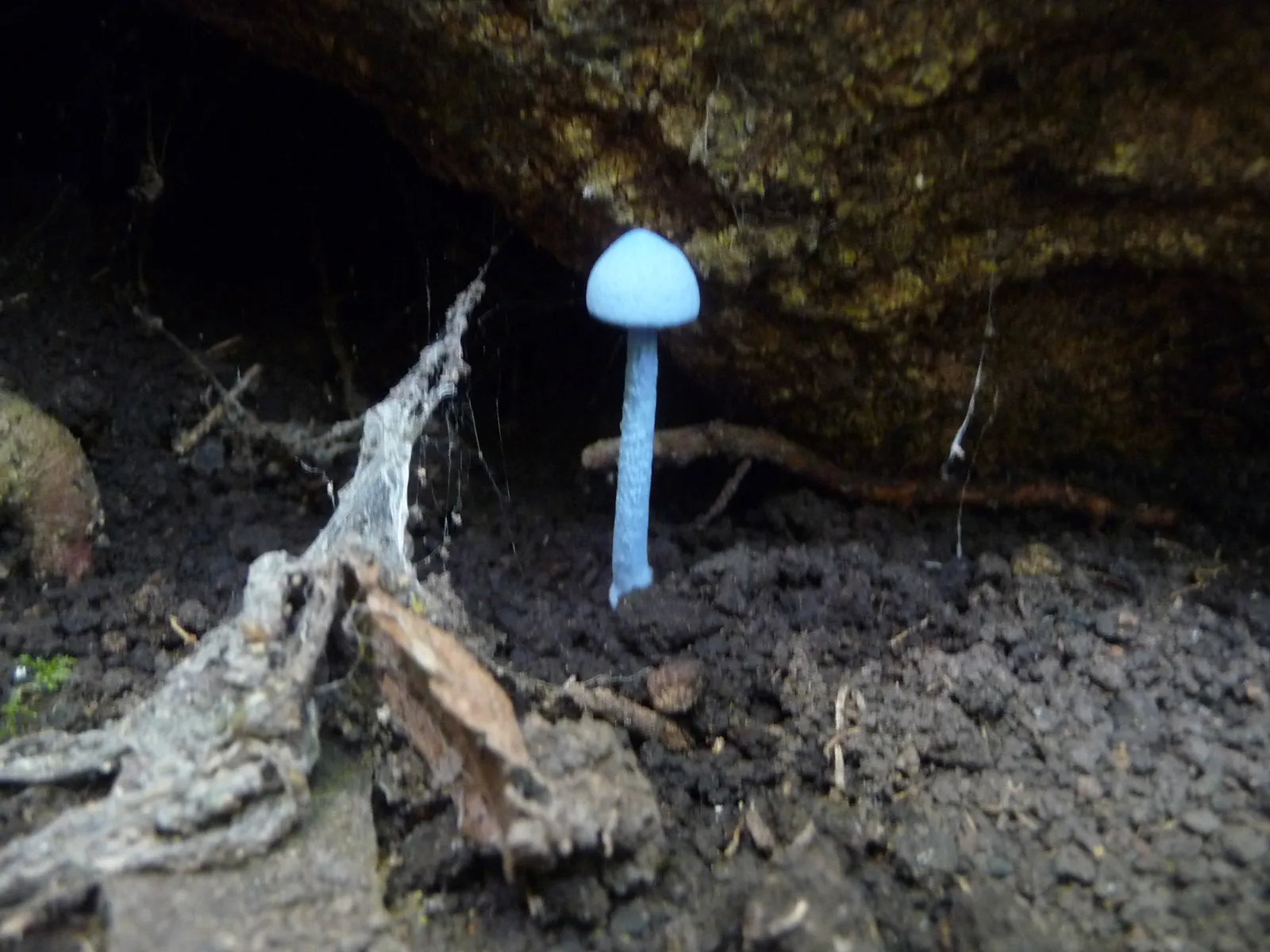
There’s something quietly reassuring about the fact that glowing mushrooms exist in ordinary backyards, not just in tropical jungles or research labs. They’ve been glowing since before humans noticed them, and they’ll keep glowing whether anyone watches or not. The science has come a long way since Aristotle crouched in the dark and called it a cold fire.
If you spot something shimmering on a damp log this autumn, give your eyes a few minutes to adjust before dismissing it. You might be looking at one of the oldest light shows on Earth, no electricity required.
AI Disclaimer: This article was created with the assistance of AI tools and reviewed by a human editor.