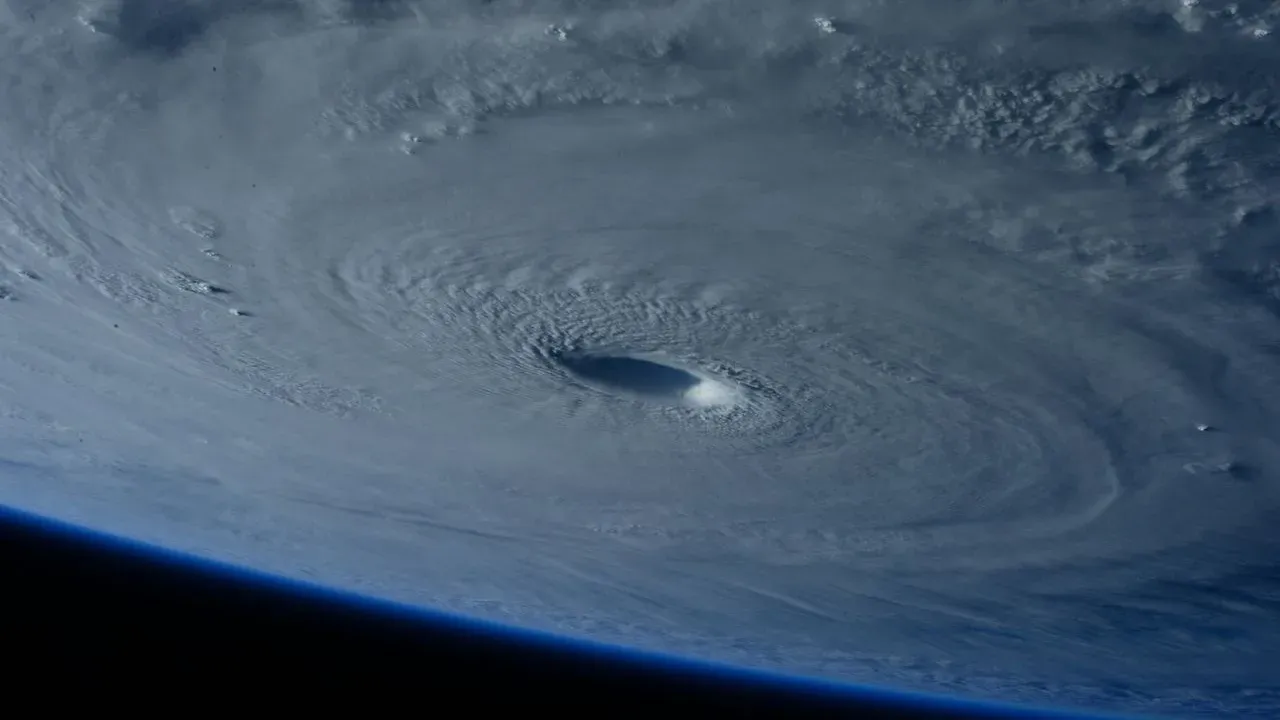

Gulf Coast – Hurricane Isaias has developed into the first hurricane of the 2026 Atlantic season and is forecast to approach the northern Gulf Coast this weekend. The storm is expected to bring heavy rainfall and flooding risks to areas from Mississippi through Alabama and into the western Florida Panhandle. Residents with yards and gardens in these regions face potential disruptions from saturated soils and excess water.
Storm Path and Timing
Isaias strengthened from a tropical storm and now carries maximum sustained winds of 75 mph. It is positioned roughly 460 miles southwest of the Mississippi River mouth. Forecasters anticipate landfall along the northern Gulf Coast late Friday or early Saturday. A hurricane warning covers the coast from Ocean Springs, Mississippi, across Alabama to Florida’s Bay and Gulf County line. Additional tropical storm warnings extend into parts of Louisiana and farther along the Florida coast. Storm surge warnings are also in effect for sections of the shoreline.
Expected Rainfall and Flooding
The National Hurricane Center projects 3 to 7 inches of rain across the central Gulf Coast, with isolated totals reaching 10 inches. These amounts could extend inland through parts of the Southeast and as far north as the Tennessee Valley and Carolinas. Such rainfall volumes often lead to localized flooding in low-lying yards and garden beds. Standing water can stress plants, promote root issues in poorly drained areas, and increase the chance of soil erosion around trees and shrubs.
Preparation Steps for Gardeners
State officials in Florida and Alabama have declared emergencies for dozens of counties to coordinate resources ahead of the storm. Homeowners can take practical steps now to limit damage to outdoor spaces. Securing lightweight items such as pots, furniture, and garden tools reduces the risk of them becoming projectiles in high winds. Checking drainage around beds and clearing debris from gutters and downspouts helps manage excess water. Pruning weak or dead branches from trees may prevent larger limbs from falling onto structures or plantings.
Broader Seasonal Context
This marks the latest date in 111 years for the Atlantic season’s first hurricane. The 2026 season has remained unusually quiet, consistent with expectations tied to a strong El Niño pattern that tends to suppress tropical development. Even so, a single storm can deliver significant local impacts. Gardeners along the projected path are monitoring updates closely as conditions evolve.
AI Disclaimer: This article was created with the assistance of AI tools and reviewed by a human editor.