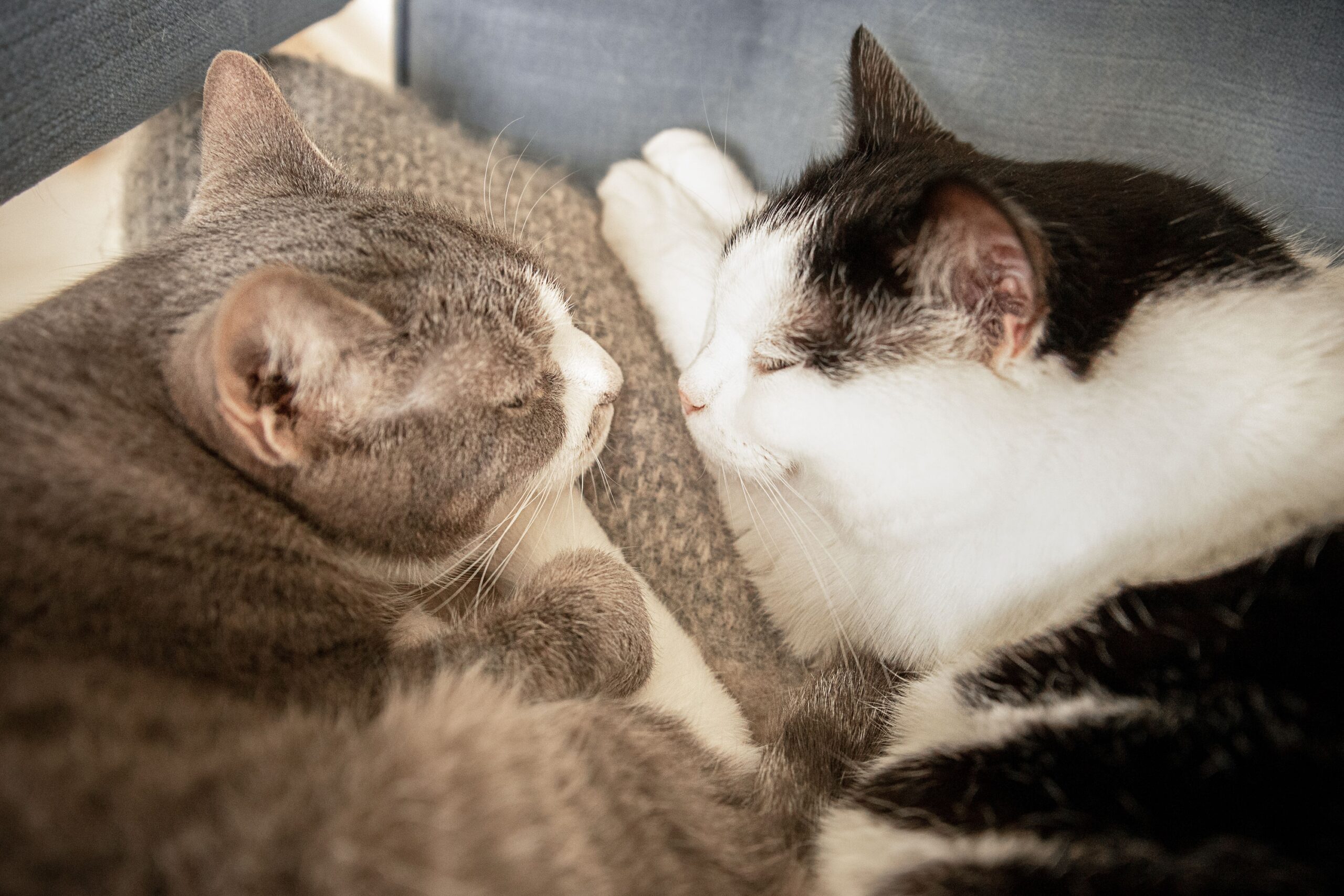

Your Body Heat Is Irresistible to Them
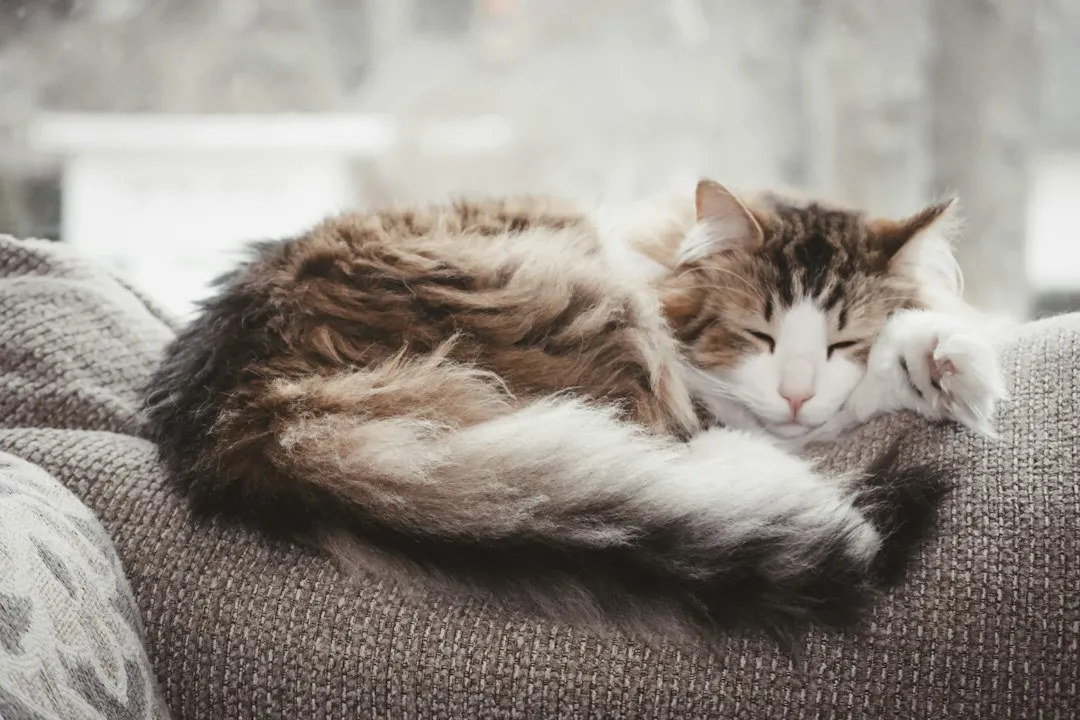
Cats naturally seek heat, and your chest provides a steady source of body warmth, especially during cooler months or at night. Because cats have a slightly higher body temperature than humans, sitting around 101 to 102.5 degrees Fahrenheit, they are instinctively drawn to warm resting spots.
Resting on your lap or chest helps them conserve energy, especially during cooler hours or seasons. This is one reason cats tend to sit on people more often in the evening or during winter months. When you lie down, your chest becomes a concentrated, stable heat source that is hard to resist.
It’s a Deep Sign of Trust
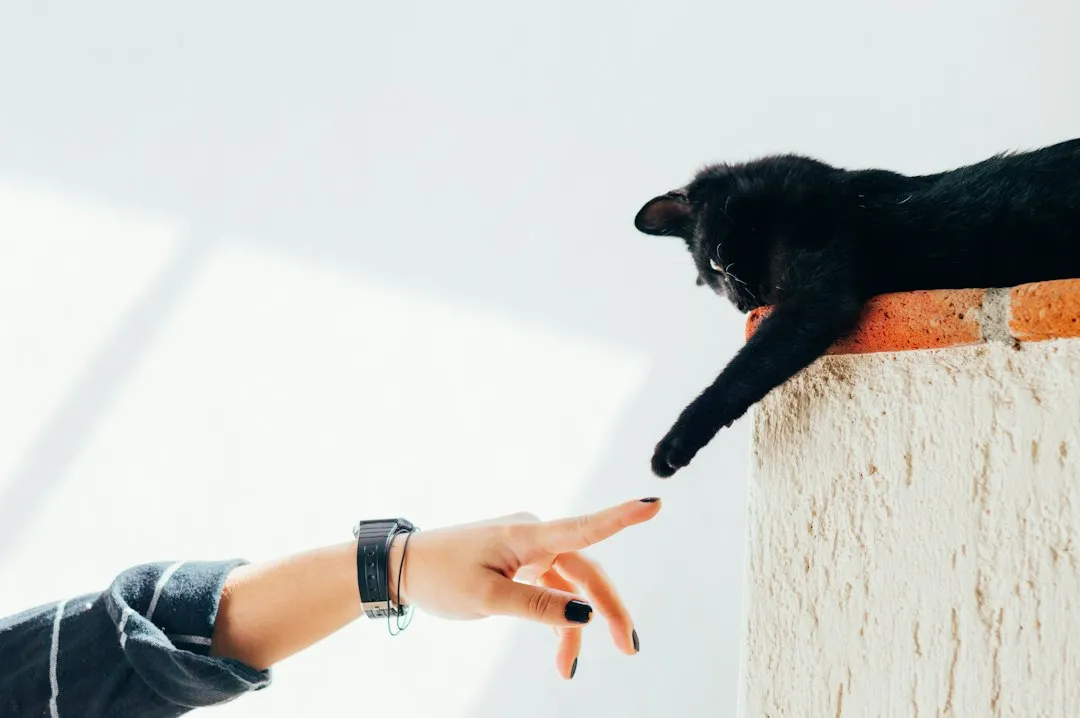
Being very close to another creature, whether human or animal, is inherently risky for cats as both prey and predators. Cats are most vulnerable when resting or sleeping, so sitting on a trusted person means the cat feels protected and calm. Veterinary behavior sources explain that cats choose the people they trust most during rest periods.
If your cat lies on your chest, it’s usually a sign of trust, affection, warmth-seeking, and emotional bonding. For an animal that is acutely aware of vulnerability, choosing your chest as a sleeping spot is not a small gesture.
The Science of Feline Attachment Is Stronger Than Most People Realize
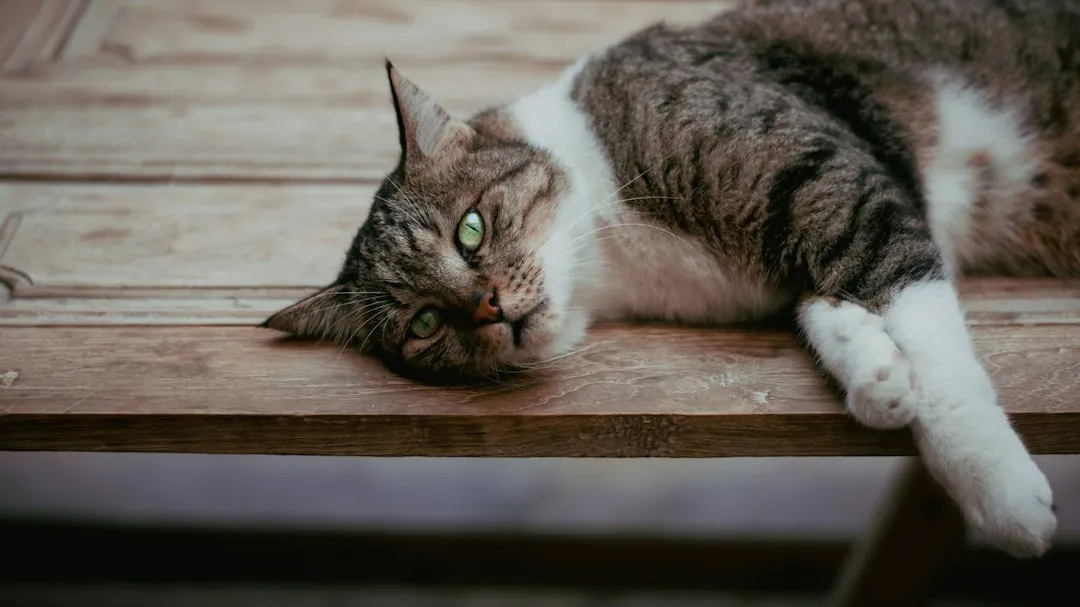
Cats are often described as aloof, ambivalent, and antisocial, but researchers at Oregon State University’s Human-Animal Interaction Lab found otherwise. Results of their study, published in Current Biology, show that cats display distinct attachment behaviors toward their owners.
The study looked at 70 kittens between three and eight months old and 38 adult cats. Of the kittens, roughly two thirds were classified as securely attached to their owners. Of the adult cats, approximately two thirds also demonstrated secure attachment. Lying on your chest is one of the physical expressions that secure attachment can produce.
Your Scent Is Genuinely Calming to Them
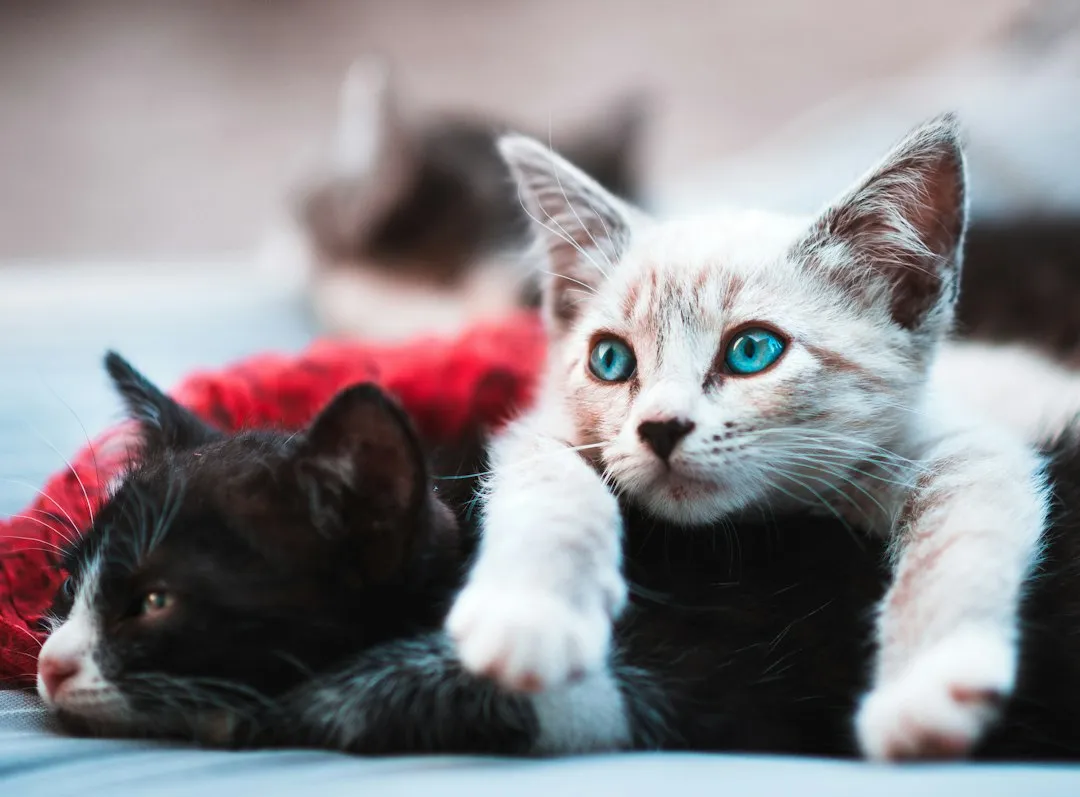
Scent plays a crucial role in feline behavior and social interactions. Cats use scent to identify members of their social group, so snuggling up on your chest is an opportunity to bask in your familiar fragrance.
Research has shown that the signature scents from their guardians can trigger positive emotions in cats, which helps them relax and experience a sense of calm. This is because cats tend to recognize the unique smell of each person they encounter, and when they meet the same scent often, it becomes associated with safety and security. Your chest, close to your neck and face, carries some of the strongest concentrations of your personal scent.
They’re Marking You as Theirs
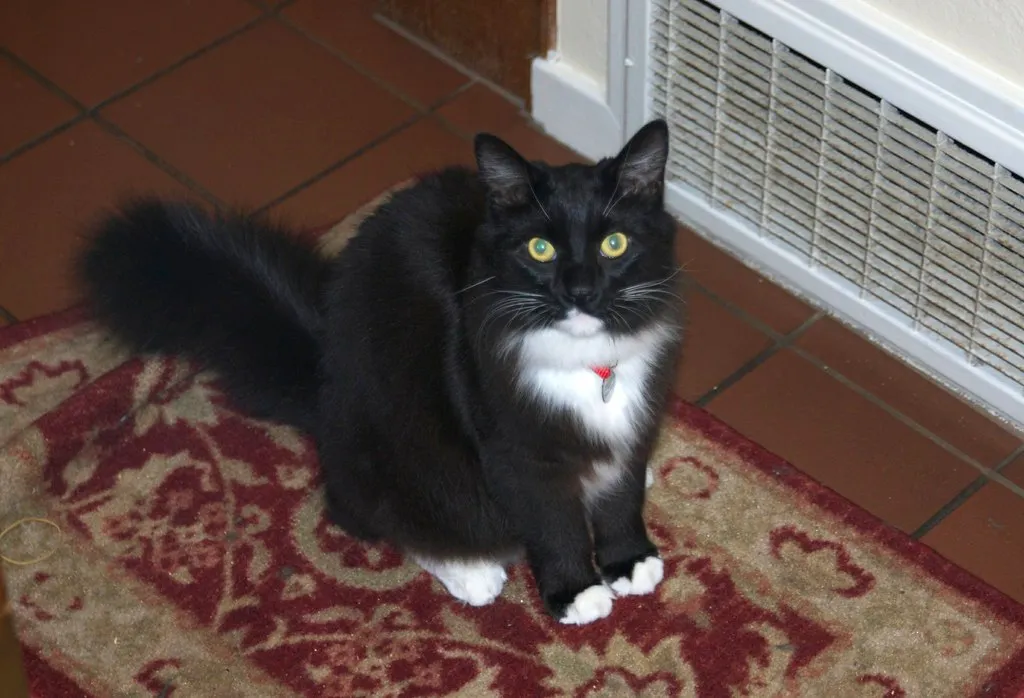
Cats have scent glands on their face and paws. By resting on you, they subtly mark you as part of their territory. This isn’t possessive in a negative way – it’s social bonding through scent.
Cats deposit chemical messages to guard their territory, show social cohesion, and convey their emotions. To mark you as theirs, a cat will sit on your chest, head-butt your forehead, and intertwine its tail with your arm. The chest session you thought was about affection is also, quietly, a territorial claim.
Your Heartbeat Reminds Them of Early Life
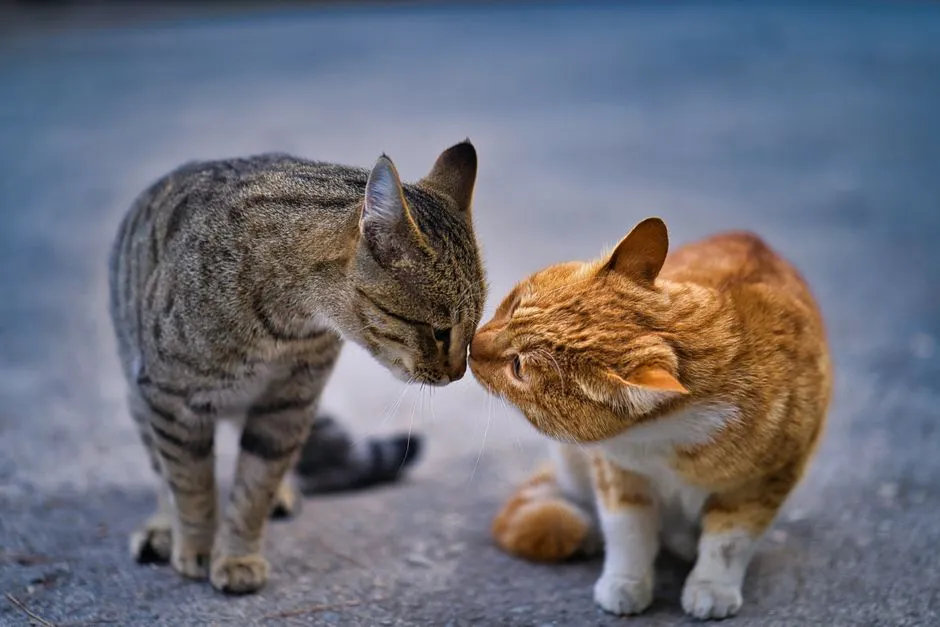
Cats are drawn to your body heat and the steady rhythm of your heartbeat, which can feel calming and secure. Your cat resting on your chest while receiving love and attention releases the feel-good hormone oxytocin. This is the same hormone released when a mother cat nurses her offspring. According to studies, oxytocin functions not just to reduce stress but also promotes positive interactions with other cats and owners.
According to a study published in Frontiers in Veterinary Science, oxytocin functions not just to reduce stress but also promotes positive interactions when cats are in close contact with their owner. The steady thump of a heartbeat is, in other words, a deeply familiar comfort rooted in kittenhood.
Your Chest Is a Strategic Vantage Point
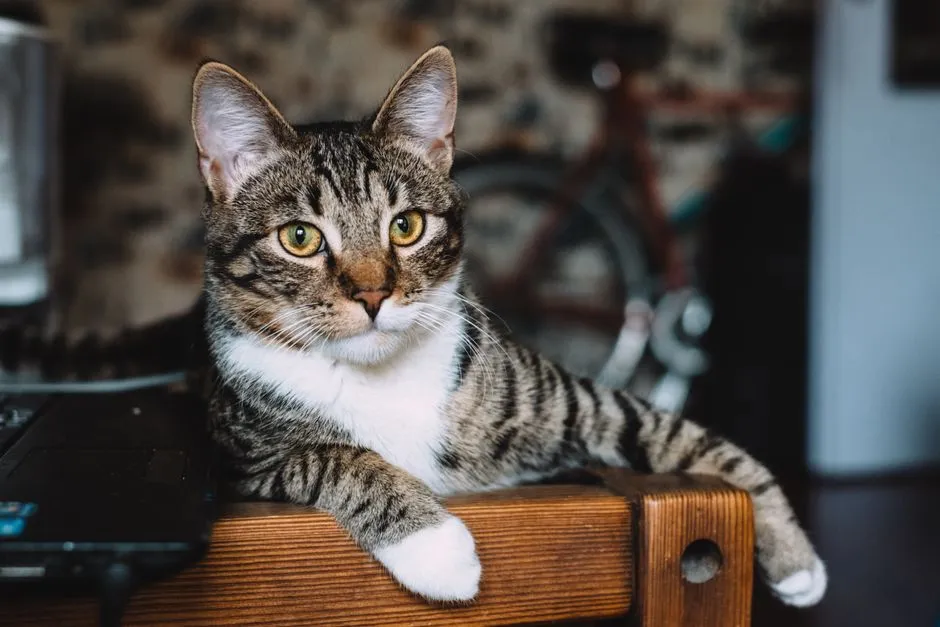
Cats naturally gravitate toward elevated perches, so your chest may be an ideal vantage point. Being up off the ground makes felines feel safer, allowing them to observe their core territory and remain out of reach of perceived threats, like dogs or unfamiliar people.
This is worth keeping in mind the next time your cat seems to plant themselves with quiet authority on your ribcage. Part of that behavior is comfort, yes, but part of it is also surveillance. From that elevated position, they can see the whole room while remaining anchored to warmth and safety.
The Purring That Follows May Actually Benefit You
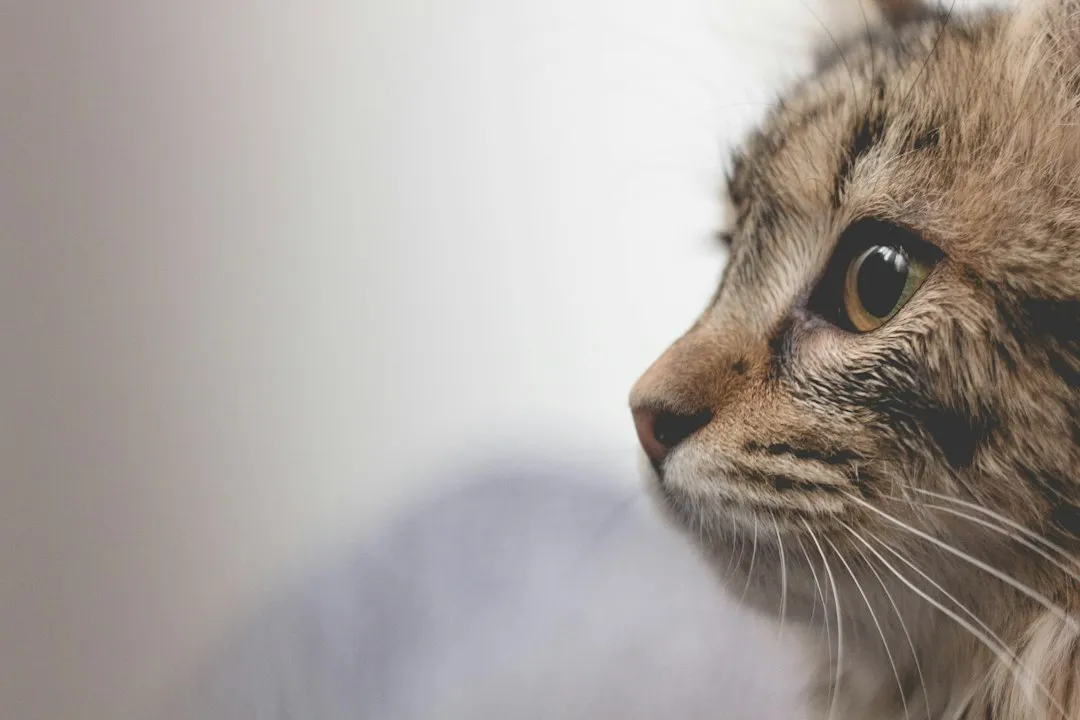
Research suggests that the frequency of a cat’s purring, typically between 25 and 150 hertz, could have therapeutic effects on the body and mind. Cat purring stimulates the production of endorphins, which are natural chemicals that promote feelings of happiness and well-being. When a person interacts with a purring cat, their body releases serotonin, a neurotransmitter associated with mood regulation. This physiological response can help lower cortisol levels, the primary hormone associated with stress.
Studies have shown that sounds with a frequency in the range of 18 to 35 Hz can have a healing effect on joint mobility in humans after an injury. Since a cat’s purring can cause vibrations with a frequency sometimes as low as 20 Hz, it’s plausible that a cat purring on your chest can help humans with both mental and physical health.
They May Be Responding to Your Emotional State
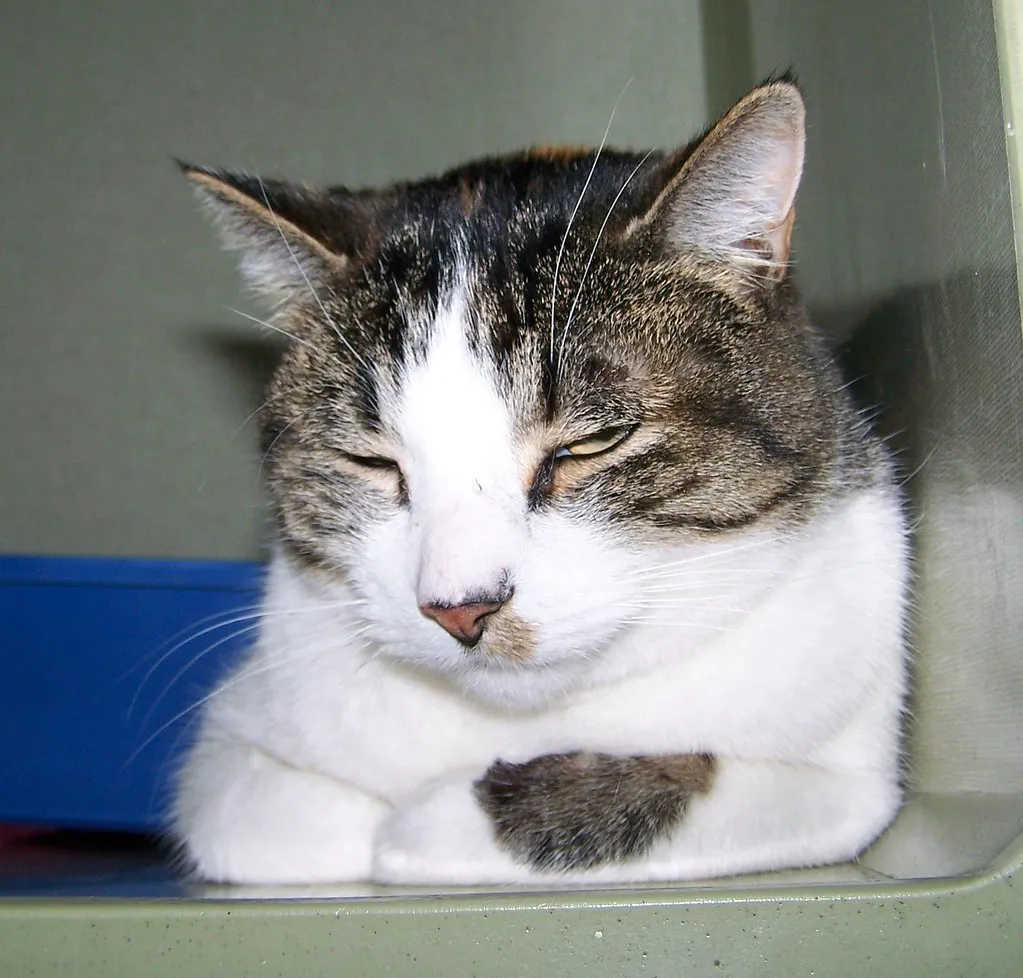
Cats are highly perceptive animals. Some research suggests they can detect changes in human emotion and stress levels. Lying on your chest may be a way your cat regulates their own comfort, or responds to yours.
Cats, like people, experience both positive and negative feelings. Although a cat cannot express their feelings verbally, they communicate through body language, behavioral changes, and vocalization. Your cat may convey distress or closeness by climbing or sitting on your chest. Felines who exhibit secure attachments to their owners may also seek out this position after periods of separation, to alleviate their own sense of distress.
It Can Signal a Change Worth Noticing
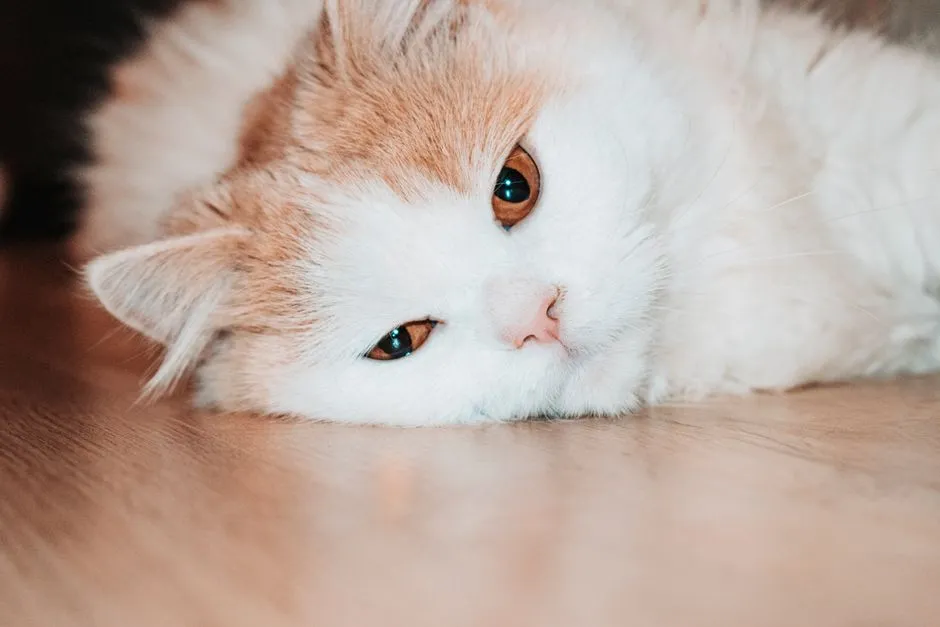
Lying on your chest could also mean your cat isn’t feeling well, especially if it’s not normal behavior for them. It’s always worth talking to your veterinarian about any behavior changes in your cat.
While this behavior is typically positive, subtle changes in clinginess or positioning can sometimes signal stress or health concerns. A cat that suddenly starts chest-sitting when they never did before deserves a second look. Not every new behavior is cause for alarm, but patterns matter.
The Takeaway
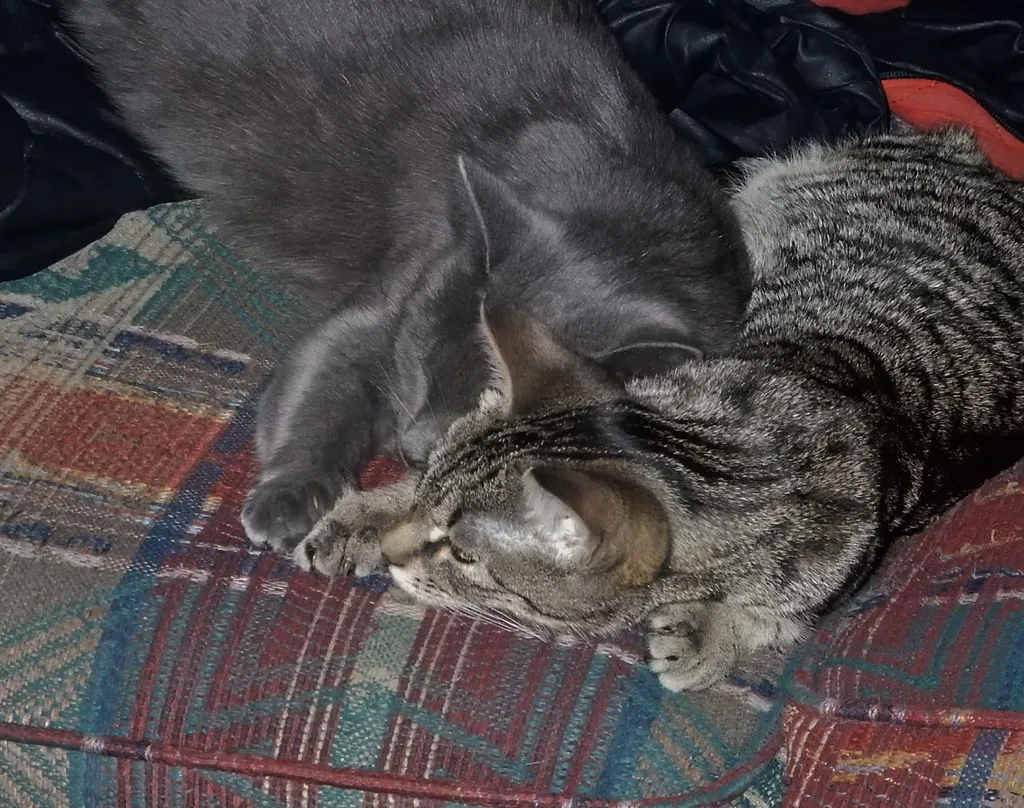
What looks like a simple, slightly inconvenient habit turns out to be a window into how cats relate to the people they live with. The moment you lie down, you become a heat source, a safe haven, a familiar scent, and a living heartbeat all at once. That’s a lot to offer, and cats, practical creatures that they are, take full advantage.
There are controlled scientific studies that show the benefit of reducing human stress and anxiety by interacting with and petting animals. The relationship, it seems, is genuinely mutual. Your cat is not just using you. They’re choosing you, with some regularity and remarkable consistency, the exact moment you stop moving.
AI Disclaimer: This article was created with the assistance of AI tools and reviewed by a human editor.