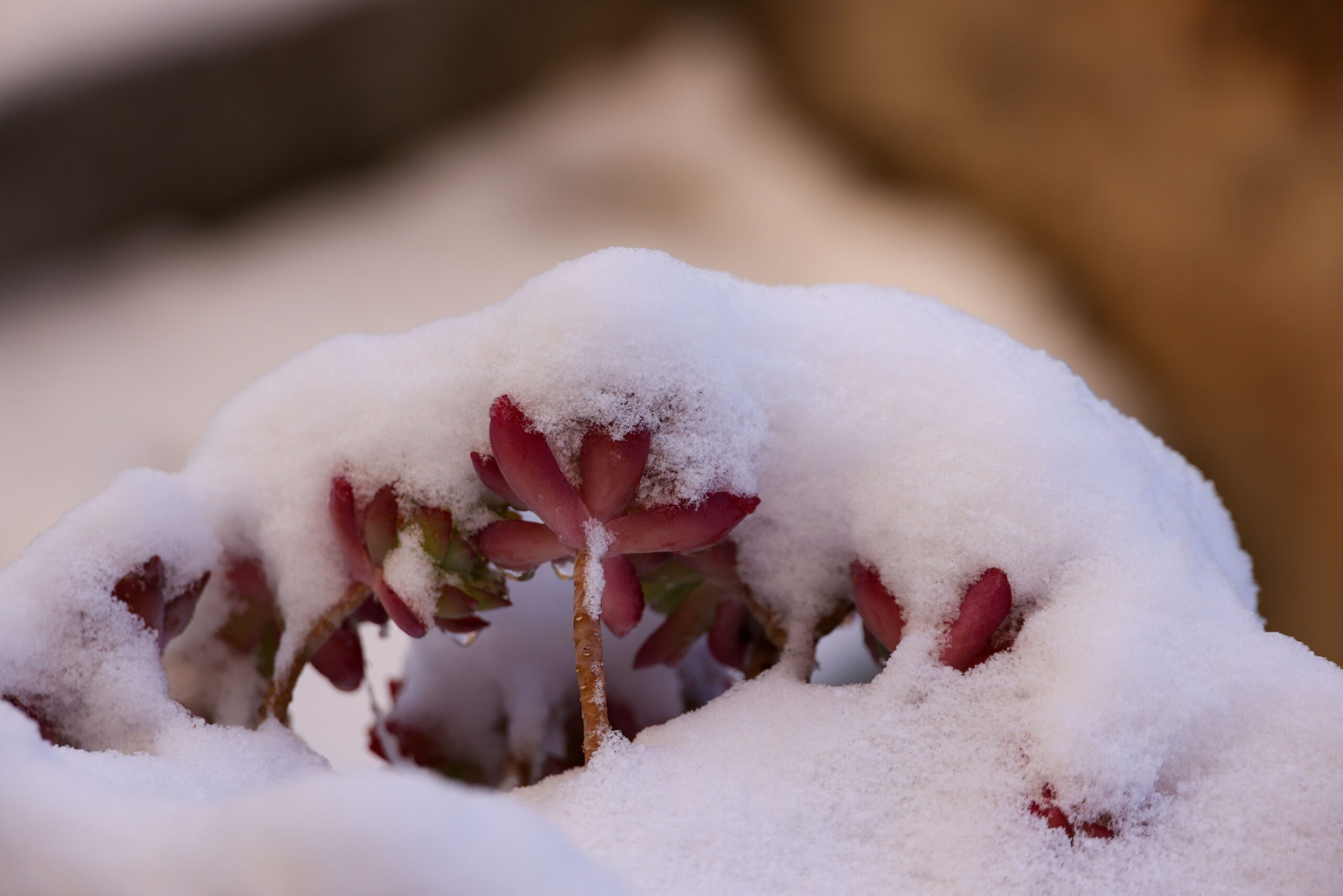

1. Garlic: The King of Fall Planting
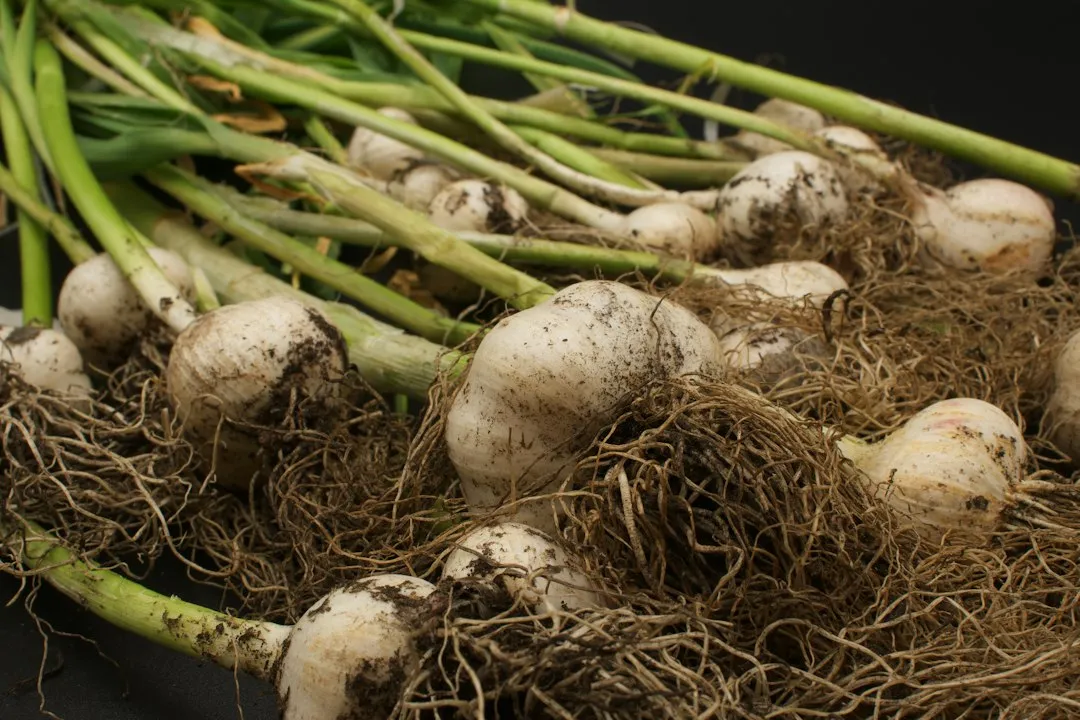
Garlic is the classic example of a fall crop: plant individual cloves four to six weeks before your ground freezes in fall, and harvest full bulbs the following June or July. The timing matters more than most people realize. Garlic needs a stretch of cold to divide into cloves, and roughly six to eight weeks below about 40°F triggers that process.
Garlic bulbs are either hardneck or softneck types, each suited to different climate ranges. Hardnecks have a robust flavor and are easy to peel, but require a chill period and do best in cold climates. Softneck varieties are generally smaller bulbs and work well across both cold and hot climates.
It’s best to plant seed garlic in September in cold climates, and to wait until October or November in warm climates to let temperatures cool first. Either way, few crops reward patience quite as well as a properly timed garlic bed.
2. Tulips: Cold Is the Whole Point
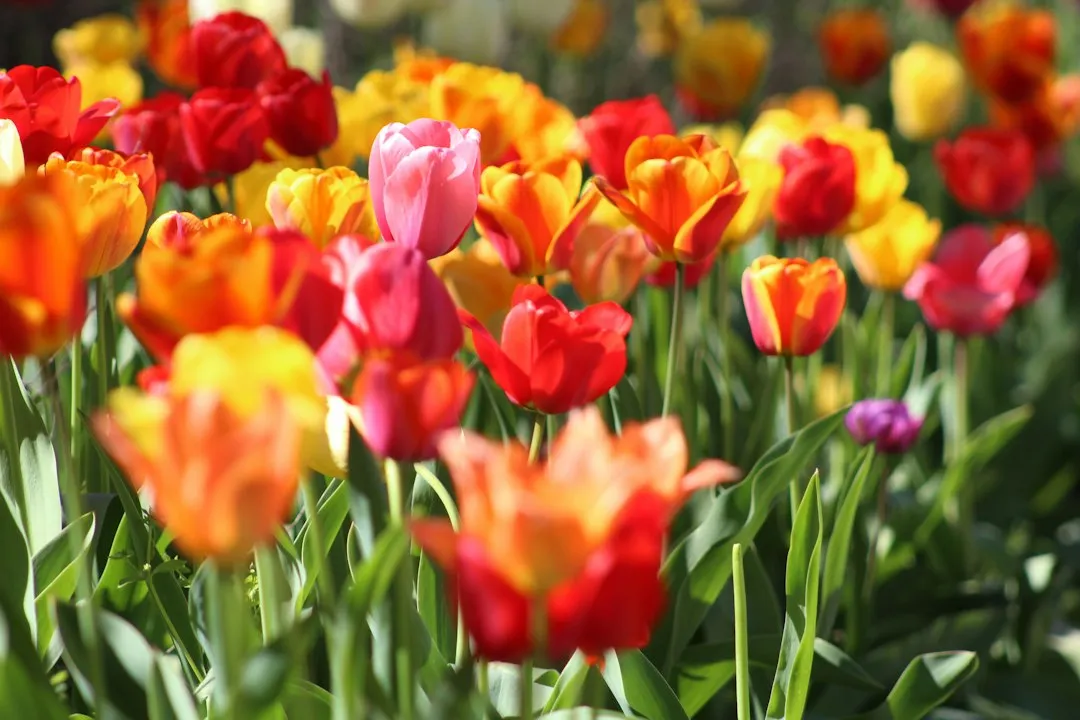
Spring-blooming bulbs like tulips, daffodils, crocuses, and hyacinths need to be planted in fall because they require twelve to fourteen weeks of cold temperatures below 40°F to trigger their spring bloom. This isn’t a gardening preference. It’s a biological requirement baked into the plant.
The best time to plant bulbs is September to October, before the first frost of the season. Bulbs will then have time to develop a solid root system before the ground freezes. Cover with soil and approximately two to three inches of mulch, which protects the bulbs over winter by minimizing temperature fluctuations while maintaining soil moisture.
October is the perfect time to get spring-blooming bulbs like tulips, daffodils, and hyacinths in the ground before it freezes. They look most natural when planted in clumps, and with different bloom times, you can plan for a succession of colors from March or April through June.
3. Kale: Gets Better After a Freeze
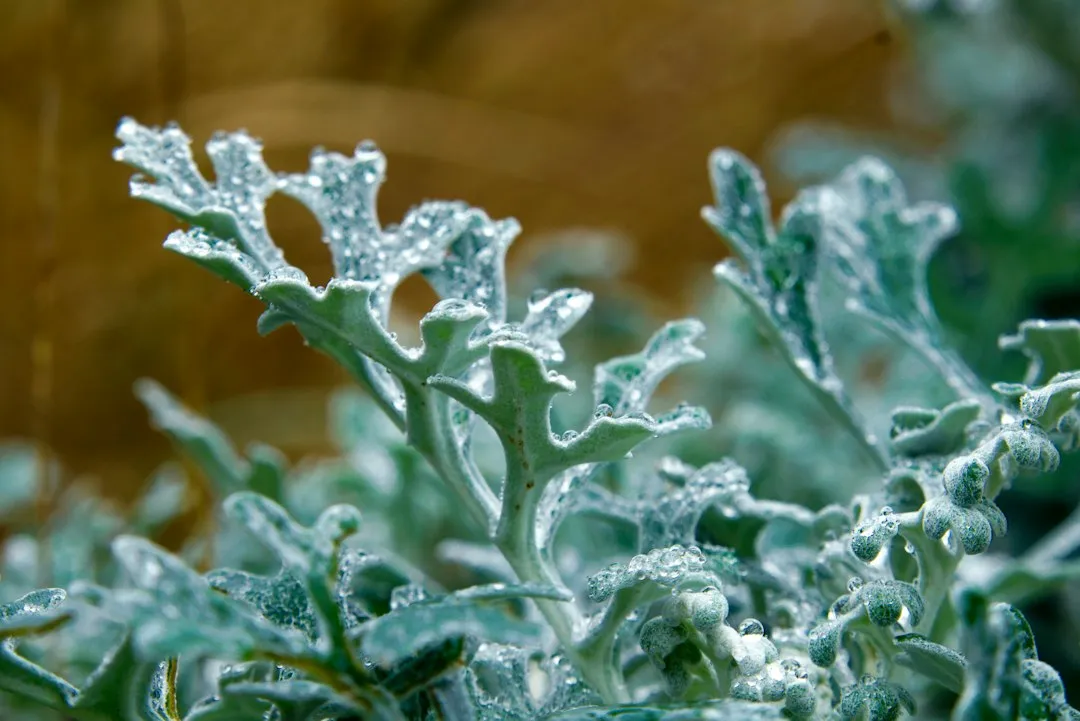
Kale is a cold-hardy superfood that actually becomes sweeter after frost exposure, as the plant converts starches to sugars for protection. That flavor shift isn’t accidental. It’s a survival mechanism that happens to make the vegetable far more enjoyable to eat.
Kale can withstand temperatures as low as 10°F and is noted for improved sweetness after frost. Not all varieties behave identically though. Cold tolerance varies from one variety to the next, with red kale varieties generally less cold-tolerant than green ones, and curly kale varieties tending to be more cold-hardy than lacinato or dinosaur kale types.
Kale thrives in the months after your first frost date partly because the bugs that like to eat its leaves have largely been killed off by then. That’s a bonus most gardeners don’t talk about enough. Plant it six to eight weeks before frost, and it’ll repay you well into winter.
4. Spinach: The Quiet Overachiever
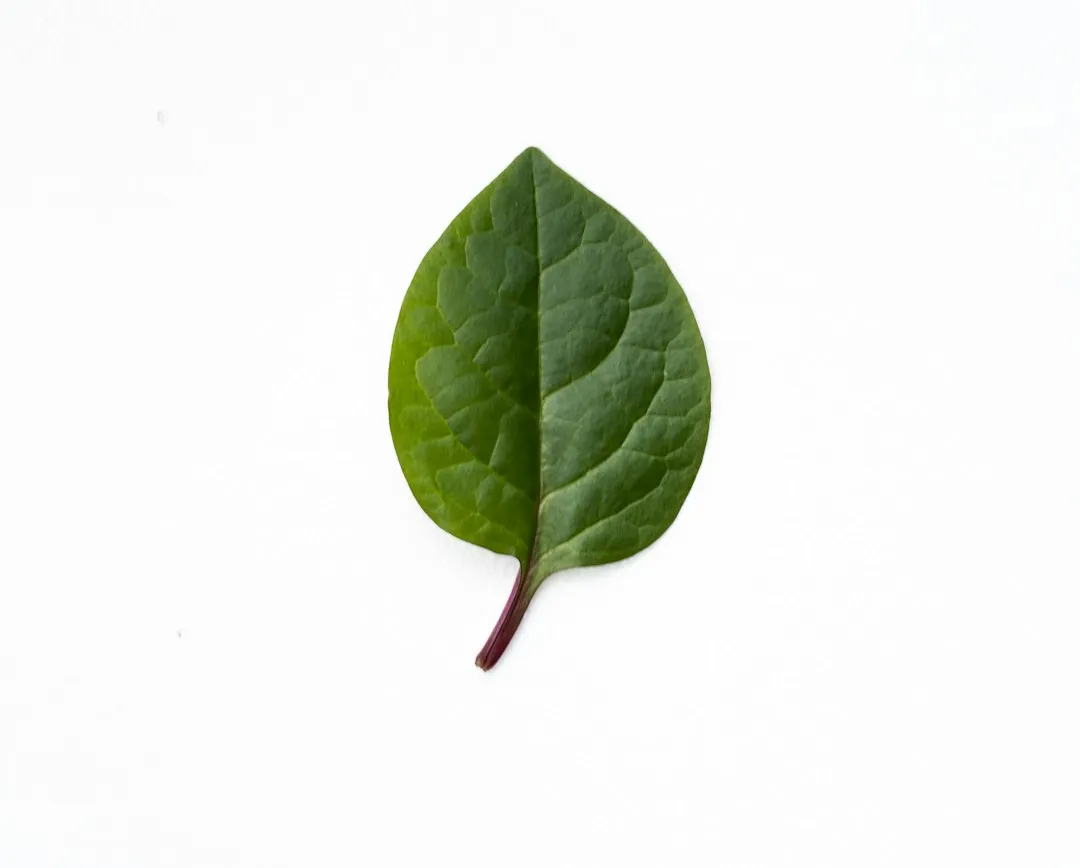
Most spinach varieties can easily tolerate temperatures in the teens, making spinach a great option for cool-season gardening. Sow it about four to six weeks before your first frost, aiming for plants with four to six true leaves by the time a hard freeze arrives. Young rosettes of that size survive winter far better than tiny seedlings.
Spinach stays sweet and tender even in temperatures as low as 15°F, simply slowing its growth instead of dying back. With mulch or a low tunnel, it often overwinters easily while keeping its mild flavor and nutrients.
Spinach can usually be cut four to five times throughout the life of a single plant, ensuring a consistent source of nutrient-dense food. For something that takes so little effort to start, that’s a serious return.
5. Broccoli: Timing Is Everything
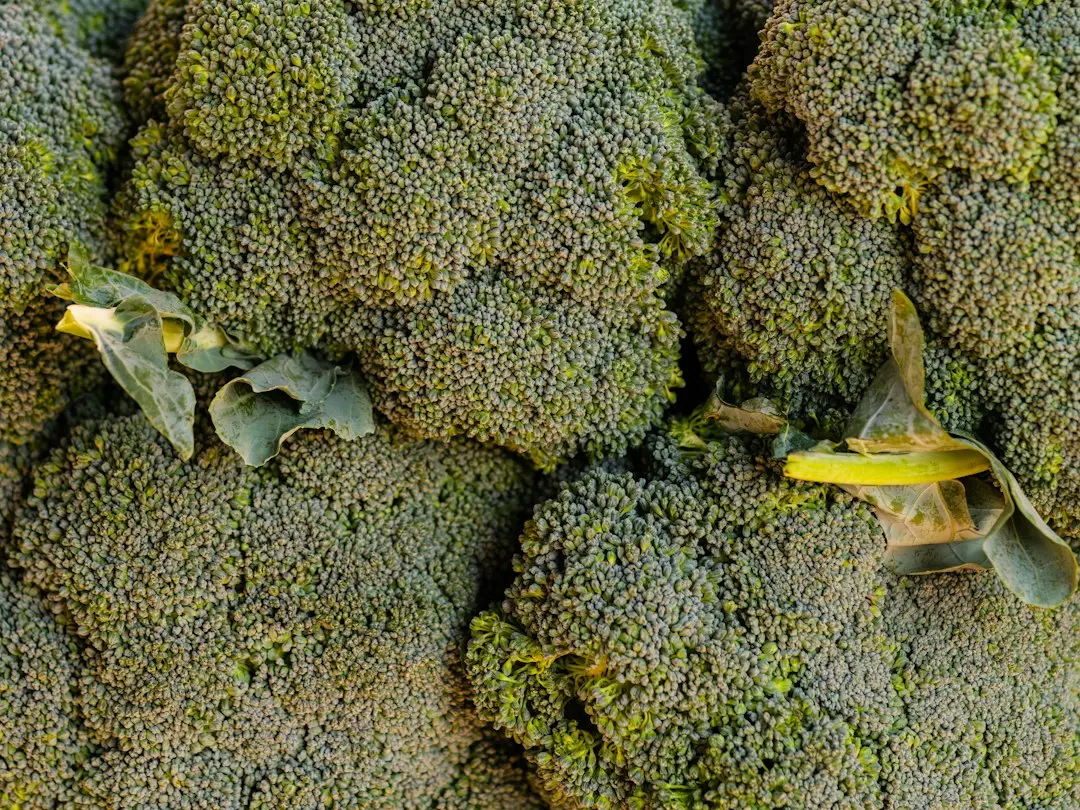
Broccoli seeds should be planted ten to twelve weeks before the first frost. Seeds take one to two and a half weeks to sprout, and transplants can go in several weeks later than seeds, spaced about fifteen inches apart in a fall garden. If you’re working with transplants from a nursery, your window stays usefully wide even into early fall.
Broccoli matures well in cooler weather and tolerates a mild fall frost. Broccoli can be started from seed indoors before being brought out several weeks before your projected frost-free date, and seedlings should be hardened off, meaning brought outside to face the elements during the day for about a week before transplanting, to let the plants acclimate.
For fall planting, choose quick-maturing varieties if frost is near. Varieties like ‘Green Magic’ and ‘Gypsy’ are popular for fall precisely because of their faster head development in cooling temperatures.
6. Daffodil Bulbs: A No-Fuss Spring Payoff
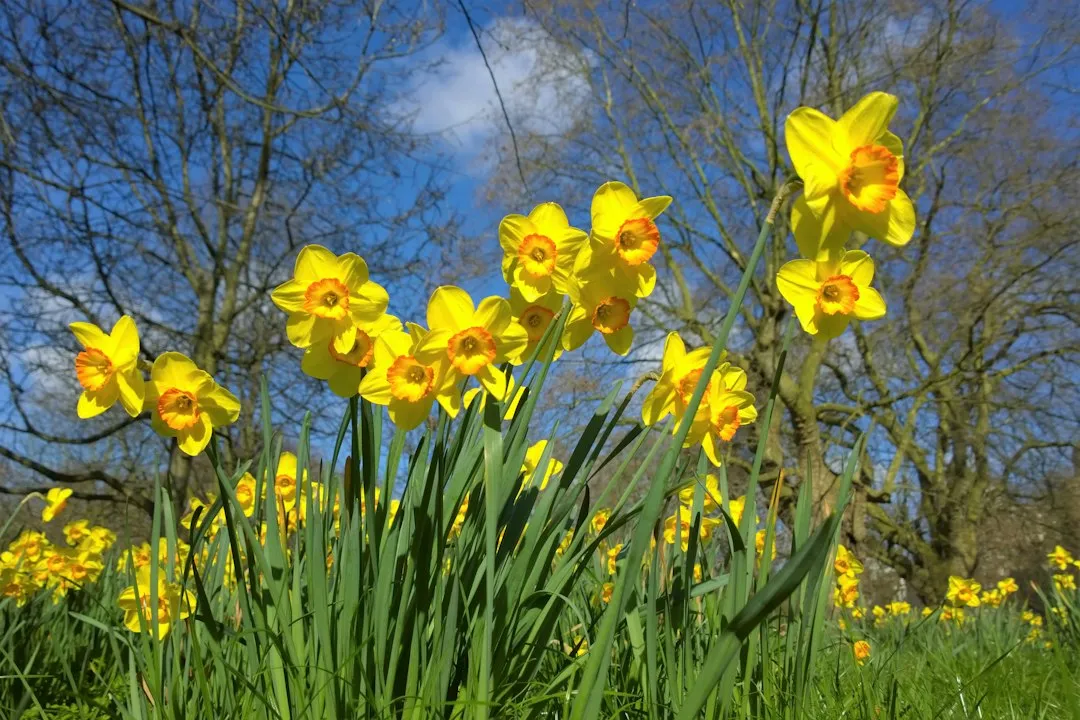
Tulips, daffodils, crocuses, and hyacinths all need a cold period underground before they bloom. Plant them after your first frost but before the ground freezes hard. A depth of two to three times the bulb’s height is the general rule.
Daffodils are deer-resistant and naturalize over time, spreading into larger clusters each year. That slow spreading makes them one of the more rewarding long-term investments you can make in a garden bed. Plant fifty bulbs this fall and, over a few years, you’ll get far more blooms than you started with.
If you’re planning on adding mature perennial plants to your garden, the best time to plant is in the fall so that the winter’s cold temperatures and moisture stimulate germination. Daffodils fit that rhythm perfectly, and they ask very little once they’re in the ground.
7. Carrots: Frost Makes Them Sweeter
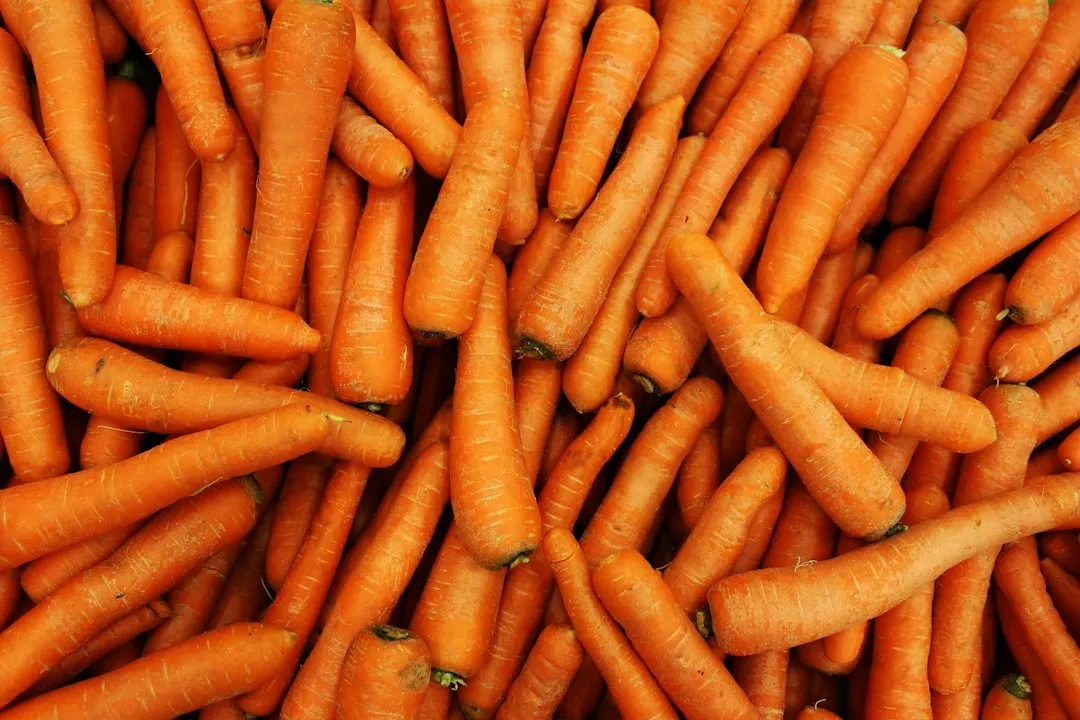
The flavor of many fall-harvested crops is actually superior. Carrots, beets, kale, and Brussels sprouts all develop more sugars after exposure to light frost. With carrots specifically, a few nights below freezing converts stored starches into sugars, producing something noticeably more flavorful than a summer harvest.
Carrots prefer cooler soil and should be sown directly since they do not transplant well. Depending on your climate zone, you can sow seeds for root vegetables such as beets, carrots, parsnips, and radishes about ten to twelve weeks before the first frost. That timing gives roots enough time to size up before the ground hardens.
Mulching already frost-tolerant root crops like beets, carrots, leeks, radishes, and parsnips helps to further protect them when the mercury drops, with some even surviving the winter. A thick layer of straw over the bed can buy you several additional weeks of harvest, well past what most people expect from a fall garden.
A Note on Timing: Know Your Frost Date
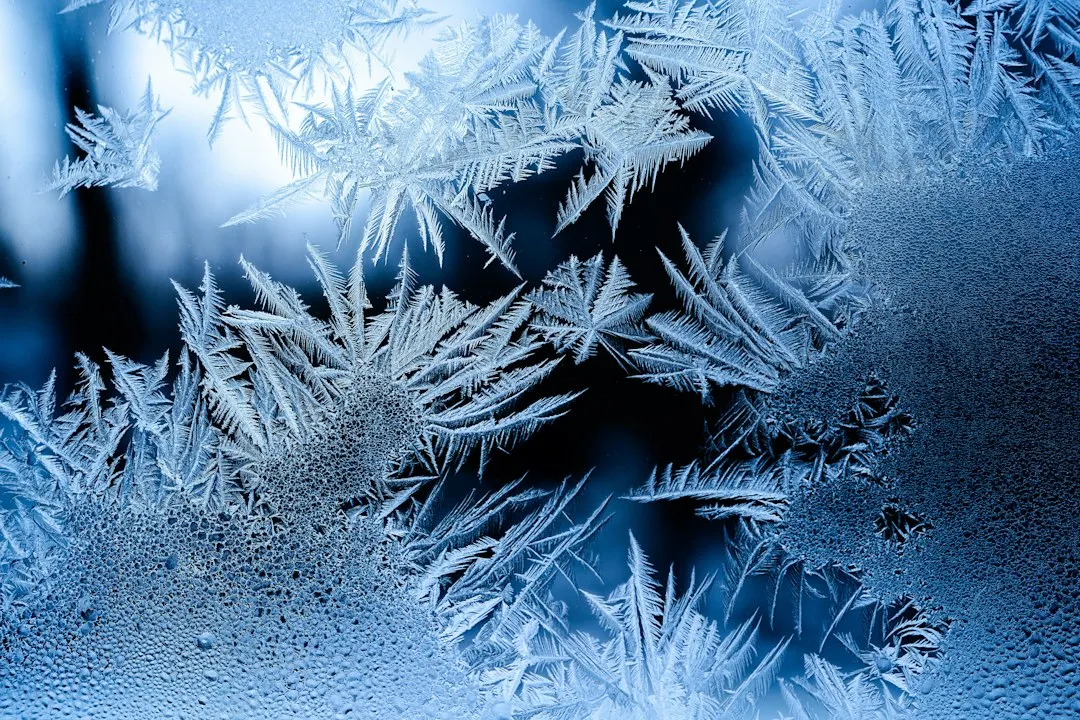
Before you plant anything, find out the average first frost date for your region. This date marks when temperatures are expected to drop to 32°F for the first time in fall, which can kill many tender plants. Every plant on this list is calibrated against that date, so knowing it is genuinely the most useful thing you can do before heading to the nursery.
Frost date calculators, such as those offered by the Old Farmer’s Almanac, allow you to find the average date of the last spring frost and first fall frost based on data from the nearest official weather station and your ZIP code. It takes about thirty seconds and takes the guesswork out of the whole process.
Cold-Hardening: Don’t Skip This Step
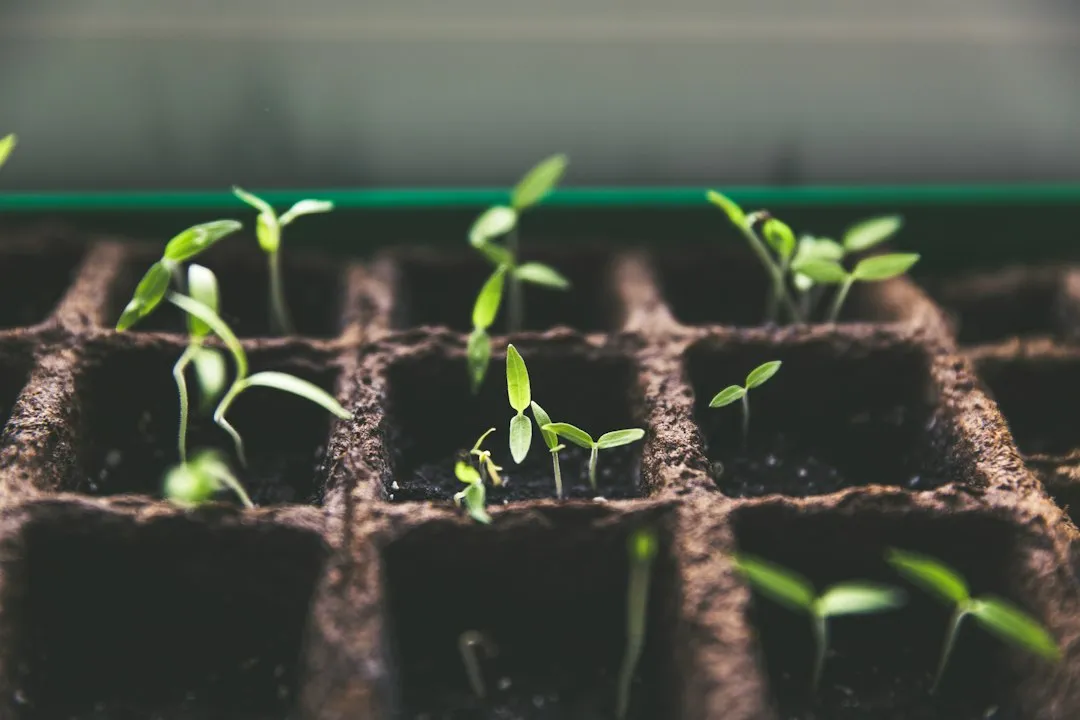
Seedlings should be hardened off, brought outside to face the elements during the day for about a week before transplanting, in order to let the plants acclimate to the elements. Skipping this step is one of the most common reasons fall transplants fail unexpectedly, even when the plant itself is rated cold-hardy.
The reason for planting certain species earlier is not that they suffer from the cold, but because their roots will stop establishing when soil temperatures are consistently below 55 to 60 degrees. It is therefore recommended that warm-season plants be in the ground about four weeks before the first frost. That principle applies to perennials and bulbs just as much as it does to vegetables.
Mulching: The Step That Extends Everything
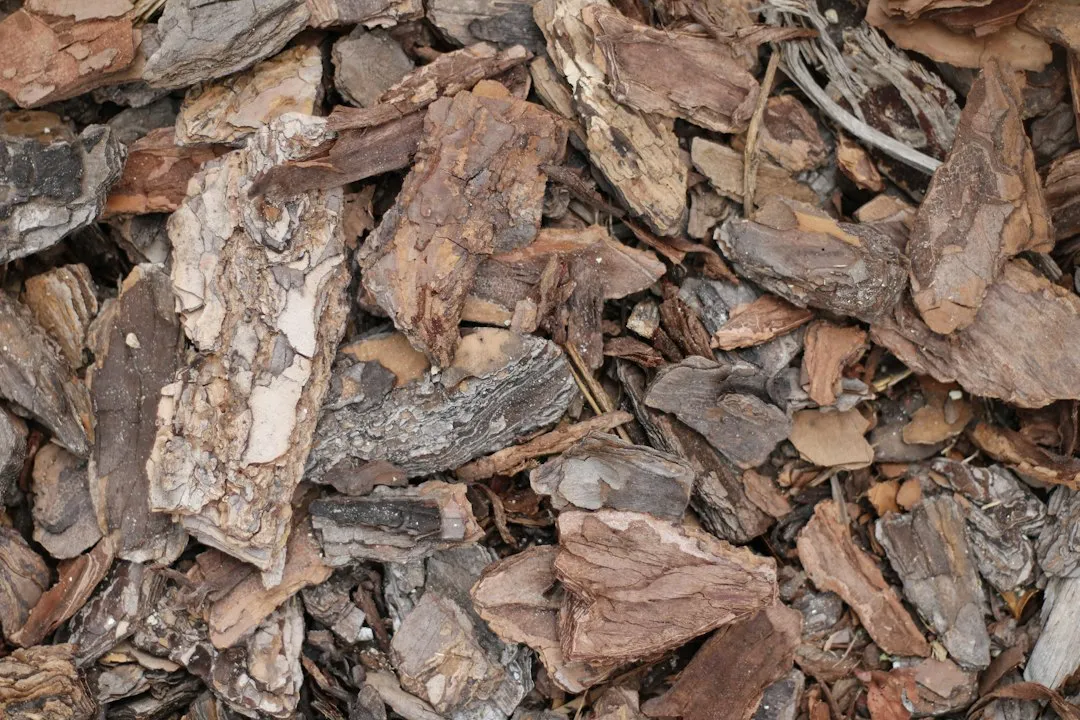
Mulch keeps the soil cool, which yields sweeter roots in crops like beets and carrots. Beyond flavor, it also moderates temperature swings that can heave bulbs out of the ground during freeze-thaw cycles over winter. A two to three inch layer makes a measurable difference across almost every plant on this list.
Fall is a fabulous time to plant perennials, as well as deciduous trees and shrubs. Cooler temperatures and more rain will help perennials and trees get established before winter. Mulch amplifies all of that, acting as a buffer between the plant’s roots and whatever the winter throws at them.
The Takeaway
Fall planting asks for a small act of trust. You put things in the ground when the season feels like it’s ending, when the instinct is to pack up rather than dig in. Many cool-season crops actually grow better in fall than in spring. That’s worth sitting with.
The window between now and the first hard freeze is shorter than it feels. A bulb pressed into the soil today won’t announce itself until April, but when it does, the timing will feel exactly right. That delayed payoff is part of what makes fall planting worth taking seriously.
AI Disclaimer: This article was created with the assistance of AI tools and reviewed by a human editor.