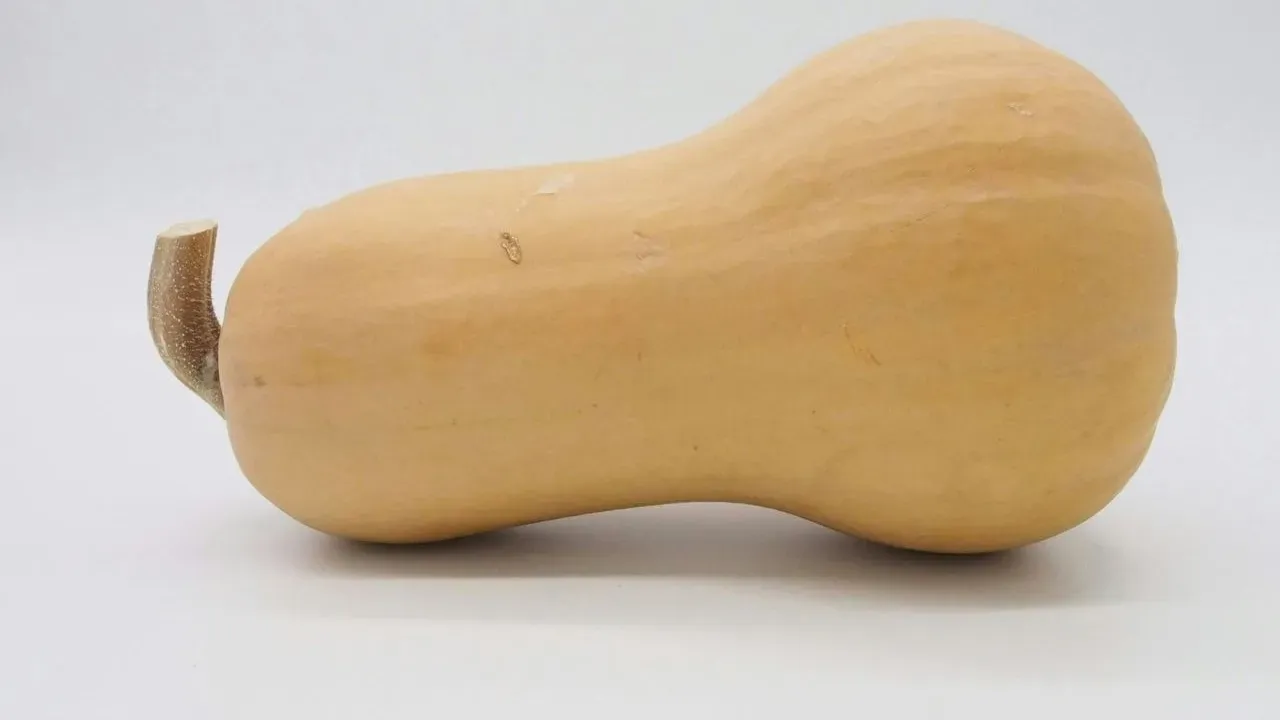

A single sentence in a recent New York Times Food column has gardeners and home cooks revisiting their own feelings about a staple of the fall harvest. The writer admitted a personal aversion to butternut squash, a vegetable that otherwise dominates seasonal recipes and market displays. That brief confession has highlighted how even widely celebrated crops can split opinions once they reach the kitchen.
The Column That Started the Conversation
The New York Times piece framed the dislike as a straightforward personal preference rather than a broader critique. It appeared in the dining section on October 8 and quickly drew attention for its direct tone. Readers who grow or cook with the squash recognized the tension between its popularity and its polarizing qualities. The column referenced the vegetable’s prevalence in autumn without offering detailed explanations for the aversion. Its brevity invited others to fill in the gaps with their own experiences. For a garden magazine audience, the moment serves as a reminder that crop success in the field does not always translate to universal enthusiasm at the table.
Texture and Flavor Challenges in the Kitchen
Many cooks note that butternut squash can turn stringy or watery when roasted or pureed, especially if harvested at peak ripeness. Its natural sweetness also clashes with savory dishes for some palates, leading to recipes that require careful balancing with spices or acids. These traits become more noticeable when the squash appears repeatedly on menus from September through November. Preparation methods matter. Overcooking intensifies the soft, almost mushy consistency that turns off certain eaters, while under-seasoning leaves the flavor flat. Gardeners who bring the crop to market sometimes hear feedback about these issues directly from customers seeking firmer or milder alternatives.
Growing Decisions That Affect Consumer Reception
Variety selection plays a role in final texture and sweetness. Some cultivars develop denser flesh that holds up better during storage and cooking, while others lean toward higher moisture content. Soil conditions, harvest timing, and post-harvest handling further influence how the squash performs once it leaves the garden. Home growers can experiment with spacing, irrigation, and companion planting to moderate these traits. Those adjustments rarely eliminate the divide entirely, yet they give producers more control over the end product. Market feedback loops then help refine what gets planted the following season.
Practical Steps for Cooks and Gardeners
Several adjustments can improve reception without abandoning the crop: – Pair the squash with bright acids such as lemon or vinegar to cut through sweetness.
– Roast at higher temperatures for shorter periods to preserve structure.
– Choose firmer varieties when planning for roasting or stuffing rather than soups.
– Blend with other fall produce like apples or root vegetables to vary the profile.
– Store properly after harvest to maintain quality until use. These approaches address common complaints while respecting the vegetable’s place in seasonal gardens. The conversation around butternut squash ultimately reflects broader questions about how gardeners and cooks respond when a reliable crop meets mixed reception. Small changes in variety or technique can shift outcomes, yet personal taste remains the final arbiter.
AI Disclaimer: This article was created with the assistance of AI tools and reviewed by a human editor.