

A Problem That Has Reached Industrial Scale

In 2024, the BBB ScamTracker flagged timeshare scams as one of the most troubling types of fraud, showing how these schemes are evolving and expanding. The sheer volume of potential targets is part of what makes the problem so persistent. With 9.1 million U.S. households owning timeshares as of 2025, scammers have a massive pool of potential targets to exploit.
Federal data highlights a troubling rise in timeshare fraud, with criminal organizations increasingly turning to these scams as a lucrative source of income. The numbers reinforce just how far this has spread. From 2019 to 2023, nearly 6,000 victims lost close to $300 million to timeshare resale scams alone.
Why Retirees Are the Primary Target

Older Americans are disproportionately affected, often facing devastating financial consequences. Fraudsters focus on current timeshare owners, luring them with fake resale offers, fraudulent exit plans, and other deceptive schemes that prey on their previous investments in vacation properties.
Older adults are frequent targets, and scammers often exploit their desire to simplify estate planning or reduce financial burdens. Fixed retirement incomes make maintenance fee increases feel genuinely threatening, which is exactly the pressure point these operations squeeze. Some scammers target older adults specifically, exploiting potential memory decline to obtain additional funds over time.
How the Basic Exit Scam Works

Timeshare exit scams involve companies that charge upfront fees to terminate contracts but never deliver results. The Federal Trade Commission reported over 1,200 timeshare-related complaints in 2023, with victims losing an average of $4,500 per incident. These operations exploit the frustration of owners trapped in contracts they no longer want or can afford.
A company promises to cancel, rescind, or negotiate away a victim’s timeshare obligations for a large upfront fee, then performs little or no work, and the timeshare contract remains in force. The victim has lost both the upfront fee and is still on the hook for ongoing maintenance fees. The problem is that the promise sounds entirely plausible to someone who genuinely cannot find any other way out.
The High-Pressure Seminar Playbook

Older timeshare owners are targets for a growing number of timeshare exit companies that inundate owners with direct mailings, telemarketing, and free lunch and dinner seminar invitations, claiming they can release them from their timeshare obligations for a fee. The “free meal” invitation is a calculated trust-builder.
At high-pressure sales presentations at hotels and restaurants in multiple states, defendants convinced consumers to sign up for timeshare exit services by falsely claiming that consumers could not exit timeshare contracts on their own, that the defendants were affiliated with legitimate companies, and that consumers’ heirs would be stuck with large fees unless they signed defendants’ contracts. That last claim, the threat about passing debt to children, is particularly effective against older adults concerned about their estates.
The DOJ and FTC’s Landmark Case Against Consumer Law Protection

The U.S. Department of Justice, on behalf of the Federal Trade Commission, and the Wisconsin Attorney General filed suit against Consumer Law Protection and related companies, along with their owners and operators, for scamming consumers, mostly older adults, out of more than $90 million in a massive timeshare exit scam.
The Missouri-based scam operated under a number of names, including Square One, Consumer Law Protection, Premier Reservations Group, Resort Transfer Group, and Timeshare Help Source. Since at least 2018, the defendants used direct mail and in-person seminars to pitch a dizzying array of deceptive claims to pressure consumers into paying for their services. Victims reportedly paid anywhere from $5,000 to more than $80,000 for services that were often never delivered.
The Cartel Connection: When Organized Crime Got Involved

Since at least 2012, several Mexico-based transnational criminal organizations have increasingly targeted U.S. owners of timeshare properties in Mexico, according to a joint notice from the FBI, FinCEN, and OFAC. This is not a fringe development. In February 2026, the U.S. Treasury Department announced sanctions against a timeshare fraud network linked to a major Mexican drug cartel, the Jalisco New Generation Cartel (CJNG).
The cartels generally obtain information about U.S. owners of timeshares in Mexico from complicit insiders at timeshare resorts. After obtaining that information, the cartels, through their call centers, contact victims by phone or email and claim to be U.S.-based third-party timeshare brokers, attorneys, or sales representatives in the timeshare, travel, real estate, or financial services industries. In September 2025, federal prosecutors indicted Julio Montero Pinzon, described as a senior CJNG figure, on charges including wire fraud and money laundering tied to alleged timeshare scams targeting Americans.
The Recovery Scam: Hitting Victims a Second Time

After making a payment, a victim might be approached by someone claiming to represent a law firm or government agency and offering to help recoup their money. The cycle of recovery scams might repeat, even for years, until the person stops sending money. This second-wave targeting is coldly strategic.
In all cases, victims are persuaded to send fees and taxes via international wire transfers to Mexican banks or brokerage houses. The promised payouts never arrive, and in many cases, victims are targeted again through re-victimization schemes. These complex scams often target older Americans who can lose their life savings. The lifecycle of these scams can last years, resulting in financial and emotional devastation of the victims.
The Financial Damage to Retirement Savings
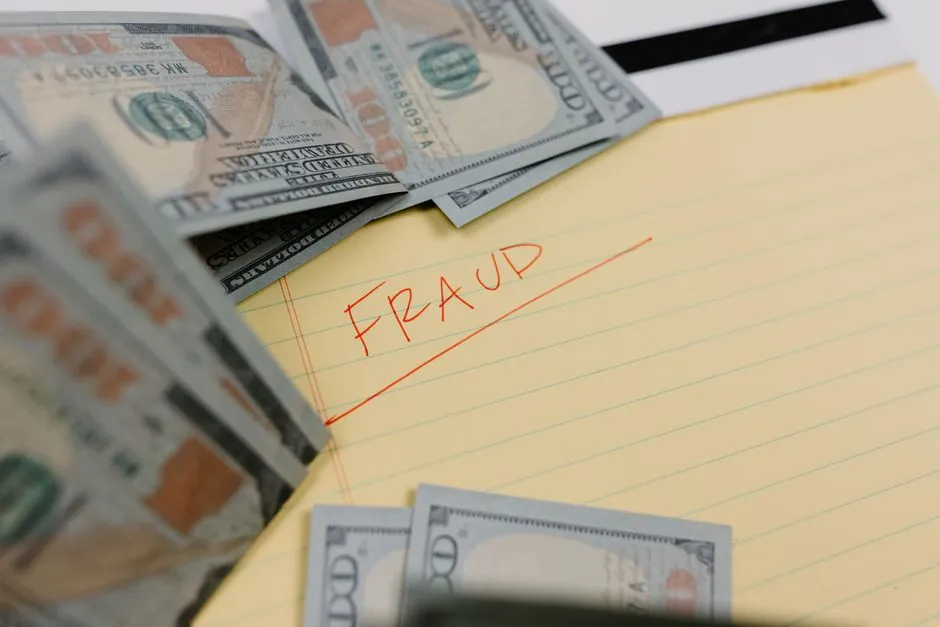
Federal data shows rising cases, with U.S. victims losing an average of $28,912 per transaction. For someone on a fixed retirement income, a loss of that size is not a setback. It is potentially irreversible. U.S. victims have lost hundreds of millions of dollars to timeshare fraud in recent years, often from funds withdrawn from retirement and other investment accounts. Scammers often encourage targeted investors to liquidate retirement or brokerage accounts to cover these purported costs.
Older adult fraud losses rose from $600 million in 2020 to $2.4 billion in 2024, a fourfold increase. Timeshare exit fraud is a significant part of that trend. In April 2026, a court ordered $140 million in restitution against a single timeshare exit operator that defrauded consumers, mostly elderly, of more than $90 million.
How AI and Technology Are Making Scams Harder to Detect

Timeshare scams in 2025 are becoming more advanced, leveraging digital tools like fake websites, social media ads, and cryptocurrency payments to deceive consumers. The level of polish in these operations has increased considerably in recent years.
Technology is making fake platforms more convincing than ever. Scammers use AI to generate fake reviews, create professional websites, and even produce fraudulent video testimonials from supposed satisfied customers. Victims receive professional-looking marketing materials and calls from people claiming they can help sell their timeshare. The scammers even use celebrity endorsements in their advertisements to appear legitimate.
Warning Signs Every Timeshare Owner Should Know

Red flags across known bad actors include big upfront fees, guaranteed results, telling you to stop paying maintenance fees, and no escrow protection. Any company that asks you to stop paying your timeshare fees during an “exit process” is likely setting you up for credit damage, not relief. No company can guarantee it will get you out of a valid, binding timeshare contract. Resorts, HOAs, and lenders are not obligated to agree to anything, and outcomes depend on your specific deed, developer, and state law.
Industry experts estimate that fewer than 20% of companies advertising timeshare exit services operate legitimately with proper licensing and ethical practices. That ratio is a sobering baseline. Some operations create sham nonprofits solely to appear credible and claim accreditation from organizations that don’t exist or misrepresent affiliations with the Better Business Bureau.
What to Do If You’ve Already Been Targeted

The FTC has pursued numerous enforcement actions against timeshare exit scam operators, but recovering funds for victims proves difficult when companies dissolve and assets disappear. Scammers often move money offshore or convert it to assets that cannot be easily traced or seized. Acting quickly matters enormously.
File a complaint with the FTC at reportfraud.ftc.gov and with your state attorney general’s consumer protection division. These complaints are what build the case files regulators use for enforcement actions. The U.S. Treasury also recommends filing under FinCEN’s “TimeshareMX” program to improve chances of flagging the transaction in time. If you paid by credit card, contact your card issuer immediately, since chargebacks are sometimes possible in the earliest days after a fraudulent payment.
A Closing Thought

The timeshare exit scam is a fraud that feeds on exhaustion. Its victims aren’t gullible. They’re people who bought something legal decades ago, discovered they no longer want or can afford it, and found that every legitimate exit route was either closed or unclear. Scammers fill that vacuum with practiced precision.
Consumer advocates warn that timeshare exit scams have become increasingly common, particularly targeting retirees who own timeshare properties in popular destinations such as Florida and coastal regions. The most reliable protection remains the same regardless of how sophisticated the pitch sounds: never pay a large sum upfront to any company promising to cancel a contract, and always verify credentials independently before signing anything.
Retirees didn’t create this problem. The combination of an industry with few built-in exit options and a fraud ecosystem specifically designed to exploit that gap did. Until lawmakers address the root cause more directly, awareness remains the single most effective defense available.
AI Disclaimer: This article was created with the assistance of AI tools and reviewed by a human editor.