

1. They Show Up Uninvited, Especially After a Storm

One of the clearest early signs of a scam is an unsolicited knock. A legitimate contractor is busy and isn’t searching for business door-to-door. If someone appears at your home without you reaching out first, that alone warrants a pause.
Storm-chasing contractors are poised to take advantage of desperate homeowners after a disaster. These contractors may use high-pressure tactics, like setting time limits on their estimates or suggesting that waiting to have work done could lead to higher prices in the long run.
If a contractor shows up at your door uninvited, claiming they “just finished a job nearby,” be cautious. The timing matters, too. Post-disaster urgency is exactly what scammers rely on to short-circuit your judgment.
2. They Can’t Produce a License or Proof of Insurance

Legitimate contractors are licensed and insured. Failure to produce proof of these credentials should be a major cause for concern. This isn’t a technicality. In most states, operating without a license is actually illegal.
Watch for red flags such as high-pressure sales tactics, vague or evasive answers, or reluctance to provide licensure information or other forms of identification, written estimates, or contracts. A professional has no reason to avoid showing credentials.
Using an unlicensed contractor or scam artist can result in being held liable for workers injured in your home if the contractor doesn’t carry workers’ compensation insurance. The risk isn’t just financial. It can expose you to serious legal liability on your own property.
3. They Demand a Large Cash Payment Upfront

Most contractors require an upfront payment of 10 to 25 percent of the job’s total cost. Anything more than that could be a sign of a contractor scam. When someone asks for the bulk of the project cost before a single nail is driven, that’s a warning worth taking seriously.
Contractors who insist on cash-only payments or offer discounts for cash should raise immediate red flags. This practice often indicates that the contractor is avoiding taxes, operating without proper insurance, or using your job to fund another. It leaves homeowners without a paper trail, making it difficult to prove payment if disputes arise later.
The FTC specifically identifies cash-only payment demands as a warning sign in its consumer guidance on home improvement scams. The most common post-payment complaint pattern involves contractors who collected cash, did partial or no work, and are now unreachable.
4. They Use High-Pressure Sales Tactics
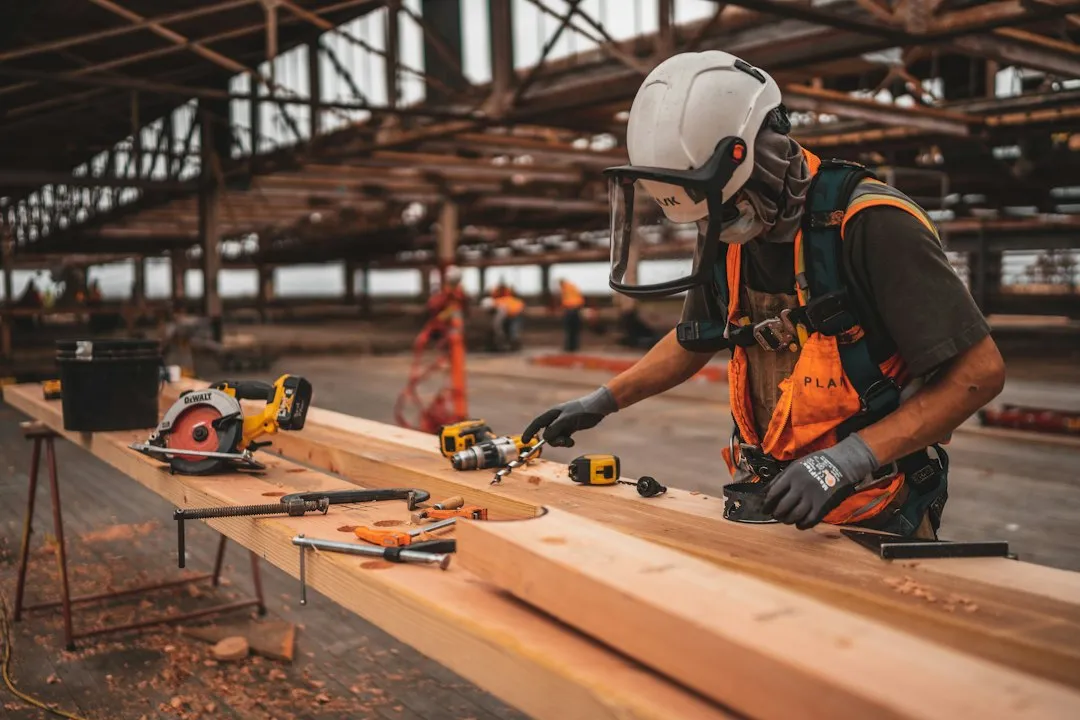
High-pressure sales tactics are a common red flag in contractor scams. Legitimate professionals understand that homeowners need time to review contracts and compare bids. Anyone pushing you to sign on the spot is not operating in good faith.
High-pressure urgency is a hallmark of scam operations. It prevents you from getting competing bids or doing due diligence. Phrases like “this price is only good today” or “I can’t fit you in next week” are scripted to stop you from thinking clearly.
Any legitimate contractor will hold a bid for 7 to 14 days. Walk away from anyone who will not. The pressure itself is part of the con, not a reflection of actual scheduling constraints.
5. The Contract Is Vague, Blank, or Nonexistent

No written contract or vague contract terms are a key indicator of contractor fraud. A proper contract protects both parties. A contractor who resists putting anything in writing is almost certainly protecting only themselves.
A detailed contract is essential. It should outline the scope of work, materials, timeline, and payment schedule. Avoid contractors who resist putting agreements in writing. If what they’re proposing is legitimate, documenting it should be straightforward.
Check that payment schedules are clearly outlined in the contract and tied to specific project milestones. Blank spaces in a contract are especially dangerous. Fraudsters have been known to fill them in later, after the homeowner has already signed.
6. They Push You to Sign an Assignment of Benefits

Some contractors ask homeowners to sign an “assignment of benefits” agreement, which gives the contractor authority to deal directly with your insurance company and collect payment from your claim. This might sound convenient, but it hands over significant control.
The National Insurance Crime Bureau warns against contract provisions or Assignment of Benefits forms that would sign away your rights to any homeowners insurance claims to the contractor. You do not want the contractor to inflate claims costs on your behalf. The contractor should not interpret your policy for you or prevent you from reporting a claim.
Red flags include high-pressure sales tactics through door-to-door solicitation, contracts with blank spaces, demands for full payment before work begins, offers to waive deductibles, and requests for an Assignment of Benefits agreement that transfers insurance rights to the contractor. When a stranger at your door asks you to redirect your insurance claim to them, it’s worth slowing down entirely.
7. They Offer a Deal That Seems Too Low to Be Real
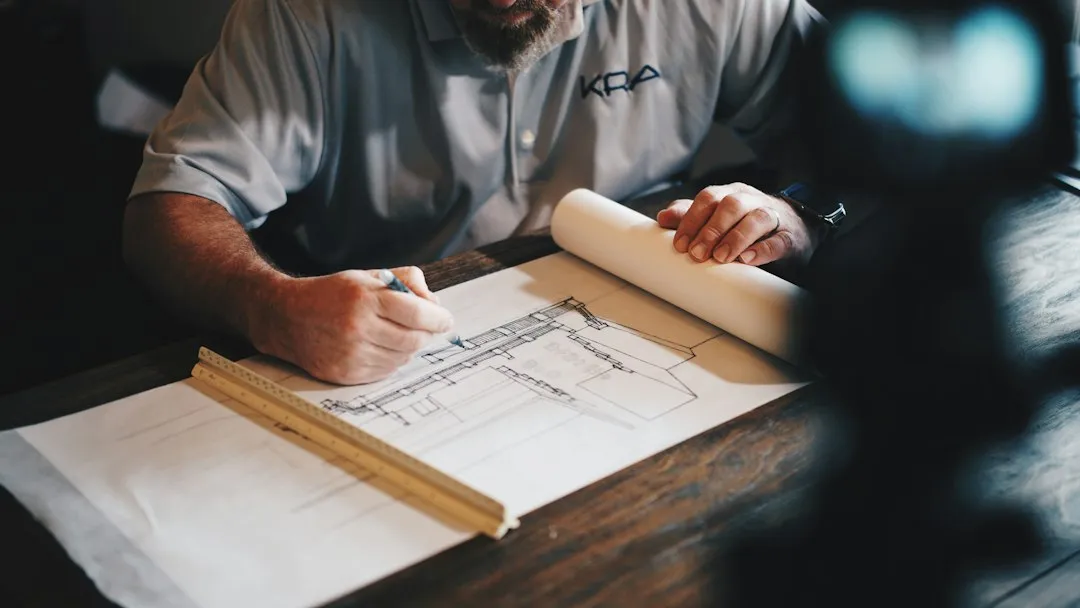
Often an unlicensed contractor will quote a very low price and then demand more money or engage in a “bait and switch” scam. The unusually low number is designed to get you committed. Once work begins, the costs tend to climb.
A contractor offers an unrealistically low quote, only to raise the price significantly once the work has begun. At that point, you’re partially into a project with a torn-up kitchen or exposed roof, which puts you at a real disadvantage when it comes to walking away.
Getting multiple quotes from licensed contractors in your area is one of the most reliable ways to establish what fair pricing actually looks like. A bid that is dramatically lower than all the others isn’t a bargain. It’s a baseline worth questioning.
8. They Have No Verifiable Business Address or References
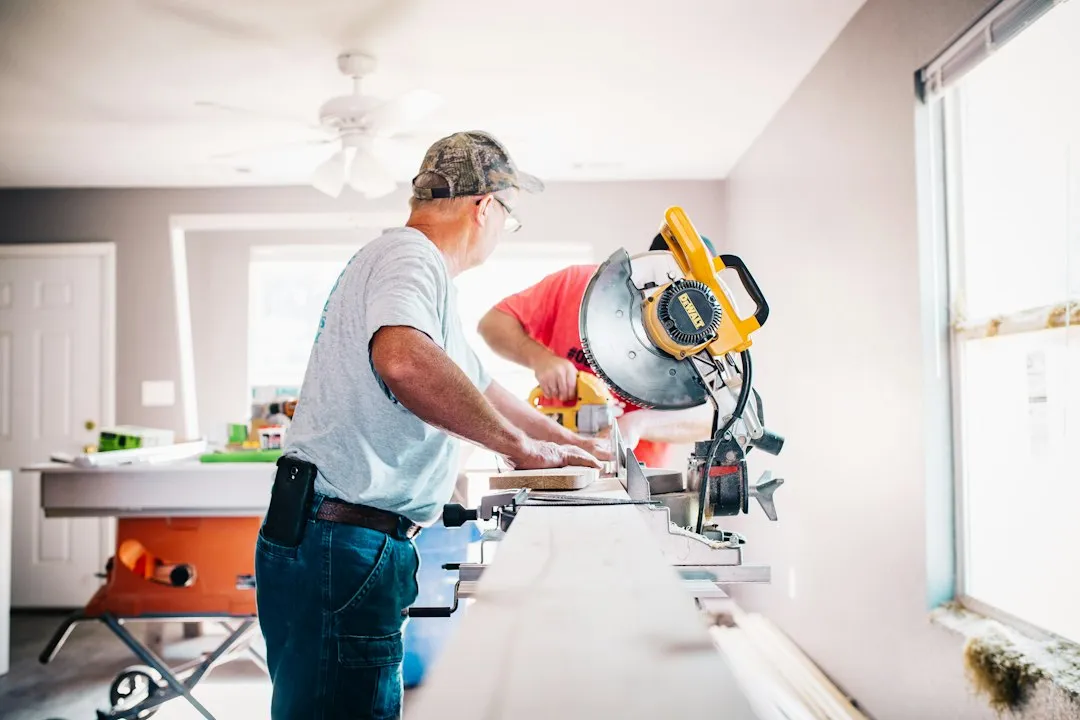
A contractor lacking references, insurance, or a permanent business address is a significant warning indicator. Legitimate businesses have a physical presence, even if it’s modest. A contractor operating out of an unmarked van with a disconnected number is a different situation entirely.
Legitimate contractors will always provide recent references because they have nothing to hide. If a contractor says they don’t reveal past customers due to “privacy,” it’s because they have something to hide. References are standard practice, not a violation of anyone’s privacy.
During a six-month investigation by NBC Connecticut, reporters found six homeowners who identified the same man and said he represented at least five different companies tied to masonry, waterproofing, chimney, and foundation work. Fraudsters routinely change company names while repeating the same schemes, which is one reason verifying a permanent business identity matters so much.
9. They Target Vulnerable Homeowners Specifically

Contractor fraud targeting older homeowners is one of the most persistent forms of elder financial abuse in the country. This targeting isn’t random. Fraudsters choose victims they believe are less likely to push back or report the crime.
Research shows that roughly a third of all scam cases in the United States list seniors as victims. The elderly are preyed upon by fraudulent contractors and scammers because they’re more susceptible to scams than other age groups.
Homeowners, especially low-income individuals, the elderly, and non-English speakers, are often targeted by unlicensed and unscrupulous contractors who pressure them into utilizing their services or buying unneeded and overpriced products. These alleged contractors will often use high-pressure phone calls, emails, mailings, and door-to-door sales tactics. Awareness of this targeting pattern can help families look out for one another.
10. They Start Work Before You’ve Agreed to Anything

In one documented case, a contractor’s crew started knocking down a homeowner’s chimney before she had agreed to the work. Once physical damage is done to your home, you’re suddenly in a much weaker negotiating position than before anyone picked up a tool.
Then one of several things happens: they take the deposit and disappear, do shoddy partial work and demand more money to finish, or identify additional urgent problems once the job has started, inflating the original quote. Starting without authorization is a calculated move, not an overzealous display of enthusiasm.
Many homeowners discover the fraud only when the city denies a permit, their insurer rejects a claim, or safety hazards appear months later. The real cost of uninvited work often shows up well after the contractor is long gone.
The Takeaway
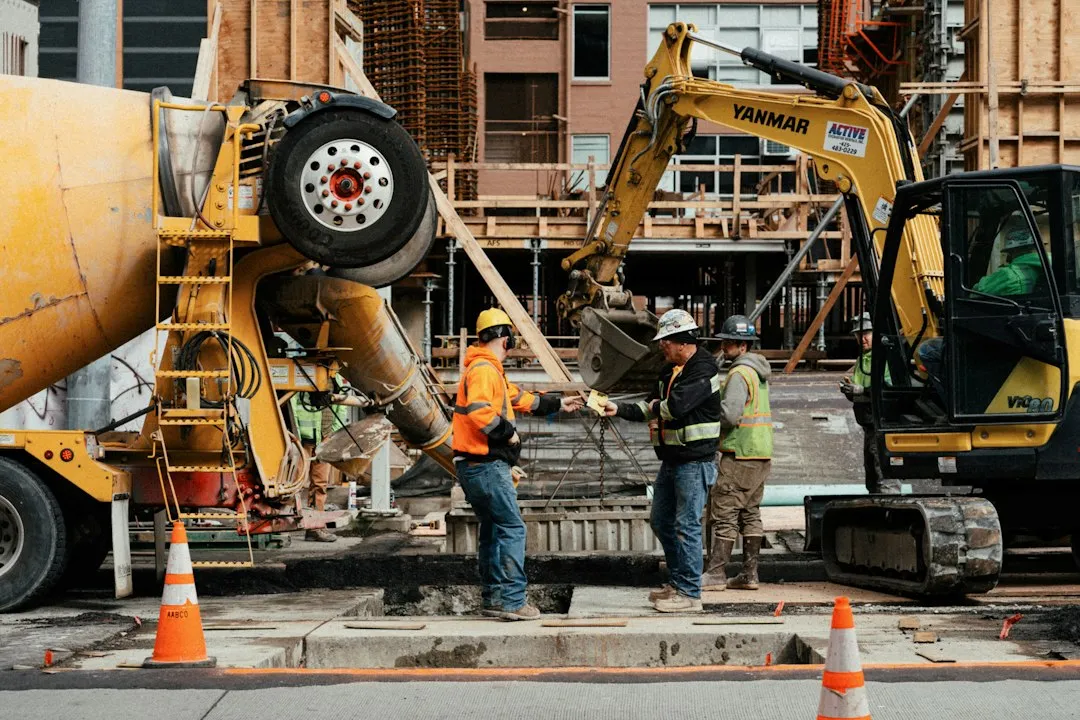
The numbers are worth sitting with. According to one study, roughly one in ten Americans has fallen victim to a contractor scam, with baby boomers tending to be the most vulnerable. That’s not a small or distant risk.
In 2024, the Federal Trade Commission received 81,925 reports of home improvement scams. These come at a high price to homeowners. According to the Better Business Bureau, each scam costs homeowners an average of $1,800. The actual losses in serious cases run far higher.
A legitimate contractor welcomes questions, provides documentation without being asked twice, and gives you time to think. Those aren’t courtesy gestures. They’re what normal, accountable business conduct looks like. When someone at your door offers you the opposite of all that, the warning has already been given.
AI Disclaimer: This article was created with the assistance of AI tools and reviewed by a human editor.