
1. Ragdoll: The Original “Puppy Cat”
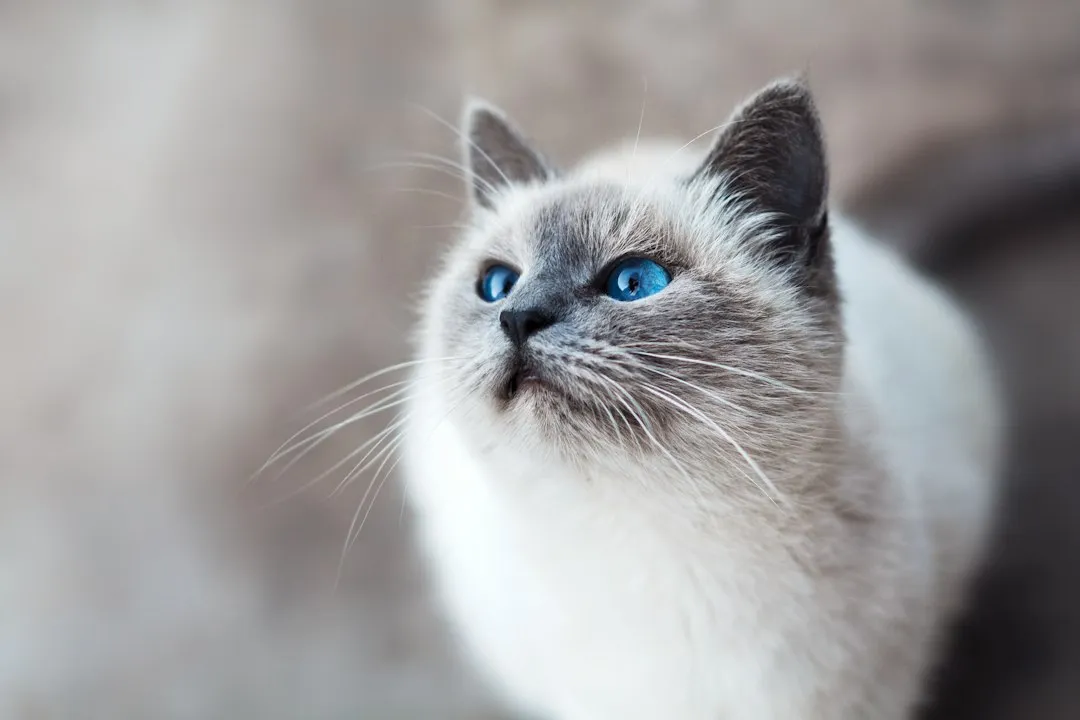
The Ragdoll was developed in Riverside, California, in the 1960s by a breeder named Ann Baker, whose founding cat was a white, long-haired domestic named Josephine. Her offspring showed an unusually docile and affectionate temperament, and Baker registered the first four Ragdolls with the National Cat Fanciers Association in 1966.
Breed standard material from the Cat Fanciers’ Association describes the Ragdoll as affectionate, intelligent, relaxed in temperament, gentle, and an easy-to-handle lap cat. The animals are often called “puppy cats” or “cat-dogs” because of their placid nature and affectionate behavior, including following owners from room to room and seeking physical affection in ways that mirror certain dog breeds.
Ragdolls are bred for low aggression. They have an unusually high tolerance for children, other cats, and even dogs, and they rarely scratch or bite in defensive situations where other breeds would. That temperament makes them one of the most reliably gentle choices for households with young children or multiple pets.
Ragdolls are not so much clingy as they are loyal. They do like their alone time, but their need for closeness is rooted more in companionship than dependency.
2. Maine Coon: Quiet Loyalty in a Very Large Package
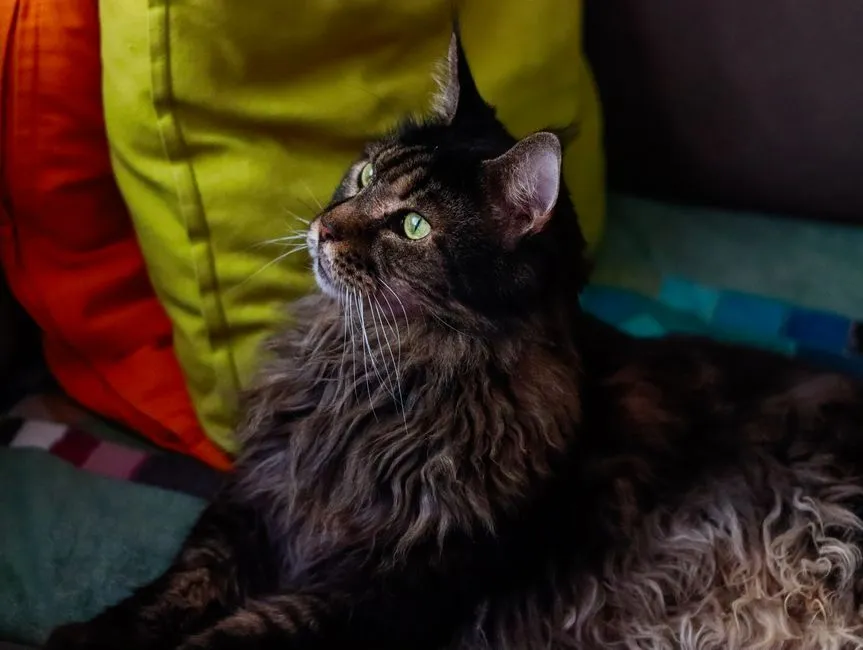
An adult Maine Coon can weigh as much as 25 pounds, which is vastly bigger than most other domestic cats. Despite their size, they are incredibly friendly and affectionate, which has led to their nickname of “the gentle giant,” and they’re known to have dog-like characteristics and love to be loved by their owners.
A Maine Coon shows its love mainly through its presence. They’re the type of cat that will follow you into the kitchen or onto the balcony and simply sit beside you while you work, content to simply be in your orbit.
This breed is one of the larger ones, making it a good choice for families with kids. They tolerate handling well, and their long coat and unique chirping sound set them apart from many others.
According to the Cat Fanciers’ Association’s registration documents, Maine Coon cats are America’s second most popular breed. That kind of sustained popularity is a reasonable measure of how well the breed fits into family life.
3. Siamese: Vocal, Devoted, and Completely Present
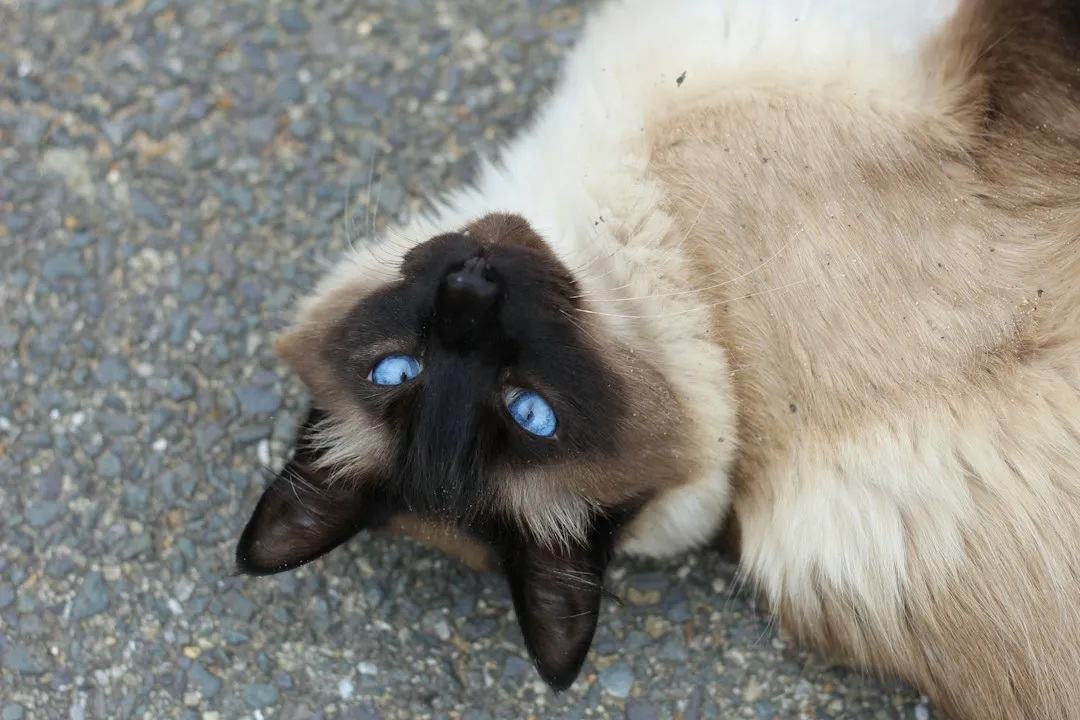
Siamese cats are not shy about expressing their feelings. They are renowned for their vocalizations and strong attachment to their owners. Their sleek, short coats and blue almond-shaped eyes give them a distinctive appearance, but it’s their social and affectionate nature that wins hearts. They crave interaction and engagement, making them excellent companions.
A Siamese often forms a “one-person bond,” choosing a favorite human to whom they become fiercely loyal. Because their emotional intelligence is so high, they crave constant interaction. This is a breed that genuinely communicates, not just meows for food.
Siamese are very vocal and chatty and love affection from people. They’re also bold and very intelligent, so be prepared to be genuinely challenged by your cat.
4. Burmese: The Breed Most Likely to Follow You Everywhere
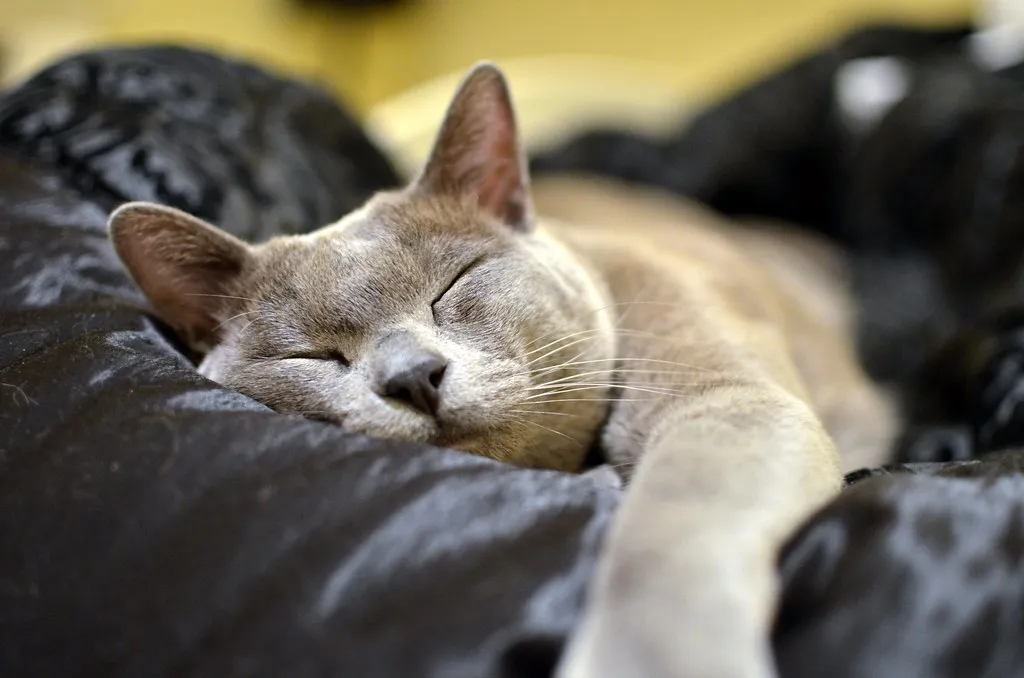
Research has shown the Burmese to be among the least fearful and least likely to show aggression toward humans, all the traits of an affectionate cat. That’s not just anecdotal. It’s a consistent finding across studies comparing temperament across breeds.
If you want a feline friend who is energetic, highly social, and deeply affectionate, the Burmese might be your perfect match. Sporting a beautiful short, satiny coat that sheds surprisingly little, they are a wonderfully practical yet gorgeous companion. They are fiercely loyal and sensitive to their human’s moods, often playfully seeking your attention before curling up beside you for rest.
The Burmese cat has been bred in the U.S. since 1930. There are two distinct types, but both are known for their social and playful temperament. They seek out attention and play from people and are incredibly vocal, so you always know what they’re feeling.
They’re smart and playful well into old age. Teach them fetch, and they’ll bring the toy back. They do best with people or another cat, because alone simply equals a sad Burmese.
5. Sphynx: The Hairless Cat That Runs Hot (Emotionally and Physically)
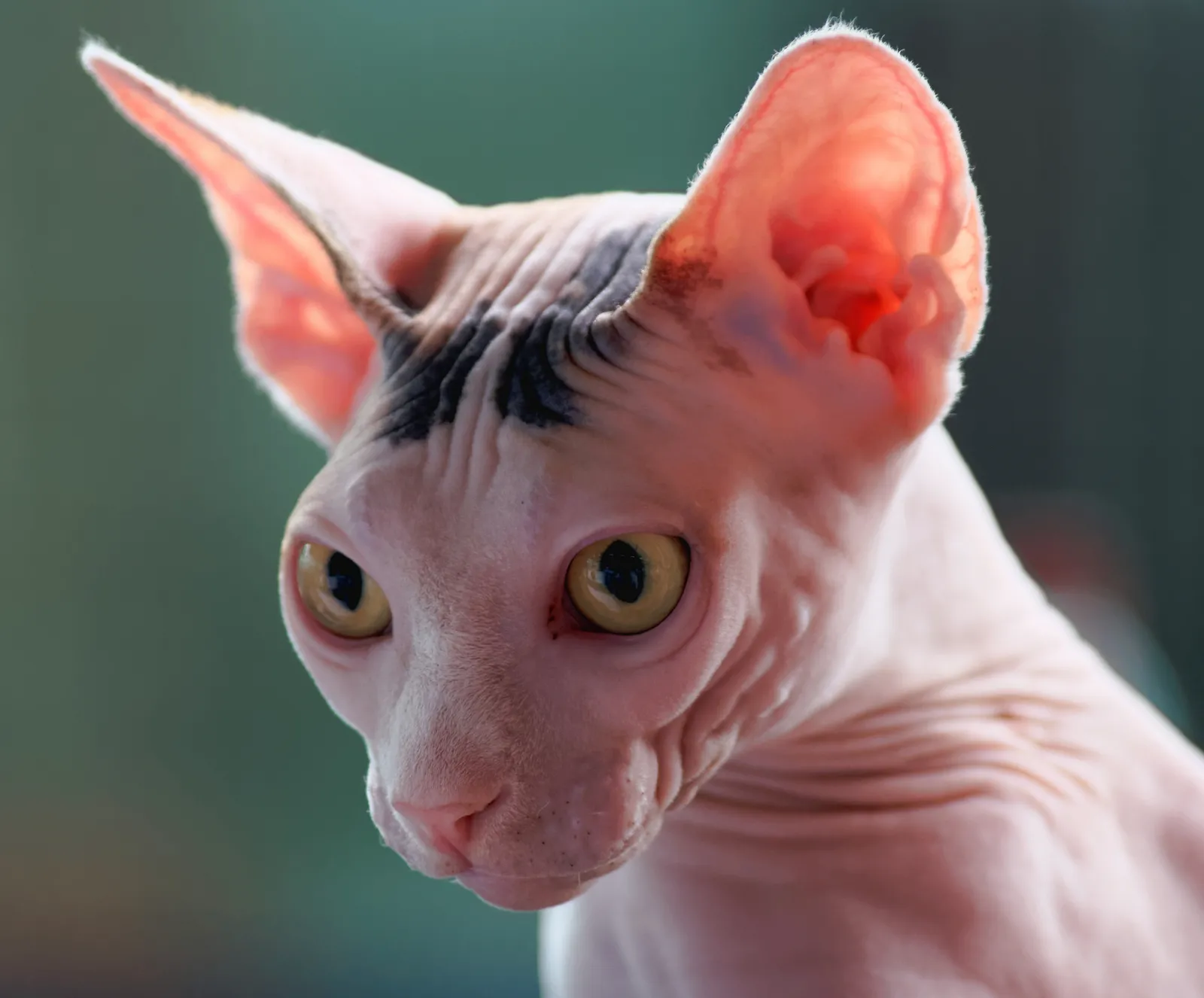
The Sphynx lacks fur, which is part of its uniqueness, but possesses more personality than almost any other breed. Without a coat to keep them warm, they have a biological drive to seek out heat. That instinct translates directly into human contact. They want to be on you, next to you, or under the covers with you at all times.
The Sphynx sports a soft, peach-fuzz texture rather than a traditional coat. Because they lack a thick fur layer, these extroverted, high-energy, and clingy companions absolutely love to snuggle up to their humans to share body heat.
The Sphynx is a breed that turns heads and captures hearts with its distinctive lack of fur. This hairless wonder compensates for its absence of a traditional coat with a plethora of charm and personality. Its smooth, suede-like skin feels warm to the touch, offering a unique tactile experience, and the Sphynx’s vibrant personality and affectionate nature shine through unmistakably.
6. Scottish Fold: The Quiet, Deep-Bonding Companion
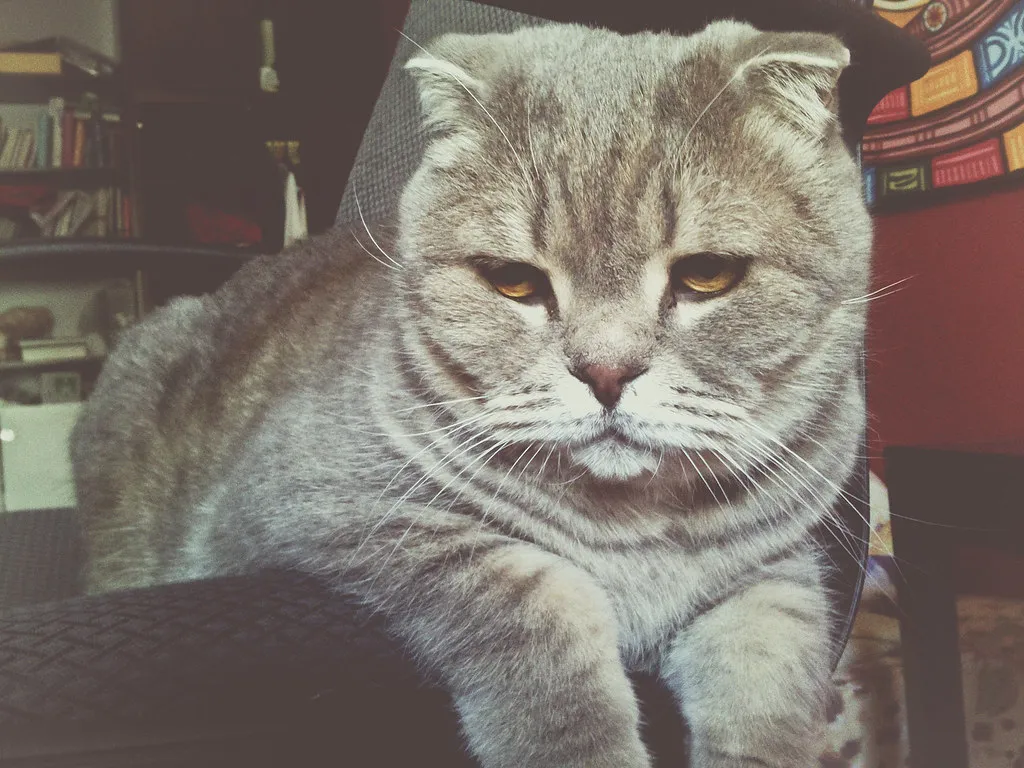
The Scottish Fold looks very distinctive, with ears that seem to fold forward thanks to a genetic mutation. This unique attribute makes them popular pets, but they are also very affectionate.
Scottish Folds are known for their “sweet” dispositions. They form quiet, deep-rooted bonds and are often found shadowing their owners throughout the day. They aren’t usually demanding in a Velcro-cat sense, but they have a profound need for companionship.
This breed thrives on routine and security. They are not typically high-energy or destructive. Instead, they prefer a calm environment where they can stay close to their favorite people.
One thing worth knowing: only buy from breeders who health test, as the fold gene can cause joint issues. Responsible sourcing matters more with this breed than most.
What Science Says About Cat Affection in General
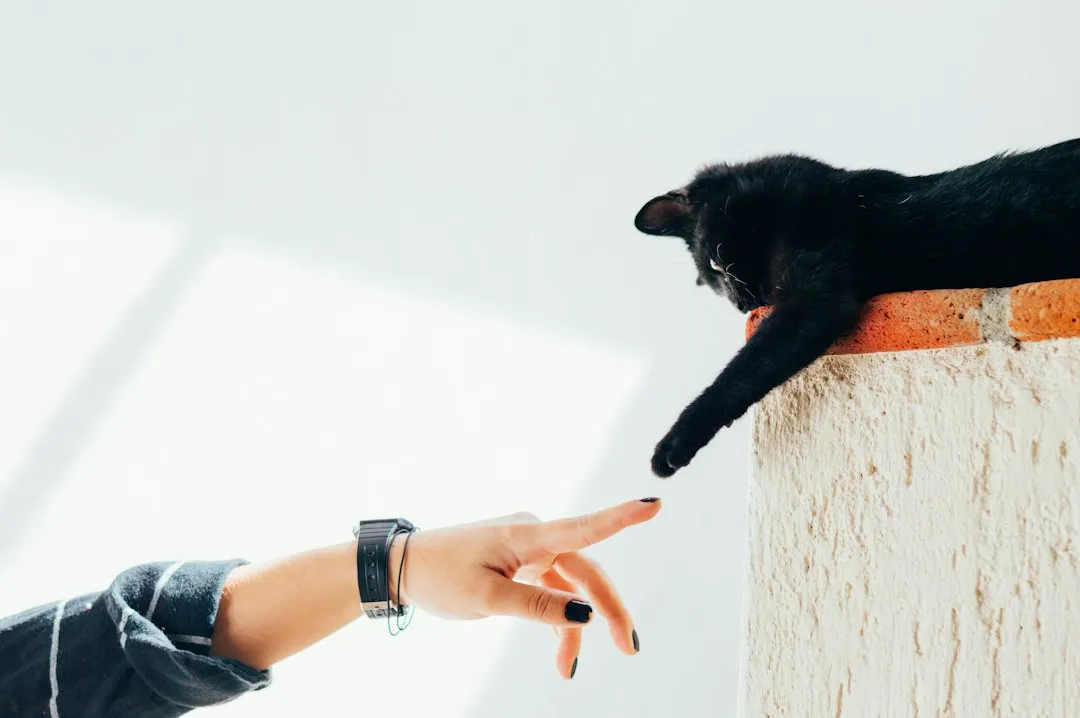
Scientists have learned that felines have heritable personality traits, which means it makes sense that some breeds might be more affectionate than others. Affection isn’t random in cats. Genetics plays a real role in shaping how much a cat seeks out human contact.
A 2019 study at Oregon State University found that pet cats form secure attachments to their human caregivers similar to the bonds children and dogs form with their parents. That finding shifted how researchers think about feline emotional capacity. Cats aren’t emotionally simple animals, they just express attachment differently.
The breeds on this list each express that attachment in their own way: some through vocalization, some through physical presence, and some through a kind of shadowing that feels less like neediness and more like genuine preference for your company.
Which of These Breeds Is Right for Your Home?
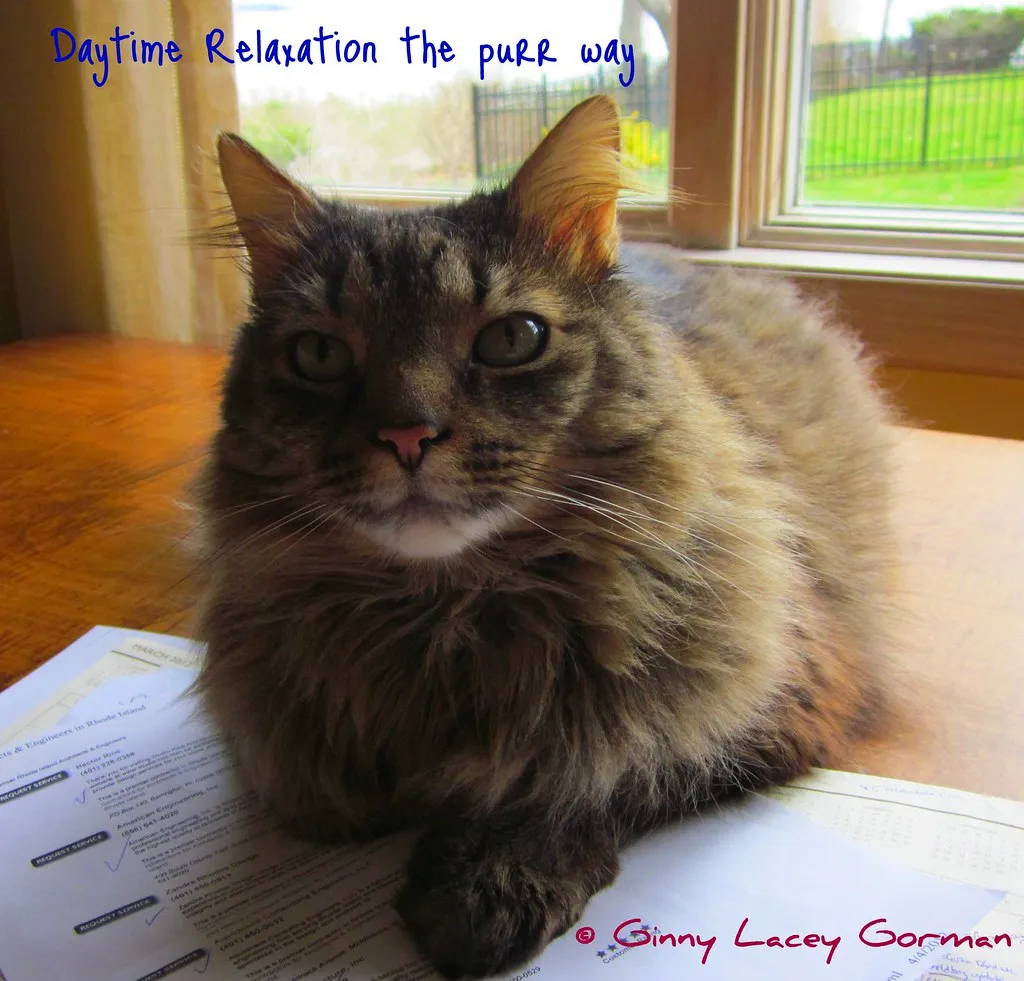
Choosing an affectionate breed isn’t just about finding the cuddliest animal. It’s about matching a cat’s energy and social needs to your actual lifestyle. Maine Coons, for example, are very family-friendly, getting on well with children, other cats, and even dogs. That makes them a strong choice for busy, multi-pet households.
If you live alone and want a cat that feels like a genuine companion rather than a roommate, the Siamese or Burmese would likely suit you better. Both breeds bond deeply, often to one person above all others, and they’ll make sure you know when you’re not paying enough attention to them.
The Sphynx and Scottish Fold, meanwhile, suit people who prefer a quieter kind of closeness. One leans into heat-seeking physical contact; the other simply stays near you without demanding performance in return. Neither is wrong, they’re just different ways of being devoted.
A Note on the “Surprising” Part
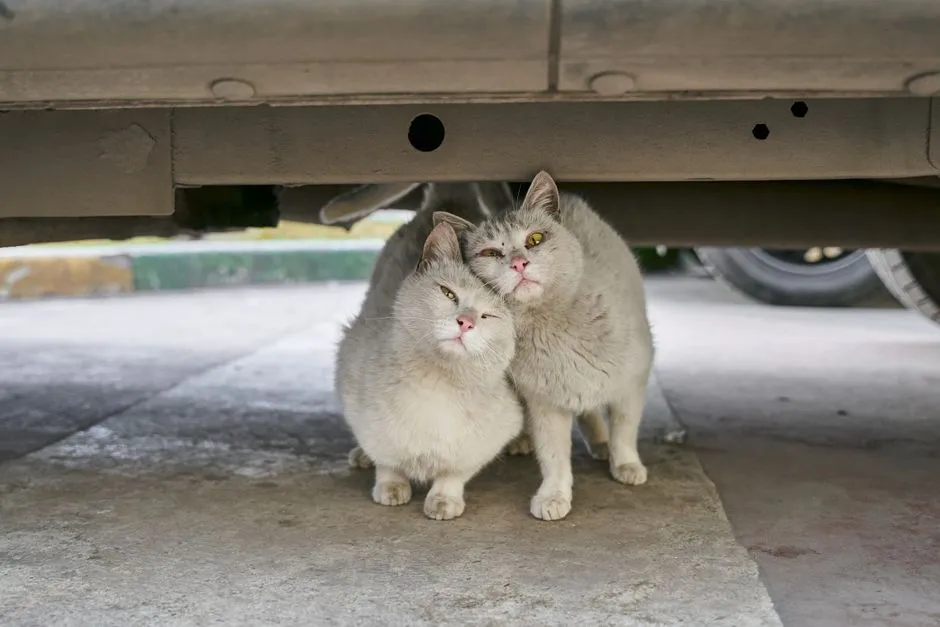
The surprise in this list isn’t that these breeds are affectionate. It’s that the word “affectionate” means something genuinely different for cats than it does for dogs or even for humans. Feline affection isn’t always overt like a wagging dog’s tail or excited kisses. In cats, love shows up in subtle behaviors backed by science.
Abyssinians, for example, are also incredibly affectionate despite their active nature, forming close bonds with their human families, which surprises many people who assume active cats are necessarily independent ones. The same logic applies across this list. Energy and affection are not opposites in the feline world.
Understanding how a specific breed expresses closeness, whether through following, vocalizing, flopping, or simply sitting nearby, will tell you more about compatibility than any single ranking.
How to Encourage Affection in Any Cat
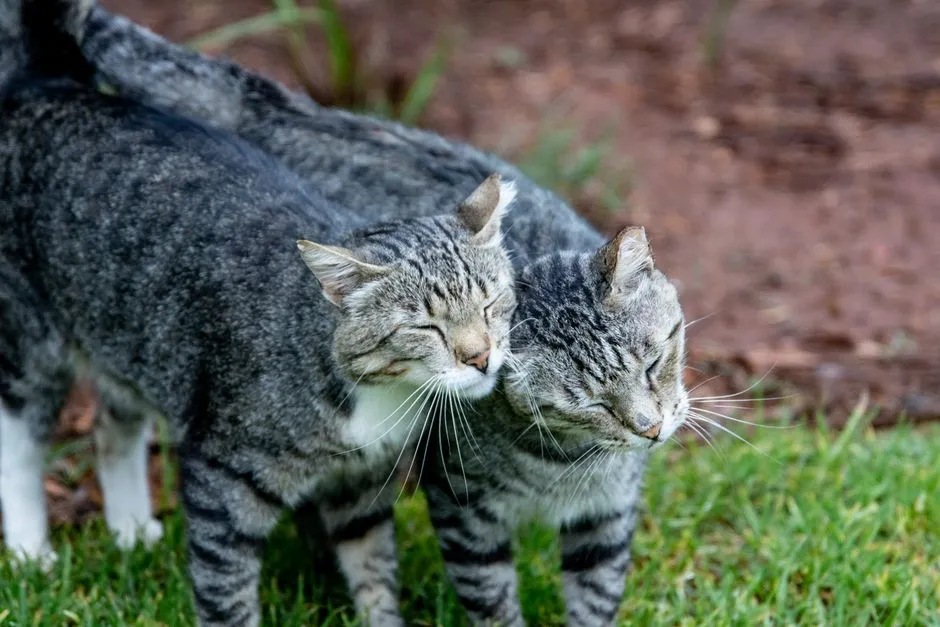
Breed is a strong predictor, but environment shapes behavior too. Cats raised in calm, consistent households with positive early handling tend to be more social regardless of breed. Socialization during the first weeks of life is particularly important in setting the tone for how a cat relates to people throughout its life.
True purebred Ragdolls, for example, are well-known for their calm nature and strong love for human companionship, traits that are part of their genetic makeup. They’re naturally social cats that enjoy being around people and are known for being gentle and patient with children of all ages. Genetics gives the foundation; your home gives the environment that either supports or suppresses those traits.
Routine, patience, and low-stress introductions to new people or situations all help. An affectionate breed placed in a chaotic or unpredictable environment may pull back, while even a more reserved breed in a warm, stable home may surprise you over time.
The Takeaway
The six breeds covered here, Ragdoll, Maine Coon, Siamese, Burmese, Sphynx, and Scottish Fold, represent meaningfully different personalities. What they share is a genuine orientation toward people rather than away from them. The Ragdoll, for instance, thrives on human interaction and forms deep, lasting bonds with its family. The same is true, in their own distinct ways, for every breed on this list.
If you’ve always thought of cats as fundamentally solitary animals, these six are worth reconsidering. The most affectionate ones aren’t just tolerating your presence. They’re actively choosing it.
AI Disclaimer: This article was created with the assistance of AI tools and reviewed by a human editor.