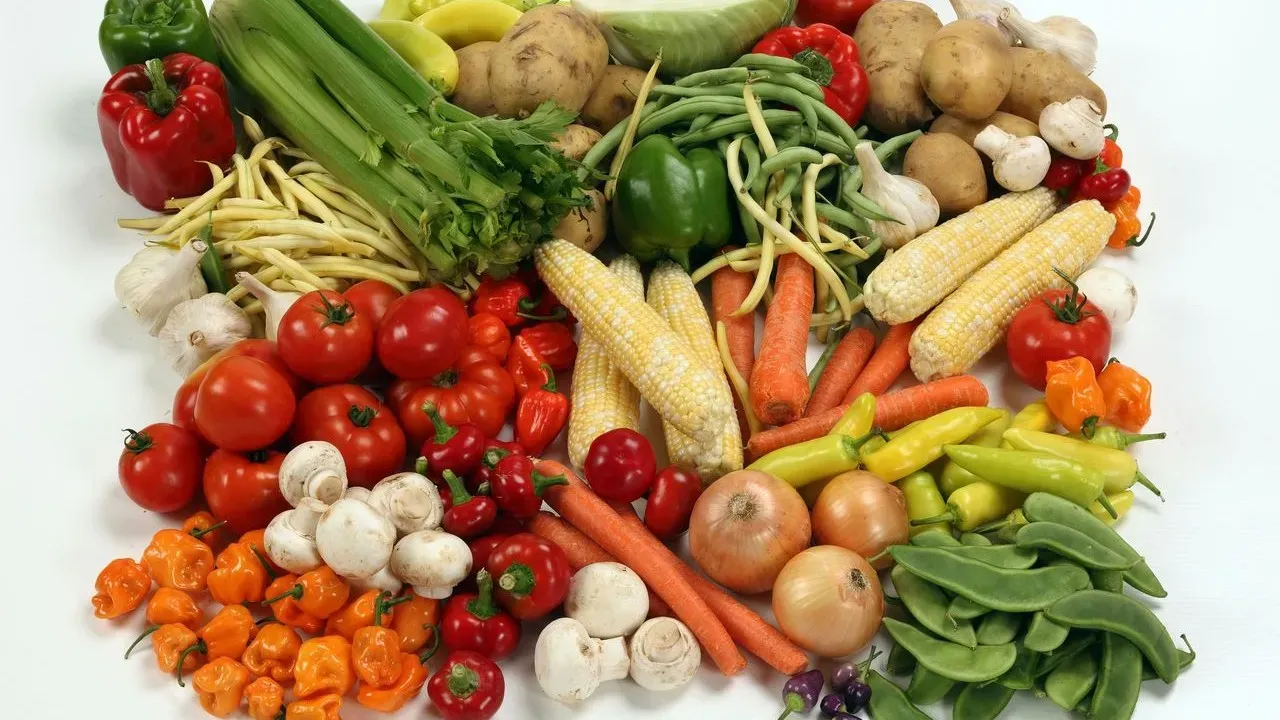

As the first frost warnings appear on weather apps across much of the country, many home gardeners face a familiar choice: pull up the remaining plants or find ways to keep the harvest going. Cold-hardy vegetables offer one practical path forward, allowing plots to stay productive even as temperatures drop. The shift from summer abundance to cooler months does not have to mean an empty garden bed. ([1])
The Real Cost of an Early End to the Season
Home gardeners invest time, soil amendments, and daily attention throughout the warmer months. When frost arrives ahead of schedule, that investment can vanish overnight if tender crops are left unprotected. The result is not only lost produce but also the missed opportunity to stretch limited grocery budgets through the colder months. Families who rely on their gardens for fresh vegetables feel the pinch most directly when the season closes too soon.
Extending the harvest changes the equation. A few additional weeks or months of picking means fewer trips to the store and more control over what reaches the table. For those managing smaller yards or community plots, every extra harvest counts toward self-sufficiency goals that many set at the start of the year.
Why Certain Crops Continue When Others Fail
Some vegetables have natural defenses against light freezes. Their cellular structure tolerates lower temperatures without turning to mush, and their growth patterns align with shorter days and cooler soil. These traits turn potential losses into continued production rather than sudden stops.
Gardeners who select for these traits gain a buffer against unpredictable fall weather. Instead of racing to harvest everything before the first hard freeze, they can plan staggered plantings that mature at different points through late autumn and into winter. The difference shows up in both the quantity and the quality of what ends up on the plate.
Steps That Turn Knowledge Into Results
Success begins with timing. Sowing or transplanting the right varieties several weeks before the expected frost date gives plants time to establish before cold sets in. Soil preparation matters as well; well-drained beds reduce the risk of rot when moisture lingers near freezing temperatures.
Protection extends the window further. Simple row covers or cold frames shield plants from the harshest nights while still allowing light and air to reach the foliage. Regular monitoring of forecasts helps gardeners decide when extra layers are worth adding and when they can be removed to avoid overheating on milder days.
Harvest habits also shift. Picking smaller, younger leaves or roots at intervals rather than waiting for a single large crop keeps plants producing longer. This approach spreads the workload and reduces the chance that an unexpected deep freeze wipes out an entire planting at once.
What Changes for Gardeners Who Adapt
Those who make the adjustment often report steadier access to fresh greens and roots through months when store prices typically rise. The psychological benefit is real too: a garden that remains active provides a visible reminder that the growing year is not over. Neighbors and family members notice the continued activity and sometimes ask for advice, spreading practical knowledge within communities.
The approach does require some upfront planning and a willingness to experiment with protection methods. Yet the payoff arrives in the form of extended meals from the yard rather than reliance on distant supply chains during the shortest days of the year.
AI Disclaimer: This article was created with the assistance of AI tools and reviewed by a human editor.