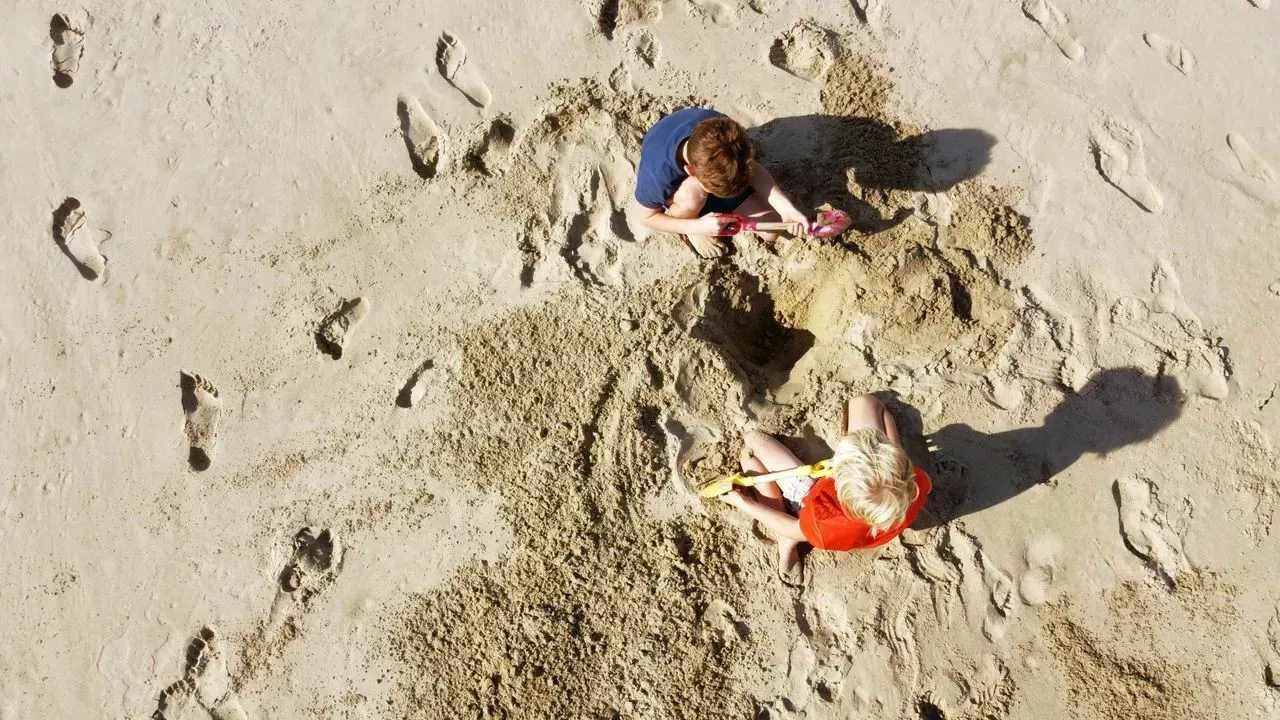

In 1957 a six-year-old boy in Kentucky began digging holes in the backyard, convinced he could reach China by noon and return home for dinner. The effort left the lawn pockmarked but never reached three feet deep. Decades later the same impulse to turn soil has become a steady way to quiet the mind amid larger worries. ([1])
A Childhood Plan That Never Faded
The early holes were more than play. They reflected a simple belief that the world on the other side of the planet held friends worth meeting. The boy grew into a gardener who eventually traveled to Sichuan province twice for seed collection, once in 2001 and again in 2003. Those trips fulfilled the old dream in a different form.
Today the same person watches younger generations and notes how rarely they pick up a spade. Screens and indoor routines have replaced the backyard labor that once felt ordinary. The contrast sharpens the value of time spent with a shovel in hand.
Hard Lessons From a Friend’s Buried Savings
One neighbor, Otis Knox, grew up in Wolfe County where his mother plowed with a cow and the children broke clods with sledgehammers before planting potatoes. Later success as a machinist at an IBM plant brought financial security, yet Otis still hid cash in the yard as a safeguard. When illness struck in 2020 he asked for help recovering it, but the request was declined in favor of a trusted family member.
The story lingers because it shows how digging can serve both practical and emotional needs. Otis knew hard times and prepared for more. The gardener who heard the request now weighs similar choices on his own forty-seven acres.
Old Fears and New Uncertainties
During the Cold War the author’s father refused to build a fallout shelter, preferring a case of whiskey and cartons of cigarettes in the basement. Pragmatism ruled over elaborate preparations. Recent reports on artificial intelligence raise fresh concerns about power shortages, market viability, and even uncontrolled systems.
These threads converge on the question of what to do with an unsettled mind. Burying cash under a marked tree offers one dramatic option, yet the gardener ultimately chose a simpler step. An order for spring-flowering bulbs arrived instead.
Why the Shovel Still Wins
Each new hole connects the present moment to the boy who once aimed for China. The work demands focus and yields visible change without promising dramatic outcomes. In a time of rapid technological shifts and lingering global tensions, the steady rhythm of turning earth provides a reliable counterweight.
The farm in Salvisa will see more holes before winter ends. Some may mark practical projects; others will simply mark time spent outside. Either way the act itself continues to serve the purpose it always has: moving forward one spadeful at a time.
AI Disclaimer: This article was created with the assistance of AI tools and reviewed by a human editor.