
1. Blueberries: Small Berries, Surprisingly Big Benefits
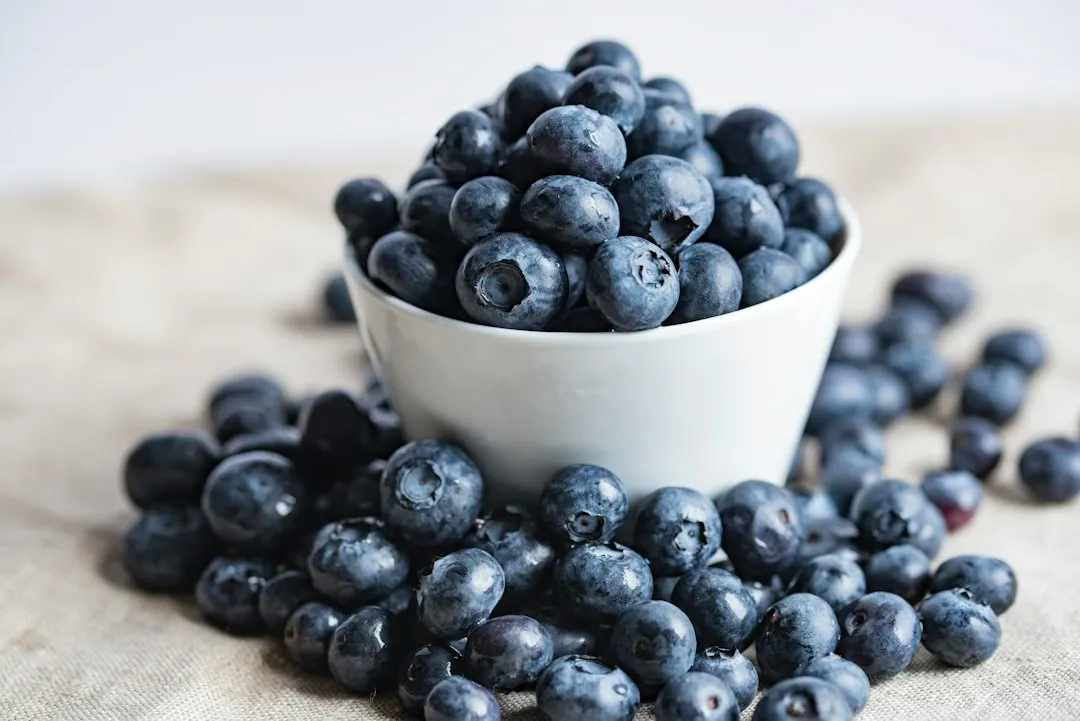
These small, nutrient-dense berries are not only safe for dogs but also provide a variety of health benefits. Blueberries are packed with antioxidants, vitamins C and K, and fiber, all of which contribute to a dog’s overall well-being.
They contain a class of compounds known as flavonoids, a group of nutrients that have antioxidant and anti-inflammatory properties. These flavonoids give blueberries that deep, vibrant color and also make them beneficial for dogs.
There is some research suggesting that antioxidants like those found in blueberries may slow brain aging in dogs, according to the AKC. The phytochemicals they contain may also offer anti-inflammatory benefits, which might help with conditions like arthritis in older dogs.
Most healthy, adult dogs can eat blueberries several times a week as long as you stay within the safe portion sizes for their size. Fresh or frozen both work fine, and their small size makes them a no-fuss snack.
2. Cooked Chicken: The Vet’s First Choice for Sensitive Stomachs
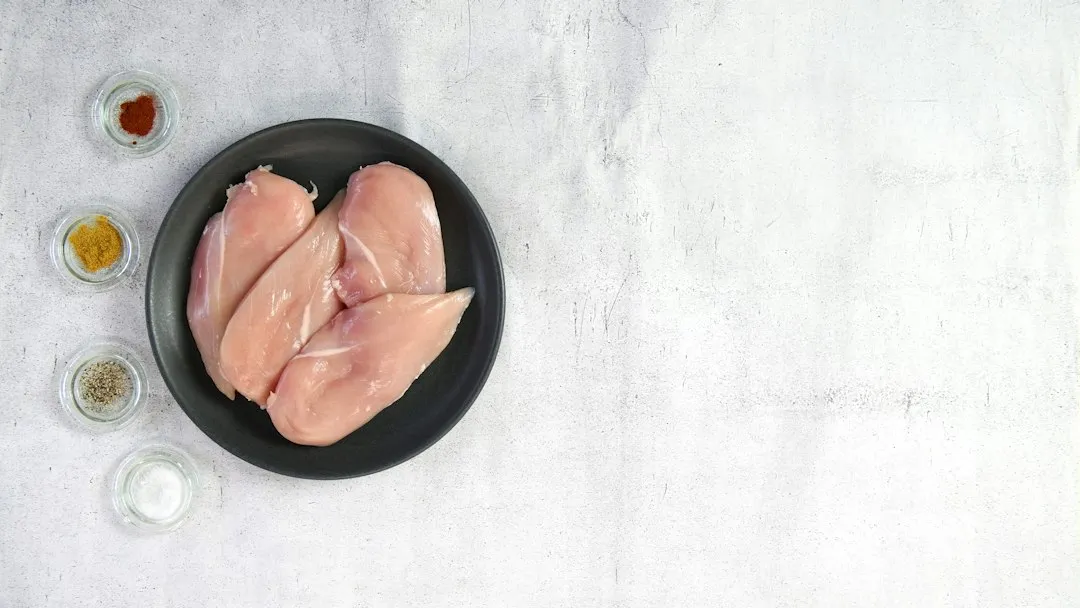
Plain, cooked chicken is one of the safest and healthiest human foods for dogs. Cook it thoroughly, remove all bones, and leave off the skin, skipping any seasoning, oils, or butter. Plain boiled or baked chicken is so gentle on the stomach that it is often suggested for dogs recovering from digestive upset.
It supports muscle growth, is great for dogs recovering from illness, and is gentle on sensitive stomachs. That combination of qualities is hard to beat in a single ingredient, and it explains why plain chicken is the go-to food vets recommend when a dog is under the weather.
Plain boiled or baked chicken breast with no seasoning and no bones is what vets reach for when a dog has stomach trouble, because it’s that gentle and that digestible. Keep portions proportionate to your dog’s size and always serve it boneless.
3. Carrots: The Crunchy Low-Calorie Snack That Actually Earns Its Hype
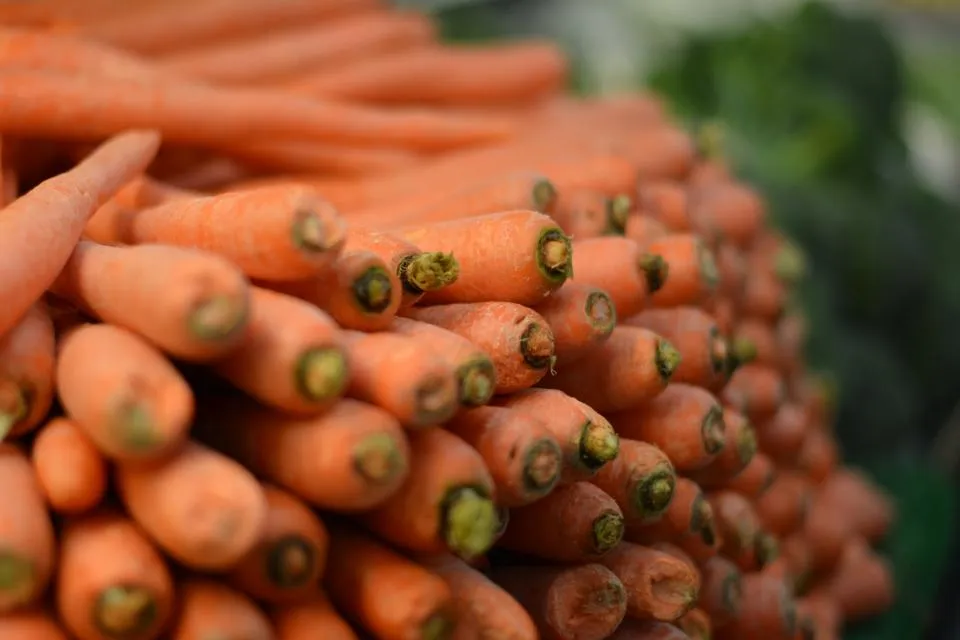
Both raw and cooked carrots are safe for dogs to eat. They are low in calories and a good source of vitamins, minerals, and fiber, making them a very healthy snack.
Carrots are a good source of vitamin A, which is beneficial for a dog’s immune system, vision, and cellular processes. Since dogs can convert beta carotene to vitamin A, this veggie is also great for their eye health.
Carrots are high in fiber and vitamin A, support dental health by reducing plaque, and are ideal for weight management. Before feeding carrots to your dog, make sure to cut them into bite-size pieces to prevent choking. Raw or lightly steamed are both fine options.
4. Cooked Eggs: One of the Most Complete Proteins You Can Share
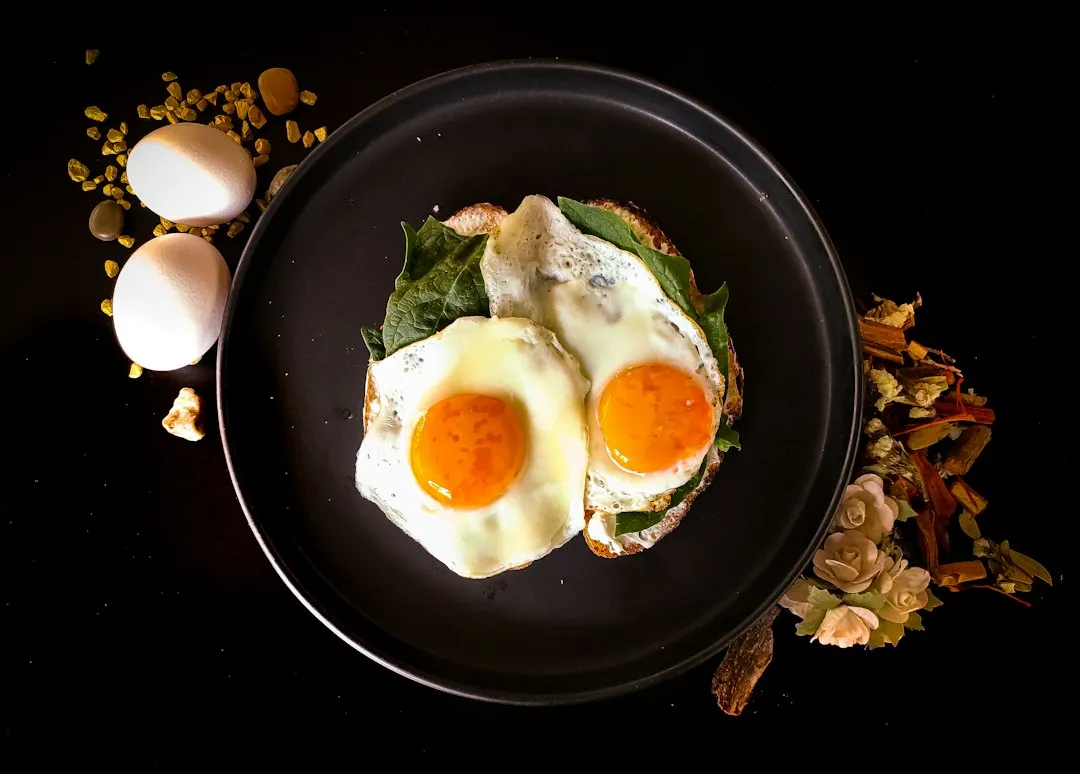
Fully cooked eggs are one of the most nutritionally complete foods you can share with a dog. The confusion often comes from raw eggs, which carry salmonella risk and contain avidin, a protein that blocks biotin absorption with regular feeding. Cooked eggs have neither problem.
Eggs contain all the essential amino acids dogs need, plus vitamin D, B12, and riboflavin. They are a favourite with most dogs, and scrambled or boiled eggs with no added oil, butter, or seasoning provide good-quality protein and vitamins.
Eggs are highly nutritious when fully cooked, rich in protein, contain essential amino acids, and support skin and coat health. It’s important to never feed raw eggs due to the risk of bacteria. Plain preparation is the rule across the board.
5. Cooked Salmon: Omega-3s for Coat, Joints, and Beyond
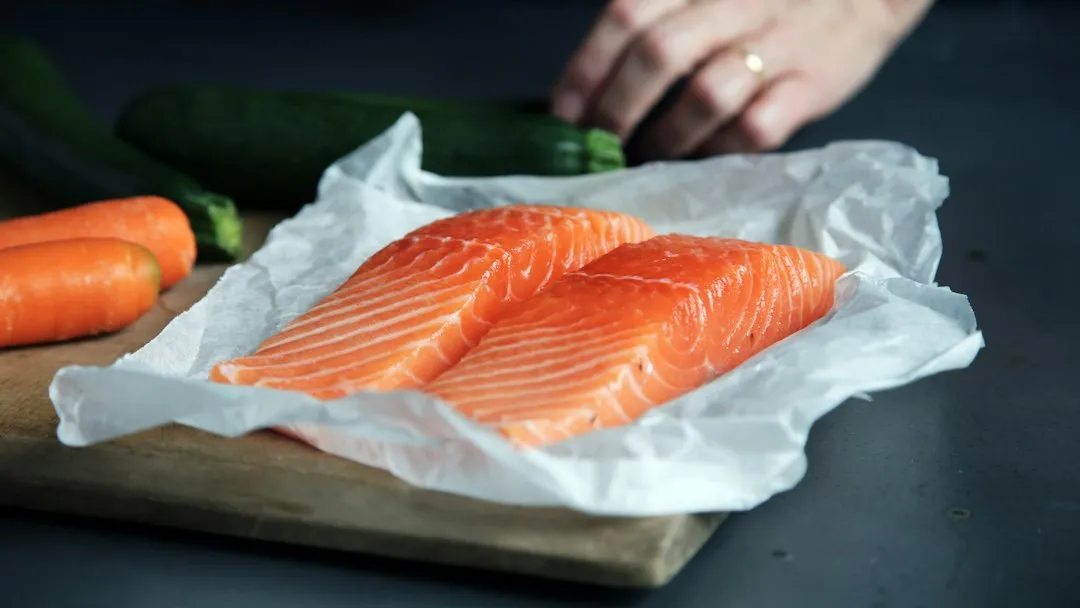
Cooked, boneless salmon is a safe and healthy food for dogs. Salmon is a great source of omega-3 fatty acids, which are known to reduce inflammation and may help keep a dog’s skin and fur healthy.
Salmon’s omega-3 fatty acids may support healthy skin and a shiny coat. Always serve it fully cooked with all bones removed, since raw salmon can carry parasites, making cooking essential.
In most cases dogs can eat salmon, as long as it is boneless, fully cooked, and made without any additives like garlic, onion, and salt that can be toxic or harmful. A few times per week is a reasonable frequency for most healthy adult dogs.
6. Plain Pumpkin: The Digestive Workhorse Hidden in Plain Sight
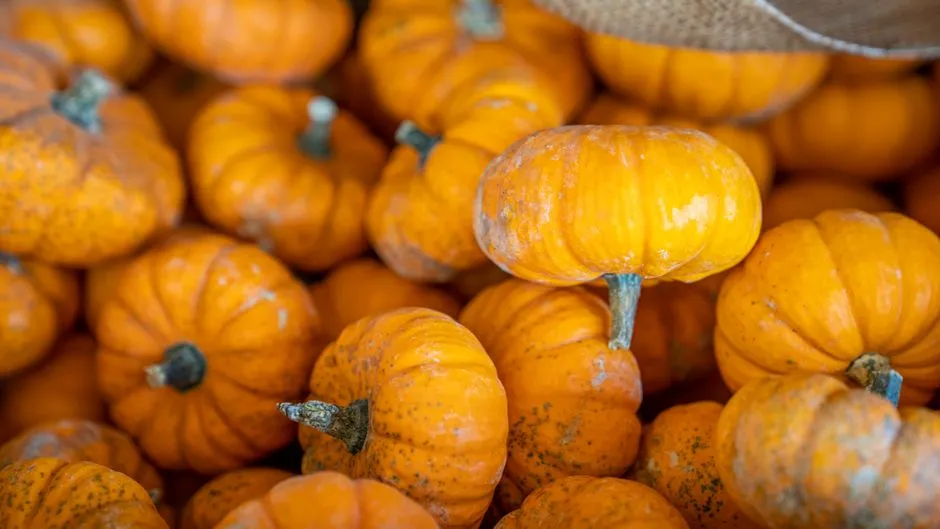
Pumpkin is particularly beneficial for digestive health. Plain, cooked pumpkin, not the sweetened pie filling, can help with both diarrhea and constipation due to its high fiber content. Start with small amounts, as too much can cause digestive upset.
Cooked and chopped-up pumpkin is a healthy and nutritious snack for dogs. It is a good source of fiber and beta-carotene, which can help with digestion and improve the appearance of a dog’s coat. Pumpkin is also low in calories and fat, making it a good choice for dogs who are overweight or prone to weight gain.
Pumpkin also contains pepita oil, which is a type of omega-6 fatty acid known as linoleic acid. This particular fatty acid is shown to have anti-inflammatory effects, especially for a dog’s skin. Plain canned pumpkin is actually better than fresh for digestive purposes – it’s already cooked down and concentrated, so a spoonful delivers more fiber per volume than fresh chunks would.
How Much Human Food Is Too Much?
Even vet-approved human foods should only make up a small portion of a dog’s diet. Treats, including human food, should be no more than ten percent of daily calories, since overfeeding human food can lead to obesity, nutritional imbalances, and digestive problems.
Even high-quality ingredients fed as home cooking typically leave nutrient gaps, since dogs need specific ratios of amino acids, fatty acids, vitamins, and minerals that unplanned meals don’t hit. This is why human foods work best as additions to a balanced diet, not as replacements.
Dogs with diabetes, pancreatitis, kidney disease, or food allergies may need different guidance, so it’s worth consulting your veterinarian before adding new foods regularly.
A Few Foods to Absolutely Avoid
Human foods that are not safe for dogs to eat include garlic, onions, grapes, chocolate, and foods with artificial sweeteners. These aren’t just foods to limit – they can cause serious, sometimes fatal harm even in small amounts.
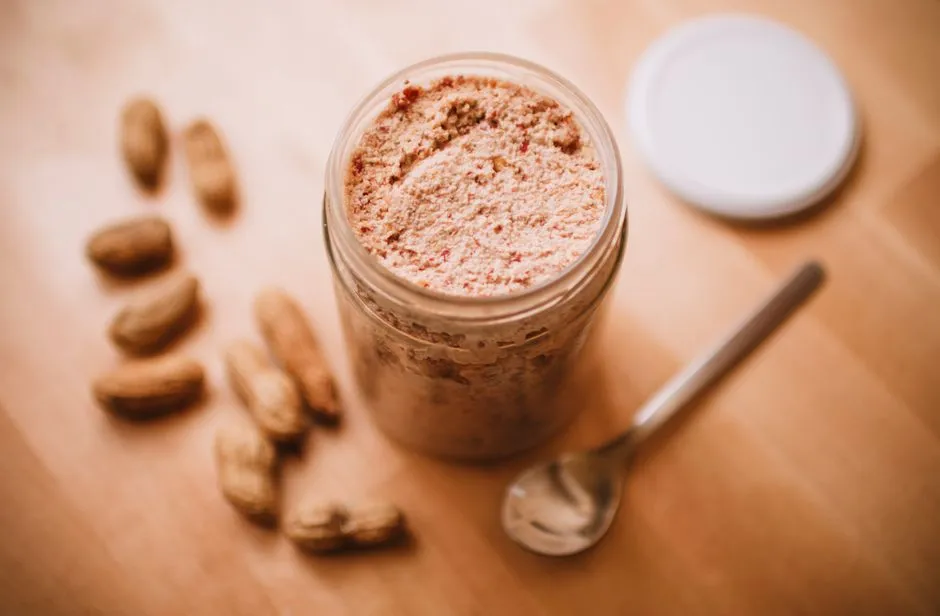
In the case of peanut butter, which many dogs love, it must always be xylitol-free. Brands containing artificial sweeteners, especially xylitol, are toxic to dogs. Always read labels carefully before offering it as a treat.
Grapes and raisins in particular contain toxic compounds that are harmful to dogs. The exact mechanism is still being studied, but the risk is well-established enough that vets universally advise against them entirely.
When in Doubt, Ask Your Vet
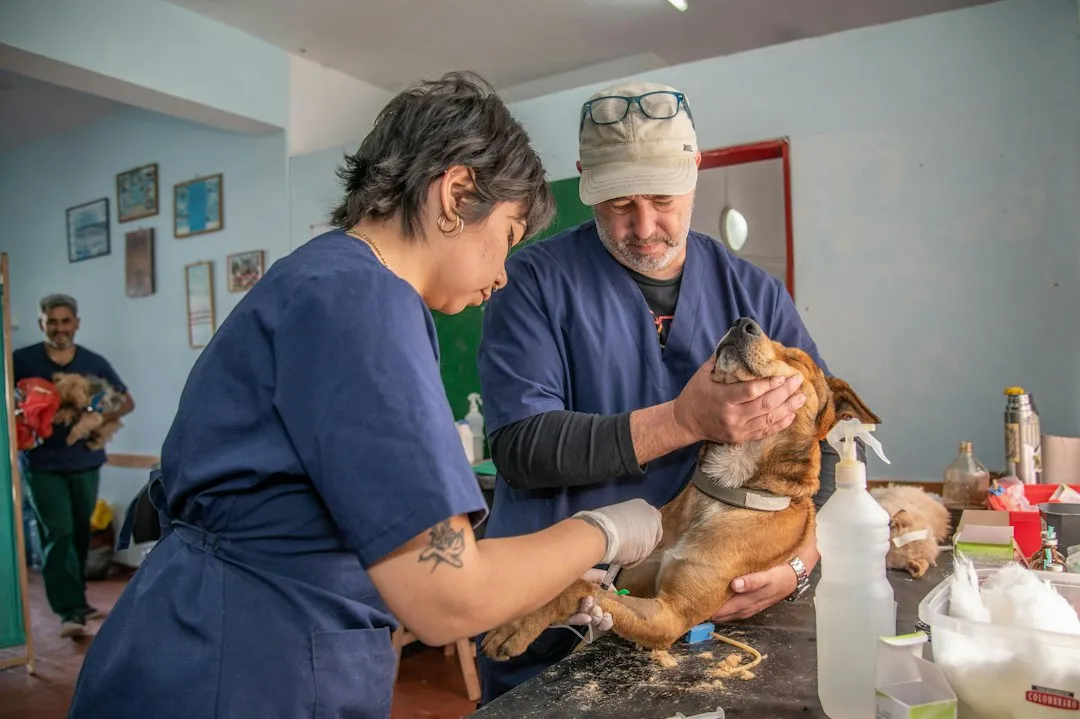
Although you should always check with your vet before feeding your dog any human food, there is a clear and verified list of options that are widely considered safe. What works well for one dog may not suit another, especially if your pet has underlying health conditions or known allergies.
Not all types of food are safe for all dogs. Some dogs have food allergies, and the most common ones are triggered by different types of proteins, such as beef, chicken, eggs, fish, and dairy. Introducing any new food slowly and in small amounts is a sensible starting point.
Preparation Makes All the Difference
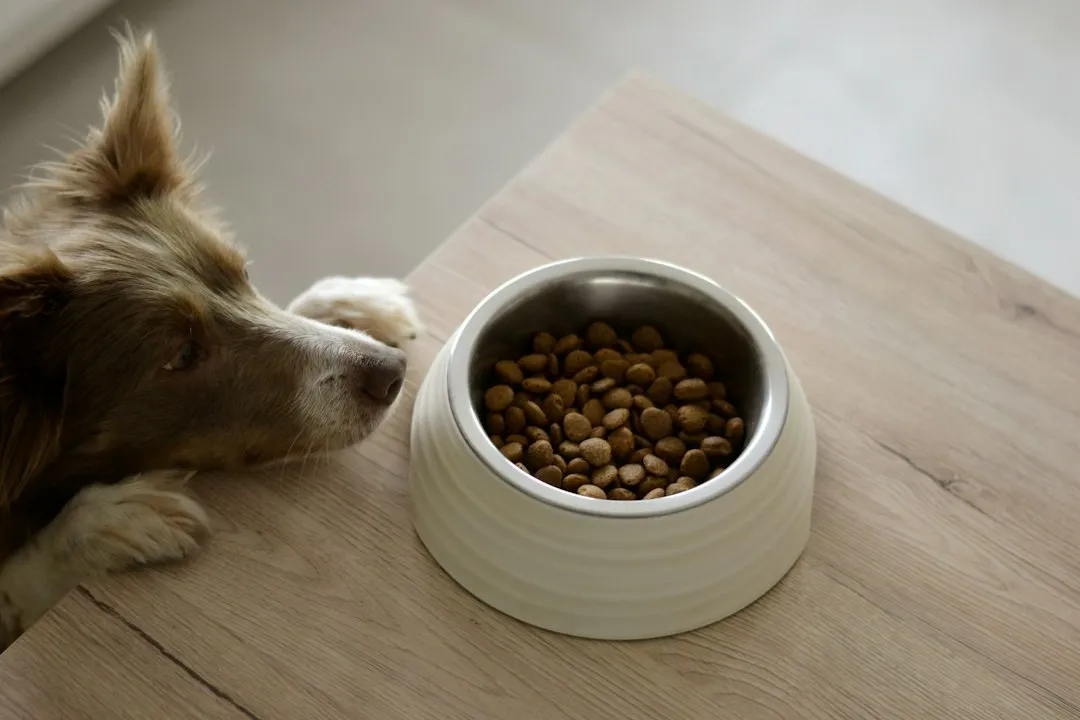
Dogs can safely eat a long list of human foods – lean cooked proteins, most fruits and vegetables, plain grains – as long as portions stay small, preparation stays plain, and the toxic list stays completely off-limits.
That word “plain” keeps coming up for a reason. Seasonings, oils, butter, garlic, and onion powders are the quiet culprits that turn a safe ingredient into a dangerous one. The food itself is often fine. It’s what gets added to it that causes problems.
Keep it simple by avoiding sauces, oils, and spices, and sticking to fresh ingredients, since processed foods often contain harmful additives. That single habit covers most of the risk.
The Takeaway
The foods on this list – blueberries, plain chicken, carrots, cooked eggs, salmon, and pumpkin – all have real nutritional merit backed by veterinary guidance. None of them require special preparation, and most are already sitting in your kitchen.
Sharing food with your dog doesn’t need to be a source of worry, as long as the choices are informed. Dogs can safely enjoy some human foods in moderation, including plain-cooked meats like chicken, beef, and turkey, vegetables such as carrots, peas, and green beans, and certain dog-friendly fruits like apples, blueberries, and bananas.
The simplest rule of thumb: the plainer, the better. If a food is heavily seasoned, processed, or sweetened, it probably belongs on your plate alone. If it’s fresh, whole, and prepared simply, there’s a good chance your dog can enjoy it too – safely and with genuine benefit.
AI Disclaimer: This article was created with the assistance of AI tools and reviewed by a human editor.