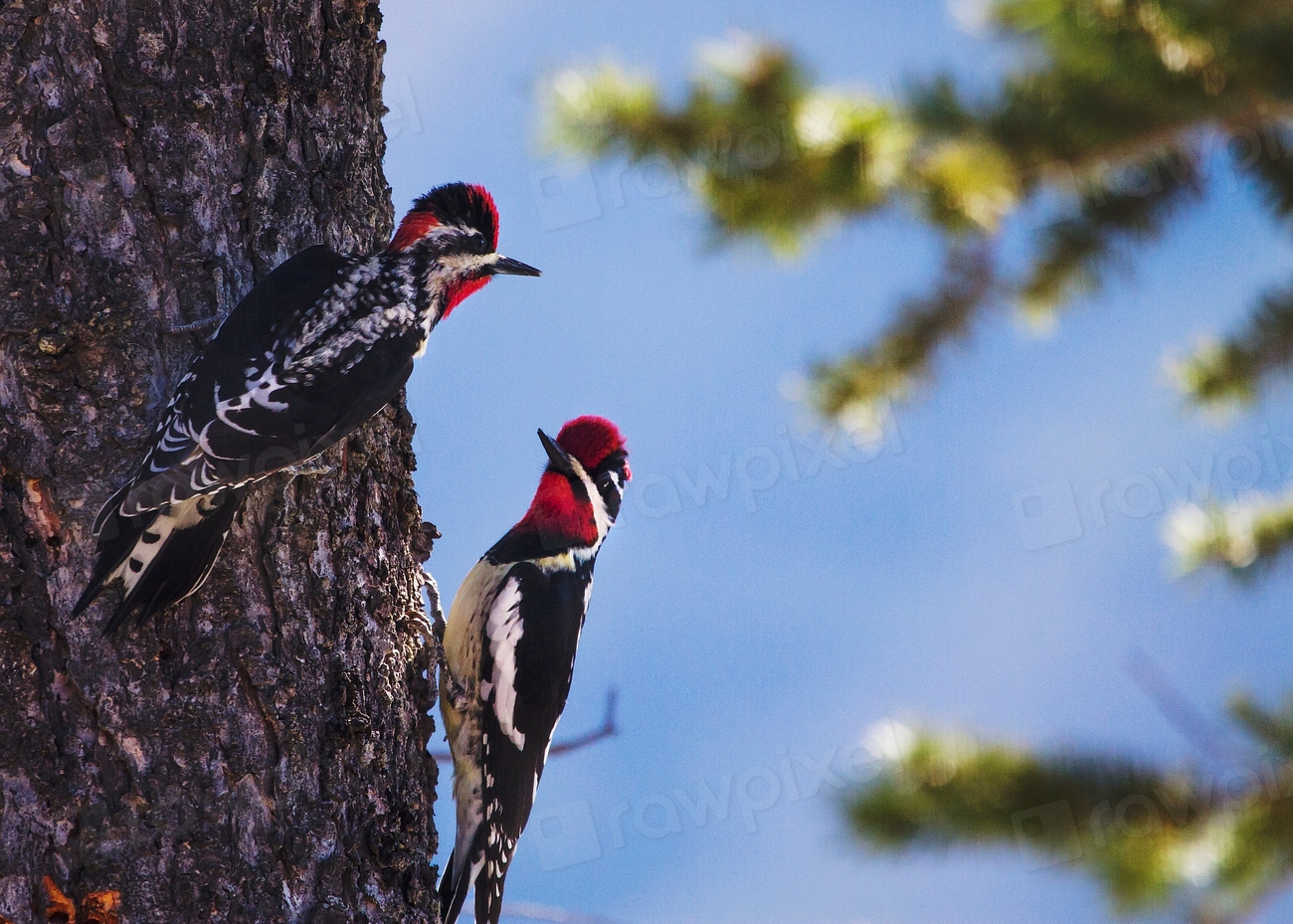

Those orderly perforations are the calling card of the sapsucker, a specialized type of woodpecker with a method so precise it genuinely looks deliberate. Understanding what’s happening on your tree’s bark, and why, changes how you see the whole thing.
The Bird Behind the Holes
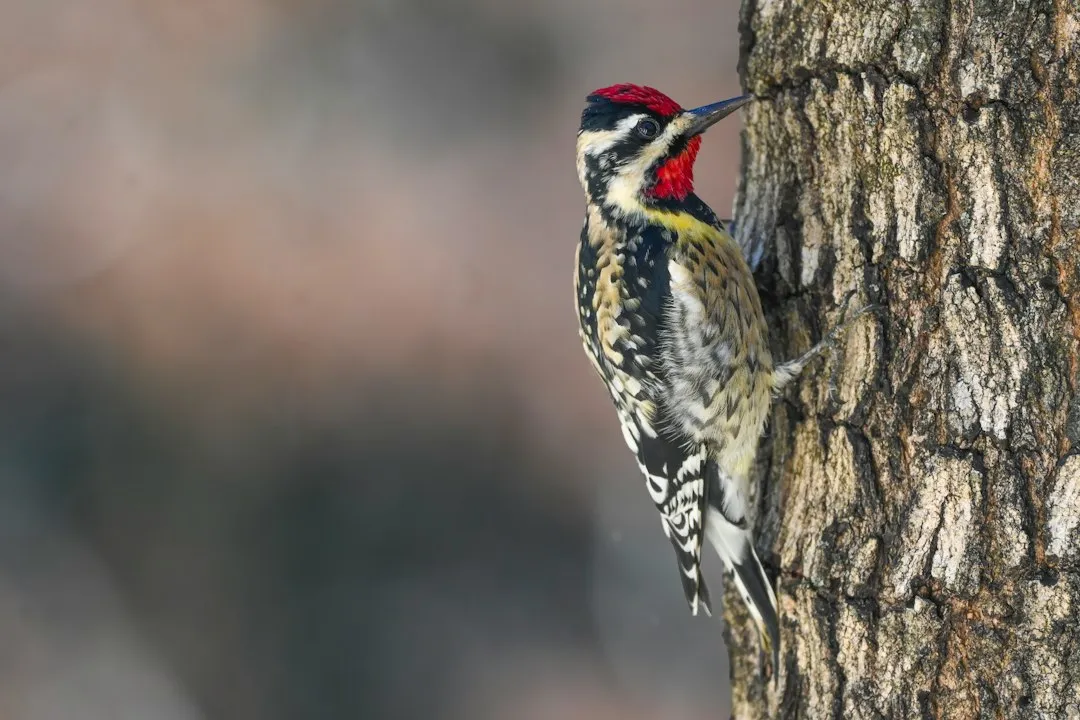
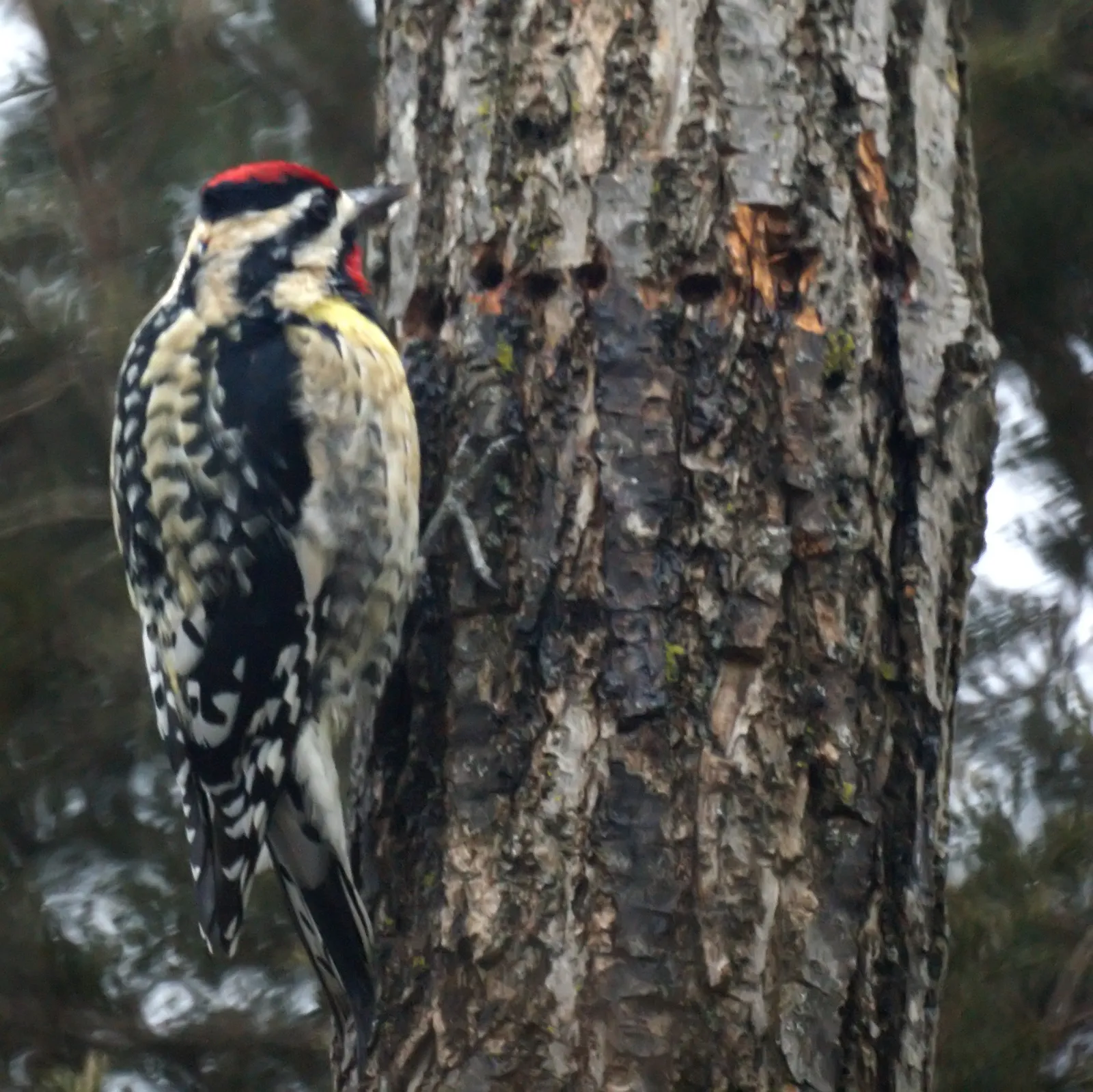
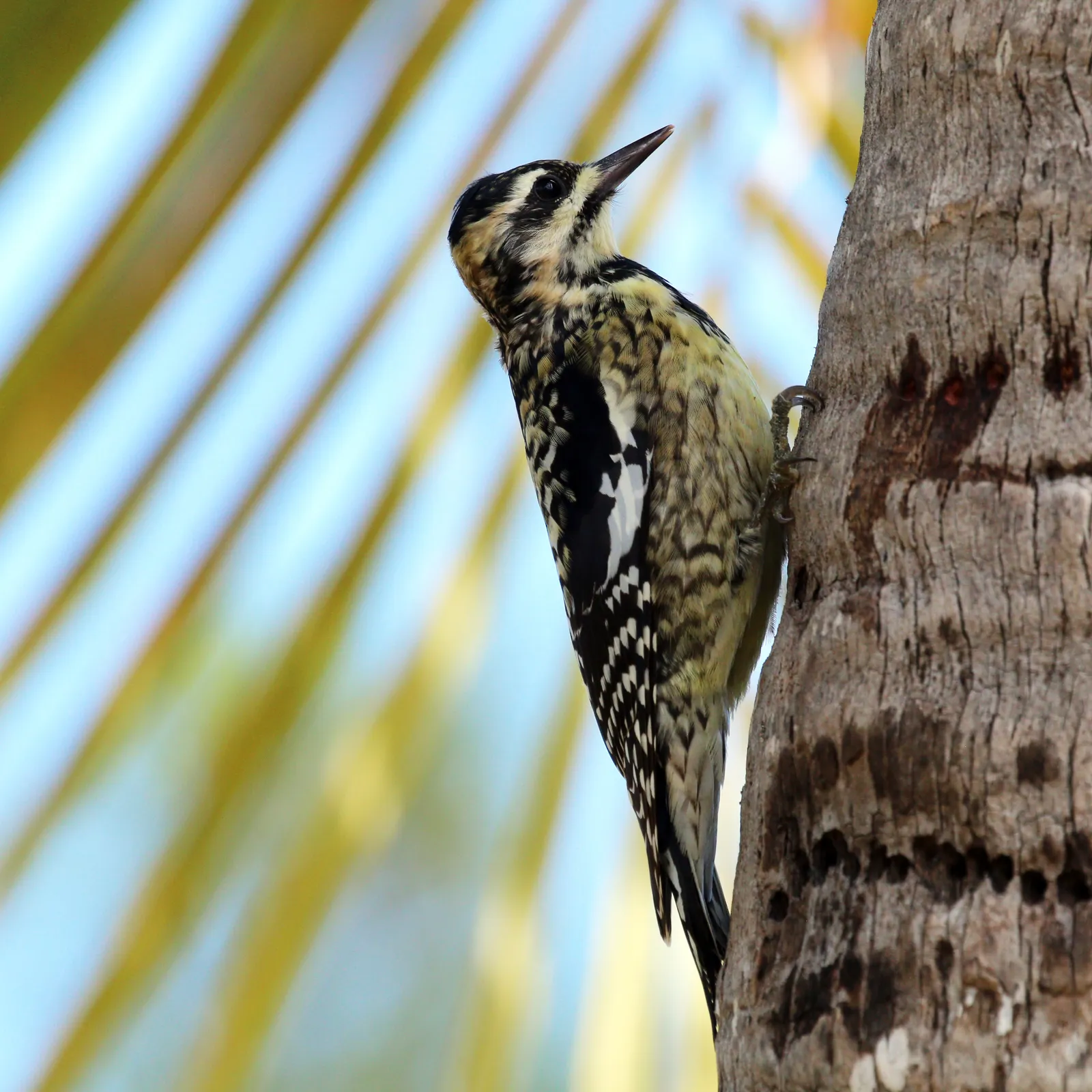
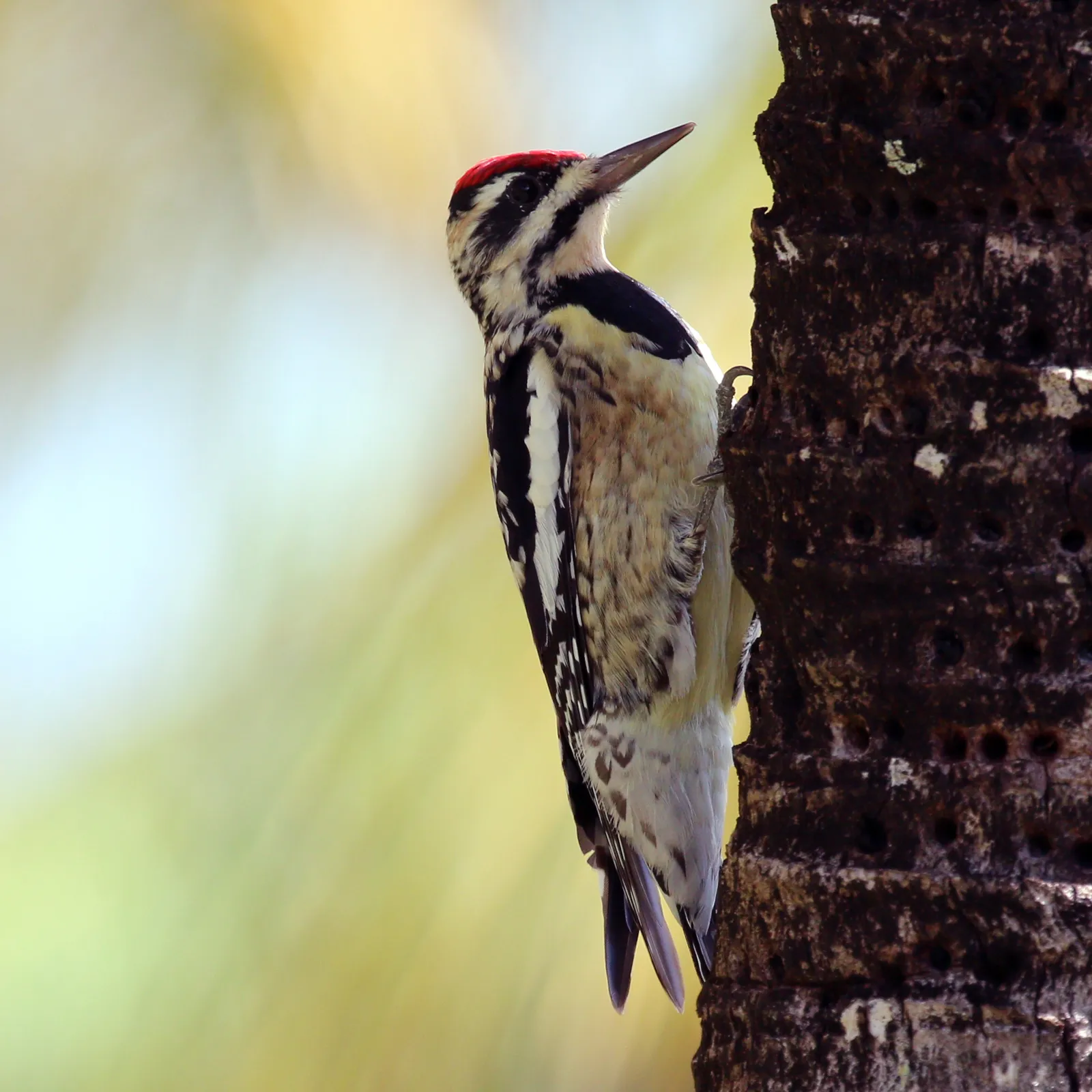
Small holes arranged in neat, uniform rows and columns on the trunks of trees or woody shrubs are usually caused by sapsuckers, a type of woodpecker, rather than insects. There are four sapsucker species in North America, but the yellow-bellied sapsucker is black and white with a red cap and throat patch in males.
The yellow-bellied sapsucker, Sphyrapicus varius, is the only member of the woodpecker family that pecks a series of horizontal quarter-inch holes in the bark of trees. It drills tiny holes in tree bark, usually in neatly spaced rows, and then returns to them periodically to feed on the sap that oozes out.
What a Sap Well Actually Is
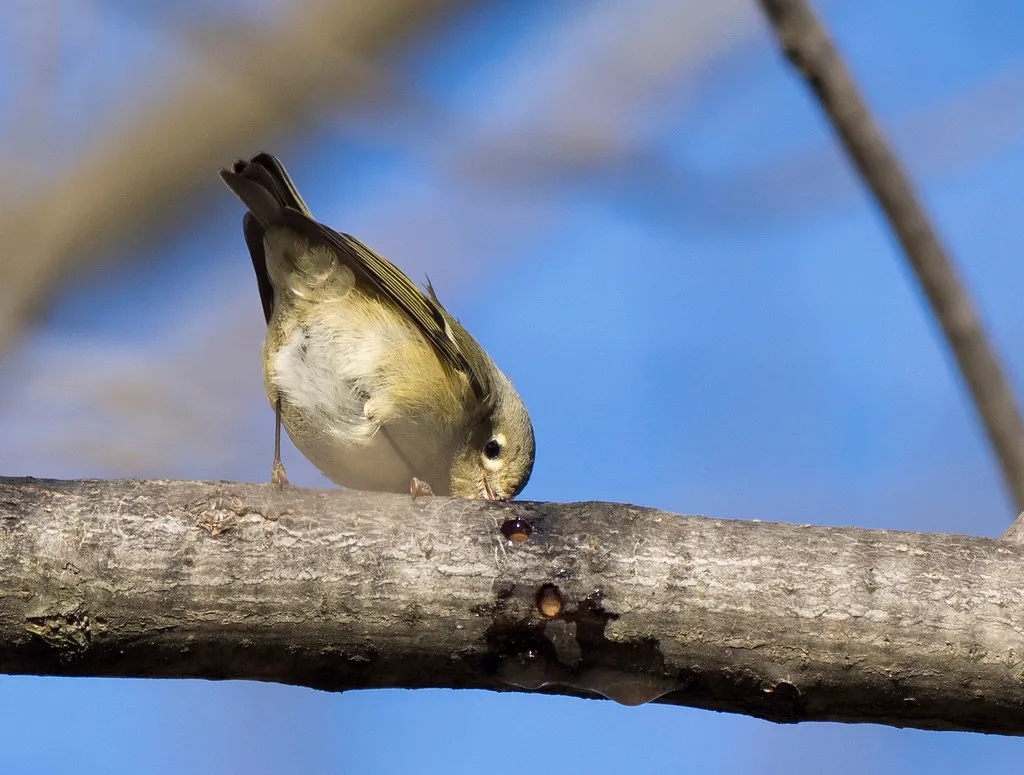
Sapsucker sap wells are very distinctive and easy to identify. They consist of neatly arranged horizontal rows of shallow holes in tree bark, usually around the trunk of a tree. The sapsucker drills two kinds of holes for sap wells. The first is a round hole that extends deep into the tree, used to probe for sap. The second type is a shallow rectangular hole that is tapped regularly to allow for a continuous flow of sap.
The reason the woodpeckers can keep the sap flowing is that they tap into a tree’s natural response to bleed sap whenever its bark is punctured – it’s a way to seal off the hole to prevent pathogens and infection from entering the wound. The bird essentially exploits the tree’s own healing instinct, keeping the wound fresh so the sap keeps running.
How the Drilling Pattern Builds Over Time
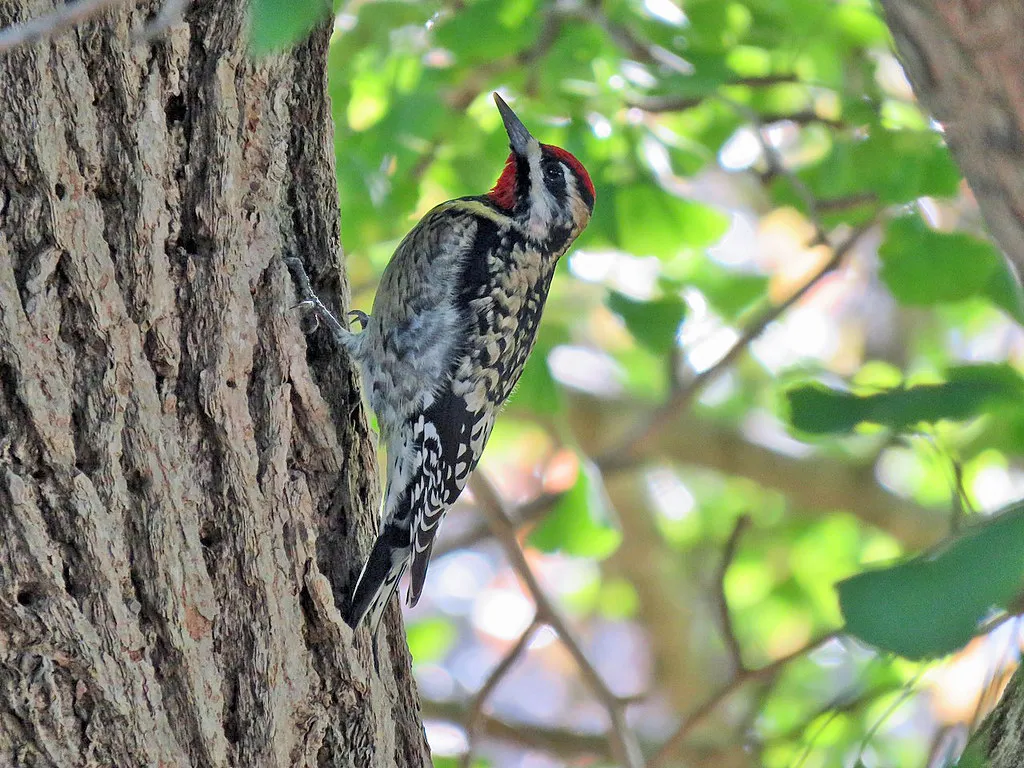
The bird uses its chisel-like beak to drill a dozen or so small holes, less than half an inch apart, in a horizontal line, then comes back over and over to lick up the sap that leaks out. When the flow starts to falter, usually after a few days, the bird makes a second row of holes just above the first, then a third row above the second, and so on. A rectangular pattern of neatly spaced holes in tree bark is a sure sign that a sapsucker is at work.
In spring, the holes are narrow and deep, going all the way to the inner part of the trunk, to get to the sap as it moves upward toward the leaves. After the tree is leafy, the sapsucker drills more shallow, rectangular holes. The season actually shapes the architecture of the damage.
Why People Confuse It With Insect Damage
Sapsucker damage is easy to identify once you know what to look for. The holes are approximately a quarter inch in diameter, drilled in horizontal and vertical rows creating a grid-like pattern. This is often mistaken for insect damage such as borers or beetles, however insects produce fewer, smaller holes which are more randomly distributed, with visible frass on the ground under the tree.
An individual sap well may resemble an emergence hole of a wood boring beetle, in that it is round and about the diameter of a pencil, but lines of evenly spaced holes are a sure sign of sapsucker feeding. Sapsuckers sometimes make shallow square or rectangular holes, which are less likely to be mistaken for insect damage. Once you know the difference, it becomes almost obvious.
Which Trees Are Most at Risk
Sapsuckers have been documented to drill sap wells in more than a thousand species of trees, though they show a preference for maple, birch, and fruit trees. More than 250 species of woody plants are known to be attacked, with pecan, maple, and hemlock being preferred species, although Scots pine, elm, and apple are readily used as well.
Sick or dying trees are also targeted by sapsuckers, as well as tree species with high sugar concentrations in their sap. These birds will feed on both hardwoods and conifers, but prefer a tree with thin bark. If you have a paper birch or a young sugar maple in your yard, it’s worth keeping an eye on it.
How Much Damage Can They Actually Do
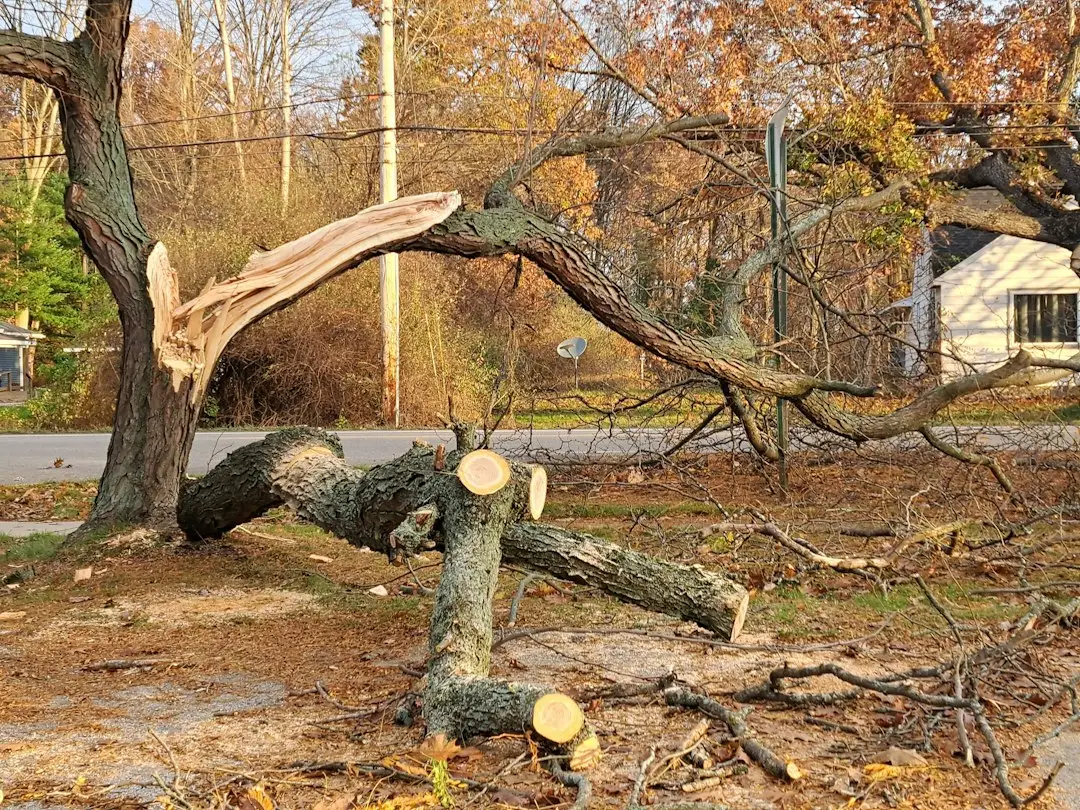
Most trees are surprisingly tolerant of repeated sapsucker feeding, suffering little long-term adverse effects to growth and vigor, but excess sap flowing down the trunk can cause trunks to be black and unsightly with sooty mold, and unusually heavy, repeated feeding can adversely affect tree vigor and even cause mortality.
Over time, as the number and size of holes increase, the damage can lead to girdling of branch limbs or even the trunk. Thinner barked trees, like birch and maple, may be more susceptible to girdling and dieback due to sapsucker damage. The tree should recover from minor damage, but excessive numbers of holes can allow entry of insects and decay fungi that can cause secondary damage. Stress from intensive feeding can lead to cambium girdling, decline in tree health, and eventual death of the tree.
The Returning Visitor Problem
Sapsuckers often have preferred host species, and you will frequently find them returning to the same tree they have already drilled holes in from a previous season, to increase their size and generate fresh sap. Sapsuckers frequently return to feed on favorite trees in successive breeding seasons until the trees are killed.
In early spring, sapsuckers may test many trees around their selected nesting site by pecking sample holes before selecting the ones they prefer. These trees, because of the quantity or sugar content of the sap, are visited several times a day for the rest of the season and are sometimes used as a food source for several years. It’s loyalty, in a sense, just not the kind a tree owner wants.
A Surprising Ecological Benefit
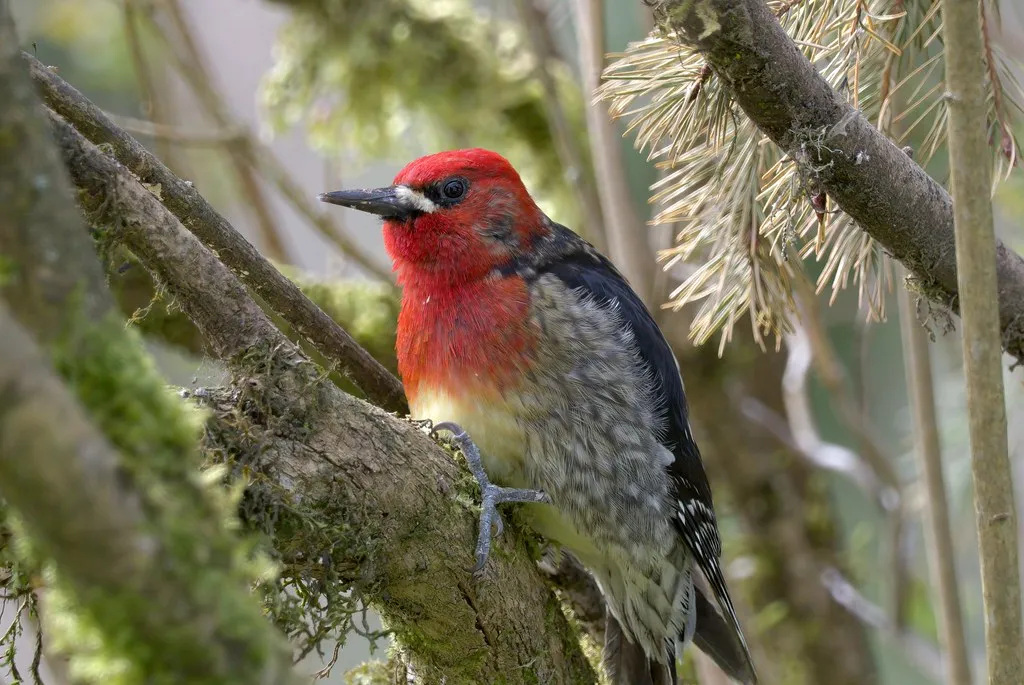
Sapsucker sap wells are nature’s soda fountains for about three dozen different species of birds, including other woodpeckers, yellow-rumped warblers, Cape May warblers, eastern phoebes, ruby-crowned kinglets, nuthatches, and chickadees. The sap also nourishes a host of mammals and insects, including squirrels, bats, porcupines, and insects from at least 20 different families, such as bees, wasps, hornets, and moths.
Ruby-throated hummingbirds time their spring migration in some regions of Canada to the arrival of sapsuckers, because of their reliance on the sap from the sap wells. Invertebrates from 13 families within three orders were observed feeding from sap wells. Flying insects such as butterflies, dipterans, moths, and wasps were commonly observed feeding on fresh sap. A 2025 study published in Ecology and Evolution confirmed the sap well’s status as a keystone nutritional resource across multiple wildlife communities.
What You Can Do to Protect Your Tree
Management recommendations are typically designed to inconvenience or scare the birds away from trees, including using sticky repellants, mylar flashing tape, aluminum foil strips, and predatory bird mimics. One of the most practical means of control is to loosely wrap trunks of sapsucker-favored trees with bird netting or burlap during the heavy migration period. It is important to limit the time such wraps are in place and remove them promptly after the birds pass through, or your control efforts may end up causing more damage than the sapsuckers.
Because sapsuckers are migratory songbirds, lethal methods of control are not allowed without a special permit. Keeping trees that are regularly damaged by sapsuckers properly watered and fertilized will help speed recovery and maintain tree vigor.
When to Simply Leave It Alone
Typically, if the damage is limited and minor, the tree will recover and vigor is not significantly affected, but repeat injury to a specific location on a given tree can predispose the tree to infestation by insects or infection by decay fungi. Sapsucker damage may look worrisome, but these birds do not typically severely damage healthy trees. Research shows that yellow-bellied sapsuckers generally do not have major impacts on forest health.
Studies show that ten or fewer sap wells per one hundred square centimeters have minimal effects. The scale of damage matters enormously. A dozen tidy rows on an otherwise vigorous maple is very different from a trunk that has been riddled season after season with no chance to recover. Context, as with most things in nature, is everything.
The Bigger Picture
Those neat rows of holes are easy to read as damage, and sometimes they are. More often, they’re evidence of a bird carrying out a remarkably efficient feeding strategy that has supported entire communities of wildlife long before suburban yards existed. The sapsucker is, in a real sense, a keystone species in its habitat.
If your tree is healthy and the drilling is modest, the best response is probably patience and observation. Watch the holes. You might notice a hummingbird arrive shortly after the sapsucker leaves. What looked like a problem turns out to be, at least in part, a small working ecosystem drilled right into the bark of your backyard tree.
AI Disclaimer: This article was created with the assistance of AI tools and reviewed by a human editor.