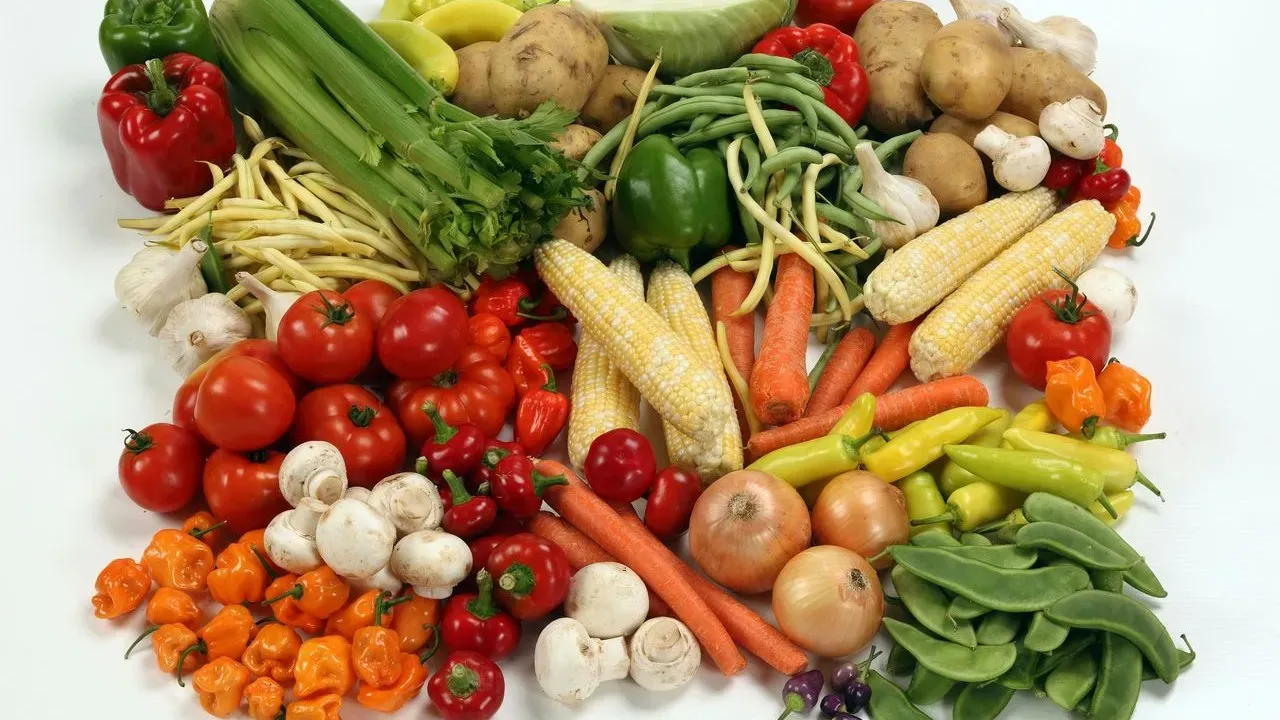

As the first hard frost approaches in many regions this October, home gardeners face a familiar choice: accept the end of the season or shift to crops that not only survive the cold but often improve because of it. Relying solely on spring plantings leaves beds empty once temperatures drop, yet certain vegetables continue to deliver harvests through late fall and into winter. The key lies in selecting varieties that tolerate freezing conditions and, in several cases, develop noticeably better flavor after exposure to frost. ([1])
The practical payoff for fall planning
Gardeners who plant with frost in mind gain weeks or months of additional produce without extra greenhouse space or indoor setups. The change in routine begins with recognizing that cold does not automatically destroy every plant. Instead, it triggers natural processes in some crops that convert starches into sugars, resulting in sweeter leaves, roots, and buds. This effect is well documented for a handful of common vegetables and gives growers a tangible reason to keep beds active rather than clearing them at the first sign of chill.
Timing matters. Seeds or transplants started in midsummer reach maturity just as cooler weather arrives, aligning the harvest window with the period when flavor peaks. Those who wait until after the first frost to decide often miss the window for establishment. Early decisions about space and variety therefore determine whether the garden remains productive or sits idle.
How frost changes flavor in specific crops
Kale stands out as one of the clearest examples. Leaves that might taste bitter in summer heat become milder and sweeter once nights turn cold. The same pattern holds for carrots, whose roots concentrate sugars under frost stress, and Brussels sprouts, whose tight heads develop a richer, less cabbage-like taste after repeated freezes. These changes are not marketing claims but observable results reported by growers who leave the plants in the ground rather than rushing to harvest everything beforehand.
The improvement is not universal. Most tender summer crops suffer damage or death at the first freeze, which is why selective planting matters. Focusing on the crops that respond positively allows gardeners to maintain output without fighting the weather. The result is a steadier supply of fresh vegetables at a time when store prices often rise and quality can decline.
Extending the season beyond spring habits
Traditional spring planting schedules leave little room for these later-maturing options. Shifting even a portion of the garden to frost-tolerant varieties changes the calendar. Carrots sown in July or early August, for instance, can remain in the ground under mulch or row cover through December in many climates. Kale and Brussels sprouts started earlier in the season continue to produce side shoots and sprouts long after other plants have been removed.
Protection remains minimal for the hardiest selections. A simple layer of straw or a low tunnel often suffices to extend usability further. The goal is not to replicate summer conditions but to shield against the harshest swings while letting the natural sweetening process occur. Gardeners who adopt this approach report fewer gaps in their harvest and a greater sense of continuity from one season to the next.
Looking ahead for consistent results
The shift requires modest adjustments in timing and variety selection rather than wholesale changes to garden layout. Those who experiment this fall often carry the practice forward, treating the first frost as a signal to begin the second half of the year’s production rather than its end. The outcome is a longer period of home-grown vegetables and a clearer understanding of how local climate patterns can work in the gardener’s favor when the right crops are in place.
AI Disclaimer: This article was created with the assistance of AI tools and reviewed by a human editor.