
The Habit That Won’t Go Away
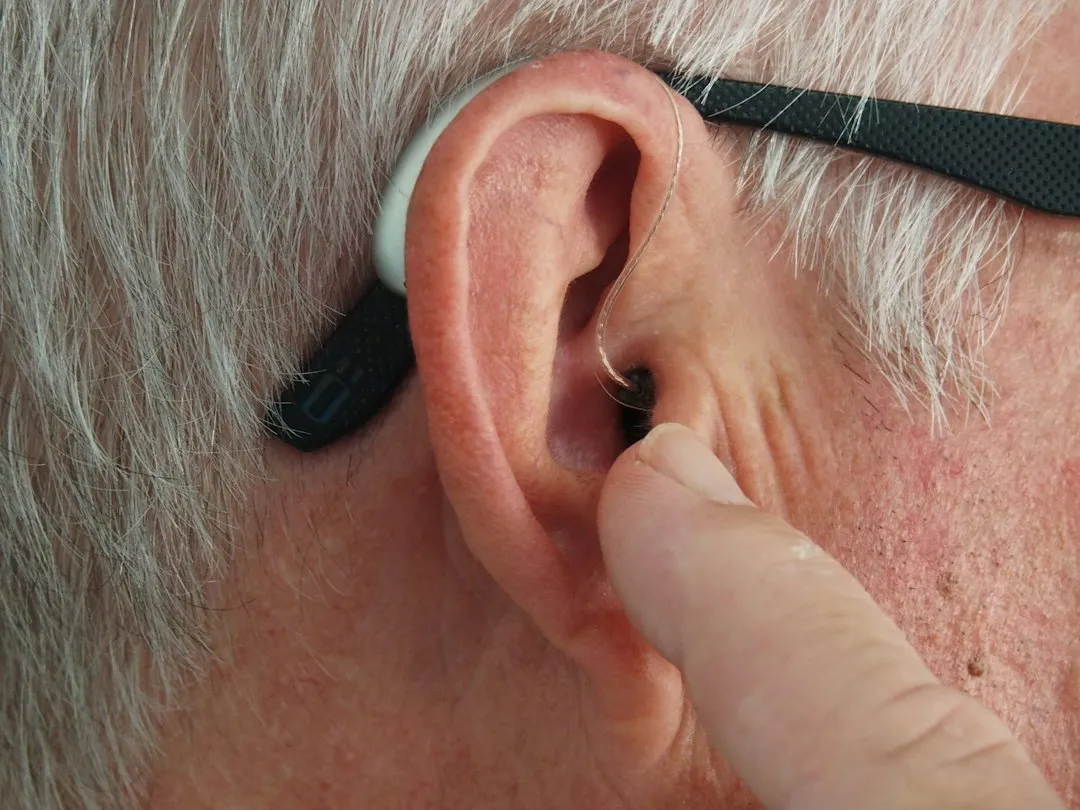
The use of cotton swabs for ear cleaning is a widespread practice, often perceived as a convenient and effective method to remove earwax. The persistence of this habit is striking, especially given how clearly medical professionals have warned against it for decades. Cotton swab manufacturers even place warning labels on their products, typically reading, “Do not insert swab into ear canal.”
A survey study conducted in patients from an otolaryngologist’s office showed roughly half of people used cotton swabs to clean their ears, and between fifteen and twenty percent of respondents disagreed that cotton swabs can cause complications. In other words, even when people are sitting in an ear specialist’s waiting room, they still don’t believe the habit is risky. That’s a significant gap between what doctors know and what the public accepts.
Your Ears Already Know How to Clean Themselves
Earwax, known medically as cerumen, is a mixture of dead skin cells along with fatty acid and cholesterol glandular secretions that trap dust, particles, and other debris before they can reach the eardrum. In doing so, it protects the ears from trauma and infection. The ear is self-cleaning, with cerumen moving like a conveyor belt, carrying debris outward toward the ear opening where it flakes off naturally.
This outward migration happens because the skin of the ear canal grows in a specific direction, from the eardrum toward the ear opening. Wax moves gradually to the ear opening, where it dries and falls out without any intervention. Jaw movements, such as chewing and talking, actively assist this process by shifting the walls of the canal and nudging wax along.
Earwax is not dirt. Cerumen contains antimicrobial properties that protect the canal from bacteria, fungi, and foreign bodies. Treating it like something to urgently scrub away is where people go wrong.
What Actually Happens When You Insert a Cotton Swab
Rather than removing earwax, cotton swabs often push it deeper into the ear canal. This can lead to a buildup of impacted wax, causing discomfort, pain, and even hearing loss. Impacted earwax can also create an environment for infections to develop.
Many people use cotton swabs to remove visible wax in the ears, but what often happens is that this actually pushes the earwax further into the ear canal. The result is an earwax plug in the ear canal, which reduces hearing. In the worst case, you can even push through the eardrum with a cotton swab.
The Emergency Room Numbers Are Hard to Ignore

Over a twenty-one-year study period, an estimated 263,000 patients under age 18 were treated in emergency departments for cotton swab-related ear injuries, including ear blockage, pain, and bleeding. More than three quarters of those injuries occurred while children used cotton-tip applicators themselves.
A study published in the journal Pediatrics looked at pediatric ER visits over twenty years and found at least 35 emergency room visits a day for injuries related to the use of cotton-tipped swabs in the ears. Most of these injuries were in children under 8 years old.
The most common injuries recorded were foreign body sensation, perforated eardrum, and soft-tissue injury. These aren’t trivial inconveniences. Some carry consequences that last a lifetime.
The Risk of a Perforated Eardrum
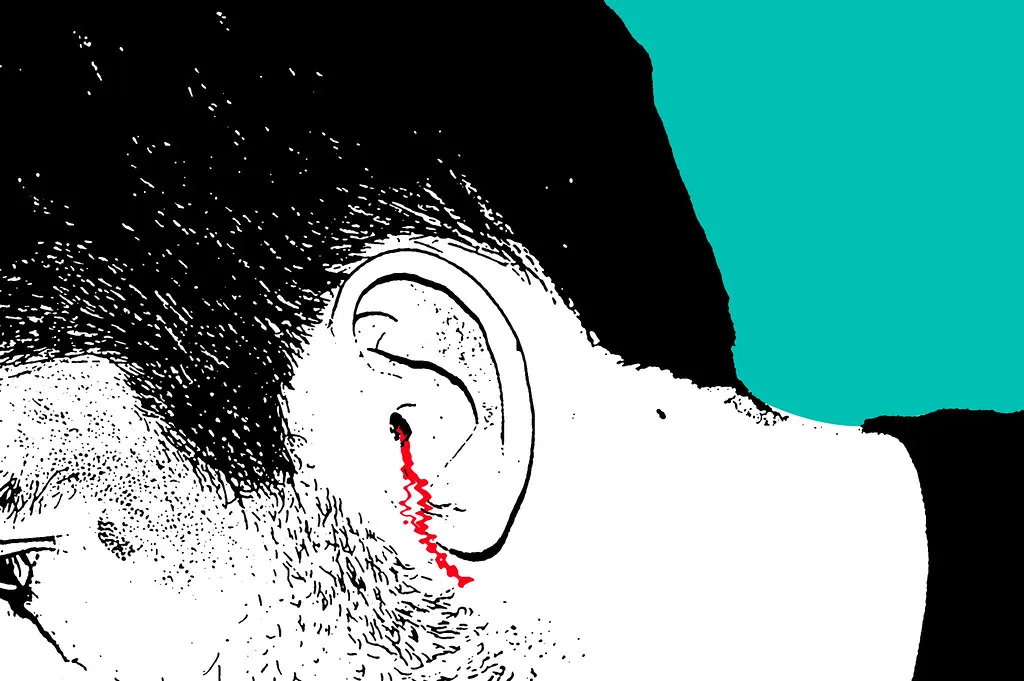
The use of cotton swabs can lead to accidental injuries to the ear canal or eardrum. Inserting the swab too far can cause scratches, abrasions, or even puncture the eardrum, which can result in pain, bleeding, hearing loss, and potential infection. Even partial insertion of the swab into the ear canal can lead to injury if there is unexpected motion of the hand or arm that pushes the swab too close to the eardrum.
Pushing a cotton swab too deep into the ear canal could lead to a perforated eardrum. Penetrating injuries linked to ear cleaning with cotton swabs are responsible for nearly half of all ruptured eardrums. That’s a statistic that puts the habit into a much sharper perspective.
If the eardrum were to become perforated, a consequence would be long-term conductive hearing loss as well as an increased risk of middle ear pathologies or infections.
It Can Actually Make Wax Buildup Worse
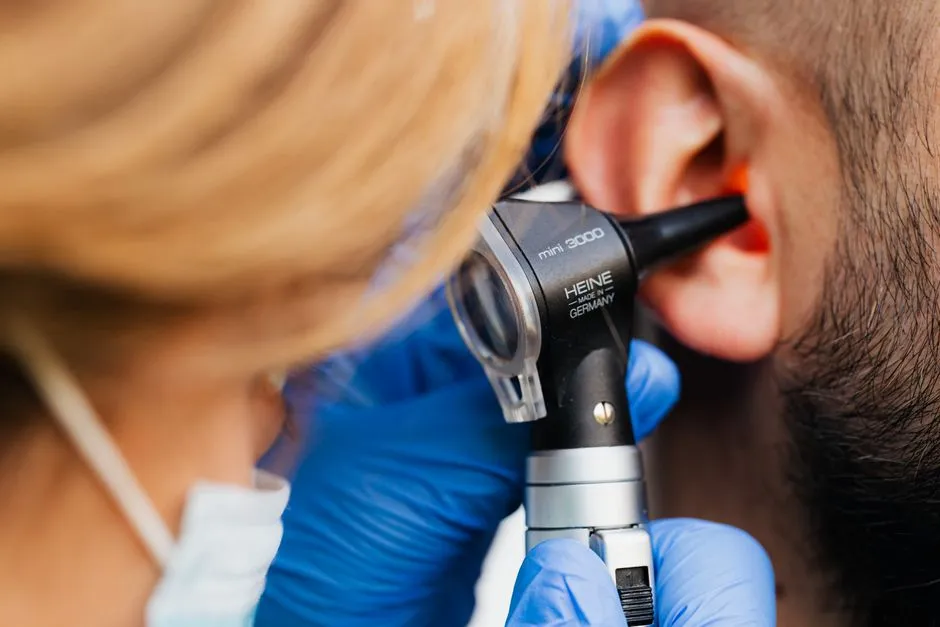
Many people use cotton swabs to clean their ears, but research shows that cotton swabs can actually cause more earwax production. This is because cotton swabs stimulate the tiny hairs inside the ear canal. When stimulated, these hairs send messages to the glands inside the ear canal to make more earwax.
By frequently removing earwax, you can disrupt the ear’s natural cleaning process. This can lead to the overproduction of earwax as the ear attempts to compensate, resulting in a cycle of buildup and removal that can further increase the risk of impaction and infection. It’s a loop that feels productive but does the opposite.
Infections Are a Real and Common Consequence
Cotton swabs can introduce bacteria or fungi into the ear canal, increasing the likelihood of developing infections. The moist and warm environment of the ear canal, combined with the introduction of foreign microorganisms, can lead to painful ear infections, such as otitis externa.
Participants in recent survey studies primarily used cotton swabs to remove earwax, which reflected the common belief that cerumen is dirty. However, it is often not known that cerumen acts as a lubricant and barrier, and attempts to remove it can disrupt the epithelium and promote infection.
How Many People Experience Complications
In a 2025 survey study, nearly a third of cotton swab users reported at least one complication. Ear pain or discomfort was reported by roughly one in five participants, worsened earwax blockage by about one in ten, and hearing loss or muffled hearing by nearly one in ten as well.
Despite the widespread use of cotton swabs, roughly seven in ten participants in a 2024 cross-sectional study acknowledged the associated risks, including earwax buildup, infections, and eardrum perforation. However, only about three in five had received any prior health education about these risks. Awareness alone, it seems, isn’t enough to change behavior.
When asked how a complication affected their behavior, a notable portion of affected users reduced their use or stopped completely, but a meaningful share reported no change in the habit at all.
What ENT Doctors and Medical Bodies Actually Recommend
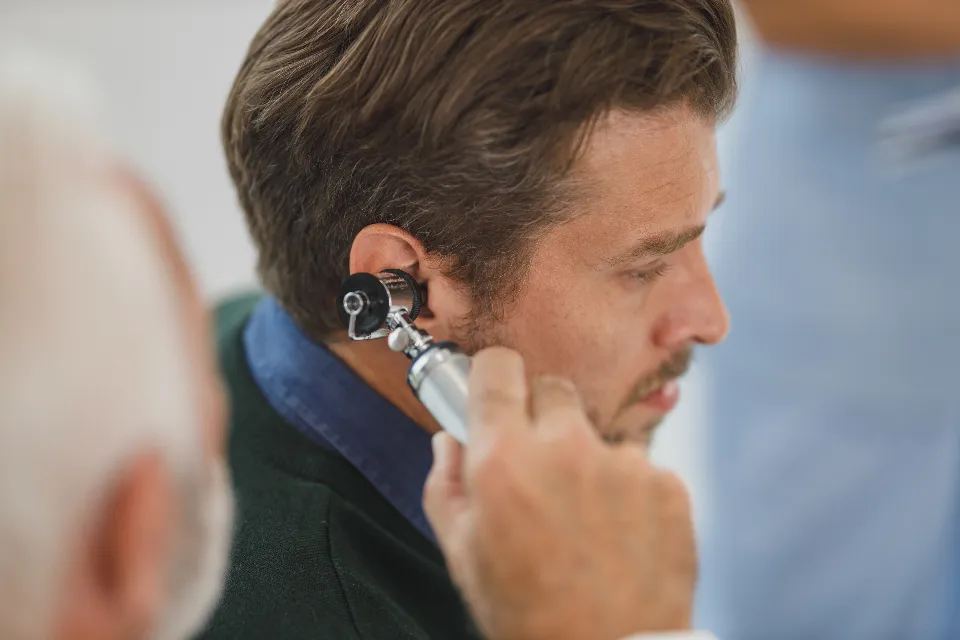
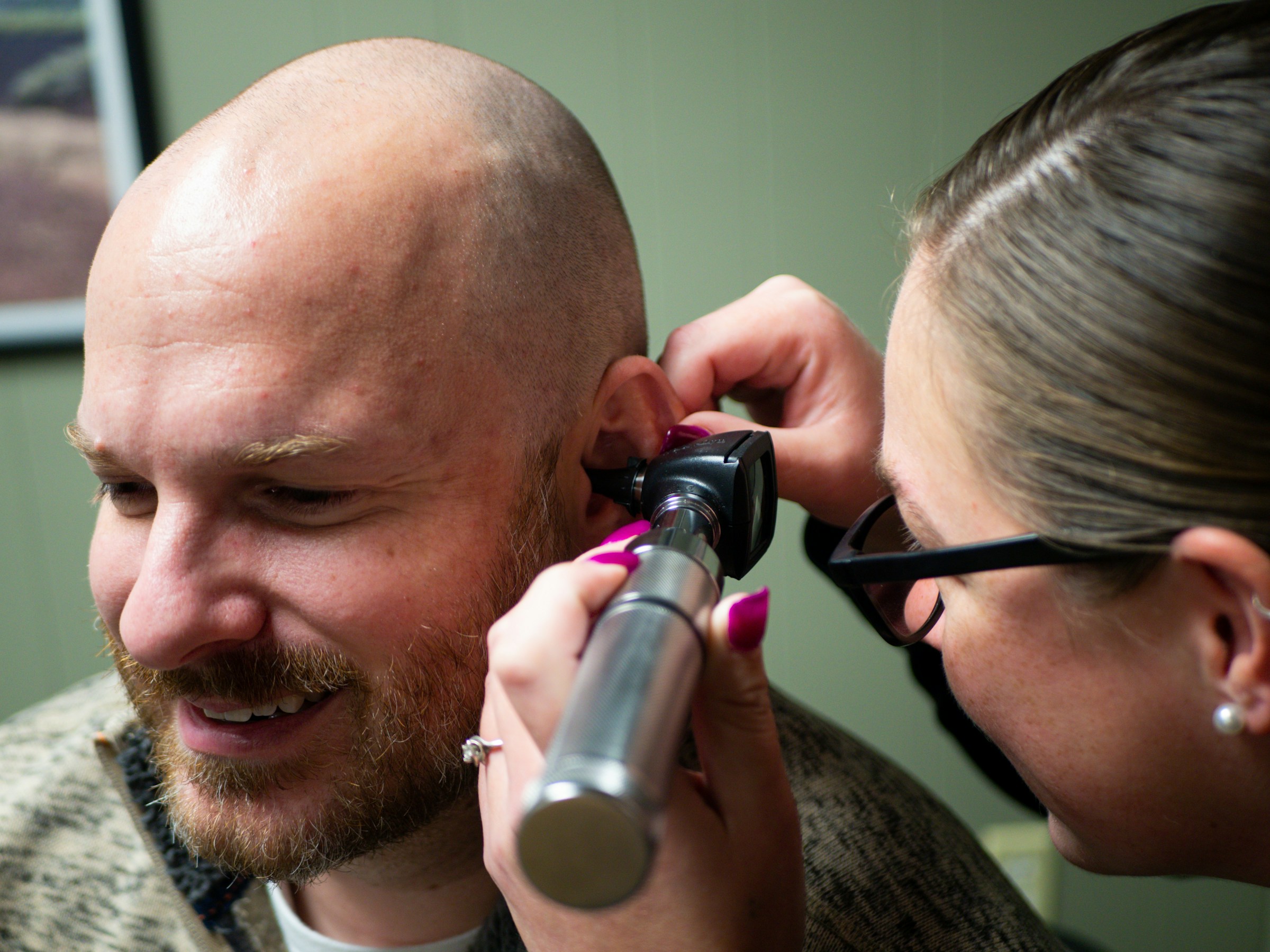
For most people, routine ear cleaning or home removal of cerumen is unnecessary and can be harmful. Attempts to remove wax at home often push it deeper into the canal, increasing the risk of impaction or injury.
The American Academy of Family Physicians recommends against using cotton swabs or any objects in the ear canal, as these can lead to abrasions, infection, or even a ruptured eardrum. That’s not a cautious advisory at the margins. That’s a clear, categorical statement from a major medical authority.
Clinical guidelines from Healthcare Improvement Scotland and the Care Quality Commission are equally clear: inserting objects into the ear canal is the single most common cause of impaction.
Safe Alternatives That Actually Work

The ear is naturally designed to remove its own earwax and clean itself. All that’s needed for most people is regular showering and cleaning the outer ear with a cloth.
If you have a history of earwax impaction and have tried usual home remedies with no success, checking in with your doctor is the right move. A medical team can flush out the earwax with a syringe that has a tiny catheter at the end along with warm water or saline. This is a low-risk procedure that usually produces good results.
When wax does build up and causes symptoms, safe options range from cerumenolytic drops at home to professional procedures such as microsuction, irrigation, and manual instrumentation performed by trained clinicians. These options exist specifically for the cases where the ear can’t manage on its own.
The Takeaway
The cotton swab habit is one of those rare cases where something that feels responsible is actually doing quiet harm. The ears don’t need daily intervention. They’re designed by biology to handle their own upkeep, and the medical consensus on this hasn’t wavered in years.
If you feel an itch, a sense of fullness, or muffled hearing, that’s the moment to see a professional, not reach for a swab. The key distinction is straightforward: only the outer ear should be cleaned physically. The ear canal itself should be left alone unless a trained clinician is involved.
Giving up the swab takes about ten seconds of willpower. The alternative, an avoidable trip to an ENT clinic or emergency room, takes considerably longer.
AI Disclaimer: This article was created with the assistance of AI tools and reviewed by a human editor.