

Every November, something predictable happens on both sides of the shopping frenzy. Consumers open their wallets, and scammers open their toolkits. The Federal Trade Commission estimates consumers lost more than $12.5 billion to fraud in 2024, a 25% increase from 2023, and roughly four in five Americans say cybercrime intensifies during the holidays. That’s not a small problem hiding in the background. It’s a sprawling, coordinated industry that runs on your distraction, your generosity, and your eagerness to find a good deal.
Holiday deals are designed to encourage quick decision-making, and according to the 2024 Holiday Shopping Behavior Survey, roughly six in ten Americans say they buy immediately when they see a holiday deal, while more than a third admit they take more risks this time of year. That combination is exactly what criminals are counting on. Here are eight scams that reliably surge every holiday season, and what you need to know to stay ahead of them.
1. Fake Online Stores With Prices That Seem Too Good to Be True

Scammers are building incredibly convincing fake storefronts advertising 60 to 90 percent discounts on premium brands. These sites look legitimate, but they exist solely to harvest your credit card data or simply take your money and deliver nothing. These aren’t clumsy, obvious knockoffs anymore. Threat actors now create entire e-commerce stores offering fake holiday deals, and some include AI-driven chat assistants to simulate real customer service.
In 2024 alone, consumers lost over $430 million to online purchase scams, representing nearly 15 percent of all fraud reported to the FTC, with text-based and social media shopping scams growing roughly 50 percent year-over-year. The red flag to watch for is a URL that mimics a real retailer but is off by a letter or two. These “too good to be true” deals often lead to clone websites, near-perfect copies of legitimate retailers, with web addresses that differ by just a letter or two. Always go directly to a retailer’s website rather than clicking through an ad.
2. Fake Delivery Notification Scams (Smishing)

Malicious postal service websites surged by 86 percent over a single month during the 2025 holiday season, with cybercriminals capitalizing on the seasonal spike in online shopping by sending convincing messages that appear to come from legitimate delivery companies. The fake alerts typically arrive via text message or email and include links designed to steal personal or financial information.
Fake USPS-related sites skyrocketed by 850 percent in a single month, according to NordVPN’s analysis. The messages typically claim your package is on hold or couldn’t be delivered and ask you to click a link to fix it. Sometimes these scammers create a sense of urgency by saying if you don’t respond right away, they’ll return your package to the sender, and the supposed fix requires clicking on a link. The FTC advises: if you weren’t expecting a delivery notification, don’t click anything.
3. Gift Card Scams and Tampered Cards
Gift cards are a go-to gift during the holidays, which also makes them a favorite target for scammers. In just the third quarter of 2024, Americans lost over $54 million to gift card fraud. Some thieves tamper with cards in stores and drain the balance once they’re activated, while others pose as friends, relatives, or even “customer support” asking for gift cards to fix a problem or claim a prize.
The FTC Consumer Sentinel Report recorded that more than a quarter of holiday fraud payments were made through gift cards, and unlike credit cards and bank transfers, gift cards create instant, irreversible value transfer. The FBI and FTC repeat a simple rule: gift cards are for gifts, not for payments. No legitimate business, utility company, or government agency will ever request payment via gift card. If someone is demanding gift cards as payment, it’s a scam. Full stop.
4. Phishing Emails Disguised as Holiday Deals
Over Black Friday 2024, global holiday-themed phishing attacks increased 327 percent. These aren’t random blasts anymore. Fraudsters are deploying advanced techniques such as AI-generated fake websites and realistic phishing emails to trick even the most careful consumers. An email might appear to come from a store you actually shop at, with branding, fonts, and formatting that look completely authentic.
Phishing attempts targeting U.S. retailers surged 620 percent in the weeks leading up to Black Friday 2025 compared to October. The advice from security experts is consistent: never click a deal link from an email. Instead, open a fresh browser tab and navigate to the retailer directly. The FBI recommends that consumers not click on suspicious-looking links or attachments in emails and not enter information on websites that don’t begin with https.
5. Fake Charity Scams During the Season of Giving
Scammers exploit holiday generosity with emotional stories and professional-looking donation pages, but instead of helping those in need, the money goes straight to criminals. The FTC reported that $434.4 million was lost from online shopping fraud in 2024, and about one in three Americans say they have experienced an online shopping scam, while the AARP found that about one in three Americans have also reported receiving a fraudulent charity donation request.
Thirty-five percent of survey respondents received a donation request in the past year that seemed fraudulent. Fake charities often use names that sound nearly identical to real organizations and tend to pressure donors to give immediately. Before donating to any organization you haven’t previously verified, look them up on Charity Navigator or GuideStar, and go directly to the charity’s official website rather than following a link in a message.
6. Social Media Giveaway and “You’ve Won” Scams
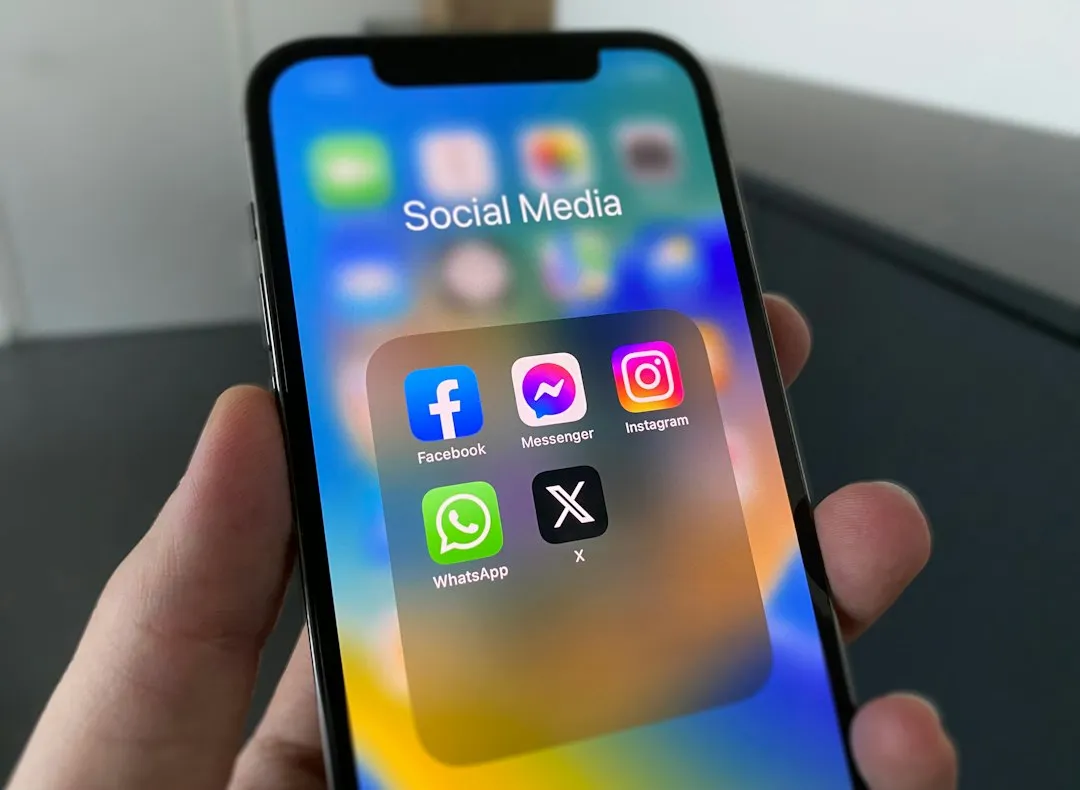
Fake giveaways flood Facebook, Instagram, and TikTok during the holidays, cloning brand pages and claiming victims have “won a Christmas prize,” then requesting a small “shipping fee.” That small fee is the entire point of the scam. Once you pay it, the “prize” never arrives and the page disappears. Fake ads on Instagram, TikTok, Facebook Marketplace, and local-buy groups are at an all-time high, particularly for hot holiday items.
More than two in five people have fallen victim to online shopping scams, and among those who were scammed during previous holiday seasons, 40 percent say they were scammed via social media rather than through more traditional online shopping outlets. A legitimate brand giveaway will never ask you to pay a fee to receive your winnings. If a brand page seems newly created, lacks verified badges, or has suspiciously few followers for a “major” promotion, treat it with serious skepticism.
7. Seasonal Job Scams Targeting Extra Income Seekers
During the holidays, temporary job scams surge as people look for extra income. Bad actors post fake listings or send texts and emails offering “quick cash” for simple tasks like gift wrapping, package handling, or mystery shopping, sometimes even pretending to represent well-known companies like UPS, FedEx, or Amazon. The job often turns out to require an upfront payment for “supplies” or “training,” and then the employer vanishes.
The FTC’s data spotlight highlighted a significant increase in the number of people reporting gamified job scams, also called “task scams,” which create the illusion of making money. These scams prey on people who genuinely need supplemental income during an expensive time of year. A useful rule: any job that asks you to pay money before you earn money is almost certainly not a real job.
8. Holiday Travel Scams and Fake Booking Sites
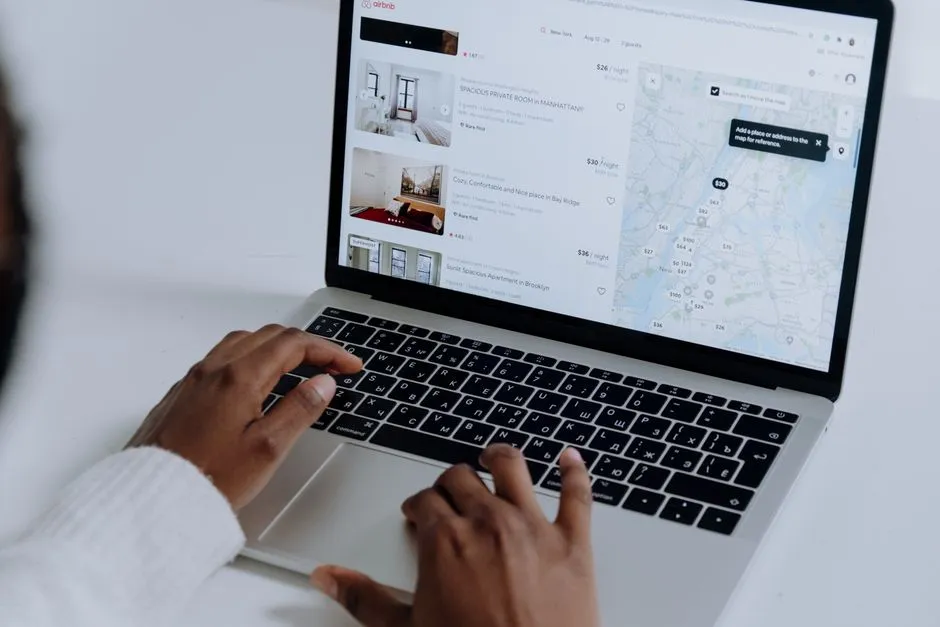
Holiday travel scams are on the rise, with nearly 58,000 complaints filed and over $270 million lost to travel-related scams in one recent year. Scammers send texts or emails advertising free flights or steep travel discounts that link to spoofed websites designed to steal your information, and others create fake rental listings that vanish once payment is made.
In 2024, the winter travel season saw fraud jump 28 percent, outpacing even the summer travel rush, according to the 2024 Fraud and Travel Trends Report. Fourteen percent of travelers experienced fraud when booking a trip. Always book through well-established platforms, verify that accommodation listings match the actual address on a map, and never wire money directly to a landlord or host you’ve only contacted online.
How to Protect Yourself: What the Evidence Consistently Shows
Federal agencies including the FTC, the FBI, the Cybersecurity and Infrastructure Security Agency, and the United States Postal Inspection Service have all issued warnings, describing a criminal ecosystem that targets the specific behaviors of holiday shoppers: urgency, generosity, and distraction. Slowing down for even a few seconds before clicking or paying is one of the most effective defenses available. Research shows that the likelihood of a fraudulent digital interaction being successful increases by 61 percent when the user is multitasking.
Pay with a credit card wherever possible, since it offers far more fraud protection than debit cards, wire transfers, or gift cards. The FBI recommends not entering information on websites that don’t start with https, and being wary of any deal or contact that doesn’t quite add up. If you do fall victim to a scam, the FTC accepts fraud reports at ReportFraud.ftc.gov, where the data enters the Consumer Sentinel Network, a database accessible to over 2,800 federal, state, and local law enforcement agencies. Reporting matters – both for your own case and for the broader pattern of fraud investigators work to disrupt.
The Takeaway
The holiday season brings genuine joy and genuine risk in equal measure. Scammers are not opportunists operating on instinct. They plan for November and December the way retailers do, with seasonal strategies, volume targets, and increasingly sophisticated tools. Online fraud attempts spiked across Thanksgiving weekend in 2024, and nearly one in three consumers reported falling victim to an online scam during that holiday stretch.
The best defense isn’t paranoia. It’s a few simple habits: go directly to websites rather than clicking links, verify charities before you donate, and remember that urgency in a message is usually a signal to slow down, not speed up. Scams thrive on the gap between the moment you feel excited and the moment you think clearly. Close that gap, and most of these schemes lose their power entirely.
AI Disclaimer: This article was created with the assistance of AI tools and reviewed by a human editor.