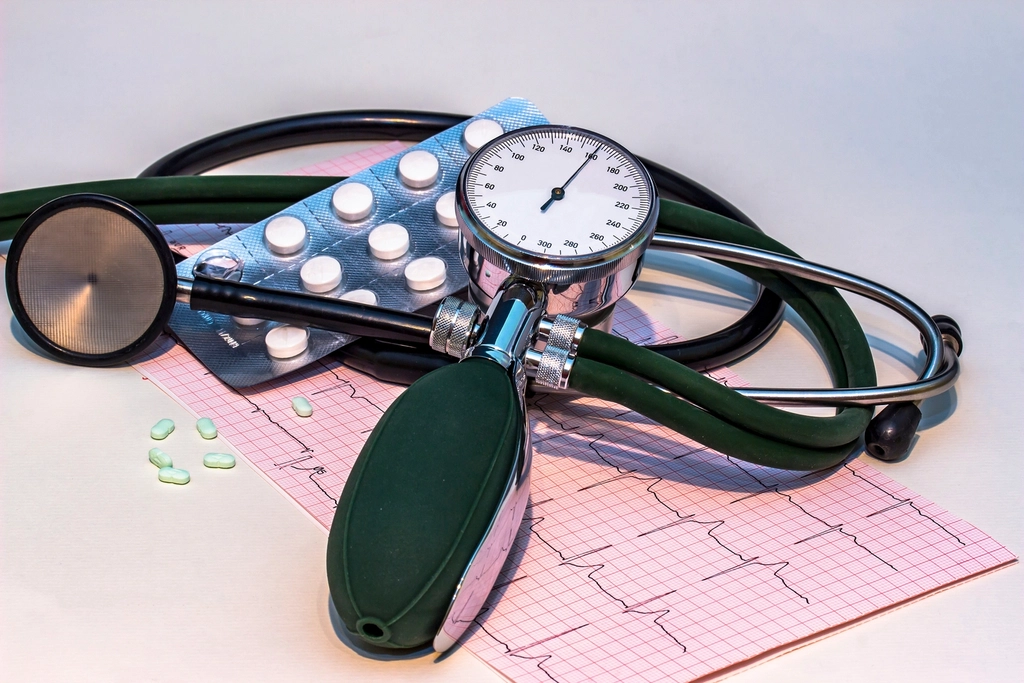

The Arm Position Problem That’s Hiding in Plain Sight
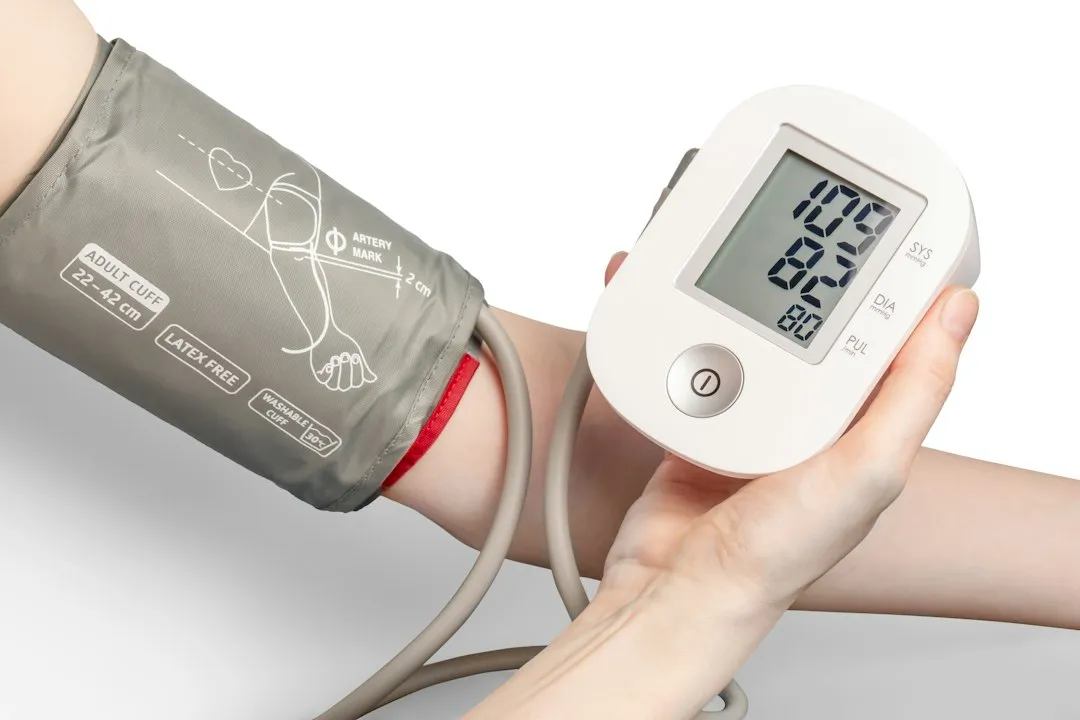
This is the mistake that researchers and nurses keep coming back to, and recent science has made it impossible to ignore. A crossover randomized clinical trial published in JAMA Internal Medicine found that not adhering to the guideline-recommended arm position during blood pressure measurement can result in overestimation of blood pressure by 4 to 10 mm Hg.
Researchers found that lap support overestimated systolic blood pressure by nearly 4 points, while having a dangling arm overestimated it by nearly 7 points, on average. These aren’t rounding errors. These are the kinds of differences that shift a person from one diagnostic category to another.
Based on calculations using data from the National Health and Nutrition Examination Survey, improper arm position would result in roughly 16 percent of US adults, equating to 40 million individuals, being misclassified as hypertensive when using a systolic cutoff of 140 mm Hg or higher. That’s a staggering public health implication from a single positional error.
Where the Arm Should Actually Be
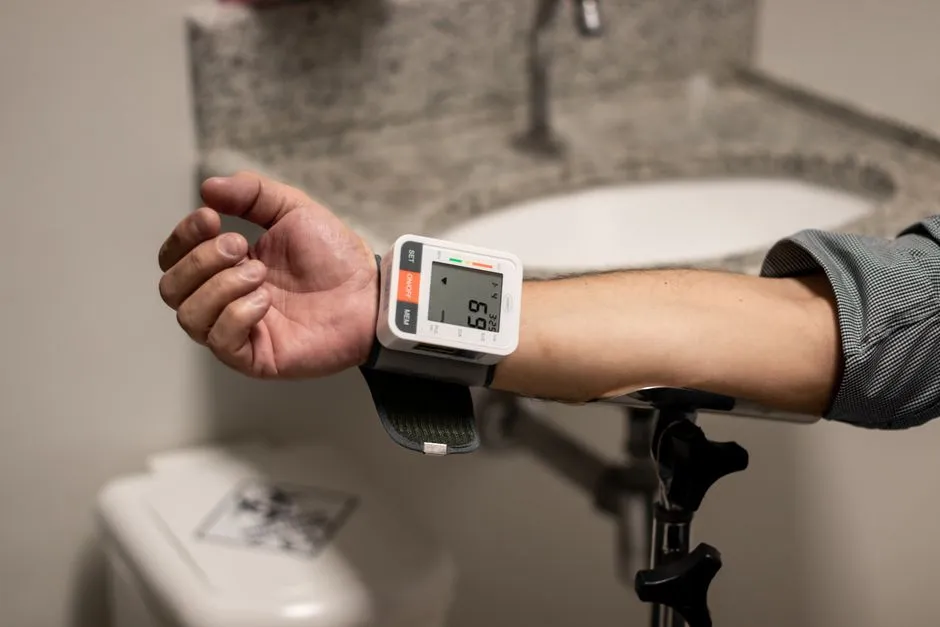
Guidelines for blood pressure measurement recommend arm support on a desk with the midcuff positioned at heart level. Still, nonstandard positions are used in clinical practice, such as with the arm resting on the lap or unsupported on the side.
Perhaps the most common mistake in blood pressure measurement is allowing patients to sit or lie with their arms hanging by their side, since when the upper arm is below the level of the right atrium, the readings will be too high. The physics here are simple: gravity affects the pressure in the blood vessels, and that effect shows up directly in the number.
For an accurate blood pressure reading, the arm should be supported so the elbow is at about the level of the heart. A desk, armrest, or firm surface works. What doesn’t work is the arm just hanging there while the cuff inflates.
The Wrong Cuff Size Problem
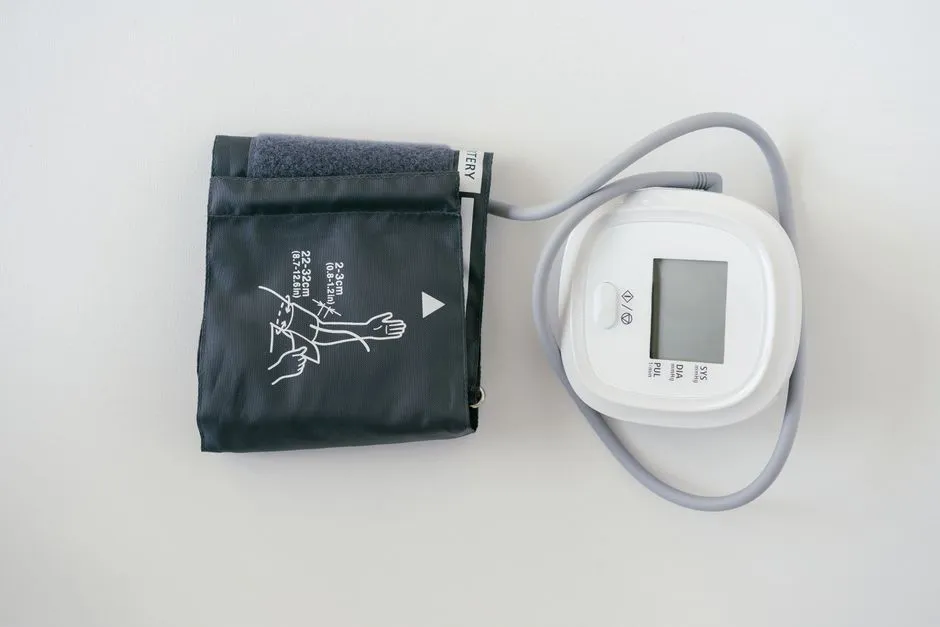
Using a wrong-size blood pressure cuff can affect accuracy by up to 30 mmHg. That’s an enormous margin, and it’s one of the most frequently overlooked variables in clinical settings. The right cuff for one patient may be entirely wrong for another.
Sizing the cuff properly is important. If the cuff is too small, the blood pressure may read higher than it should. If it is too large, it could read lower. Both scenarios can lead to treatment decisions that are poorly matched to a patient’s actual cardiovascular health.
Crossed Legs and a Chair That Doesn’t Support You

Poor support when sitting can increase a blood pressure reading by 6 to 10 points. Sitting in a chair with the back supported and feet flat on the floor or a footstool is the correct approach. These aren’t ideal conditions that only exist in textbooks. They’re achievable in almost any clinical room with minimal adjustment.
Crossed legs can increase systolic blood pressure by 2 to 8 mmHg. Patients cross their legs out of habit or comfort, and most clinicians don’t notice or correct it during the measurement. It happens constantly, and it quietly inflates numbers.
Measuring Over Clothing
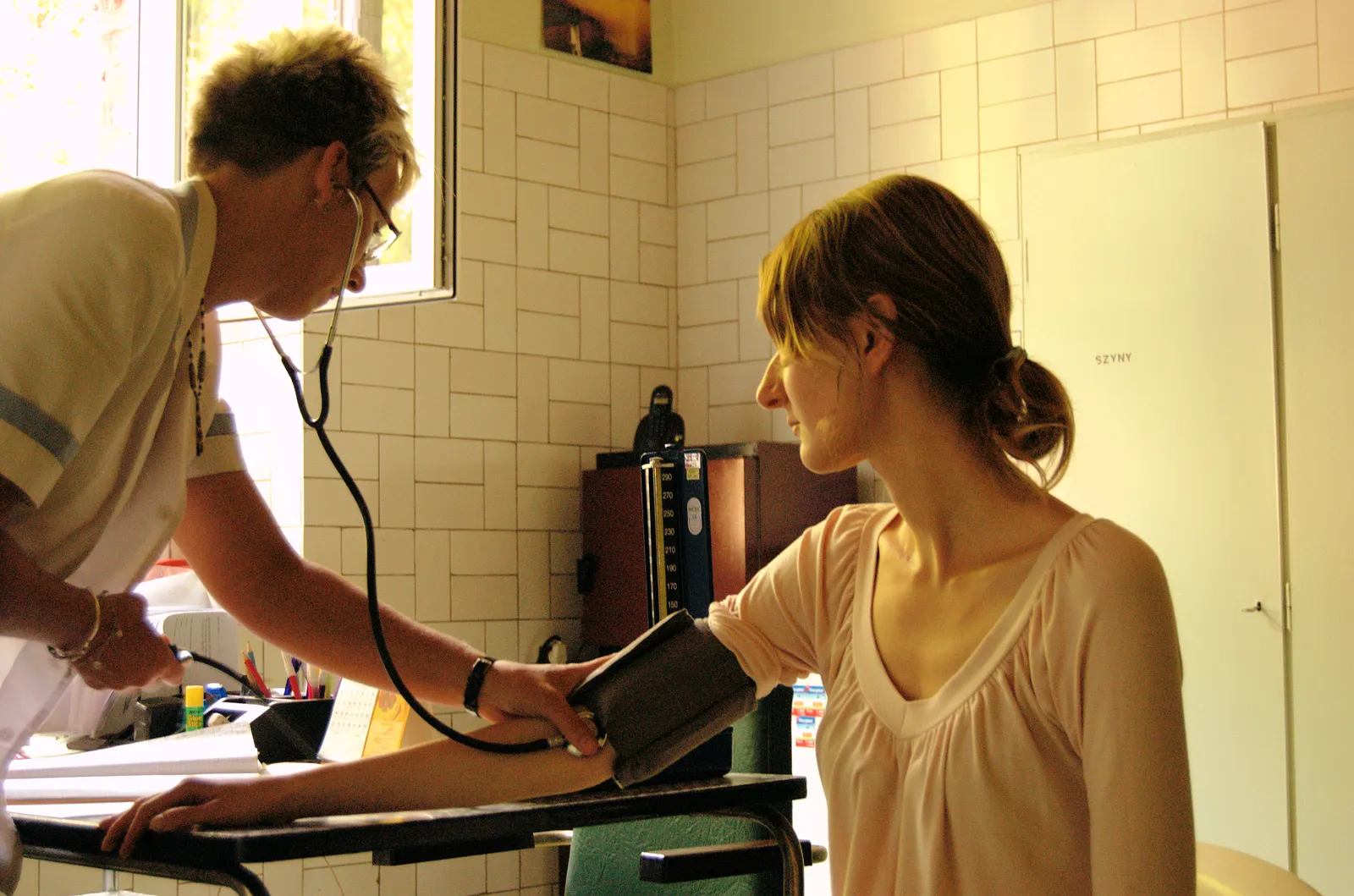
The cuff should always be placed on a bare arm, as wrapping the cuff over clothing can add five to 50 points to a reading. That range is extraordinary. A thick sleeve or rolled-up cuff can push someone from a healthy reading into what looks like stage 2 hypertension on paper.
Blood pressure measurement technique errors, even something as simple as placing the cuff over clothing during measurement, can lead to noticeable inaccuracies in the blood pressure reading itself. Whatever the garment of choice, it’s important to remember how clothing over the arm can affect the ability to obtain an accurate reading.
Talking During the Reading

If a technician, nurse, or doctor talked to a patient or asked a question while measuring blood pressure, the chances are very good that the blood pressure was falsely elevated. Patients should never speak during the minute or two it takes to pump up the cuff and let the air all the way out.
Talking, including on the phone, can add 10 points to a reading. Staying still and silent during the exam will ensure a more accurate measurement. Even active listening, where a patient concentrates on what’s being said to them, can produce a measurable spike. The room simply needs to be quiet.
Skipping the Rest Period
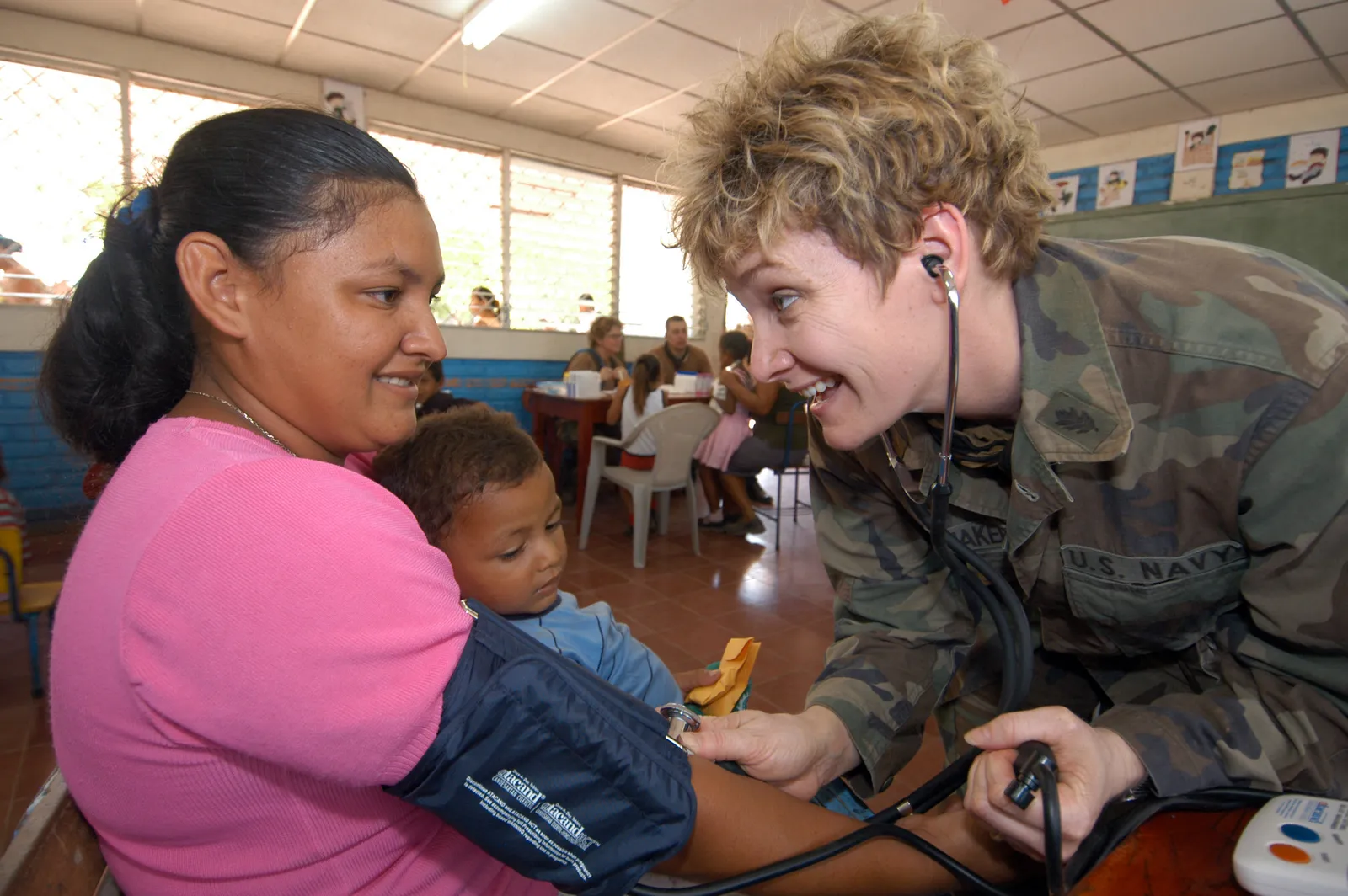
One common error in the clinical setting is failure to include a five-minute rest period before the cuff is applied. Fast appointment schedules make this easy to skip. The nurse takes you from the waiting room to the exam room and checks your pressure within 90 seconds of you sitting down.
Because of the fast in, fast out nature of physician offices, there is rarely an opportunity to sit still for 5 to 10 minutes prior to a blood pressure reading. Walking to the exam room, undressing, or even a brief anxious moment in the hallway can temporarily elevate numbers. Standard guidelines exist precisely because this is a known, documented problem.
A Full Bladder Skews the Numbers Too
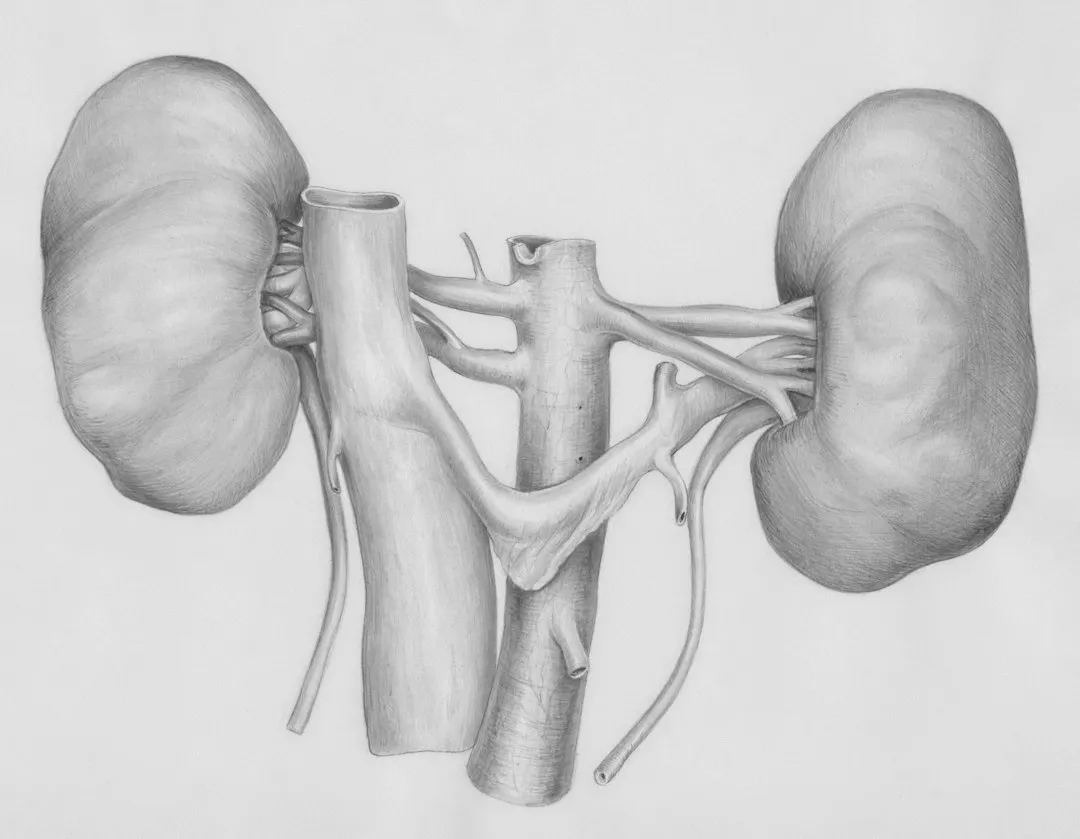
A full bladder can increase systolic blood pressure by 10 to 15 mmHg. This is one of the more underappreciated variables in the room. Patients often come straight from a waiting room, sometimes after holding a full bladder for a while, and no one thinks to ask about it.
Having a full bladder can add 10 to 15 points to a blood pressure reading. Emptying the bladder before measuring blood pressure is recommended. It’s a simple step, but it’s rarely built into the standard pre-reading protocol in busy clinics.
The Terminal Digit Preference Issue

Terminal digit preference results in artificial clustering of blood pressure readings at 0 and 5, with roughly 60 to 80 percent of manual readings ending in 0 or 5, when statistically only about 20 percent should. This reflects a subtle but significant rounding habit that clinicians often develop without realizing it.
The practice of rounding up or down occurs in more than 50 percent of manual blood pressure readings, reducing the precision of the reading and the accuracy of a hypertension diagnosis. Over time and across many patients, this habit introduces a systemic bias into the data used to make treatment decisions. It’s a quiet form of measurement drift.
Why Retraining Rarely Happens

About half of physicians and physician assistants report receiving no additional blood pressure retraining after graduation. A full one-third of nurses, in addition to approximately a quarter of medical assistants, received no retraining. These numbers reflect a profession-wide gap between what the guidelines say and what actually happens at the bedside.
A 5 mm Hg blood pressure measurement error can lead to incorrect hypertension classification in 84 million individuals worldwide, according to a consensus document published in the Journal of Hypertension. Blood pressure measurement is often suboptimally performed in clinical practice, which can lead to errors that inappropriately alter management decisions in 20 to 45 percent of cases.
The gap between guideline knowledge and clinical habit is real and persistent. But it’s also closeable. Structured retraining, standardized positioning protocols, and validated automated devices are all available tools that can bring measured blood pressure closer to true blood pressure.
What Accurate Measurement Actually Requires
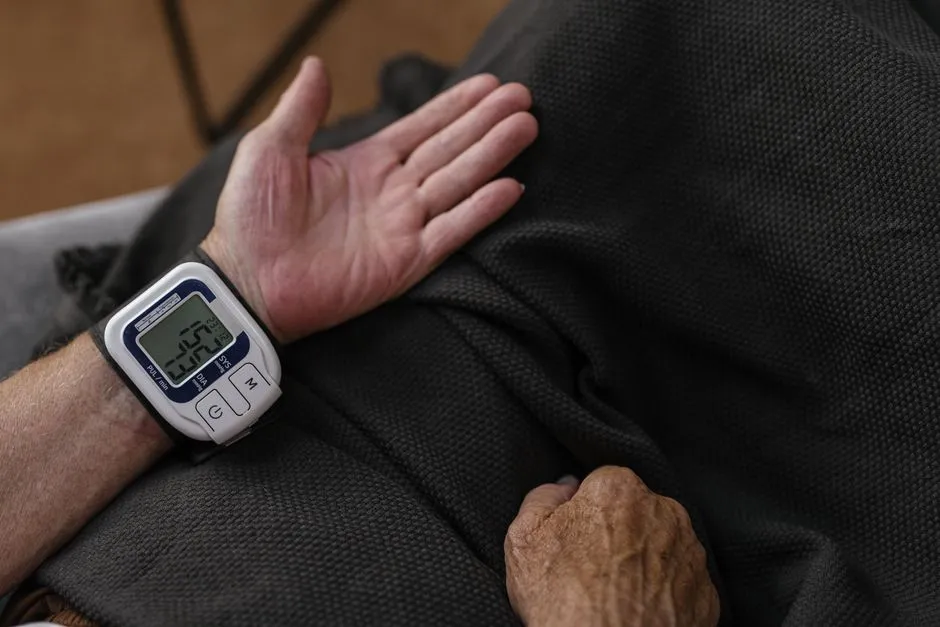
Getting a reliable blood pressure reading isn’t complicated, but it is specific. The patient should sit with their back supported, legs uncrossed, and arm at heart level. No talking. No rushing. No clothing under the cuff. These are simple conditions that require only a few extra minutes and a brief conversation with the patient before the reading begins.
Blood pressure should ideally be taken at least twice during a visit. One single reading is not adequate. It is recommended that two measurements be made some time apart, and the two readings can then be averaged to get a better sense of true blood pressure. This is standard guidance from major clinical bodies, yet single readings remain the norm in many settings.
High blood pressure, or hypertension, is the top risk factor for premature death, associated with heart disease, strokes, and heart attacks. Inaccuracies in the most common form of blood pressure measurement mean that as many as 30 percent of cases of high blood pressure could be missed. That statistic alone is reason enough to take the measurement process seriously, every single time.
The Takeaway
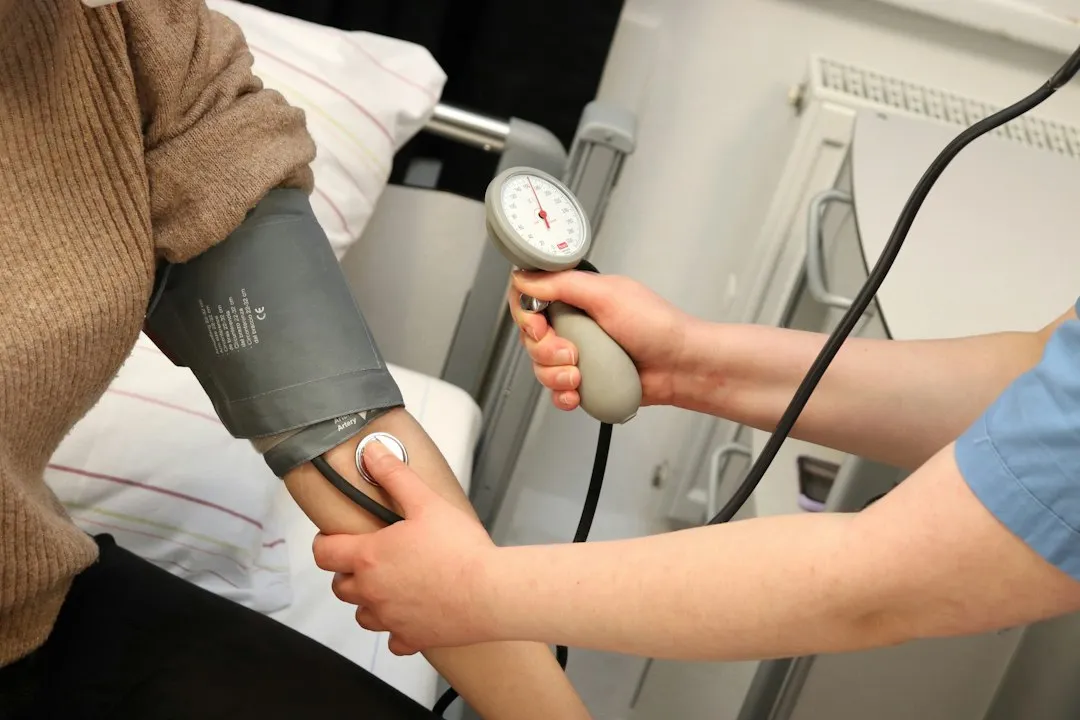
Blood pressure measurement looks simple. In practice, it’s one of the most error-prone procedures in routine clinical care. The evidence on arm position, cuff size, patient posture, talking, rest time, and rounding bias all points in the same direction: small procedural details produce real diagnostic consequences.
What’s worth remembering is that most of these mistakes are entirely fixable. They don’t require new technology or major policy changes. They require a few extra seconds, a properly supported arm, and a quiet room. The number on the screen is only as reliable as the conditions in which it was taken.
AI Disclaimer: This article was created with the assistance of AI tools and reviewed by a human editor.