

Most windowsills look a little defeated by January. The garden is bare, the light is thin, and indoor spaces can feel starved of color for months at a time. What a lot of people don’t realize is that some houseplants are genuinely built for this season. They bloom precisely when everything else is asleep.
The simple fact is that people are generally happier surrounded by color. A bleak environment can lead to feelings of sadness and melancholy, while an environment bursting with bright hues can create a delightful atmosphere. The six plants below are among the most reliable winter bloomers you can keep indoors, each with its own personality and care profile.
1. Christmas Cactus (Schlumbergera bridgesii): The Misunderstood Winter Star
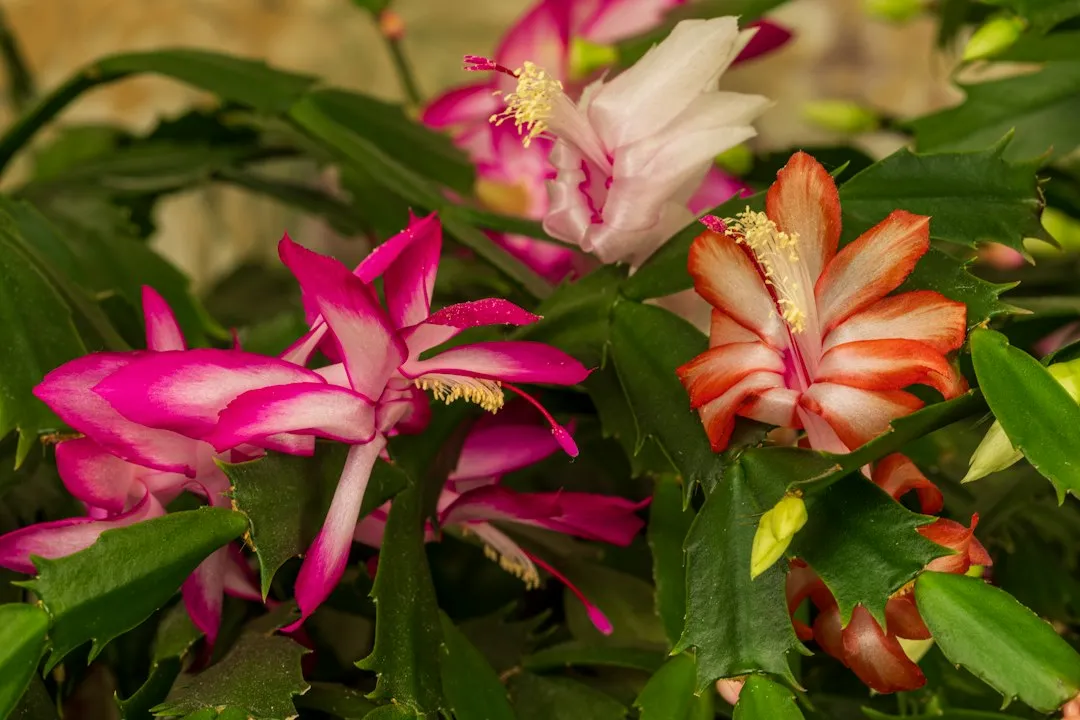
Christmas cactus is not a desert plant but a tropical epiphyte that requires special conditions to bloom properly. That surprises most people who assume any plant with “cactus” in its name wants heat and dry air. In reality, it originates from the cool, humid cloud forests of Brazil, and that origin shapes everything about how you care for it.
Thanksgiving cacti are the earliest and longest bloomers, typically producing flowers from late fall through midwinter, while Christmas cacti tend to bloom from early to midwinter. The two are frequently sold interchangeably at garden centers, so it helps to know how to tell them apart. Pointy-edged leaves belong to the Thanksgiving cactus, while the round-edged leaves are characteristic of the Christmas cactus.
To trigger blooming, nights need to be at least 14 hours long and days between 8 and 10 hours for at least 6 weeks. The Christmas cactus will bloom for several weeks, as many as eight weeks, ceasing in early to mid-winter. That’s a remarkably long show for a single houseplant in the coldest part of the year.
2. Amaryllis (Hippeastrum): Drama in a Bulb
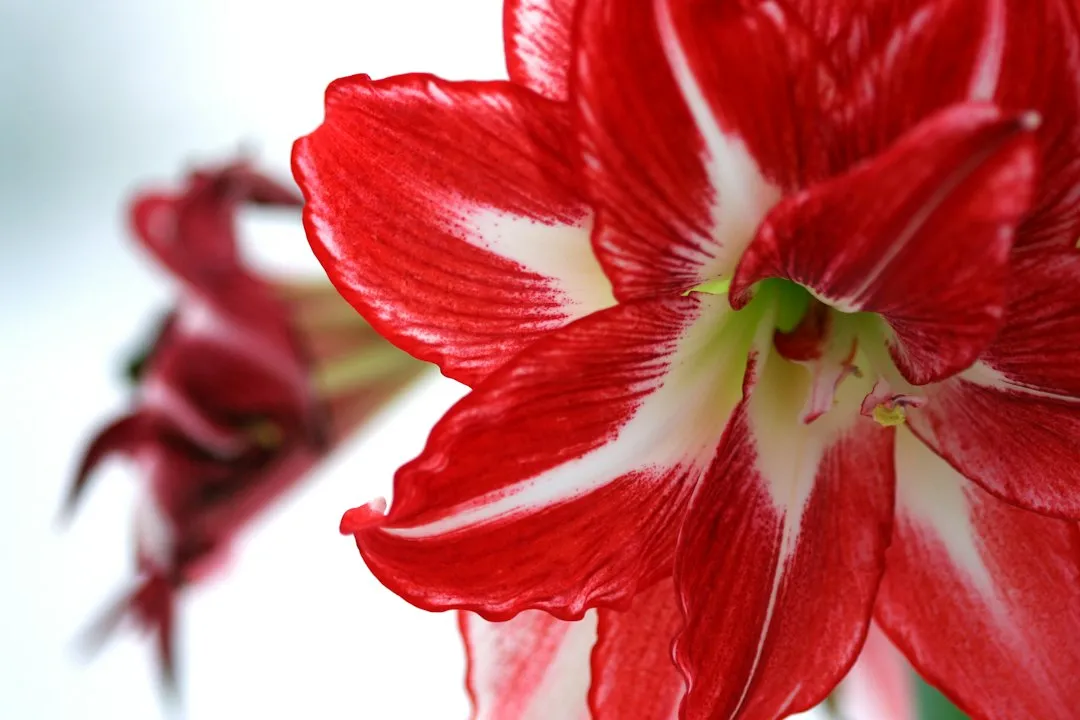
Grown from bulbs, amaryllis produce large, funnel-shaped flowers on long, straight stems, adding splashes of red, pink, orange, or white to homes during the winter months. Few plants offer this kind of visual impact without demanding serious gardening skill. It’s a bulb you plant and essentially watch perform.
Amaryllis blooms range from 4 to 10 inches in size and can be either single or double in form. While the most popular colors are red and white, flowers may also be pink, salmon, apricot, rose, or deep burgundy. Amaryllis grows from a bulb and it is not unusual to have at least 3 blooms on each stem per bulb.
Timing is everything with this plant: bulbs should be planted approximately 6 weeks before you want flowers. If it is brought inside in the fall and placed in a dormancy period, it will produce new blooms when brought out into a sunny location. Be adventurous and grow a collection of amaryllis. Bringing these plants out of dormancy at different intervals can ensure blooming amaryllis in your home throughout the entire winter.
3. Cyclamen (Cyclamen persicum): The Cool-Temperature Champion
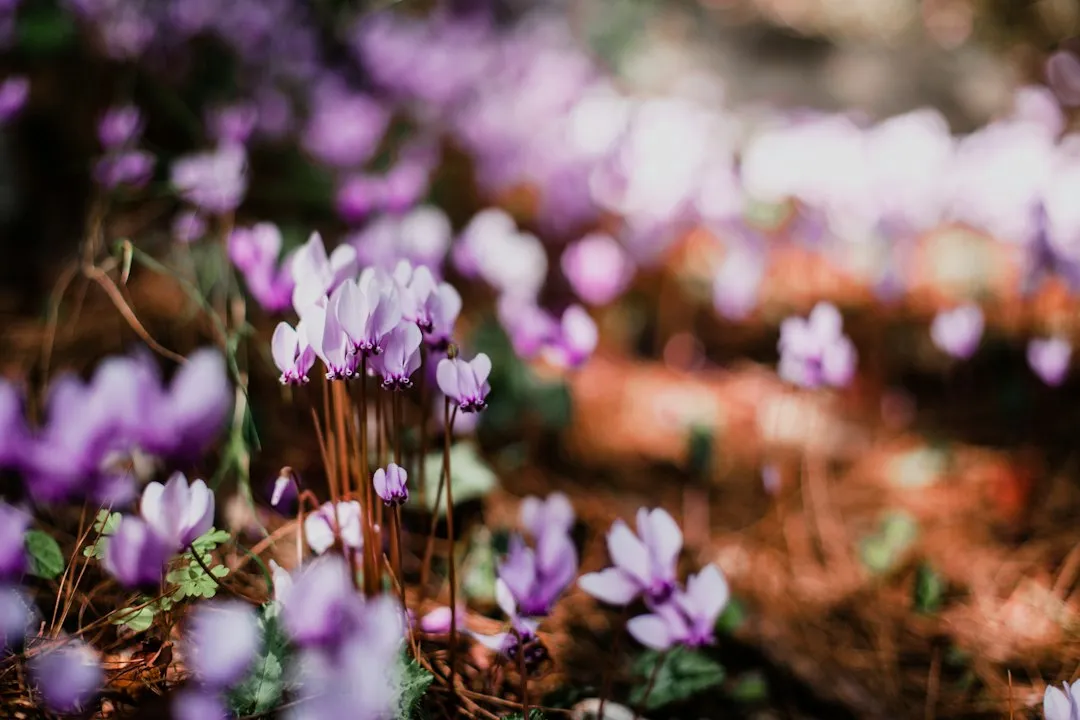
Cyclamen’s pretty heart-shaped, patterned leaves and white, violet, pink, or red nodding flowers make them popular houseplants during the winter. They bloom from November through March and are native to Europe and the eastern Mediterranean. That’s a long bloom window by any measure, easily carrying a room through the darkest months.
A true cold-weather champion, cyclamen thrives with night temperatures in the 40s or low 50s and days around 65°F. It needs bright, indirect light. These heart-shaped leaved plants have unique foliage and showstopper flowers that can bloom for four to six weeks. That cool preference actually makes them ideal for rooms that most tropical plants would find chilly and uncomfortable.
Some owners might be tempted to toss spent cyclamens into the trash, but take note: the plant is not dead, just dormant. Continue to water it once in a while and when temperatures cool, it will start growing again. Cyclamen is toxic and should be kept away from cats, dogs, and children.
4. Kalanchoe (Kalanchoe blossfeldiana): The Low-Maintenance Workhorse
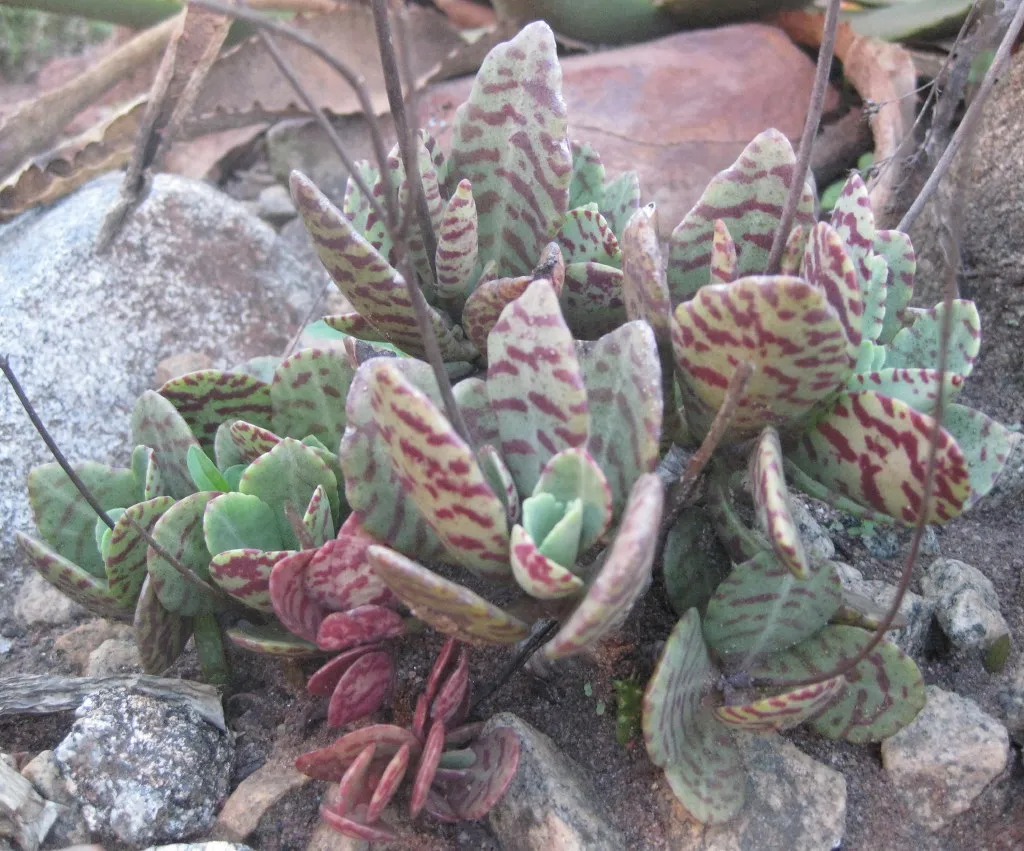
Kalanchoe, also known as Flaming Katy, is a succulent native to Madagascar and tropical Africa. It is a cheerful indoor plant for the winter, with the shortening daylight hours triggering it to bloom in clusters of red, salmon, or pink against its scalloped leaves. The fact that shorter days actually trigger its bloom makes it a natural fit for winter windowsills.
This waxy-leafed succulent is a low-maintenance plant with colorful blooms in shades of red, pink, yellow, or white. These succulent plants feature thick, dark green leaves and can reach heights of 8 to 12 inches, making them perfect for indoor windowsills or tabletop displays. Compact, cheerful, and forgiving, it’s a smart choice for anyone who’s been burned by more demanding plants in the past.
With proper care, kalanchoes can rebloom multiple times throughout the year, providing long-lasting indoor color. To encourage new buds, trim off all the faded blooms. Kalanchoe prefers its soil to dry out between waterings, as it is prone to overwatering. Treat it a bit like you’d treat a succulent and it’ll reward you reliably.
5. Phalaenopsis Orchid: Elegant and More Forgiving Than You’d Think
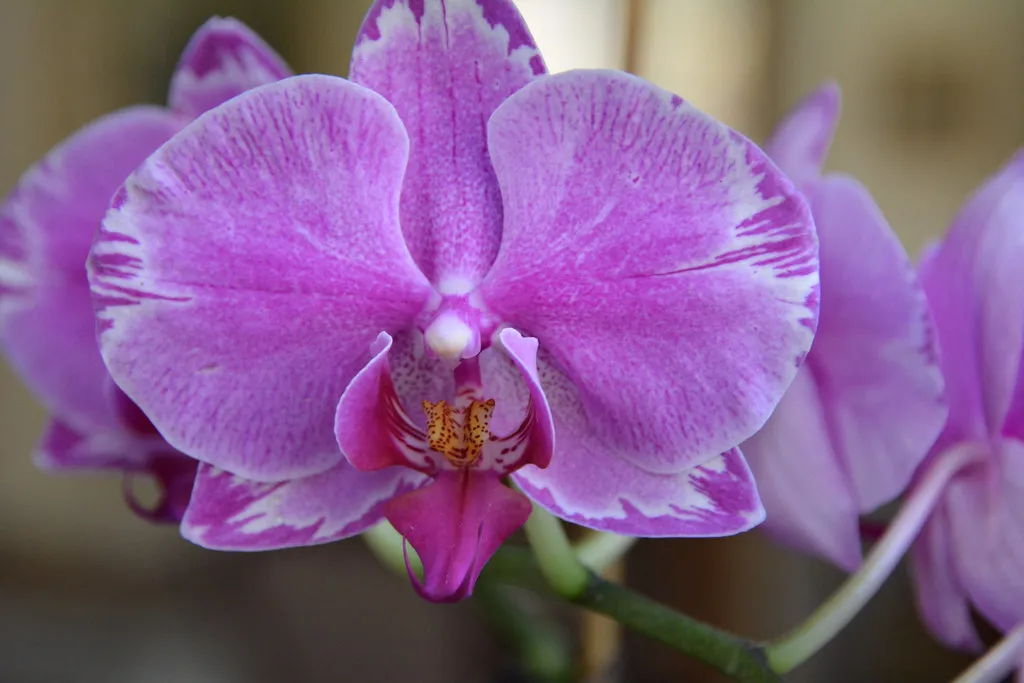
Many orchid species thrive indoors, with Phalaenopsis being the most commonly found in stores and the easiest to care for. While it can be a challenge to get them to rebloom, they will do so if placed in a bright, indirect window. The reputation orchids carry for being fussy is mostly undeserved when it comes to this particular genus.
These graceful plants bloom for months, adding elegance to any room. For orchids to thrive and bloom, give them plenty of bright, indirect light and temperatures between 50 and 90 degrees. That temperature range covers virtually every heated home in winter, which is part of why Phalaenopsis orchids have become so widely available in recent years.
Orchids require adequate humidity to grow well, so placing them in your kitchen or bathroom, or on a tray of gravel and water, will help. Plants can also be misted frequently to maintain the surrounding humidity level. Water orchids weekly until water flows out the drainage holes and fills the tray below. Consistent moisture without waterlogging is the key principle to keep in mind.
6. African Violet (Saintpaulia ionantha): Small Plant, Big Commitment to Bloom
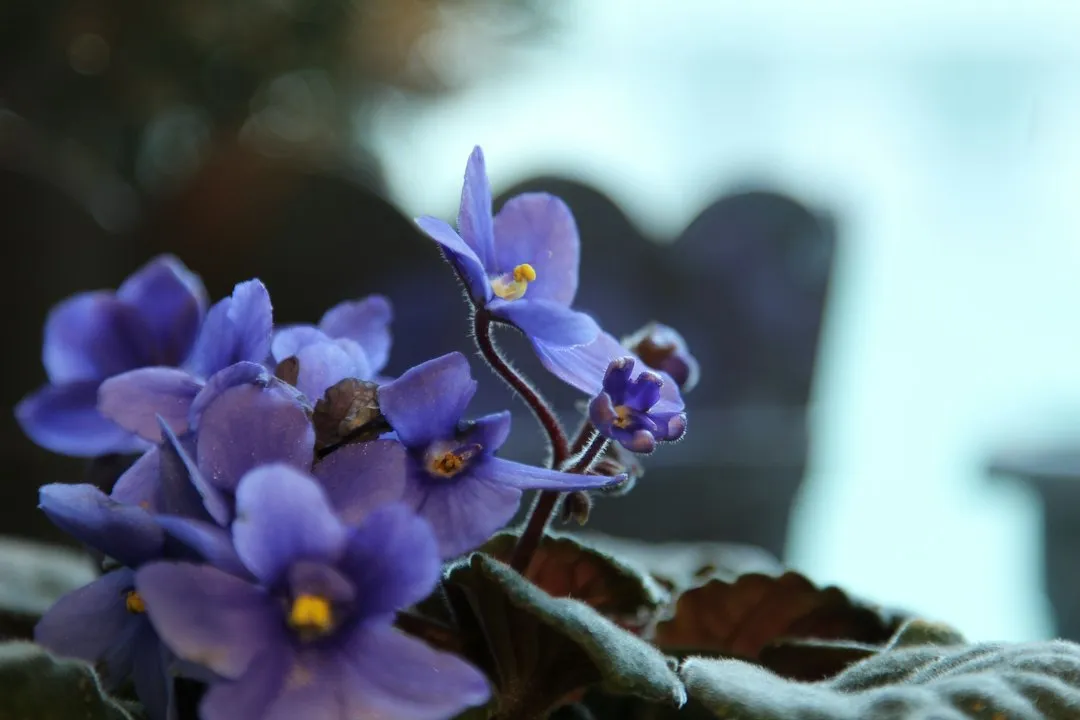
Situate the diminutive, nontoxic African violet plant in bright, indirect light and enjoy months of continuous flowering in shades of red, white, purple, and everything in between. Few plants of this size can claim continuous blooming through winter, which makes African violets something of an underrated gem on the indoor gardening scene.
A commercial African violet soil mixture provides the right rooting environment: loose, airy soil that holds moisture. Water African violets from the bottom when the soil surface is dry to the touch. These plants prefer a consistently moist root zone, and if you use regular potting soil, you’ll likely kill plants by overwatering.
African violets should flower year-round. If blooms are sparse, the light is probably too low. This houseplant isn’t toxic to pets or people. That last point matters more than it might seem. In a household with curious cats or small children, pet-safe blooming plants are genuinely rare, and African violets fill that gap quietly and reliably.
How Winter Bloom Cycles Actually Work
Most winter-blooming houseplants don’t bloom in winter by accident. They rely on environmental cues, primarily light duration and temperature shifts, to time their flowers. During the summer, you can place kalanchoe outside to grow, but be sure to bring it indoors before the first frost. Bring them inside before the first frost; they will develop flower buds in response to the long nights of fall.
The Christmas cactus follows the same logic. If you want blooms for Christmas, then in early to mid-October, place it in a room where it can experience 12 to 14 hours of total darkness each night, or cover it with a box or breathable bag. It’s not complicated, but it does require a little planning ahead.
Light and Placement: Getting It Right Indoors
Winter light is weaker and arrives from a lower angle, so placement decisions matter more than in summer. Most winter bloomers want bright, indirect light rather than direct sun, which can scorch leaves and dry out soil too quickly. A south- or east-facing window is usually the best starting point for the majority of these plants.
An east window works well in warmer zones, while a southern window is better in regions where winter brings snow and overcast skies. Christmas cacti will bloom larger and sooner when left in a room that ranges from 60 to 70 degrees. In the winter, it’s important to keep them away from radiators and fireplaces, and warm windowsills. Heat sources near windows are a common and easy mistake to make.
Watering in Winter: Less Is Usually More
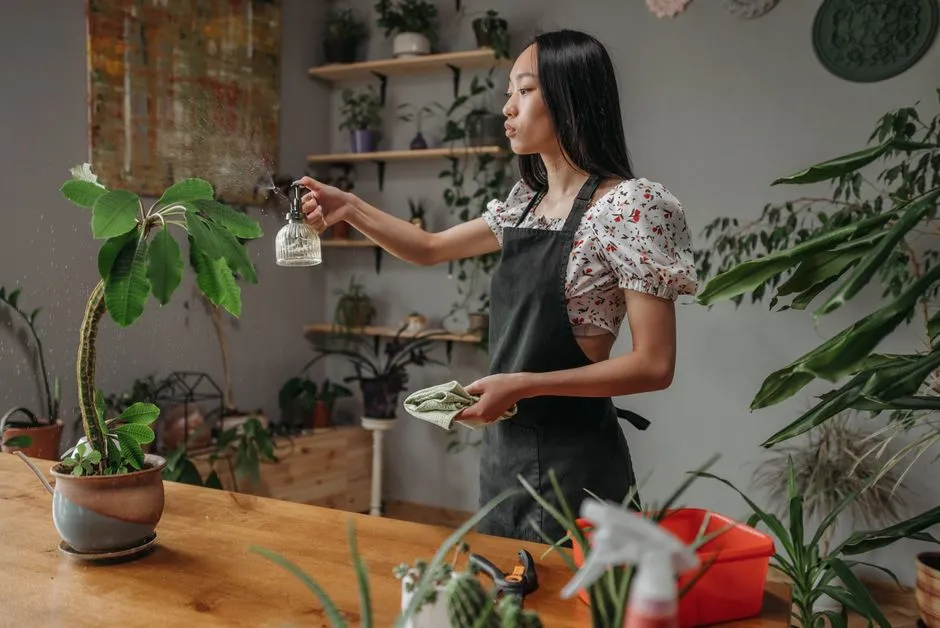
Overwatering is the most common cause of houseplant failure in winter, when evaporation slows, pots stay wet longer, and roots can rot with surprising speed. With succulents like kalanchoe and Christmas cactus, restraint is the right instinct. Water a Christmas cactus only when the top layer of soil feels dry. Avoid overwatering, as soggy soil can lead to root rot, while underwatering may cause wilting and dropped buds.
Water cyclamen when the soil is dry an inch down from the top, making sure to keep the leaves and crown of the plant dry. For African violets, bottom watering protects the leaves from rot and keeps moisture where it’s actually needed: at the roots. Each plant has its own rhythm, but the unifying thread is patience between watering sessions.
Toxicity: What to Know Before You Bring Them Home
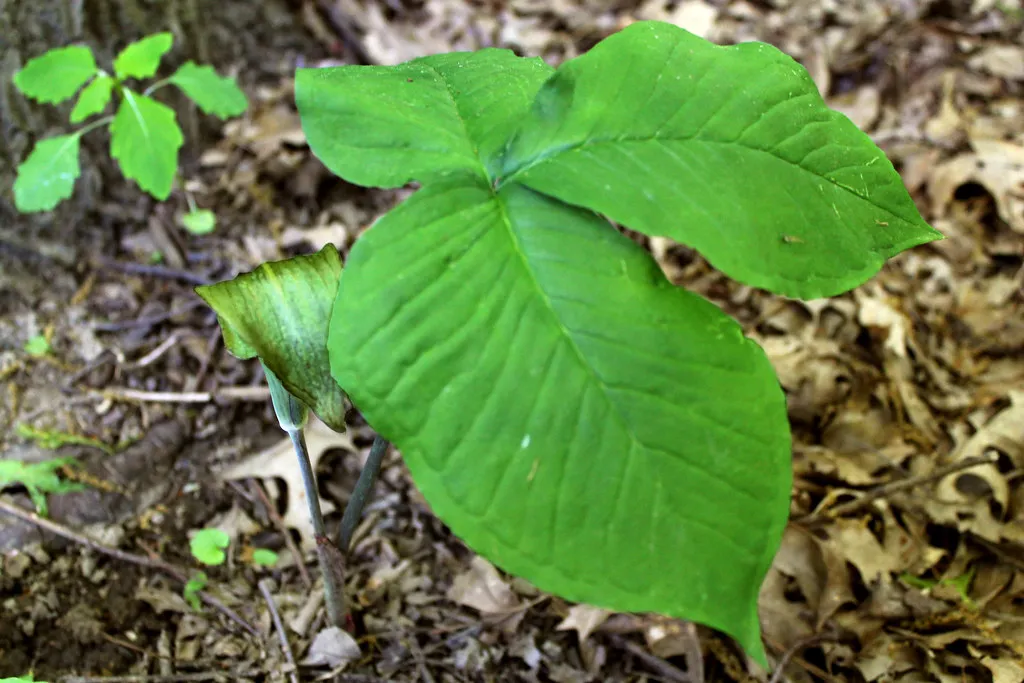
Not every winter bloomer is safe for every household. All plant parts of cyclamen are poisonous to dogs and cats, so keep this bloomer away from curious, plant-nibbling pets. Think carefully about where you’ll place amaryllis: it can cause severe gastrointestinal distress to pets and people. These aren’t plants to skip, but they are plants to position thoughtfully.
On the safer end, Christmas cacti are nontoxic to dogs. African violets are also considered nontoxic to both pets and people, making them a dependable option for homes with animals or young children. Knowing these details before you shop saves a lot of stress later.
The Takeaway
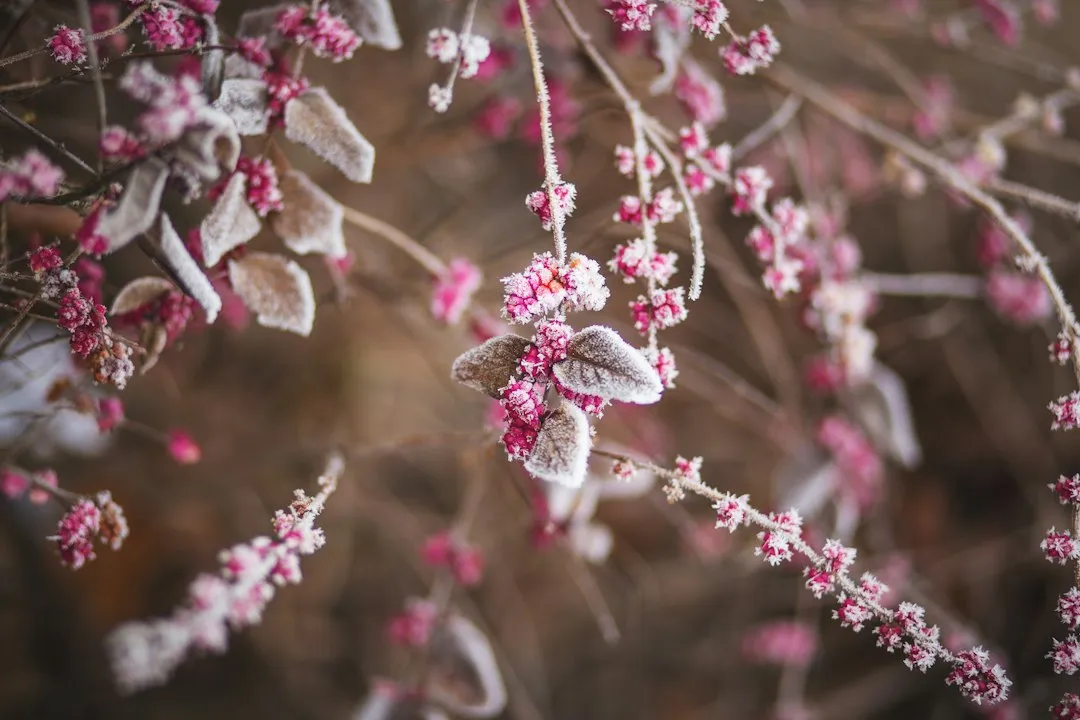
Winter doesn’t have to mean a house full of bare pots and green-only foliage. The winter provides the perfect opportunity to focus on houseplants, bringing greenery and life indoors while the outdoor garden rests. Houseplants enhance our spaces, improve air quality, and offer a calming presence. Each of the six plants above does that, though in very different ways and at different levels of effort.
Whether you want the quiet reliability of an African violet, the theatrical flair of an amaryllis, or the structural elegance of an orchid, there’s a winter bloomer that fits. The season is longer than it feels, and a plant that’s actively flowering on a January morning makes that length a little easier to carry.
AI Disclaimer: This article was created with the assistance of AI tools and reviewed by a human editor.