
Most people think of slippers as harmless, even responsible. You take off your outdoor shoes at the door, slip on something soft and warm, and feel right at home. The problem is that the pair sitting by your bed could be quietly working against you in ways that aren’t obvious until something goes very wrong.
Falls at home are far more common than most people realize, and footwear is consistently underestimated as a contributing factor. Physical therapists and fall prevention researchers have been connecting those dots for years, and the findings are hard to ignore.
The Scale of the Problem Is Larger Than You’d Expect
About 60% of falls happen at home, which means the place most people feel safest is, statistically speaking, one of the riskiest. Over 14 million older adults, roughly one in four, report falling each year, and more than 3.85 million older adults were treated in emergency rooms in 2023. That’s not a fringe issue.
Falls among older adults also led to more than 43,000 deaths in 2024. The age-adjusted fall death rate increased by 41% between 2012 and 2021, a trend that continues to move in the wrong direction. The numbers make a compelling case for paying close attention to seemingly small daily choices, including what you put on your feet.
Why Slippers Are the Specific Problem
Smooth-soled socks, worn-out shoes, flip-flops, and slippery slippers are leading contributors to indoor falls. Among those, slippers are particularly tricky because they feel like the responsible choice. They’re not barefoot. They’re not socks. Yet the research tells a different story.
Of those who reported falling, more than 18 percent were barefoot when they fell, while nearly 27 percent were wearing slippers and 7 percent were wearing socks only. Slippers, in other words, were present at the scene more than any other footwear type. Over half of the older participants in the MOBILIZE Boston Study were wearing slippers, barefoot, or socks without shoes when they experienced an in-home fall.
The Backless Design Is the Core Offender
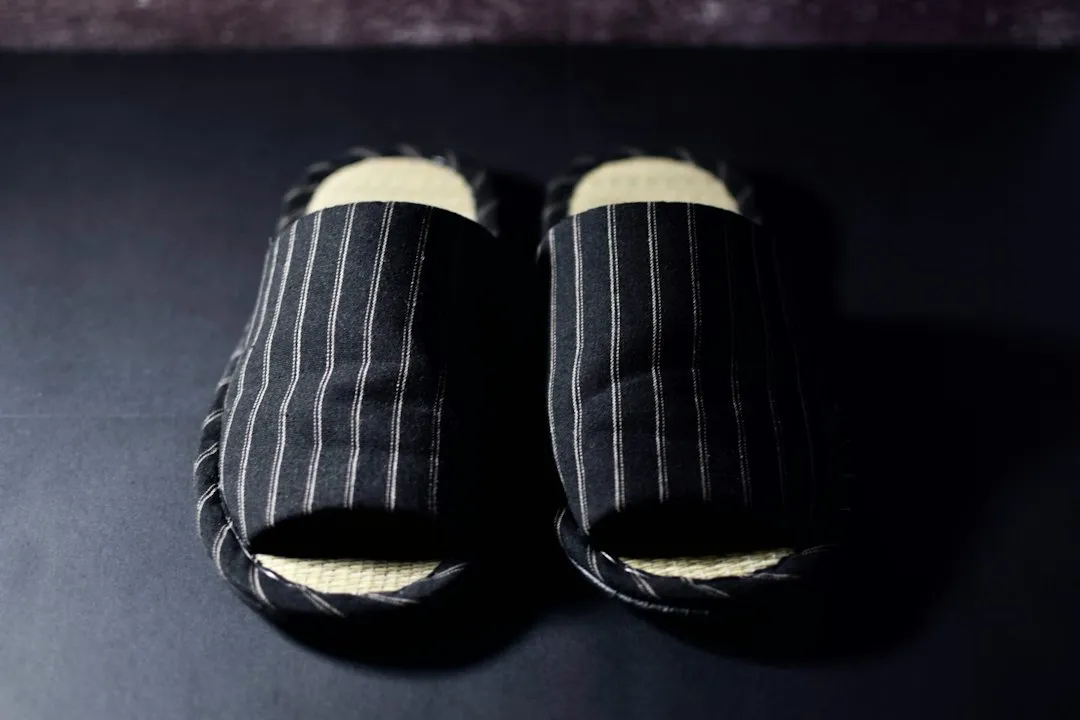
Regular slippers, particularly backless styles with smooth soles, increase fall risk because they can slide off the foot and provide no traction on hardwood or tile. This is the specific design flaw that physical therapists flag most often. A slipper without a closed heel has no way to stay anchored to your foot, especially mid-stride.
Wearing loose slippers can have a negative effect on the way one walks. Seniors with loose slippers on their feet can develop an improper gait, essentially a shuffle. This instability or unsteadiness becomes a safety issue that could lead to an increase in falls and injuries. Occupational and physical therapists caution their patients about wearing footwear that slips off or can easily get caught on things when walking.
The Shuffle Gait: A Hidden Consequence
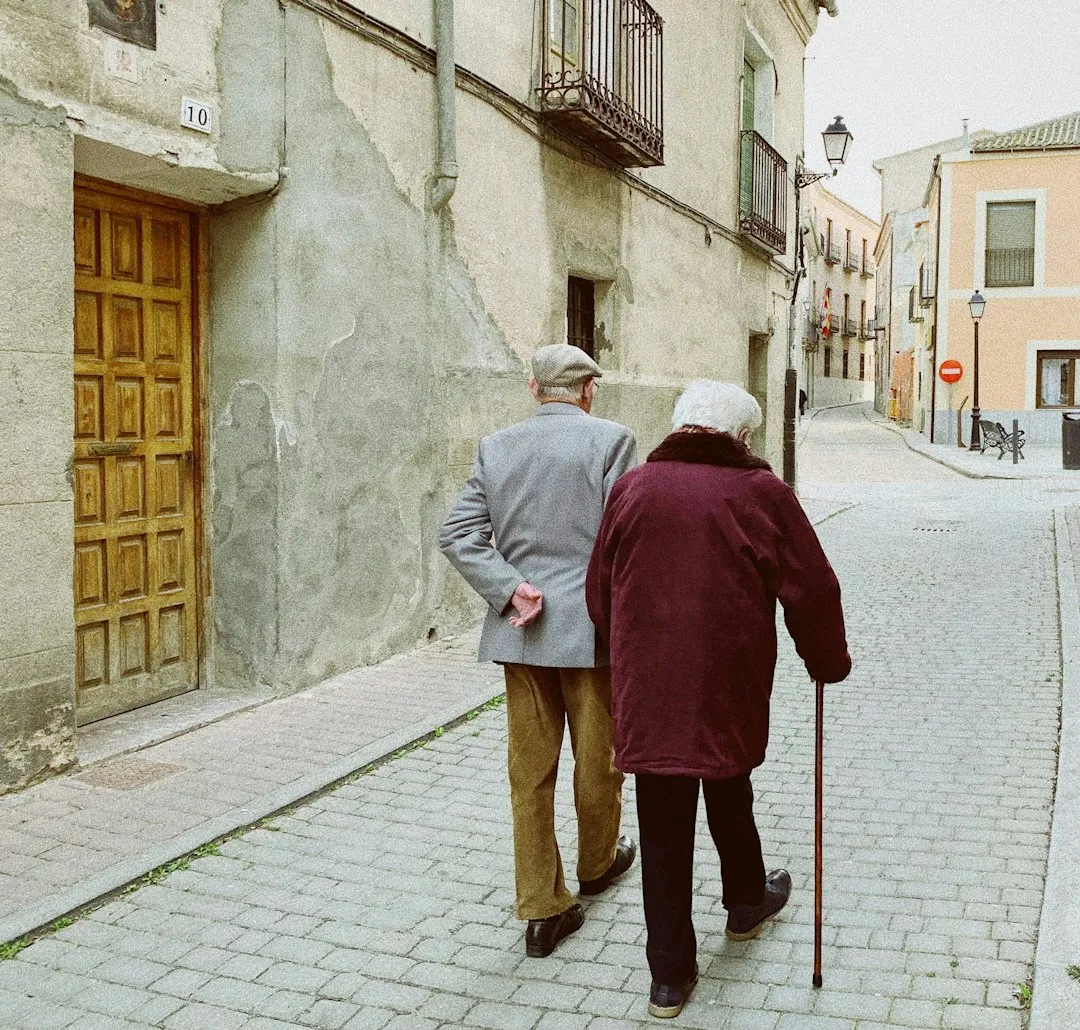
The strap keeps the heel in contact with the footbed at all times, eliminating the shuffle-to-keep-it-on gait pattern that backless slippers create. That phrasing is telling. It describes something that happens automatically, without the wearer even noticing. The body compensates to keep the slipper on, and that compensation rewrites how you walk.
A shuffling gait reduces foot clearance from the floor, making even small obstacles, like a rug edge or a slight rise in flooring, into genuine trip hazards. Over time, this altered walking pattern can also affect muscle memory and confidence. It’s a slow creep of instability dressed up as comfort.
Smooth Soles and Slick Floors Are a Dangerous Combination
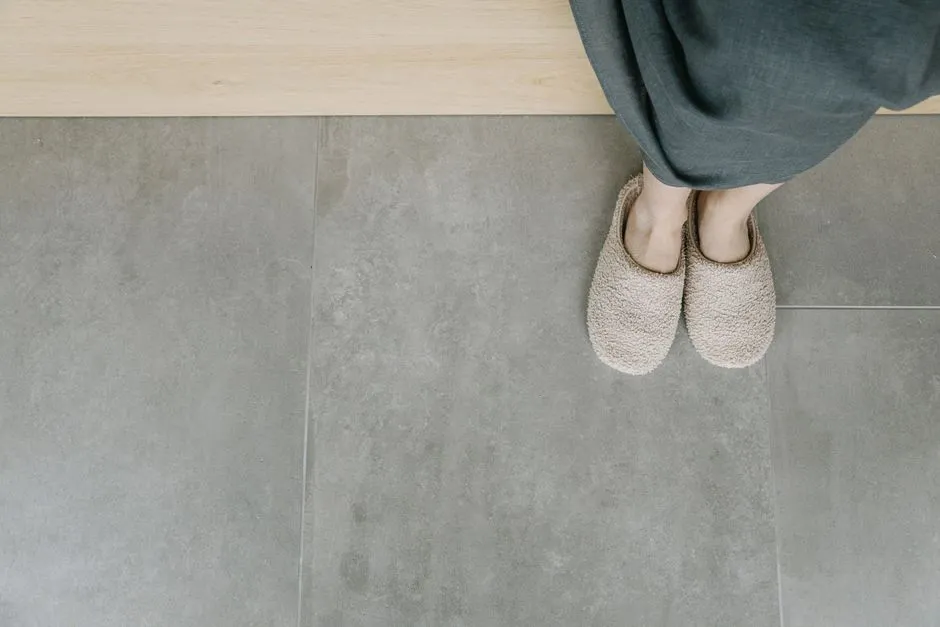
Research indicates that wearing socks and typical slippers can impair balance in older adults on smooth surfaces like hardwood and tile. Most modern homes are full of exactly those surfaces. Open-plan living areas, kitchen floors, and bathroom tiles create a significant stretch of low-friction terrain that is navigated multiple times every day.
Slippers without structure provide no stability and can snag on carpets, while shoes with slick or worn-out soles offer little traction and increase slip risk. Even slippers that start with some grip tend to lose it. Loose slippers, smooth socks on tile, and worn-out footwear with flat, degraded soles are among the most common and most preventable contributors to household falls.
The Fit Problem Most People Overlook
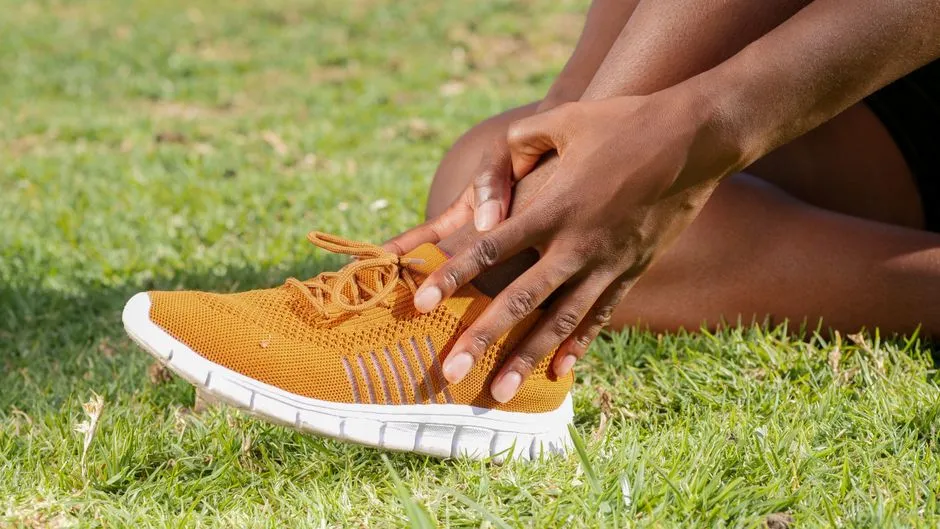
Overall, 72% of participants in one observational study were wearing footwear that did not fit correctly on both feet, 90% had shoes with smooth, partly worn, or fully worn sole treading, and 67% reported wearing slippers at home. Those numbers come from a study published in BMC Geriatrics, and they paint a picture of how routine poor footwear habits actually are among older adults.
Wearing incorrectly fitting shoes and shoes with unsafe features was common among older adults attending geriatric day services in that study. A large number of participants reported wearing slippers at home. Ill-fitting footwear is a separate but related problem. A slipper that is even slightly too large creates the same shuffling risk as a backless design.
What Physical Therapists Actually Recommend Instead
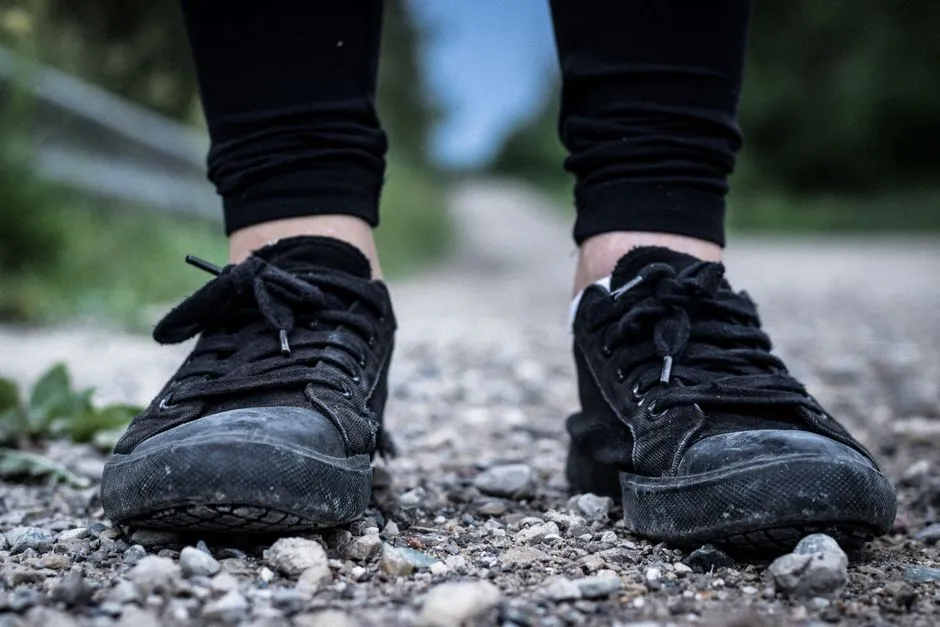
Consider changing your footwear as part of your fall prevention plan. High heels, floppy slippers, and shoes with slick soles can make you slip, stumble, and fall. Instead, wear properly fitting, sturdy, flat shoes with nonskid soles, according to guidance from the Mayo Clinic. That advice aligns closely with what physical therapists routinely tell their patients.
General recommendations from a comprehensive footwear review suggest that properly fitted, comfortable shoes with moderately firm insoles, slip-resistant outsoles, and secure fastening mechanisms improve safety and function. Footwear significantly impacts the mobility, safety, and well-being of older adults. Tailored recommendations enhance pain management, independence, and fall prevention.
The Role of PT in Catching This Early
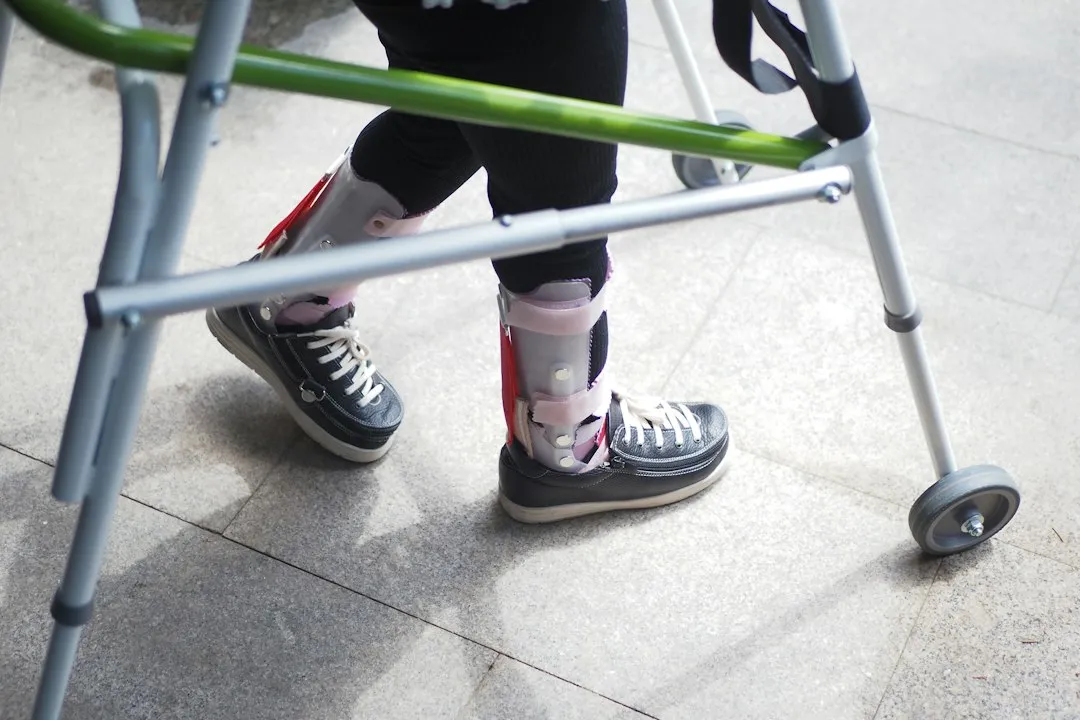
A physical therapist conducts a thorough evaluation to assess an individual’s physical abilities, risk factors, and history of falls. This assessment helps to create a personalized exercise program tailored to the individual’s specific needs. Footwear assessment is a routine part of that process, though many people don’t think to bring it up themselves.
The quality of footwear is a modifiable risk factor that must be addressed to reduce the risk of falling. Examining the feet and assessing footwear are an integral part of the clinical evaluation of older adults at risk of falling, with older patients advised to wear shoes and to limit the use of slippers or slipper socks, which do not provide adequate support for the feet and may increase the risk of falls. This is clinical guidance, not a preference.
What to Look for in a Safer Alternative
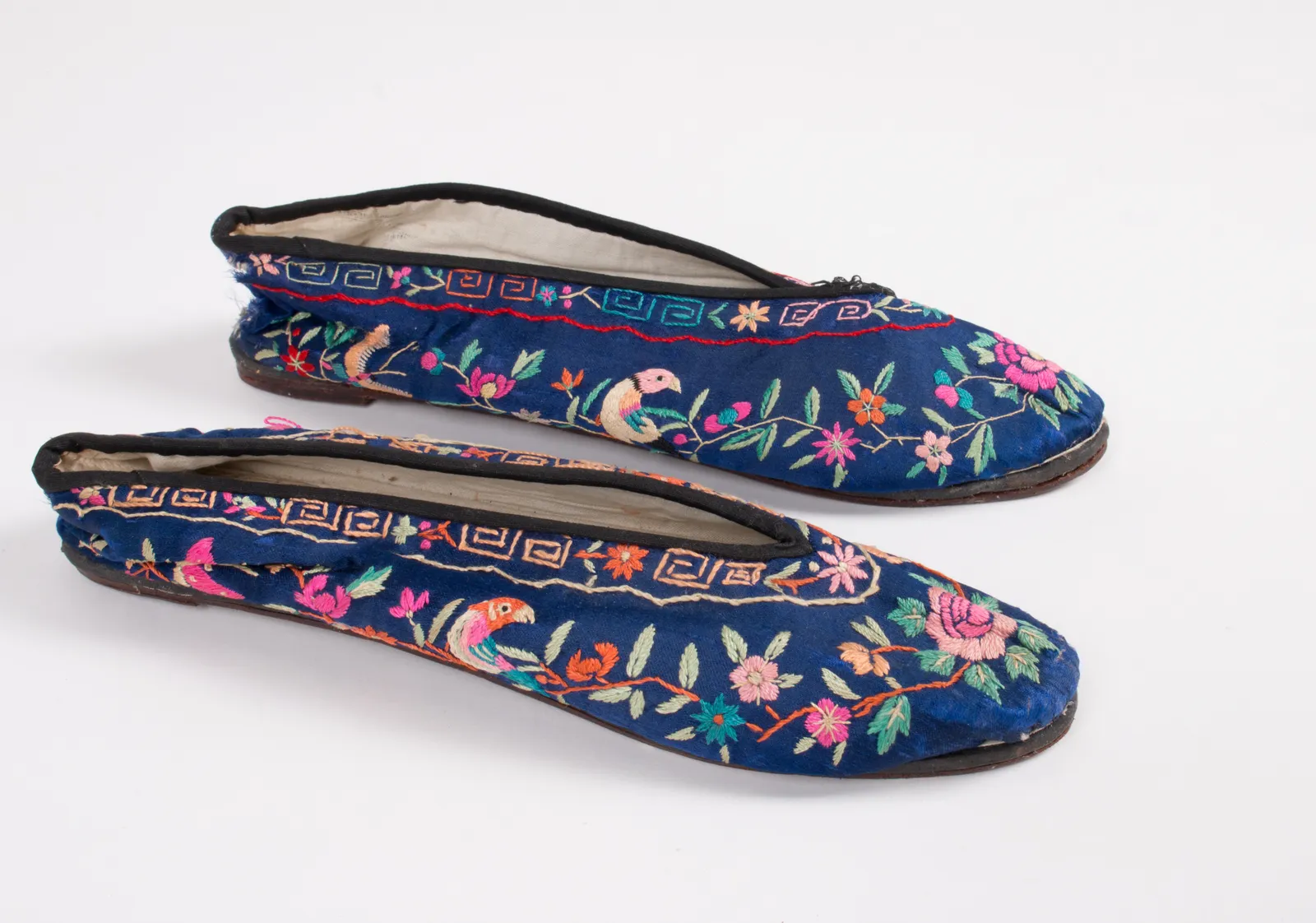
Generally, older people should wear closed-heel shoes to ensure a snug fit and reduce instability. Low-heeled shoes, no more than one inch, help maintain good posture and balance. When a full shoe isn’t practical indoors, there are purpose-designed house shoes that meet these criteria. The key features are heel retention, a non-slip rubber sole, and a firm enough footbed to support the arch.
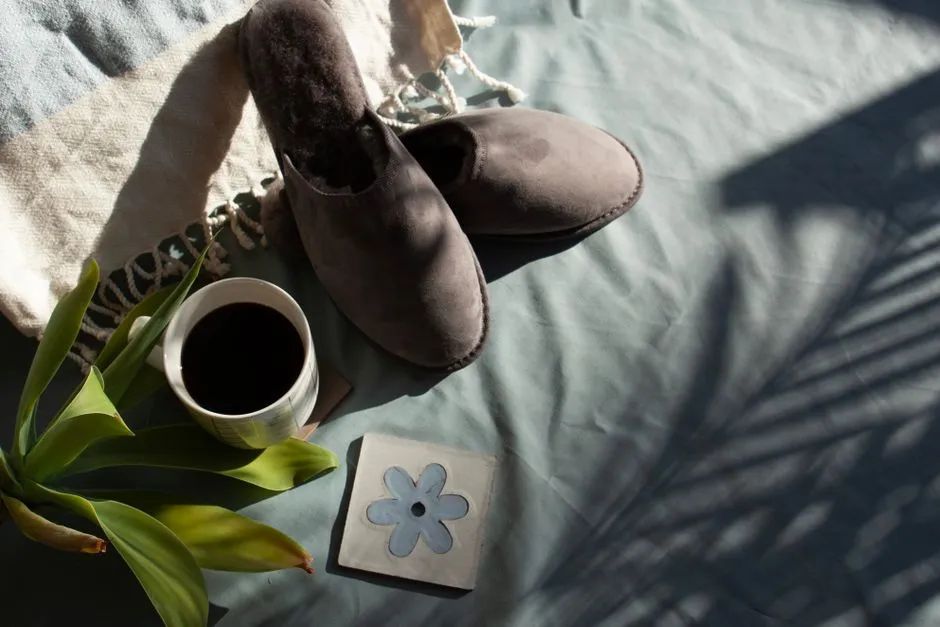
Hard-soled slippers with anti-skid bottoms and secure fastenings are suitable for home use. Avoid soft, backless slippers, as they are among the worst offenders for household falls. As a pragmatic solution, it may be possible for older people who are not prepared to wear shoes indoors to instead wear slippers designed to maintain balance, as backless slippers impair balance and provide a greater risk of fall-related injury than enclosed slippers.
Fear of Falling Is Its Own Compounding Risk
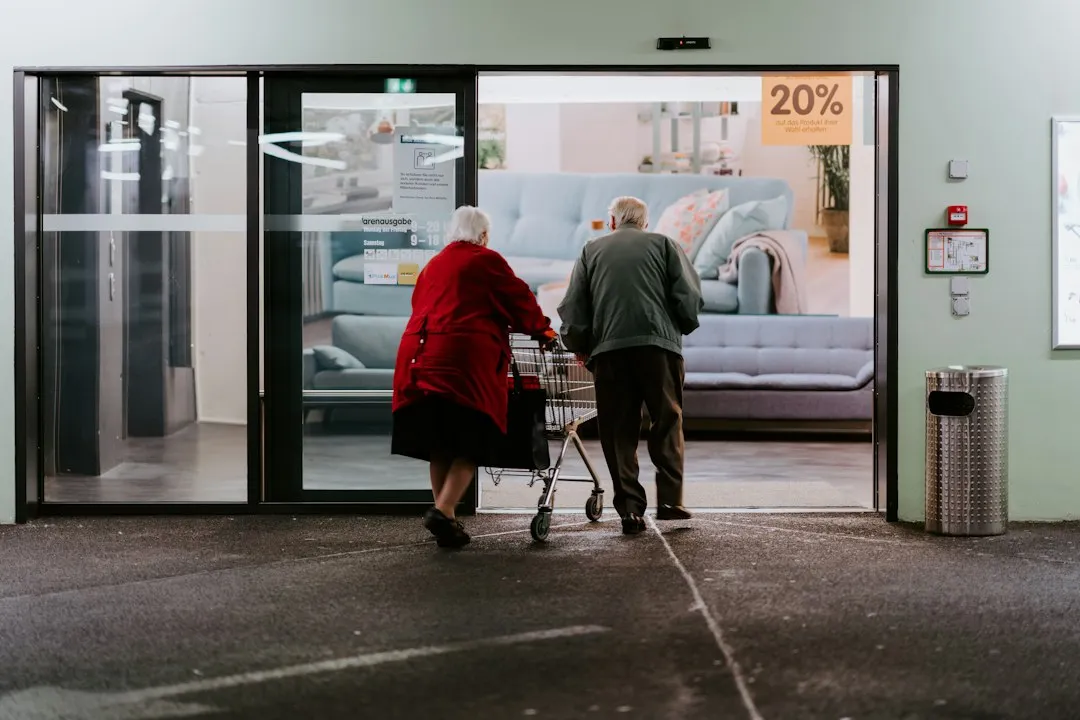
A past fall can as much as double your chances of falling again. Once a fall has happened, anxiety around movement often changes how a person walks even before they’ve put on their shoes. The caution becomes its own form of instability, and the wrong footwear makes this feedback loop worse.
Evidence-based programs can reduce the risk of falling and help people build strength, improve balance, and feel more confident. Addressing footwear is only one part of the equation, but it’s a part that requires no prescription, no specialist equipment, and no lengthy rehabilitation process. It’s a change that can happen today.
The Takeaway
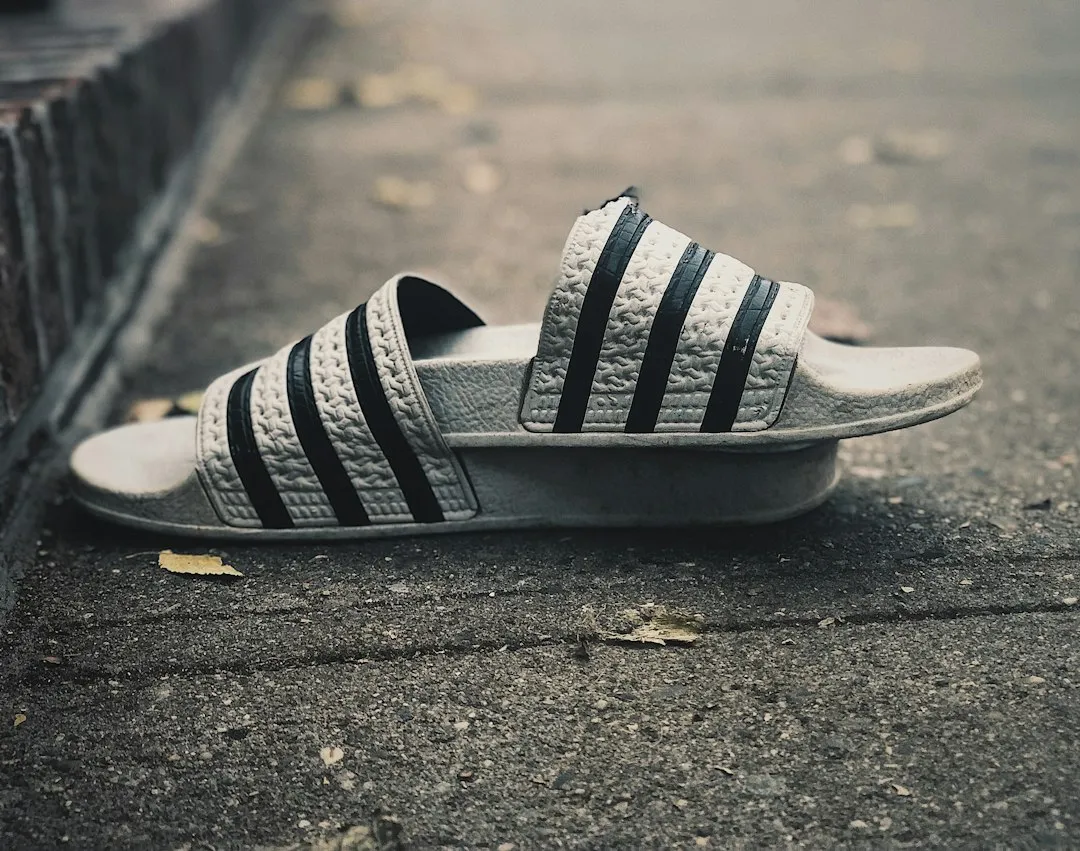
Slippers feel safe. That’s exactly why they’re easy to overlook. The comfort they offer is real, but so is the risk embedded in a loose heel, a smooth sole, and a fit that encourages shuffling instead of stepping. Physical therapists have been pointing at this for years, and the research backs them up consistently.
Swapping a backless, smooth-soled slipper for a structured house shoe with a secure heel and non-slip sole is a genuinely small change with a meaningfully large potential upside. The home, where most people feel safest, is also where many falls happen. That’s worth keeping in mind the next time you reach for the pair by the door.
AI Disclaimer: This article was created with the assistance of AI tools and reviewed by a human editor.