

Most people think of independence as something that either holds or slips away on its own. The reality is more nuanced. A growing body of research shows that specific daily habits, practiced consistently, can meaningfully delay functional decline and help older adults maintain the kind of life they want. It’s not about dramatic interventions. It’s about what you do, day after day.
Research shows that it’s never too late to adopt habits that can help maintain independence, protect cognitive health, and improve quality of life well into a person’s 80s and beyond. The five habits covered here aren’t speculative wellness trends. They’re grounded in real data, and they apply whether someone is 65 or 85.
1. Strength Training to Protect Muscle and Movement

Muscle loss is one of the most underappreciated threats to independence in later life. After age 30, people lose roughly three to five percent of muscle mass per decade, and this process accelerates after age 60, leading to weakness, balance problems, and loss of independence. The clinical term for this is sarcopenia, and it quietly affects millions of older adults.
Awareness of sarcopenia has grown, with greater attention to early identification and intervention in older adults. The good news is that strength training directly counters this process. Adults over 65 who completed a three-month strength exercise protocol combined with increased dietary protein improved frailty and self-perceived health, according to a study published in the journal Age and Ageing.
The U.S. Department of Health and Human Services recommends muscle-strengthening activities at least twice a week to maintain muscle mass and bone density. Even modest resistance work, whether with weights, resistance bands, or bodyweight exercises like squats and pushups, can produce measurable results. The goal isn’t a physique. It’s staying capable.
2. Balance and Gait Training for Fall Prevention

The 60s and 70s are an ideal time to start working on balance. The better a person’s balance, the less likely they are to fall, and falls are a leading cause of injury and loss of independence in older adults. This is not a subtle risk. Falls represent one of the fastest pathways from independence to care dependency.
One study showed that people aged 51 to 75 who could stand on one leg for just 10 seconds had an improved mortality rate. That’s a striking finding from a simple test. Practices like tai chi and yoga have demonstrated particular value here. Morning yoga or tai chi provides particular advantages for aging adults because these low-impact practices improve balance and proprioception, reducing fall risk while building functional strength.
Strength and mobility are gaining recognition as foundational to independence. In addition to walking, there is growing recognition of the role of resistance and balance training in maintaining mobility and reducing injury risk. A short daily routine focused on balance, even just ten or fifteen minutes, accumulates into something significant over months.
3. Regular Walking and Daily Movement
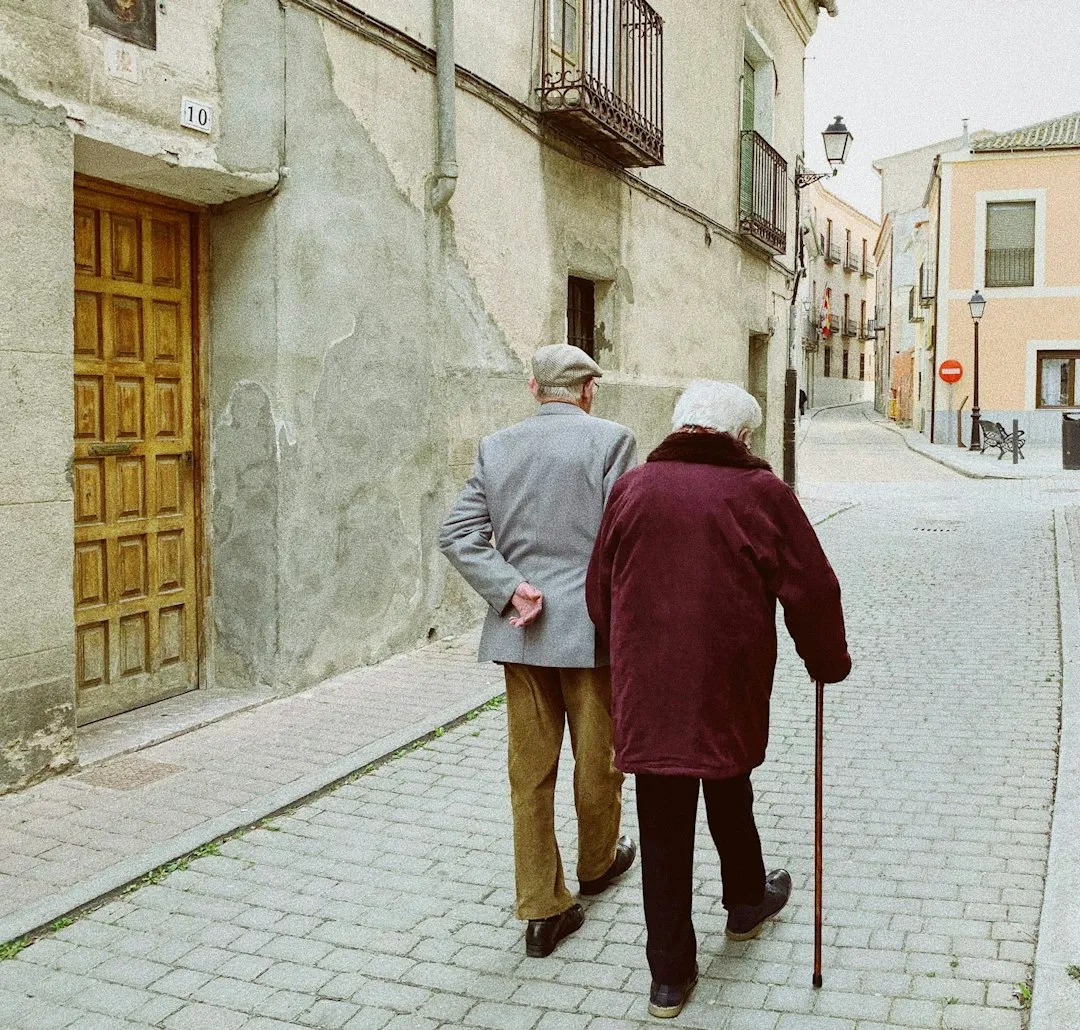
Roughly one in four adults aged 65 and older in fair or better health reported doing no physical activity or exercise other than their regular job in the past 30 days, based on 2024 data. That’s a large share of the older population missing out on one of the most accessible protective habits available.
Physical activity is very important for physical independence and reduces the risk of physical dependence in older adults, according to a 2024 systematic review and meta-analysis published in the Annals of Medicine and Surgery. Walking doesn’t require equipment, a gym membership, or a specific schedule. It just requires consistency. A 2025 study found that walking in minimum ten-minute spans, rather than just a few minutes at a time around the house or office, had the biggest impact on lowering mortality and cardiovascular disease.
Research shows that prolonged sitting is detrimental to health regardless of whether a person exercises formally. Establishing patterns of regular movement throughout the day, including taking stairs, walking during phone calls, or gardening, accumulates substantial health benefits. Structured walks are valuable. So is simply not sitting for long, unbroken stretches.
4. Prioritizing Quality Sleep Every Night

Sleep in older adults is frequently disrupted, and the consequences run deeper than most people realize. As many as half of older adults report poor sleep quality, leading to an increased risk of morbidity and mortality. That’s not a minor complaint. Poor sleep compounds over time and intersects with both physical and cognitive decline.
A 2024 study in the journal Sleep determined that sleep regularity, meaning consistently going to sleep and waking at the same time, is a powerful predictor of mortality risk, even more so than sleep duration, with the most regular sleepers having the lowest risk. Timing, it turns out, matters as much as duration. Findings from a 2025 study show that the standard sleep group had the optimal cognitive scores, episodic memory, and mental sharpness, whereas groups with either short or long sleep durations were significantly associated with cognitive decline.
Poor sleep quality may increase the risk of subsequent cognitive decline among older adults with compromised nutritional status, and a study identified that the impact of nutritional status on cognitive performance was partially mediated by sleep quality in older adults with chronic diseases. In other words, sleep doesn’t work in isolation. It amplifies, or undermines, nearly every other healthy habit a person tries to maintain.
5. Eating Enough Protein and Nutrient-Dense Foods

Diet advice aimed at older adults often focuses on what to avoid. The research increasingly suggests the opposite problem deserves more attention: many older adults are simply not eating enough of the right things. Promoting healthy eating habits that include foods rich in high-quality proteins and essential nutrients is a cornerstone for maintaining health and functional independence in older adults, according to a public health review published in 2025.
New reference levels for nutrient and energy intake developed by the Italian Society of Human Nutrition, along with supporting literature, recognize that protein requirements for older people are higher compared to younger adults. This runs counter to what many people assume, namely that protein is mostly a concern for athletes. For older adults, adequate protein is a daily defense against muscle wasting and functional decline.
In a 2025 U.S. News survey on healthy aging, responses from 53 health experts showed that exercise and diet are the cornerstones of aging well, with nearly half of experts prioritizing physical activity. A healthy, nutrient-rich diet and quality sleep were also ranked as top drivers of longevity. Protein at each meal, plenty of vegetables, and adequate hydration aren’t glamorous prescriptions. They are, however, some of the most evidence-backed choices an older adult can make.
6. Staying Socially Connected

Social connection is rarely framed as a health habit, yet the evidence supporting it rivals that of physical activity. Social isolation and loneliness can increase chronic disease risk, depression, and mortality. These aren’t soft risks. They translate into real functional decline and shortened independence.
Loneliness mediates the relationships between social support, social strain, and sleep quality in older adults, according to a study analyzing eight years of data from the University of Michigan Health and Retirement Study. The connections between social life and sleep, cognition, and physical health are tightly intertwined. Insights around how social connection influences healthy aging are among the top areas of interest for researchers and health experts.
Regular social contact doesn’t have to be elaborate. Phone calls, shared meals, community groups, and volunteer work all count. The key is frequency and consistency, making connection a habit rather than an occasion.
7. Mental Engagement and Cognitive Stimulation
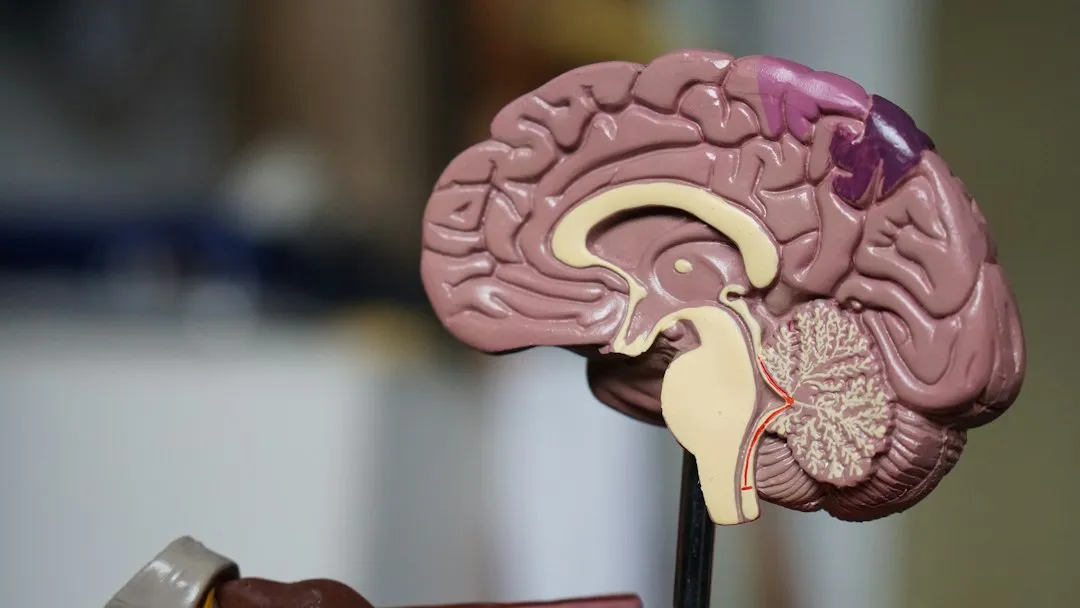
Research continues to examine how cognitive engagement, physical activity, sleep, and social connection interact to support brain function in later life. These habits are not separate levers pulling independently. They form an interconnected system, and cognitive stimulation is a meaningful part of it.
While no single intervention has been shown to prevent dementia, there is growing emphasis on combining lifestyle approaches with earlier detection, risk reduction, and long-term planning. Crossword puzzles, learning a new language, reading regularly, playing a musical instrument, and even taking new walking routes can all serve as forms of daily cognitive engagement.
Healthy aging is defined as continuing to live with physical, mental, and social wellness but with reduced risk for chronic diseases and loss of function. Keeping the mind actively engaged is not optional in that definition. It’s part of the core.
8. Managing Chronic Conditions Proactively
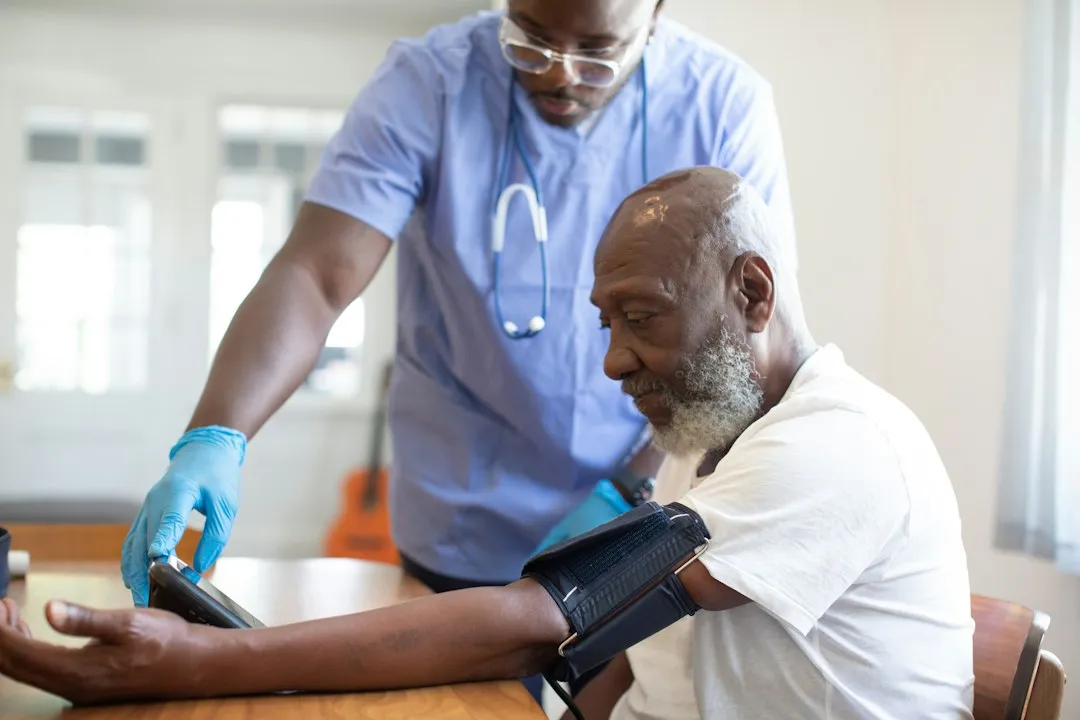
Independence doesn’t erode in a vacuum. Chronic diseases progressively impair an individual’s ability to perform activities of daily living independently and safely within their home and community. Staying on top of chronic condition management, through medication adherence, regular checkups, and communication with healthcare providers, is itself a daily protective habit.
Factors such as age, BMI, muscle function, handgrip strength, lower extremity function, aerobic endurance, sedentary time, agility, and the prevalence of arthritis all have a significant relationship with physical independence in older adults, according to a 2024 meta-analysis. Many of these factors are influenced by how well chronic conditions are controlled day to day. Letting blood pressure, diabetes, or joint conditions go unmanaged quietly chips away at functional capacity.
The concept of successful aging is associated with being able to live an independent and autonomous life, not necessarily free of any disease. Public health approaches should look at health-promoting interventions that prevent functional loss in both physical and mental terms. Managing a chronic condition well still leaves enormous room for independence.
9. Reducing Sedentary Time Throughout the Day

There’s an important distinction between exercising regularly and not being sedentary. A person can go for a daily walk and still spend the majority of their waking hours sitting, which carries its own set of health risks. Beyond structured exercise sessions, overall daily movement patterns significantly impact aging, and research shows that prolonged sitting is detrimental to health regardless of whether a person exercises formally.
Experts identified lack of exercise, smoking, and poor sleep hygiene as the most damaging behaviors that make people age faster. Sedentary behavior sits alongside these as a compounding factor. Simple habit changes matter: standing up every hour, walking to a neighbor instead of texting, doing light household tasks, or even gardening all add up meaningfully across a week.
A systematic review covering evidence from 2014 to 2024 places emphasis on lifestyle parameters including nutrition, physical activity, mental health, social relationships, avoidance of detrimental behaviors, and sleep as combined drivers toward healthy aging. Reducing sedentary time fits squarely within that framework.
10. Maintaining a Consistent Daily Routine

Routine might sound like a small thing, but its effects on aging are measurable. One of the most powerful daily practices for supporting healthy aging is waking at approximately the same time each day, even on weekends. This consistency strengthens the circadian rhythm, which governs not just sleep but also hormone production, body temperature regulation, and metabolic processes.
Research shows that circadian disruption is associated with accelerated aging at the cellular level, while maintaining regular sleep-wake cycles supports longevity. A predictable daily structure also supports medication adherence, regular meals, and consistent exercise, all of which reinforce each other. Simple daily behaviors including regular exercise, eating healthfully, and getting enough rest remain the most powerful drivers of lifespan and healthspan, according to health experts surveyed in 2025.
Routine reduces decision fatigue, which matters more as people age. When healthy behaviors become default rather than effortful choices, they’re far more likely to stick.
The Takeaway

Independence in later life isn’t a fixed trait. Few studies have addressed the potential of self-care behaviors among older adults to prolong independence in later life, but what the evidence does show is clear: the habits practiced daily are the ones that shape outcomes over years. No single habit here requires a major life overhaul.
Small daily habits, like exercise, diet, and sleep, collectively form the foundation for living longer, healthier lives. The accumulation is the point. A little strength training, consistent sleep, social contact, protein at meals, and fewer hours on the couch, done day after day, adds up to a meaningful difference in how long and how well someone can live on their own terms.
The research is increasingly clear on this. Staying independent longer is less about luck and more about the quiet, unremarkable choices made before breakfast, after dinner, and in between.
AI Disclaimer: This article was created with the assistance of AI tools and reviewed by a human editor.