

Your phone buzzes. You glance at the screen and see a message from a number you don’t recognize. It reads something like: “Hi Mom, I lost my phone. Text me back at this number.” Your first instinct is to respond immediately, because that’s what parents do.
That instinct is exactly what criminals are counting on. At first glance, a “Hi Mom” scam text looks like an ordinary message from your child, but it’s actually a carefully crafted phishing strategy designed to prey on trust and urgency to trick you into sending money. What began as a fairly simple text fraud has grown into one of the most persistent and emotionally manipulative scams circling the globe right now.
How the Scam Works From the First Text

Scammers have learned that one of the surest ways to trick people is to appeal to their emotions by faking an urgent situation. The “Hi Mom/Hi Dad” scam begins with a text message from an unknown number pretending to be from their child. The recipient is told that their family member has lost or broken their phone and is trying to contact them on a borrowed one, a realistic and believable scenario.
Scammers send out messages pretending to be a child who has lost their phone and now needs help. Of course, it’s usually money they want. Once you text them back, they start the ruse. It could be any number of wants, but they try to tug at your heartstrings, asking for urgent help paying a bill or buying a new phone, and then provide payment details that go straight into the scammer’s pocket.
The attack typically starts with an unknown number claiming a broken phone, then directs the recipient to reply to a second unfamiliar number, a two-step handoff designed to deepen engagement before a money request arrives.
The Numbers Tell a Troubling Story

The cyber support service IDCARE reported a nearly forty percent rise in “Hi Mum” scam reports in 2024 alone. That figure covers just one country. Zoom out and the broader picture becomes harder to ignore.
According to the FTC’s latest Data Spotlight, text scam losses are skyrocketing. In 2024 people reported $470 million in losses to text scams, more than five times the amount reported in 2020. Family impersonation scams sit right at the center of that surge.
People reported losing a staggering $3.5 billion to imposter scams in 2025, with reported losses increasing nearly three times since 2020. FTC data also show that people reported imposter scams more than any other fraud category in 2025, with nearly one in three fraud reports about imposter scams.
Why Parents Fall for It Every Time
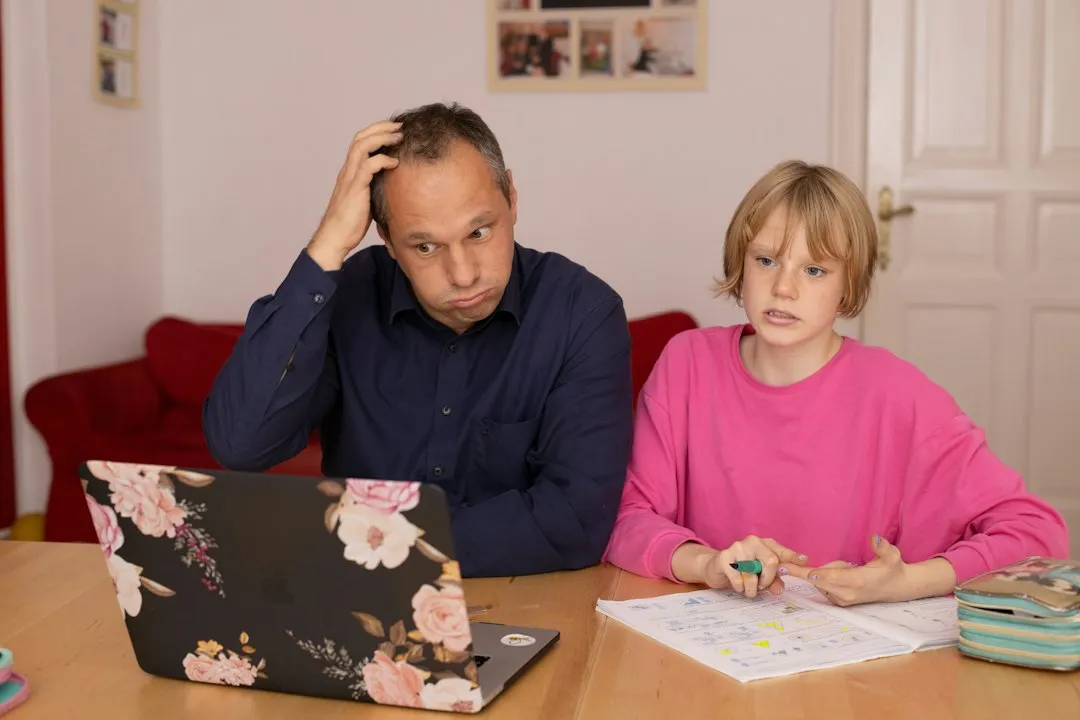
This scam illustrates just how strong the emotional pull of a “Hi Mom” message can be. It taps right into a parent’s instinct to look after or save their child. Rational thinking gets pushed aside the moment someone believes their kid is in trouble.
These messages will have a sense of urgency. The sender may claim that they’ve lost or damaged their phone, for example by getting it wet or dropping it, and will urge you to respond as soon as possible via SMS or WhatsApp. The time pressure is a deliberate design choice, not an accident.
Researchers at University College London and Stop Scams UK, publishing at the 2025 USENIX Security Symposium, found the scam more effective than traditional phishing because it relies on interactive conversation rather than a single malicious link. A back-and-forth exchange builds false trust in a way that a simple dodgy link never could.
The Scam Has Gone Global

Three years on from when the first “Hi Mum” texts appeared on Australian mobile phones, parents are still falling for this emotive scam. It spread quickly from Australia and the UK to North America, Europe, and beyond.
The Hi Mum scam AI variant originated in the UK and Australia but has spread globally. Similar voice cloning attacks target families across Europe, North America, and Asia, wherever WhatsApp has significant user adoption and where family bonds can be weaponized.
Global scam losses reached an estimated $442 billion in 2025, according to the Global Anti-Scam Alliance and Feedzai. In the US, the FBI’s IC3 recorded $20.9 billion in losses from one million complaints. Family impersonation sits inside that larger wave of fraud.
AI Is Making the Scam Frighteningly Convincing

Scammers are using AI to replicate the voices of family members in a next-level “Hi Mum” scam that is extremely hard to detect. Artificial intelligence has made it easier to fall victim to the so-called “Hi Mum” scam, with fraudsters now using voice cloning technology to trick people into thinking they are speaking with their family members over the phone.
Scammers can create an AI replica of someone’s voice using a short recording of their speech, often pulled from social media or an earlier scam call that was surreptitiously recorded. Social media can also provide a trove of information about family members and close friends who could be targeted.
AI voice cloning in 2026 is built on an industrial scale, and available to any criminal with a modest monthly subscription. For law enforcement and security professionals, it represents something far more calculated: the transition of voice cloning into a commoditized, transnational fraud-as-a-service operation.
Older Adults Are Being Hit the Hardest

There has been a more than four-fold increase since 2020 in reports from older adults who say they lost $10,000 or more, sometimes their entire life savings, to scammers who impersonate trusted government agencies or businesses to convince consumers to transfer money.
Victims over 60 lost $4.9 billion to cybercrime in 2024, a roughly forty percent jump from the previous year, according to FBI data. The “Hi Mom” style of scam is a significant contributor to that figure, given its direct targeting of the parent-child relationship.
The FBI’s 2025 Internet Crime Report flagged AI-driven fraud for the first time in a dedicated section. Older Americans lost $352 million to AI-related scams that year, which prominently featured deceptive voice-cloning schemes.
Real Stories: What Victims Actually Experienced

One mother received a message saying, “Hi mom, I dropped my phone, this is my new number, text me back when you see this.” After texting back and forth, the scammer asked her to make two payments that they were unable to make because their new phone could not access their banking app.
She said red flags were not going off because while living abroad, her son had a history of going through phones and sometimes needing help to make certain payments. She would eventually transfer the scammers almost $2,000.
In another documented case, the scam text went on to say the “child” urgently needed $4,750 to pay a bill but could not access her bank account and asked her mother to pay it for her. These amounts are not random. They are calibrated to feel urgent without being so large that a parent immediately refuses.
How to Spot the Warning Signs

Key red flags include: the sender has an unknown cell phone number, the message describes an urgent or emergency situation and requests immediate help, the message is not signed with your child’s name, a creative reason is given for the strange cell phone number. You are then asked to reply on a messaging application such as WhatsApp, and once you reply, you are asked to transfer money.
The scam typically begins with a simple text saying “Hi Mum” or “Hi Dad.” Once the victim responds, the scammers then try to pressure them into sending money before they have time to fully consider their actions. Adding to the concern is the use of AI technology by scammers to create voice messages that sound like the family member in need, increasing the likelihood of the scam being successful.
Pay attention to the generic language. The scammer does not use a real name. “Text me here” tells you to respond on the scammer’s terms. “On my work phone” explains why the number looks unfamiliar. Taken individually, each detail sounds plausible. Together, they form a script.
What You Should Do If You Receive One

The first rule is: don’t respond right away. Call or text your child’s real number first, even if you think it’s possible that the phone truly is lost. That one step alone breaks the entire scam.
Never send money or gift cards without independently verifying who you’re really talking to. Don’t use a phone number provided in a text or email unless you are completely sure it’s legitimate. If they’re asking for gift cards or crypto, it’s most likely some type of scam.
Avoid answering the message, even to say the sender has the wrong number. A reply can confirm your number is active. That may lead to more scam texts later. You can also forward suspicious texts to 7726, which spells SPAM, to report them to your carrier.
The Rise of Text Scams Across All Age Groups
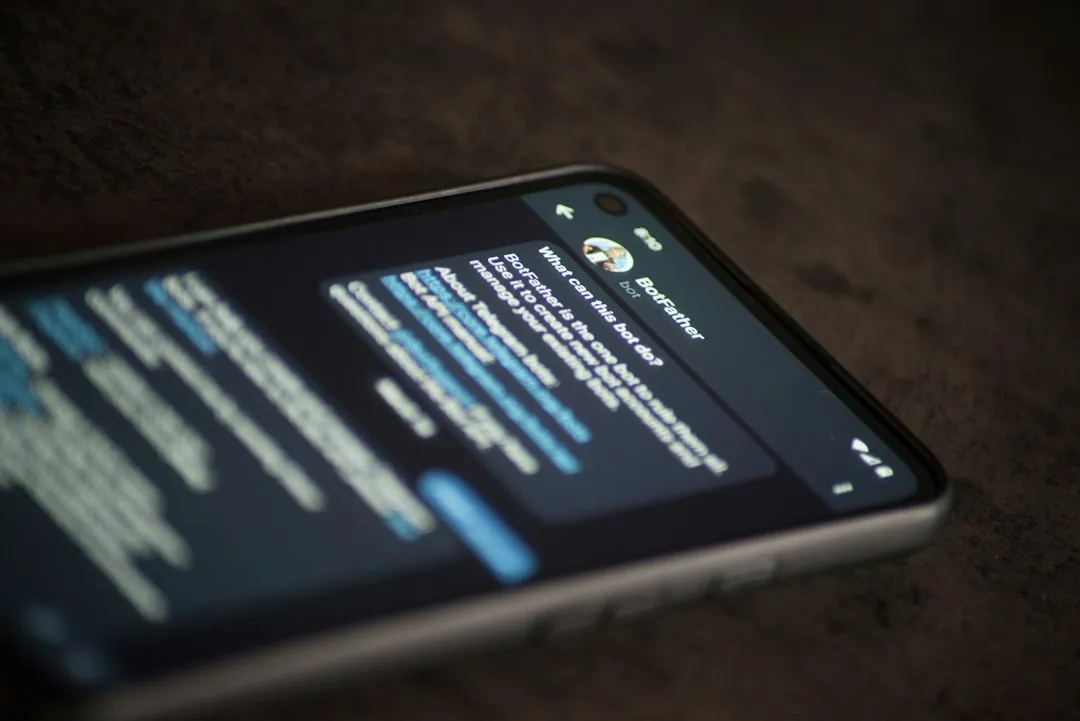
Roughly thirty percent of Americans who encountered a digital scam in the past year said it started with a text or messaging app, up from twenty percent the year before, according to the 2025 Cyber Readiness Report, an annual assessment from Consumer Reports, Aspen Digital, and the Global Cyber Alliance.
Gen Z, those aged 18 to 29, were particularly affected. Roughly forty percent of this group who reported a cyberattack or scam attempt said it began via text. The previous year it was only about thirteen percent. The assumption that younger people are immune to this kind of fraud simply does not hold up.
The FTC has seen a striking increase in reported fraud losses across all types of fraud. About $16 billion was reported lost in 2025, the highest on record and an increase of roughly twenty-five percent compared to the 2024 figure. Text-based family impersonation is one engine powering that climb.
The Takeaway

The “Hi Mom, I lost my phone” text is so effective precisely because it weaponizes something good: the care parents have for their children. A national cyber safety charity reported that the number of calls it received about the “Hi Mum” scam rose by roughly a third in a single year. That is not a problem that is fading on its own.
Research shows that one in three people who engage with AI-powered voice calls end up losing money, with average losses of over $18,000 across the six countries surveyed. The emotional trigger is the vulnerability, and scammers know it better than most.
The single most reliable defense remains the simplest one: pause, ignore the message, and call your child on the number you already have saved. If they pick up, the scam is over in seconds. If they don’t, keep trying before doing anything else. No legitimate emergency disappears because you took two minutes to verify it.
AI Disclaimer: This article was created with the assistance of AI tools and reviewed by a human editor.