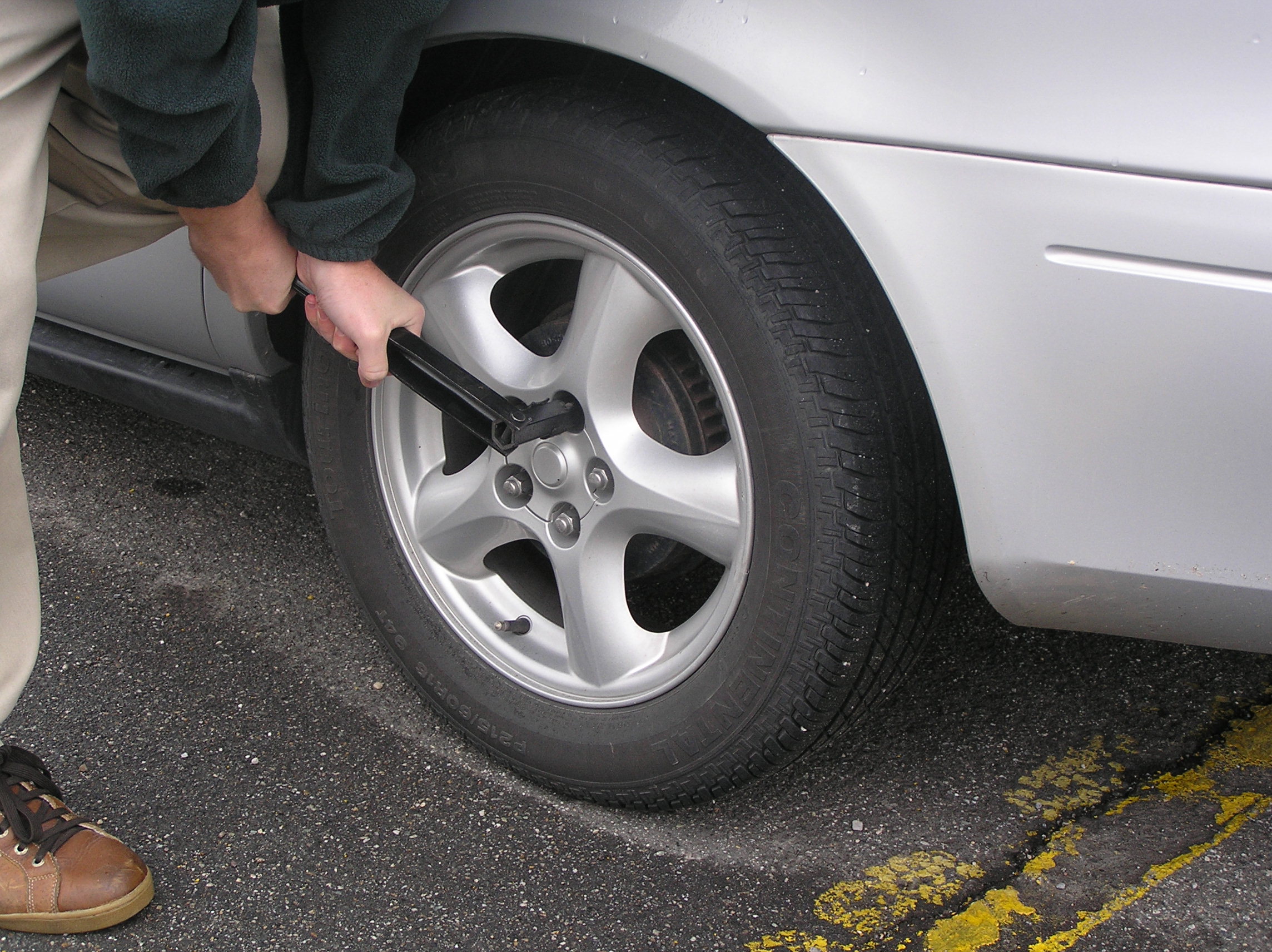

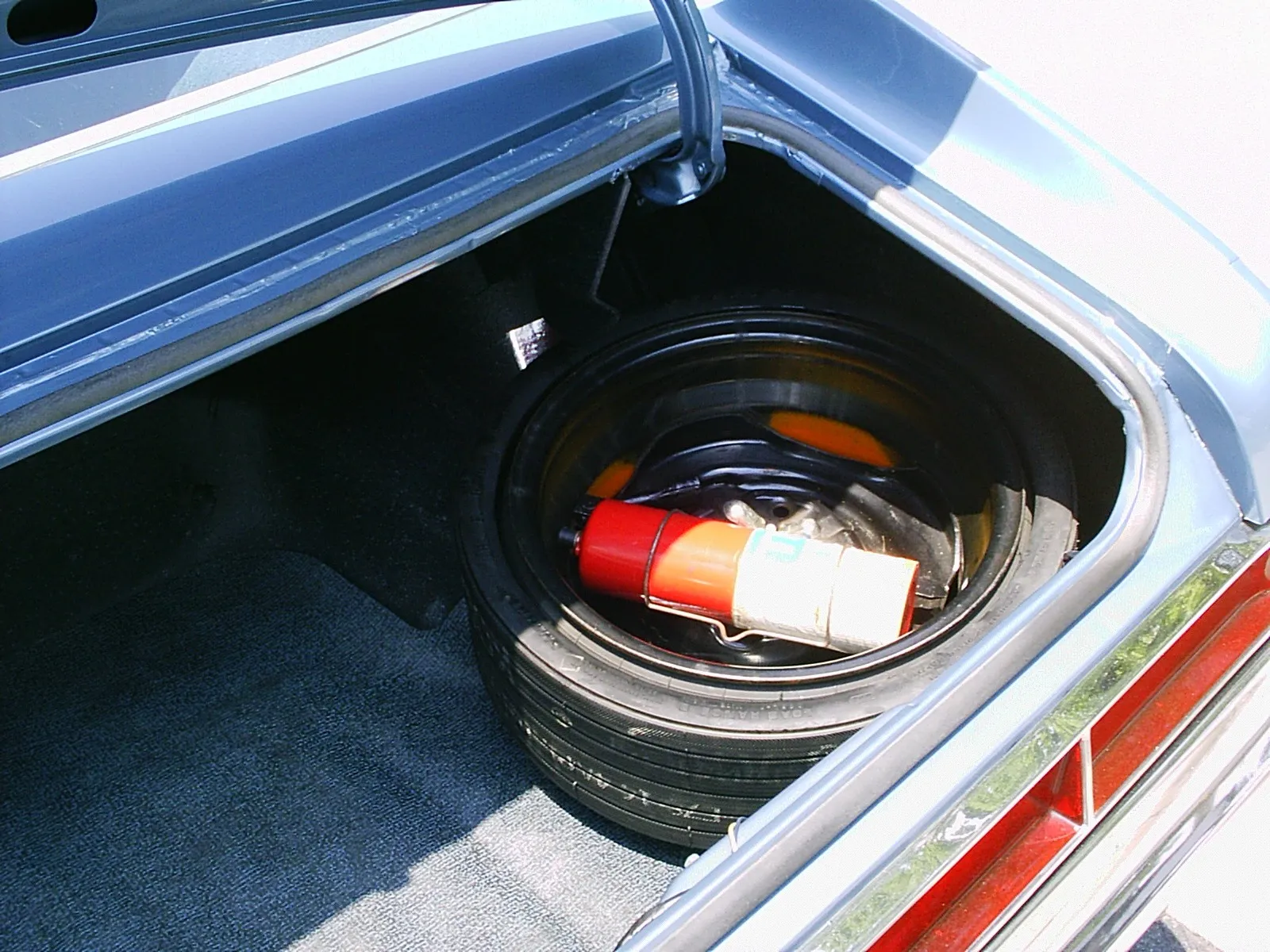
Pull into a parking lot after a blowout, open your trunk, and search around for the familiar spare tire. For a growing number of drivers, that search ends in confusion. The compartment is there, but the tire is not.
This has become a surprisingly common roadside moment in 2026, and most drivers have no idea it could happen to them until it already has. The spare tire, once as standard as a steering wheel, has been quietly disappearing from new vehicles for well over a decade, and the numbers behind that shift are striking.
A Trend That Grew From a Trickle Into a Flood
Approximately 30 percent of new cars now come without a spare, up from just 5 percent in 2006, and it is estimated there are more than 30 million cars on the road that lack a spare tire. That shift happened gradually, without much fanfare or public debate. Most buyers simply assumed the spare was included and never checked.
Consumer Reports found that since 2020, only around one in ten cars is equipped with a full-sized spare, while just under half come with a space-saver or “donut” tire. Those numbers signal a real structural change in how automakers think about what belongs in a new vehicle.
The Fuel Economy Argument
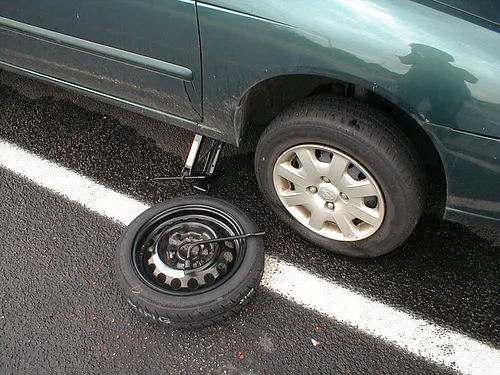
The main reason manufacturers are removing spare tires is tough government fuel economy standards. A spare tire, vehicle jack, and related tools can weigh 30 pounds or more, and getting rid of that weight provides a small but measurable increase in fuel economy, an increase automakers welcome because it also saves them money.
Without a spare tire, vehicles save roughly 30 pounds and achieve a modest improvement in fuel efficiency. That does not sound like much in isolation, but when multiplied across hundreds of thousands of vehicles in a model year, it moves the needle on fleet-wide fuel economy averages in a meaningful way.
The Cost Savings Manufacturers Rarely Advertise
The cost argument is straightforward: not offering a spare tire on entry-level vehicles introduces savings during manufacturing. According to the Los Angeles Times, Hyundai managed to save $22 per vehicle by not including a spare tire on models like the Elantra, a figure that adds up to millions of dollars when multiplied by total sales volume.
Carmakers can save several hundred dollars per vehicle by foregoing the spare in new vehicles. Those savings do not always translate into a lower sticker price for the buyer, which is a tension that consumer advocates have noted more than once.
What Drivers Get Instead
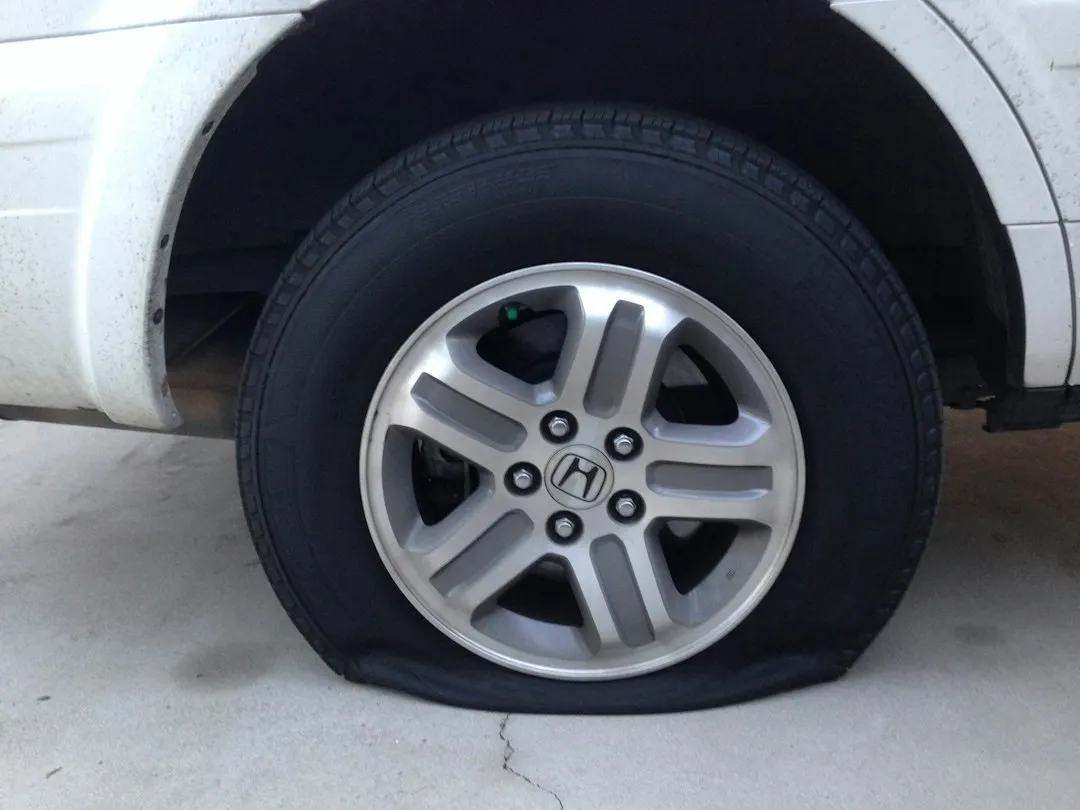
Substitutes include the compact or “donut” spare, a smaller and lighter tire meant to be inflated with an air compressor, run-flat tires with thick sidewalls capable of carrying a car about 50 miles even when punctured, and the “mobility kit,” which consists of a compressor and a can of sealant used to plug a puncture.
Automakers may replace the spare with a tire sealant kit, inflator, run-flat tires, roadside assistance, or nothing more than a warning in the owner’s manual. That last option, in particular, catches many drivers off guard entirely. They open the trunk and find instructions for a solution that does not exist in the car.
The Problem with Sealant Kits
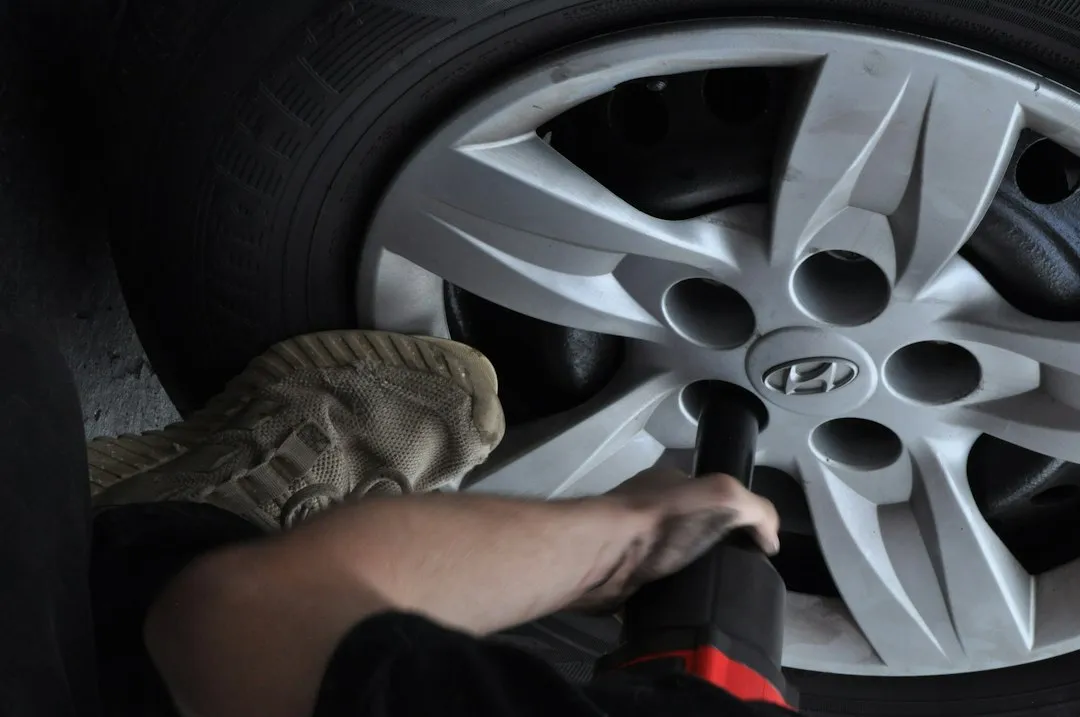
While sealant works in many cases, a driver could be stuck on the shoulder if the hole that caused the flat is larger than a quarter of an inch, or if the puncture is on the side of the tire. These are not rare failure scenarios. Sidewall damage from potholes or road debris is one of the most common causes of roadside tire failures.
Tire sealant is designed to patch holes by filling them with a gooey substance that sets and seals the leak, yet even if it can patch a leak temporarily, its corrosive nature means the whole tire will have to be replaced shortly thereafter. Drivers who thought they got a quick fix sometimes discover a few days later that the tire is no longer salvageable.
Run-Flat Tires: Better, But Still Limited
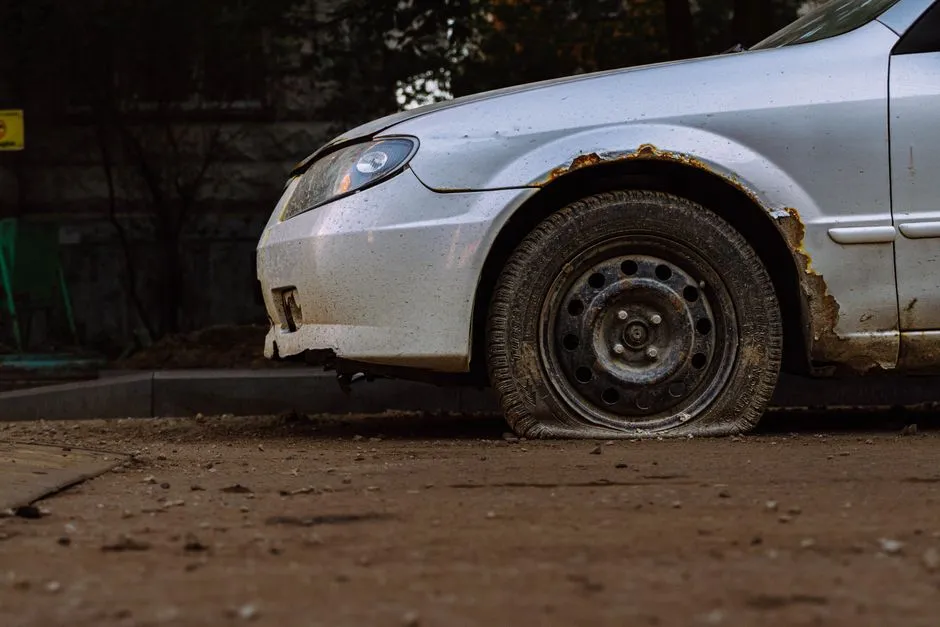
Run-flats are notorious for their hard ride and less-responsive handling, though recent iterations have improved. They are often pricey and difficult to find in a hurry, and they will fail if the tire separates from the rim after hitting a deep pothole.
Driving on a run-flat for even the shortest of distances will ruin the tire, meaning it will need to be replaced. If you are somewhere remote and get a flat, you may not be within range of the next tire repair shop, and other downsides include higher prices and reduced ride comfort. For long-distance travelers and rural drivers, those limitations carry real weight.
Electric Vehicles and the Spare Tire Problem
Electric and hybrid vehicles are especially likely to skip spare tires because space and weight are already under pressure. Battery packs, charging hardware, aerodynamic design, and cargo packaging can make a spare harder to include. The irony is that EV drivers, who already manage range anxiety on longer trips, face added uncertainty when a tire fails far from home.
Among popular 2025 models, the Tesla Model Y comes with only a tire repair kit, the BMW 3 Series relies on run-flat tires, the Kia EV6 includes tire sealant, the Toyota Prius provides a compressor and sealant, and the Mazda CX-30 offers no kit at all as standard equipment. The spread across price points and brands shows that this is not just a budget-car phenomenon.
The Roadside Assistance Numbers Tell the Real Story
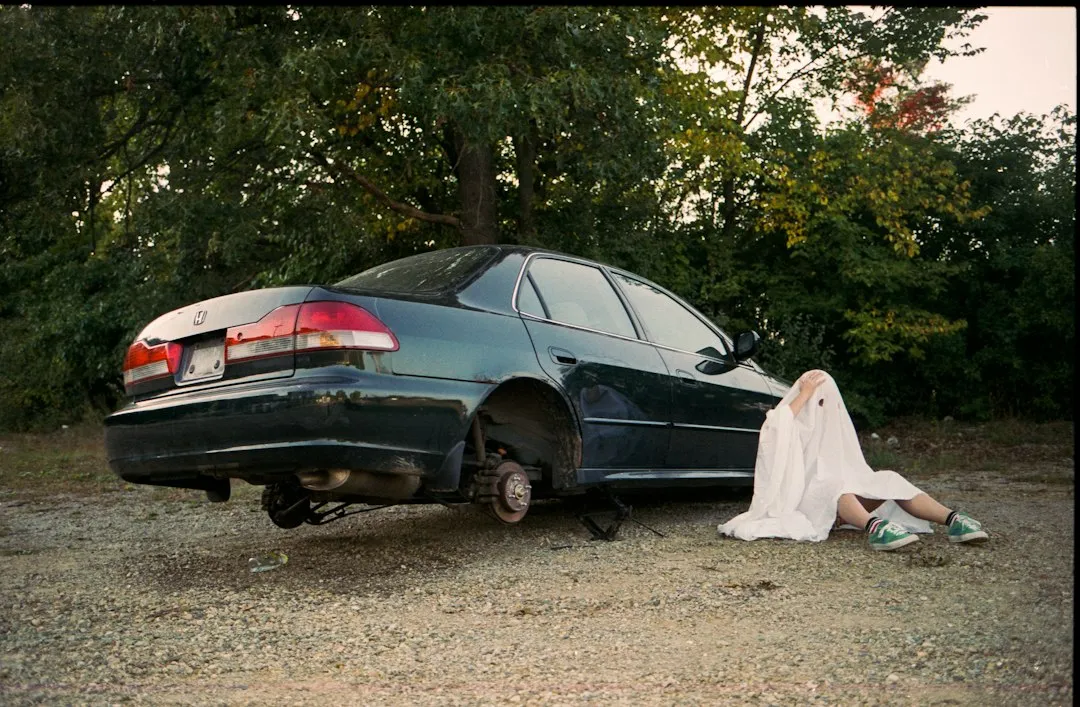
In 2024, AAA responded to nearly 3 million calls for roadside assistance involving flat tires. That figure alone suggests that the combination of alternatives offered in place of a spare is not closing the gap. Flats remain common, and many drivers are still ending up stranded.
Unlike a full-size spare, which can be used indefinitely, the substitutes are strictly temporary, good only until the flat tire is repaired or replaced. The gap between “getting back on the road” and “actually solving the problem” is something too few new car owners understand until they are standing on a highway shoulder.
Most Drivers Don’t Know Until It’s Too Late

Drivers who aren’t aware their car has no spare are likely to find that out at the worst possible moment: when they’re stranded on the side of the road. Dealership staff acknowledge that buyers rarely think to ask, and sales conversations don’t tend to lead with what’s missing from the vehicle.
An AAA report identified 136 vehicle models that do not include spare tires as standard equipment. That list cuts across economy cars, mid-size sedans, crossovers, and luxury vehicles, which means the assumption that “my kind of car would have one” is simply not reliable anymore.
What You Can Actually Do About It
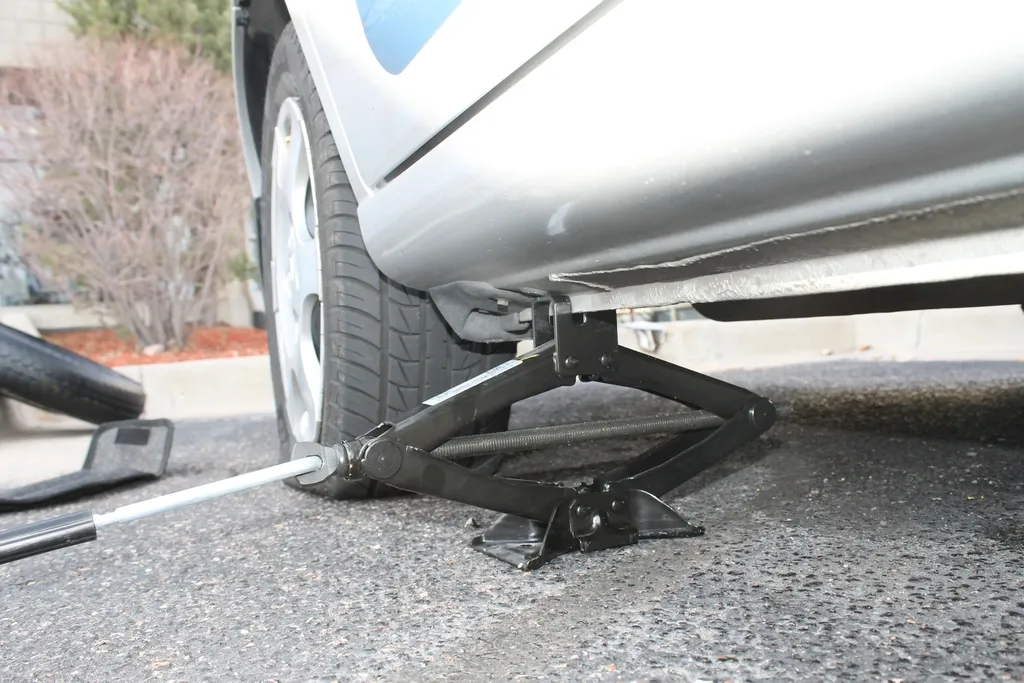
AAA recommends the additional investment of purchasing a spare tire when buying a new vehicle, noting that the cost of a spare may be less than that of replacing a sealant or inflator kit, and it will help ensure your mobility regardless of the reason for a flat.
If your current car lacks a spare, auto dealers and aftermarket tire retailers sell spare tires and the related tools for vehicles that originally came with a sealant or inflator kit, with costs typically ranging from $300 to $600 depending on the vehicle. For drivers who frequently travel rural roads or long highways, that one-time expense is worth taking seriously.
When shopping for a new vehicle, buyers can ask if there is an option to purchase a spare tire with the vehicle. It’s a simple question that most people forget to raise and might regret later.
The Takeaway
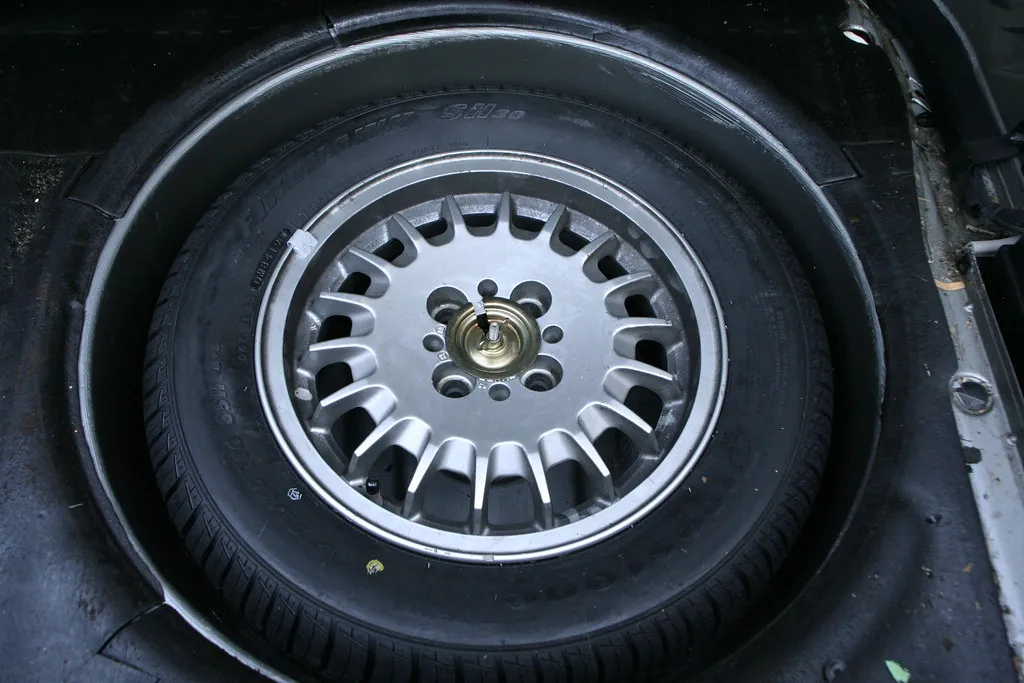
The spare tire did not vanish overnight. It was nudged out gradually by regulatory pressure, cost calculations, and a general assumption that alternatives would be good enough. For many drivers in routine situations, they are. For the ones caught far from a tire shop with sidewall damage and a can of sealant that won’t help, the trade-off feels far less reasonable.
The most practical step any driver can take right now is simple: open the trunk and look. Know what is there, know what to do with it, and decide whether it is enough for the roads you actually drive. That knowledge costs nothing, but not having it has stranded millions of people.
AI Disclaimer: This article was created with the assistance of AI tools and reviewed by a human editor.