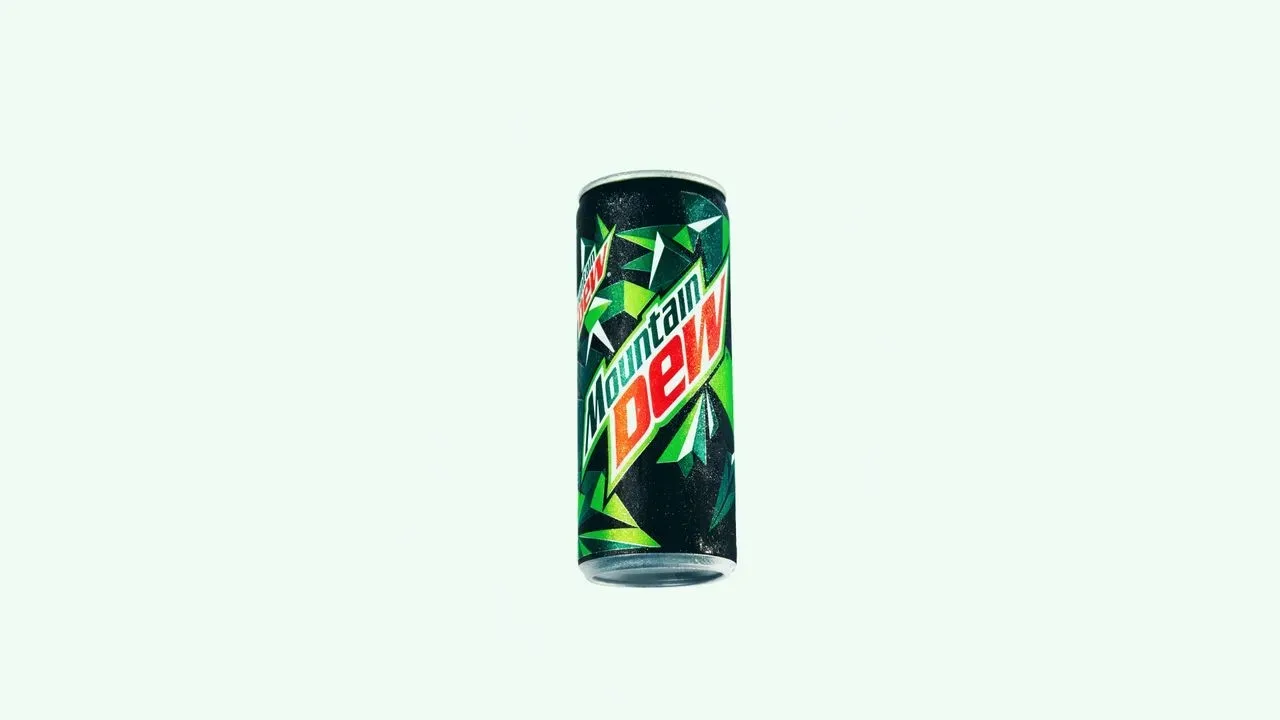

A forgotten can of Mountain Dew often surfaces in the back of a pantry or the bottom of an old cooler, its printed date faded and its contents long forgotten. Many people wonder whether the drink remains worth opening or if it has turned unsafe. In reality, a sealed and undamaged container generally stays safe well beyond that date, with changes limited mostly to taste and fizz. ([1])
Why Sealed Cans Resist Spoilage
Mountain Dew contains citric acid and preservatives that create an environment hostile to bacterial growth. The drink’s low pH level helps prevent the kind of spoilage seen in perishable foods like milk or meat. As a result, an intact can or bottle rarely poses a safety risk even after months or years on the shelf. The main shifts that occur involve gradual loss of carbonation and a softening of the citrus notes.
The Date on the Can Explained
Manufacturers stamp dates on soda containers to indicate peak quality rather than a hard safety cutoff. Federal guidance treats these markings as estimates of best flavor, not expiration deadlines. A product that passes its date can still be wholesome if the packaging shows no damage and storage conditions were reasonable. Heat exposure remains the factor most likely to affect quality before any safety concern arises.
Diet Versions and Temperature Sensitivity
Diet Mountain Dew and similar low-sugar options follow the same basic safety profile as the regular version. However, aspartame and related sweeteners can lose stability more quickly when exposed to prolonged warmth. A can stored in a hot garage or car may taste thinner or less sweet, though it does not become unsafe solely from that exposure. Checking the container for integrity before opening still applies.
Storage Practices and Clear Warning Signs
Keep unopened Mountain Dew in a cool, dry spot away from direct sunlight and temperature swings. Once opened, reseal bottles tightly and refrigerate to preserve carbonation for a day or two. A short list of conditions that call for disposal includes:
– Bulging ends on cans or swollen plastic bottles
– Leaks, sticky seams, or heavy rust
– Visible particles, clumps, or unusual odor upon opening
These indicators point to possible container failure or contamination regardless of the printed date.
After the Seal Breaks
Carbonation escapes steadily once a container is opened, and refrigeration slows that process. An opened bottle kept cold with the cap secure usually retains acceptable fizz for a short time. Leaving it at room temperature for extended periods increases the chance of quality loss, so discarding long-neglected open containers is the prudent choice.
The same logic applies whether the soda sits in a can or a plastic bottle. Old stock from before recent formulation changes may carry different additives, so reviewing the ingredient list on any unusual can provides useful context. In most everyday situations, however, the decision comes down to inspecting the packaging and trusting personal judgment on flavor once the drink is poured.
AI Disclaimer: This article was created with the assistance of AI tools and reviewed by a human editor.