

The Most Dangerous Hours: 6 AM to Noon

Myocardial infarctions occur more frequently in the morning, a pattern reflecting 24-hour rhythms in cardiovascular functions such as blood pressure and coagulation. This isn’t a minor statistical blip. Studies found that the incidence of a heart attack is three times higher in the morning compared to late evening, and ST segment elevation myocardial infarction was roughly ten percent more common in the morning than in the afternoon or night.
Between 6 AM and noon, there is a forty percent higher risk of heart attack, a twenty-nine percent increased risk of cardiac death, and a forty-nine percent increased risk of stroke compared with what would be expected if these events happened at random and were evenly distributed throughout the day. Those numbers are striking. The morning isn’t just a slightly elevated risk window; it’s a substantially different biological environment.
The Role of the Body’s Internal Clock

Heart attacks peak in prevalence and severity in the morning, and the molecular mechanisms that drive this pattern are only just being uncovered. The circadian regulation of cardiovascular function is complex and shaped by factors that can be intrinsic or extrinsic to heart muscle cells, such as blood pressure, heart rate, and hormone production.
The majority of cardiovascular diseases, including myocardial infarction, stroke, arrhythmia, and sudden cardiac death, have been found to have a distinct circadian rhythm, with incidence generally peaking in the morning between 6 AM and noon. This is not coincidence. The body’s internal clock actively orchestrates a series of physiological changes at dawn, and in people with underlying heart disease, those changes can tip a vulnerable situation into a crisis.
The Cortisol and Adrenaline Surge

Morning blood pressure increases because cortisol, adrenaline, and angiotensin levels rise upon waking. Cortisol, often called the stress hormone, is naturally at its highest concentration in the early morning hours. For a healthy heart, this surge is harmless. It’s simply the body preparing for the demands of the day.
When the body transitions from sleep to wakefulness, there is a surge of adrenaline that raises blood pressure and makes the blood a bit stickier. When an alarm clock goes off and someone starts thinking about everything they have to do that day, it can raise levels of cortisol, which is already naturally at its peak in the morning, and this transition can increase heart rate and cause blood vessels to constrict. For anyone whose arteries are already narrowed, that combination of events is genuinely hazardous.
Blood Pressure Spikes at Dawn

Blood pressure steeply increases during the morning, mildly elevates during the early evening, and dips at night. A morning surge in blood pressure and heart rate is thought to be the result of increased cortisol levels and adrenergic stimulation after waking up.
While normal fluctuating blood pressure is harmless, unstable or exaggerated spikes, especially in the morning, can put serious stress on the heart and arteries. Blood pressure rises naturally to help the body start the day, but for people with high blood pressure, this surge can put extra strain on the heart and arteries. The surge isn’t a flaw in the body’s design; it’s a feature that becomes a liability when cardiovascular disease is already present.
Blood Becomes Stickier: The Clotting Factor
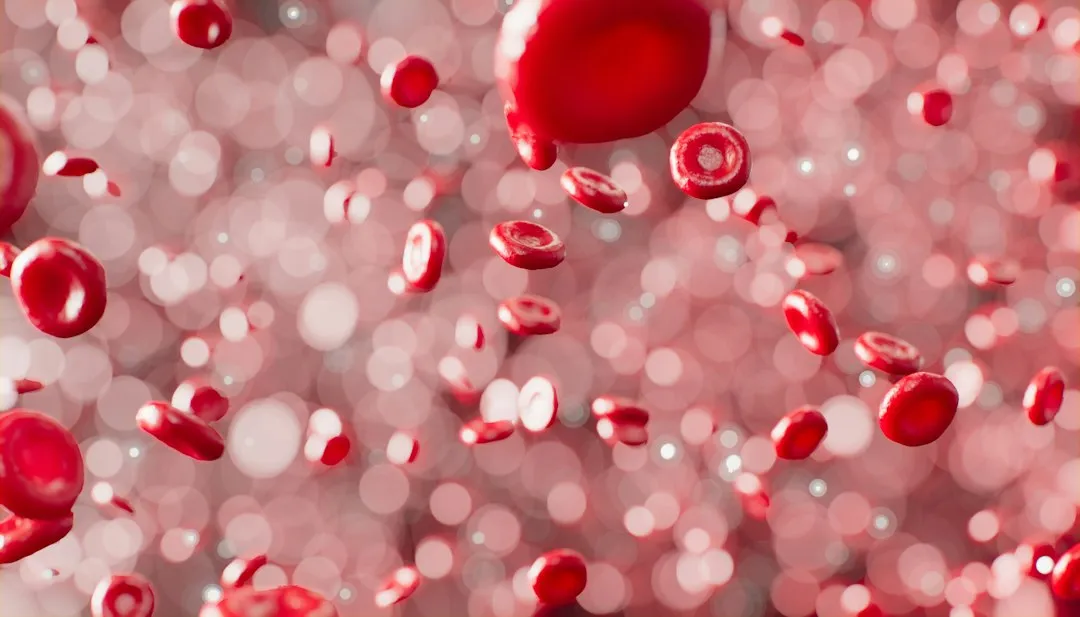
The highest platelet aggregability and highest concentration of plasminogen activator inhibitor-1 (PAI-1) occur in the morning. PAI-1 is rhythmic and peaks in the biological morning, suggesting a role for the circadian clock in reducing fibrinolytic activity in the morning, with this circadian rhythm approximately eight times larger than changes in PAI-1 induced by behaviors such as mild exercise.
One study showed that PAI-1 is also highest when a person wakes up. Increased PAI-1 cells are important because they prevent blood clots from breaking down. The higher your levels of PAI-1, the higher your risk of a blood clot, which can cause a heart attack. This is a crucial part of the morning risk picture. It isn’t just about pressure on the vessel walls; it’s also about the blood’s own tendency to clot being at its most pronounced precisely when other stressors peak.
Morning Heart Attacks Are Also More Damaging

The time when most heart attacks seem to occur may also be the most damaging time to experience a myocardial infarction. One study reported that individuals who have a heart attack between 6 AM and noon suffer twenty percent more damage to their heart muscle than those who have a heart attack later in the day.
Patients who had a heart attack during morning hours will mostly have a larger infarct size and worse prognosis compared with patients having a myocardial infarction during the rest of the day. This is a sobering detail. Not only are heart attacks more likely in the morning, they tend to cause greater injury when they do occur. Researchers published in Nature in 2025 identified specific molecular mechanisms through which the body’s circadian clock influences how much damage occurs during morning cardiac events.
The “Monday Effect” and Why It Compounds Morning Risk

A study by doctors from the Belfast Health and Social Care Trust and the Royal College of Surgeons in Ireland examined over ten thousand patients and found a thirteen percent higher incidence of STEMI heart attacks on Mondays. STEMI, a severe form of heart attack caused by the complete blockage of a major artery, is often linked to sudden stress. Experts suggest this “Blue Monday” effect may be related to the body’s circadian rhythm and the abrupt shift from a relaxed weekend to the high stress of the workweek.
Increased stress hormones brought on by going back to work may cause heart plaques to become unstable and result in a heart attack. Monday morning, then, is a compounding event where the regular daily morning risk intersects with the weekly psychological pressure of the return to work. The body’s physiology and the demands of modern life collide at exactly the wrong time.
The Circadian Clock and Sudden Cardiac Death
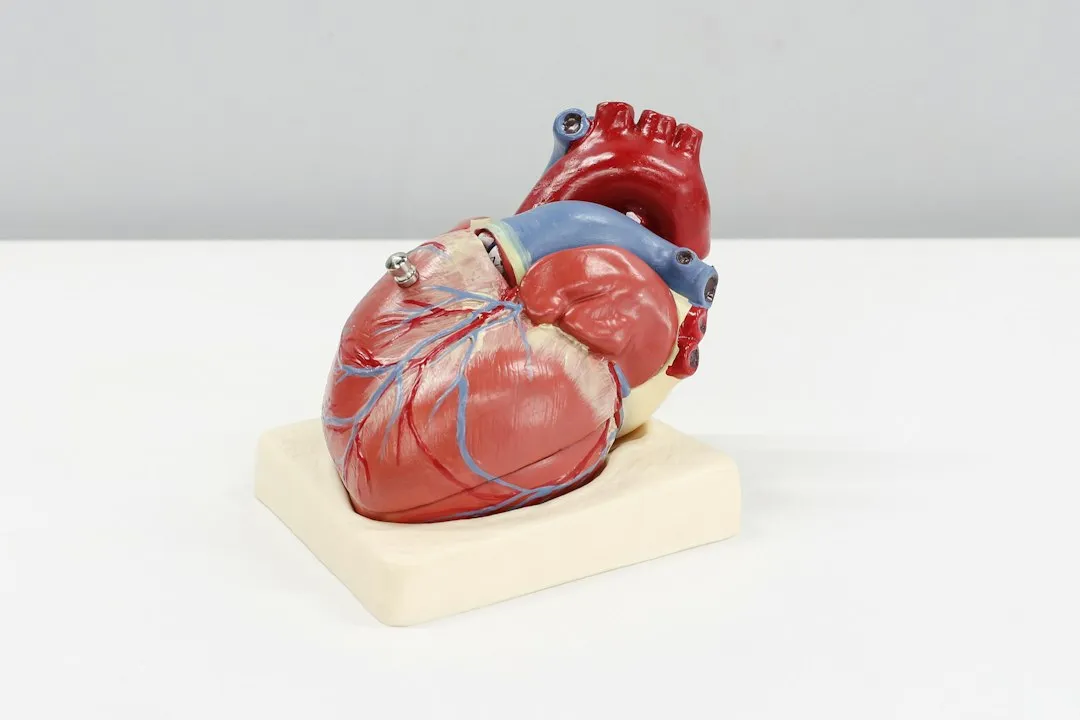
Sudden cardiac death follows a distinct pattern, with a higher incidence in the morning. Adverse cardiovascular events occur more often at certain times of day. These events include myocardial infarction, sudden cardiac death, and ischemic stroke, which all peak around the sleep-to-wake transition in the early morning.
Circadian rhythm helps regulate the cardiovascular system, particularly during sleep. The cardiac recovery phase occurs during sleep and cardiac activation is required during the daytime to support the demands of the circulatory system. When the circadian rhythm is disrupted, it increases the risk of a heart attack. This explains why shift workers and people with disrupted sleep schedules carry a notably elevated long-term cardiovascular risk.
Shift Workers and Circadian Misalignment

Epidemiological studies show that adverse cardiovascular events peak in the morning, between 6 AM and noon, and that shift work is associated with cardiovascular disease, obesity, and diabetes. When the body’s clock is forced out of its natural alignment, the cardiovascular protections that come with regular circadian rhythms begin to break down.
Individuals who work night shifts and those whose blood pressure has a different circadian pattern have a higher risk of cardiovascular events, but may be less likely to have an increased risk of cardiovascular events in the morning specifically. This is a nuanced but important distinction. The morning peak in risk is tied to the individual’s own sleep-wake transition, not to the time on the clock alone. For a night shift worker, their “morning” risk window follows their own waking schedule.
What Cardiologists Recommend for the High-Risk Window

The first hour after rising can be a crucial window for cardiovascular well-being. Board-certified cardiothoracic surgeons note that the early hours of the morning are among the most dangerous times of the day for heart health due to a rise in blood pressure, surge in stress hormones, and increasing heart rate.
Since risk is highest between 6 AM and 9 AM, cardiologists advise avoiding heavy exertion immediately after waking. Taking blood pressure medications as prescribed, with some doctors recommending taking them at night to cover the morning surge, and staying warm during winter mornings, are practical steps that can make a meaningful difference. Rising gradually, avoiding sudden intense physical effort, and managing psychological stress in the first hour of the day are all consistent with what the science shows about this high-risk window.
The Takeaway

The morning heart attack pattern isn’t a curiosity; it’s one of the most consistently observed findings in cardiovascular medicine. The body’s internal clock, the hormonal cascade that follows waking, the stickiness of early-morning blood, and the natural spike in blood pressure all converge in ways that create a narrow but real window of elevated danger.
For healthy people, these changes are manageable and essentially routine. For those with existing heart disease, high blood pressure, or diabetes, understanding this window is genuinely actionable knowledge. The body isn’t betraying us each morning. It’s running a program that was designed for a different set of demands. Knowing how that program works is the most honest place to start when it comes to protecting the heart.
AI Disclaimer: This article was created with the assistance of AI tools and reviewed by a human editor.