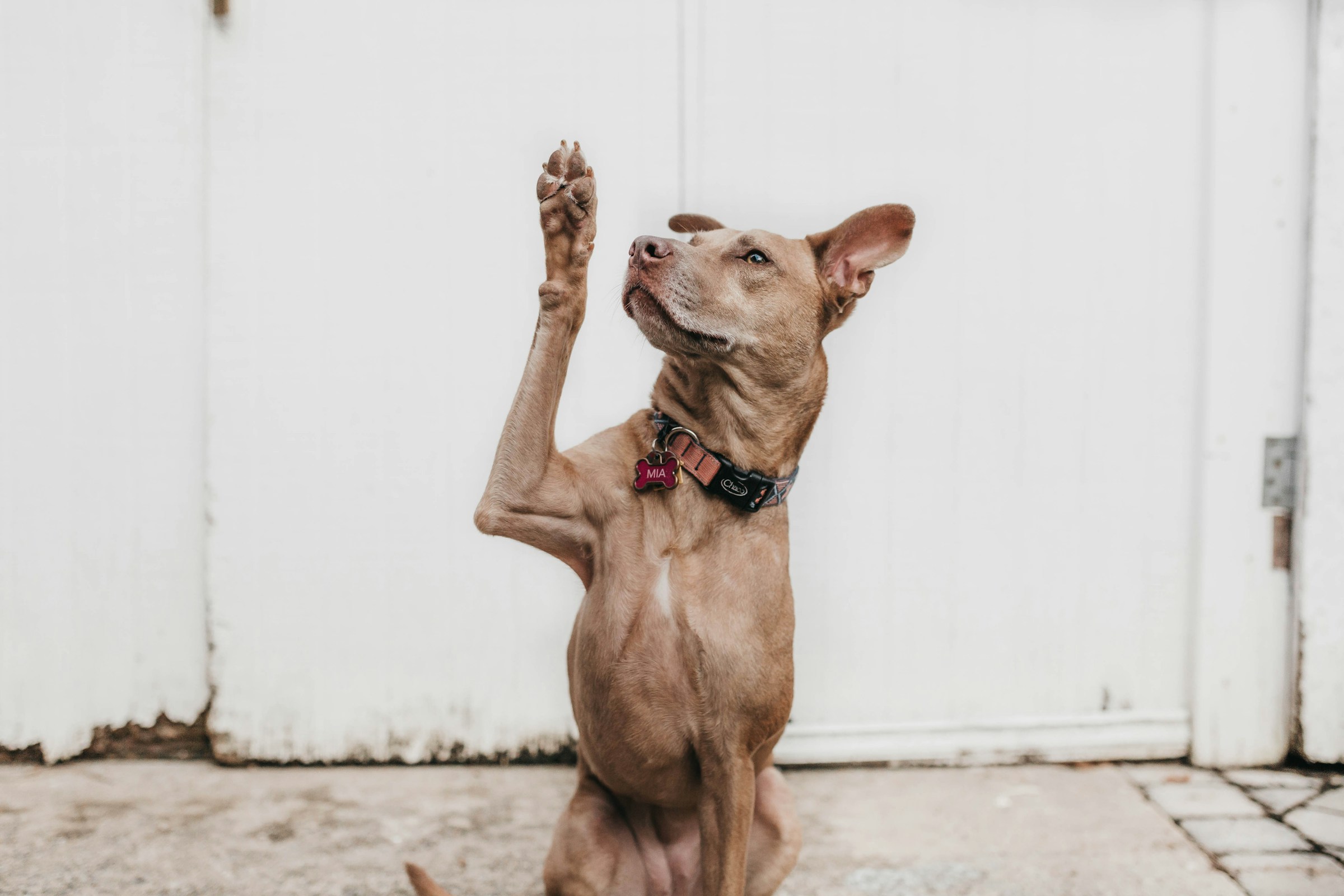

1. They Hold Soft, Sustained Eye Contact With You
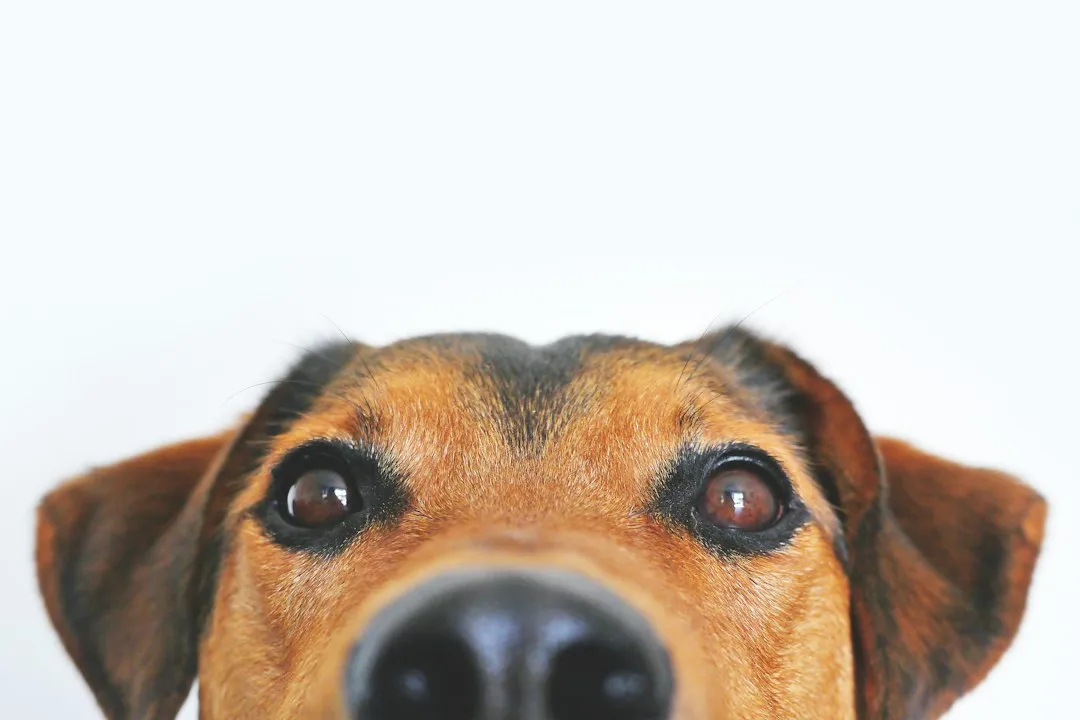
Dogs are generally cautious about eye contact, especially with strangers or those they don’t trust. When your dog locks eyes with you without hesitation, it’s a sign they feel safe and comfortable in your presence. It’s a small act that carries a lot of weight.
Research by the University of Tokyo and others shows that mutual gaze between dogs and humans triggers oxytocin release, the so-called “cuddle chemical,” and that relaxed, extended eye contact builds the bond between dog and human. This isn’t just warmth; it’s biochemistry working in your favor.
Soft, prolonged eye contact is one of the strongest trust indicators in dogs. Unlike a hard stare, which can feel threatening, gentle eye contact signals affection and connection. Studies show that this interaction releases oxytocin, the same hormone involved in bonding between humans and their babies.
2. They Expose Their Belly Around You
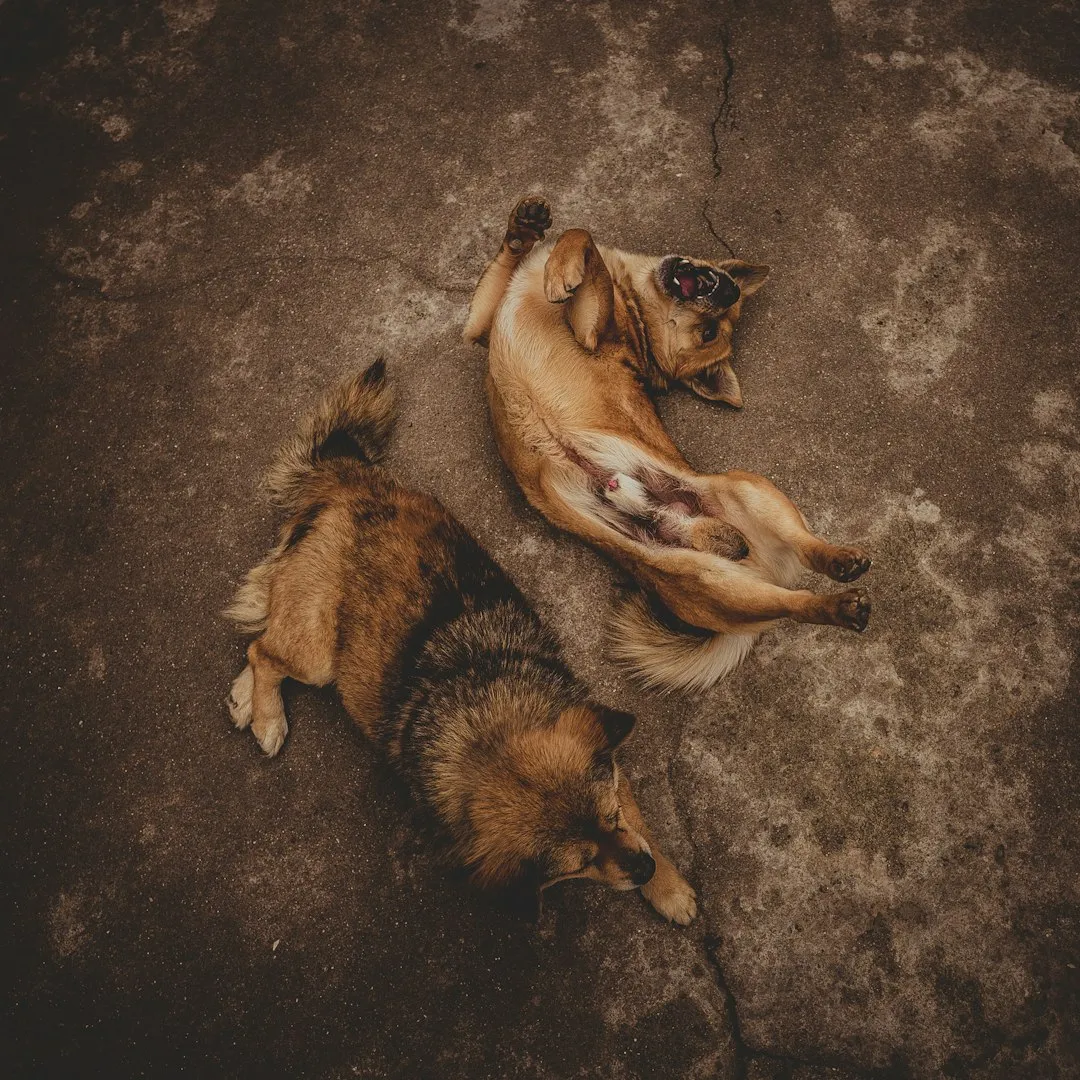
When a dog rolls onto their back and shows their belly, they’re exposing their most vulnerable area. This act is a huge sign of trust because it signals they feel completely safe around you. It’s one of the clearest physical gestures in canine body language.
When a dog rolls onto its back and shows its belly, it’s putting itself in a highly vulnerable position. According to canine behaviorists, this signals that they trust you completely. Dogs don’t offer that kind of exposure lightly.
Dogs in the wild would never do this unless they felt entirely secure. When your dog flops onto their back in front of you without hesitation, that’s not just asking for a belly rub. That’s a statement.
3. They Sleep Near You or Let Their Guard Down at Rest
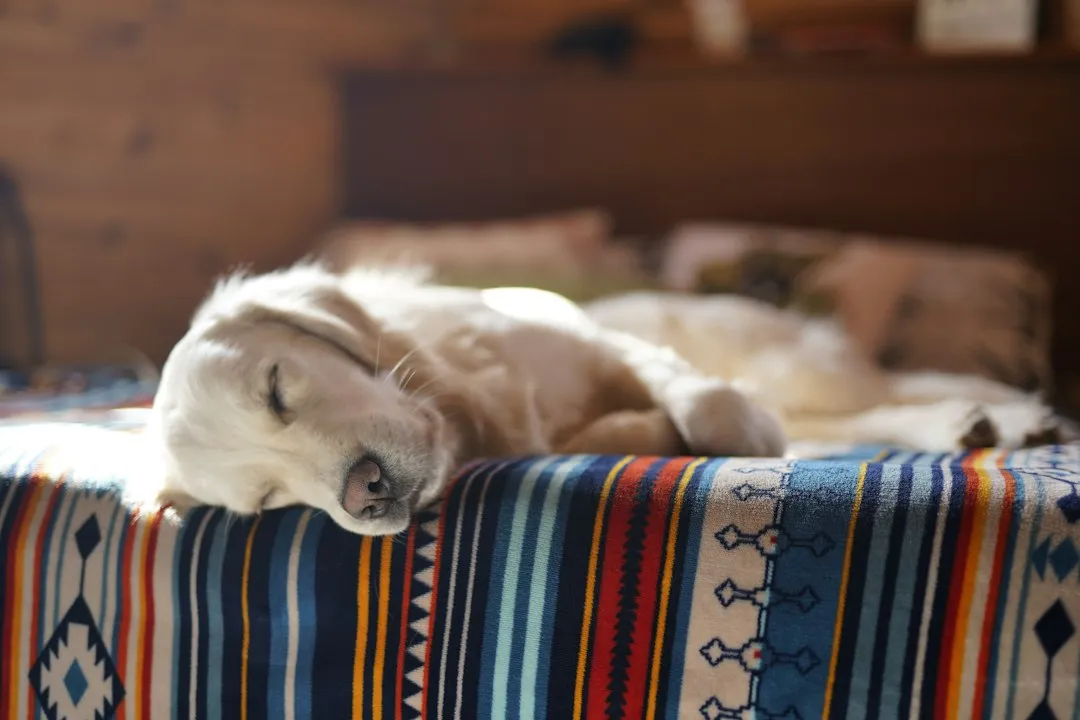
Dogs are instinctively cautious about where they rest, so choosing to sleep near you, or even better, touching you, indicates deep trust. In the wild, dogs sleep close to their pack to stay safe. By snuggling up, your dog is telling you that they see you as their safe space and protector.
Puppies may sleep deeply because they are growing fast, while older dogs may choose softer, quieter spots because their joints need comfort. If your dog consistently settles near you during rest time, that is one of the sweetest trust signals you can get.
You’ll know you’ve earned deep trust when your dog shows you their most vulnerable self: sleeping deeply near you, exposing their belly freely, coming to you for comfort when scared, and staying relaxed during handling or medical care. Sleep is where defenses drop completely.
4. They Bring You Their Favorite Toy
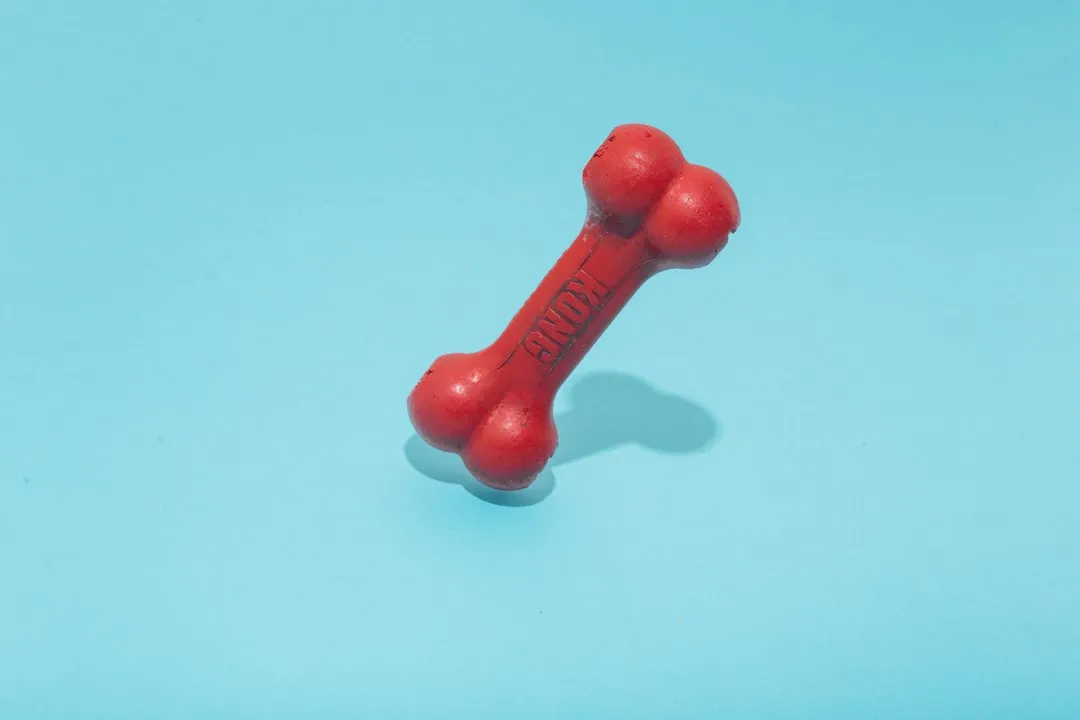
When your dog brings you their favorite toy, it’s more than just a play invite. This act signifies trust and affection. By offering their toy, they are sharing something valuable with you. Think of it as a dog’s version of a meaningful gift.
Dogs will often give gifts to the leaders of their pack to show affection, respect, and trust. They can be possessive of their belongings, so trusting you with their favorite toys could be their way of expressing their faith in you.
It’s also worth noting that a dog’s willingness to engage playfully with you reveals a relaxed emotional state. Research shows that the effect of an owner’s attention manifests through dogs’ toy-related behaviors. Dogs were more willing to offer a toy to their owner when that person was paying attention to them. Engagement goes both ways.
5. They Come to You for Comfort When Scared
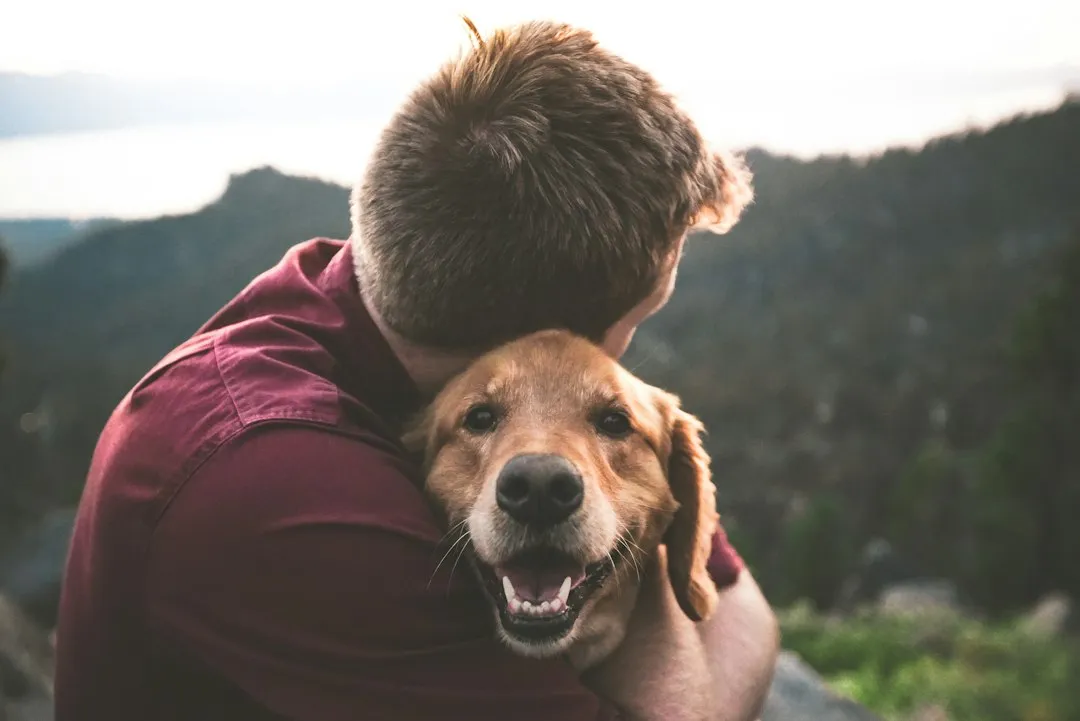
A dog that checks in with you when nervous, like in a new place, shows they see you as their emotional anchor. They look to you for reassurance and guidance. That kind of behavior doesn’t happen by accident; it’s built through consistent, reliable care over time.
Research evaluating the “secure base effect” found that dogs tend to explore and play more in the presence of their caregiver compared to another person. This secure base effect is considered a key characteristic of human attachment bonds and has also been described for the dog-caregiver relationship.
Research found that dogs’ reactions, either approaching an unfamiliar person independently or remaining close to their owner, depended on how warm the owner had been during interaction. Dogs who stayed close to their owner had warmer owners. The study suggests that dogs are influenced by how their owner interacts with them outside of training situations.
6. They Relax Their Body Completely Around You
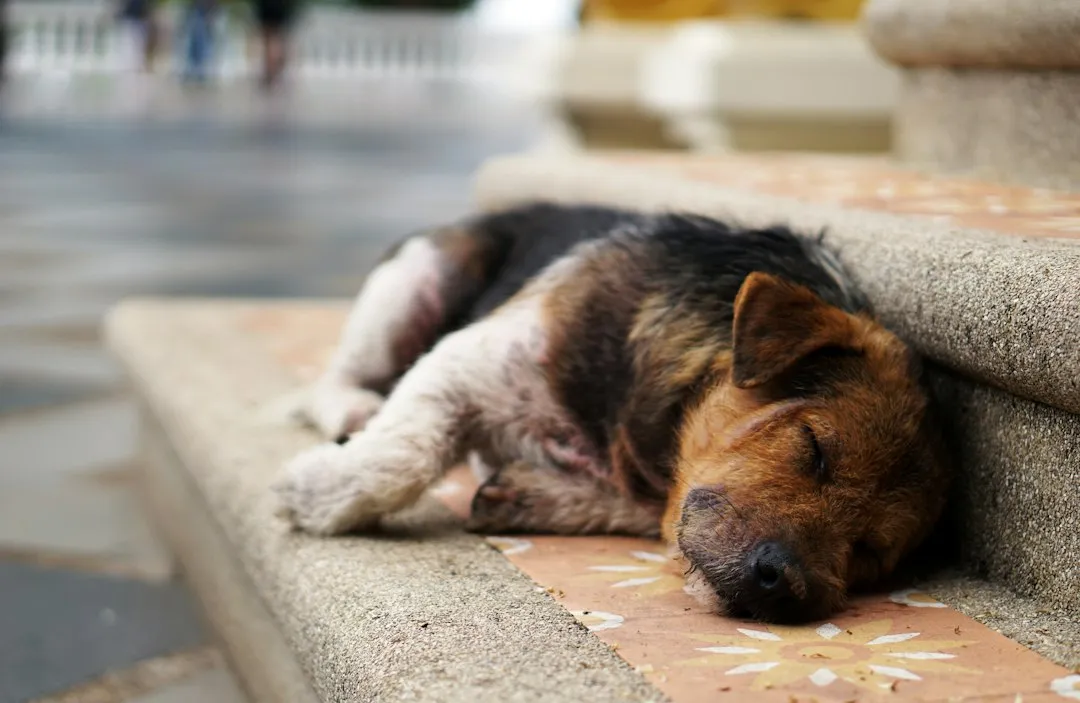
A relaxed dog is a trusting dog. When your dog lies down with loose muscles, a wagging tail, or an open mouth, it’s a sign that they feel completely comfortable around you. This relaxed body language shows they don’t perceive threats and trust you to keep them safe.
A trusting dog usually looks loose, not stiff. Their body may curve softly when they approach, their mouth may rest open, their tail may wag in a relaxed sweep, and their eyes may look soft rather than wide or hard. You may notice your dog melting into the floor, leaning into your leg, or doing a big contented sigh after settling near you.
Dogs who are tense or nervous will often have a stiff posture, but when they are around someone they trust, they relax mentally and physically. This indicates that your dog feels secure in your care and is content being by your side. The body doesn’t lie.
7. They Follow Your Daily Routine and Anticipate Your Moves
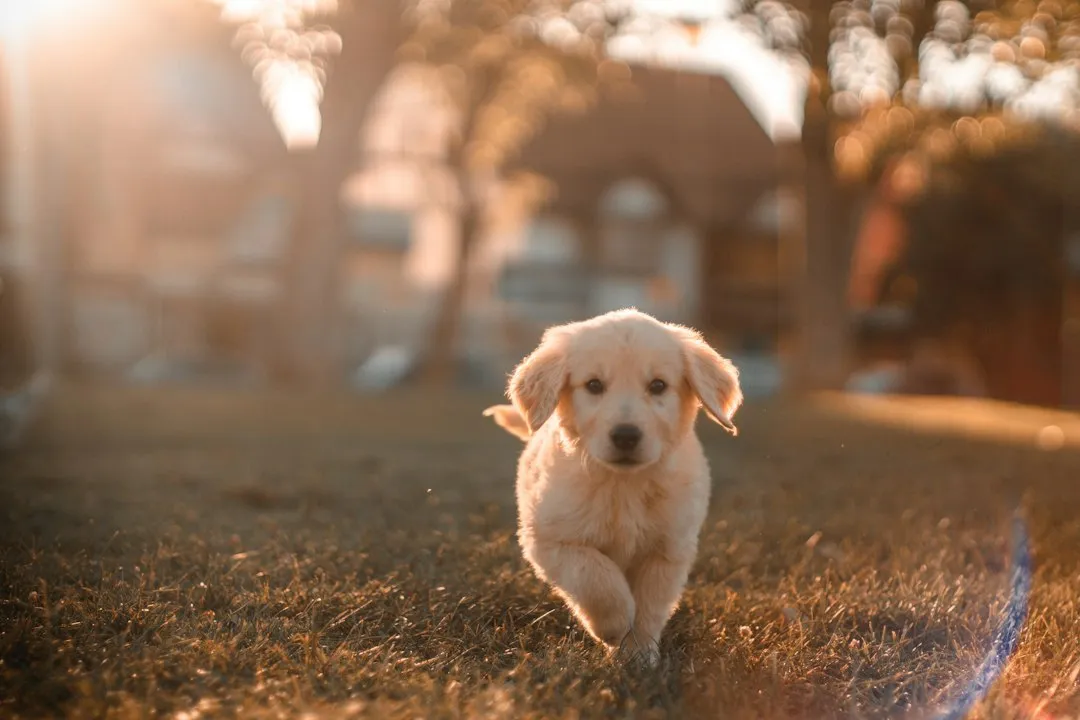
One of the strongest signs of trust is when your dog confidently anticipates your daily schedule. Dogs thrive on consistency, and routines help them feel secure because they know what comes next. If breakfast always arrives at the same time each morning or your evening walk begins shortly after you get home from work, your dog quickly learns those patterns and begins to rely on them.
It’s a reflection of confidence that you’ll follow through. A dog waiting patiently by the door before walk time or sitting near its food bowl before dinner is demonstrating that it trusts you to meet its needs.
The clearest sign of complete trust is when your dog maintains calm confidence in your presence, even during challenging moments. They don’t question your intentions, they follow your lead naturally, and they seek your company by choice rather than obligation. That earned predictability is the foundation everything else is built on.
What Happens in the Brain: The Science of Dog Trust
A number of studies have shown that when dogs and humans interact with each other in a positive way, for example cuddling, both partners exhibit a surge in oxytocin, a hormone which has been linked to positive emotional states. This chemical exchange is bidirectional and meaningful.
A study led by animal expert Dr. Claudia Fugazza at Eötvös Loránd University in Budapest found that, despite being separate species, puppies intuitively trust human companions in the same way they trust dogs. Their findings revealed that a dog’s capacity to trust humans is very similar to that of their own dog mother.
Much research has also evidenced that dogs learn to use emotional cues from humans to guide their own behavior, and that these intelligent animals look to their companions to learn more about the world around them. Trust, in this sense, isn’t just emotional; it’s cognitive too.
How Trust Is Built (and How It Can Erode)
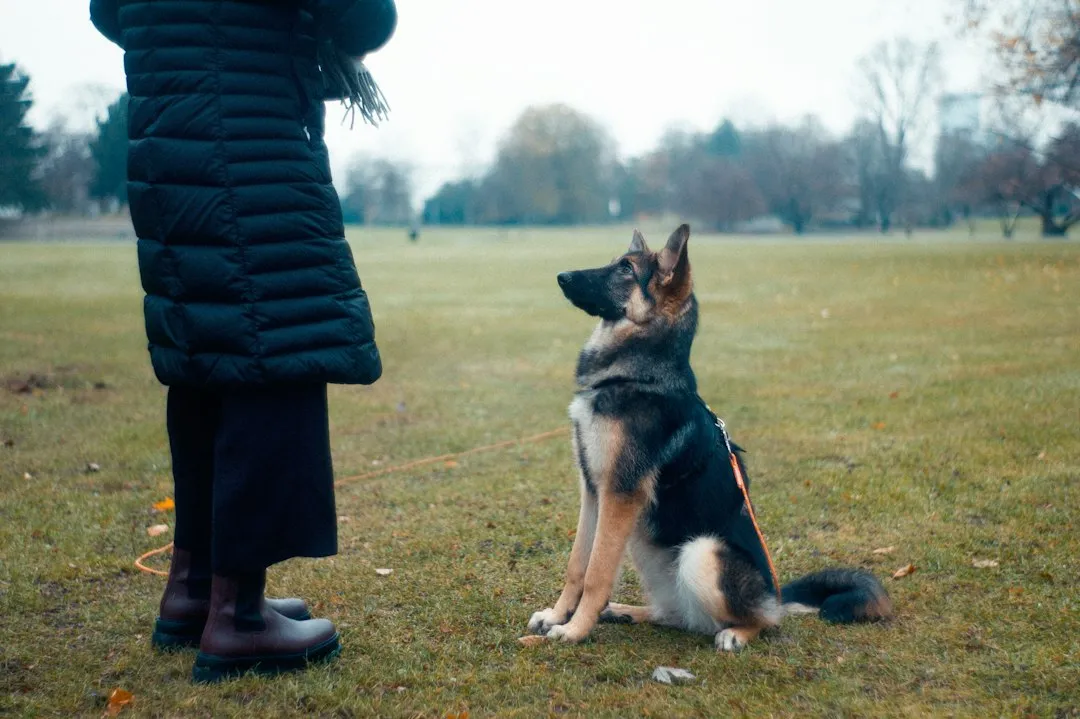
Dogs show trust differently based on their personality and past experiences. A shy rescue dog’s trust looks different from a confident puppy’s trust, but both are equally valid and meaningful. Context matters enormously when reading these signals.
Studies have detected links between the tendency of dogs to display behavior problems and their owners’ use of aversive or confrontational training methods. This raises the possibility that the effects of owner personality and psychological status on dog behavior are mediated through their influence on the owner’s choice of training methods.
Research found three different dimensions of owner interaction style: warmth and enthusiasm in positive contexts, social support in stressful situations, and behavioral control. Owner age and personality factors significantly modulated these distinct components, and warmth of the owner was associated with dog behavior in stressful social situations. How you show up for your dog every day shapes how much they open up to you.
Quiet Signs You Might Be Overlooking
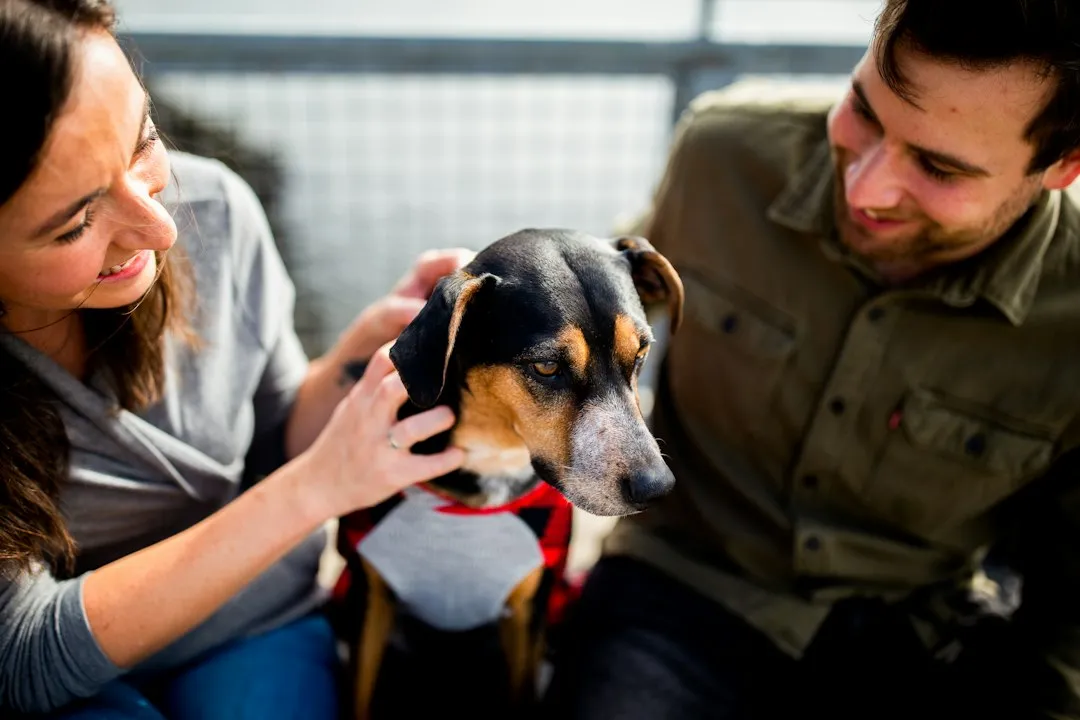
A trusting dog doesn’t pull away when you reach to pet them, remains calm during grooming or vet visits when you’re present, and may even seek out your touch for comfort during stressful moments. These quieter moments can be easy to miss because they don’t involve dramatic displays.
Dogs are naturally protective of their food, and eating is a vulnerable activity in the wild. If your dog eats calmly around you without worry, it shows they trust you not to threaten or take their food. This is especially significant if they’ve shown food guarding behaviors in the past.
Trust is choice. A dog who follows you from room to room, naps near your chair, or casually checks in during the day is showing that your presence feels good. Some dogs are velcro dogs who want full-body contact, while others prefer to lie a few feet away and keep you in view. Both can be signs of trust.
The Takeaway
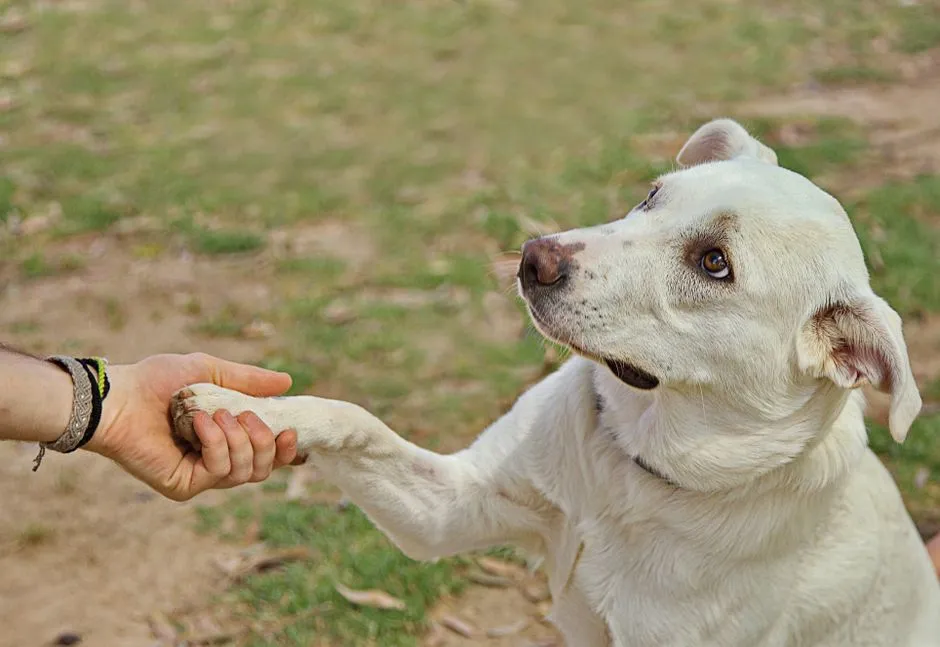
Your dog isn’t reading a manual. Every belly exposure, every soft glance across the room, every calm sigh at your feet is the result of thousands of small moments where you showed up consistently and safely. Complete trust shows through multiple consistent behaviors over time. Your dog seeks your presence voluntarily, remains calm during handling or stressful situations, responds reliably to your commands, and shows relaxed body language around you. They look to you for guidance in new situations and recover quickly from accidents or mistakes. Most importantly, they choose to be near you when other options are available.
That last part is worth sitting with. Dogs always have options. When they keep choosing you, that’s the real signal.
AI Disclaimer: This article was created with the assistance of AI tools and reviewed by a human editor.